Satellite analysis by environmental groups finds that a boom in Indonesian wood pellet and chip production is driving fresh deforestation, threatening biodiversity and Indigenous lands. Japan’s imports of wood pellets surged to a record 8.64 million tons in 2025, with shipments from Indonesia to Japan rising more than 500% since 2023. Critics warn that subsidies, weak due diligence and co‑firing practices may prolong fossil fuel use and enable forest conversion; at least 45 biomass concessions now total over 750,000 hectares of natural forest.
Japan’s Surge in Biomass Imports Fuels New Wave of Deforestation in Indonesia
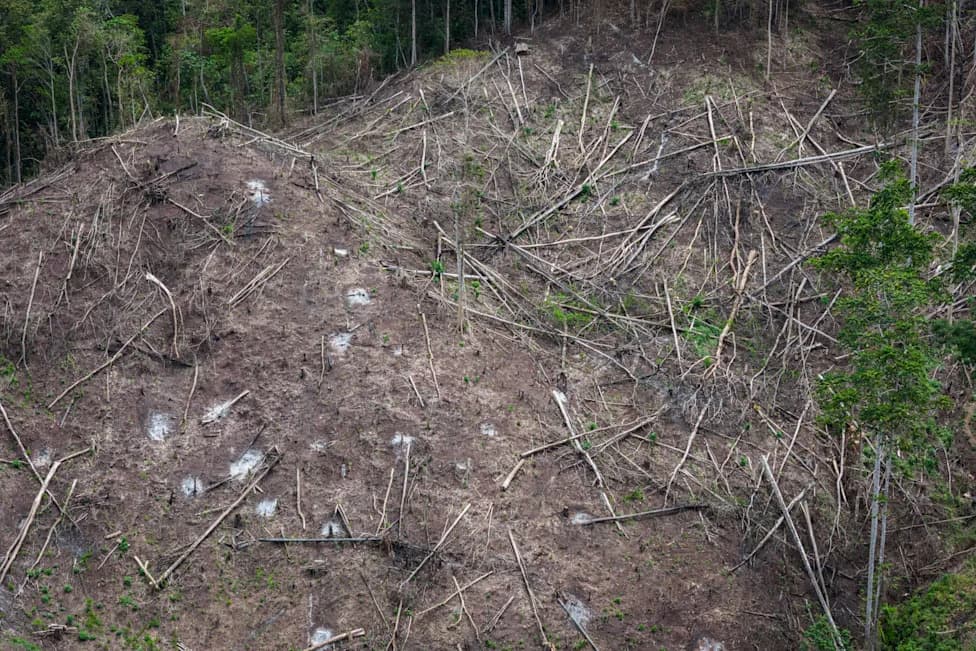
FILE - Deforestation is visible near several wood pellet production companies in Pohuwato, Gorontalo province, Indonesia, Oct. 22, 2024. (AP Photo/Yegar Sahaduta Mangiri, File)(AP Photo/Yegar Sahaduta Mangiri)
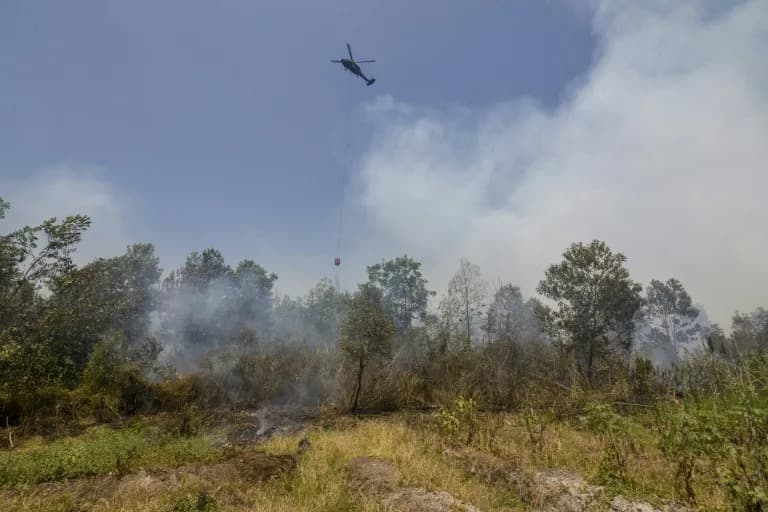
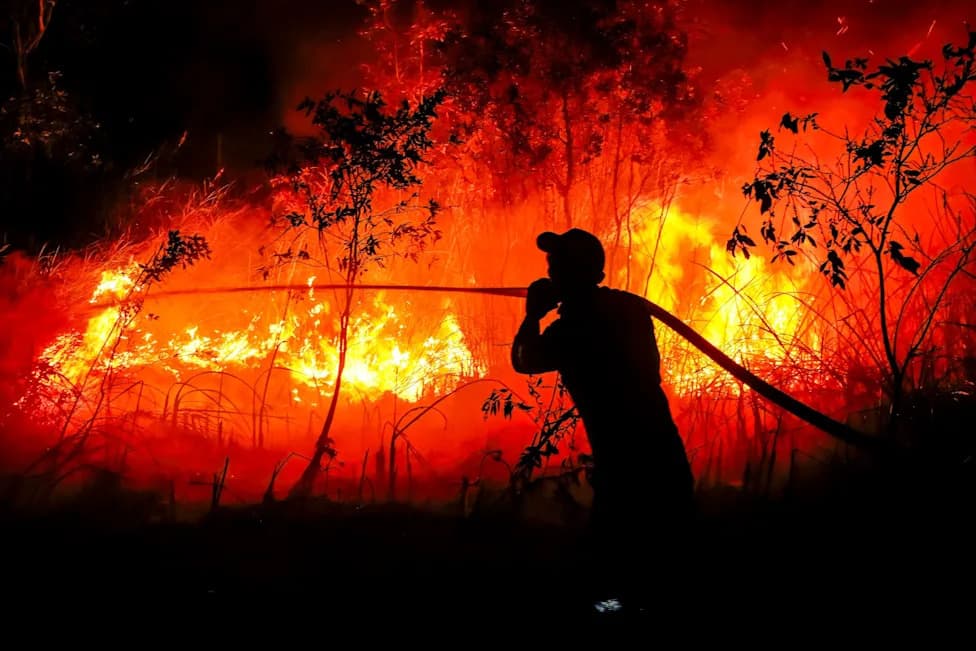
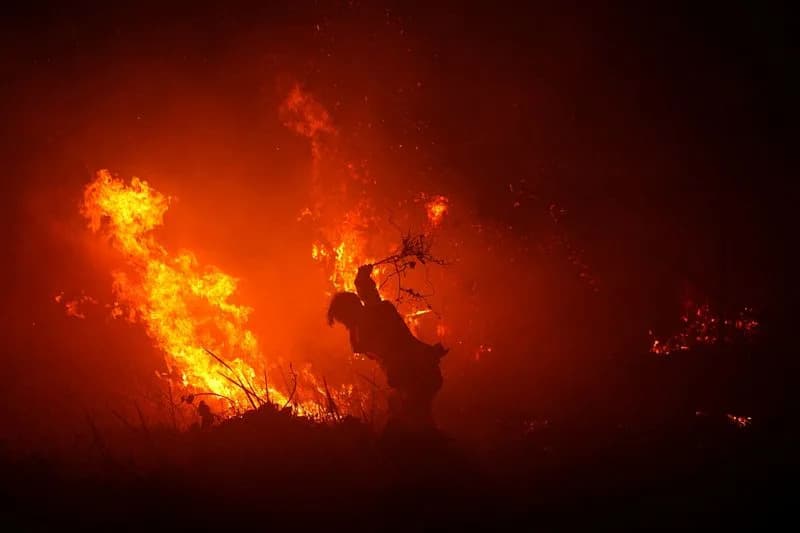
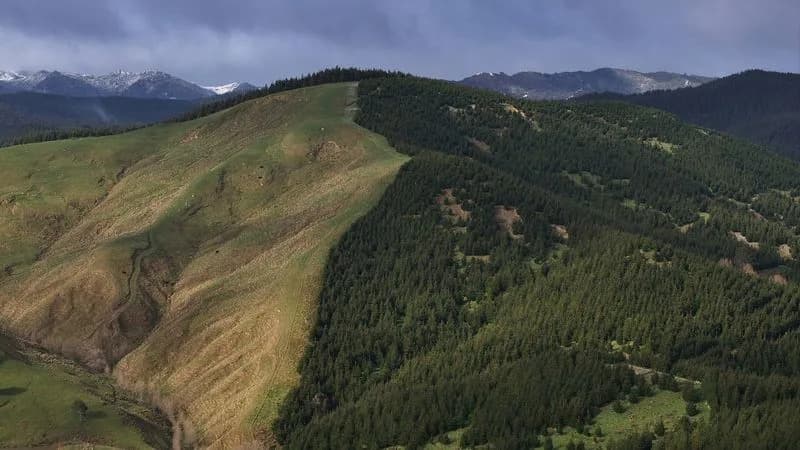
Satellite-based research by environmental organizations warns that a rapid expansion in Indonesia’s wood pellet and chip production is driving renewed deforestation across the archipelago, putting remaining tropical forests, biodiversity hotspots and Indigenous lands at risk.
Exports, Demand and the Biomass Boom
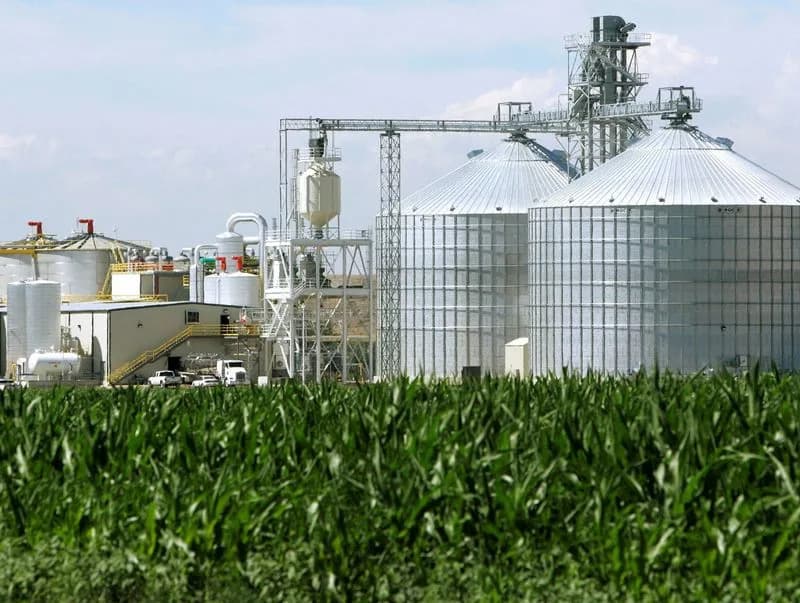
Biomass power—most commonly produced by burning wood—is expanding globally as governments pursue low‑carbon targets. Environmental groups say this growing market has created a fresh driver of forest clearance in Indonesia, with most wood pellets destined for export and Japan the single largest buyer.
"The biomass industry has become a new driver of deforestation in Indonesia," said Timer Manurung, director of Auriga Nusantara, which contributed to the satellite analysis.
Scale and Trends
Worldwide bioenergy consumption rose by more than 55% between 2015 and 2024, according to the International Energy Agency (IEA). In Japan, biomass made up under 6% of electricity generation in 2024, per the Institute for Sustainable Energy Policies, but demand is climbing fast: Japan imported a record 8.64 million tons of wood pellets in 2025—a 35% increase versus 2024—while shipments from Indonesia to Japan jumped from 66,460 tons in 2023 to 402,310 tons in 2025 (an increase of over 500%).
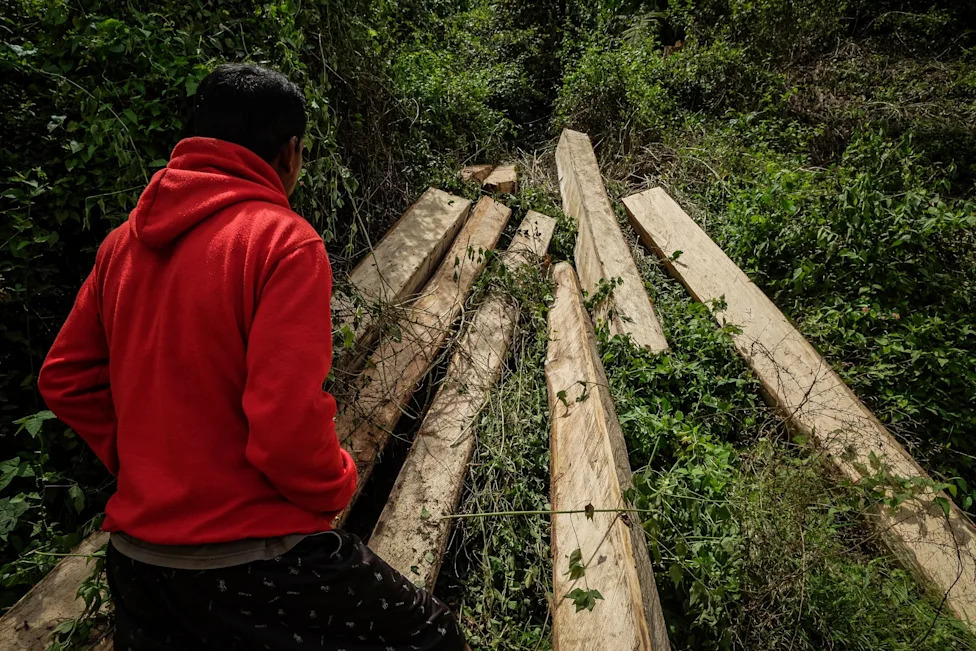
FILE - A man inspects logs near several wood pellet production companies in Pohuwato, Gorontalo province, Indonesia, Oct. 22, 2024. (AP Photo/Yegar Sahaduta Mangiri, File)(AP Photo/Yegar Sahaduta Mangiri)
Environmental and Social Concerns
Critics contend that continued subsidies for biomass, weak supply-chain oversight and loopholes in due-diligence policies risk encouraging further clearance of intact forests. Experts warn that co-firing biomass with coal—modifying coal plants to burn pellets alongside coal—can prolong reliance on polluting fossil fuels rather than accelerating the shift to truly low-carbon sources.
IEA experts and other analysts emphasize that if biomass demand is to be met responsibly, it should rely on genuine waste streams and crop residues rather than converting natural forests to bioenergy plantations. Deforestation causes erosion, destroys habitat for vulnerable species, threatens the livelihoods and cultures of Indigenous communities, and reduces forests’ capacity to sequester carbon.
"It will totally erase all the natural cover which provide a living and is an integral part of the culture to the Polahi people," Manurung said, warning that concessions threaten isolated Indigenous communities and their cultural landscapes.
Evidence From the Ground
New analysis by Earth Insight, Auriga Nusantara and the Indigenous Peoples' Alliance of the Archipelago identified an expanding number of concession permits for biomass feedstock. The groups report at least 45 concessions covering more than 750,000 hectares (about 1.85 million acres) of natural forest—areas that include undisturbed habitat for species such as tarsiers and endemic buffalo and pigs.
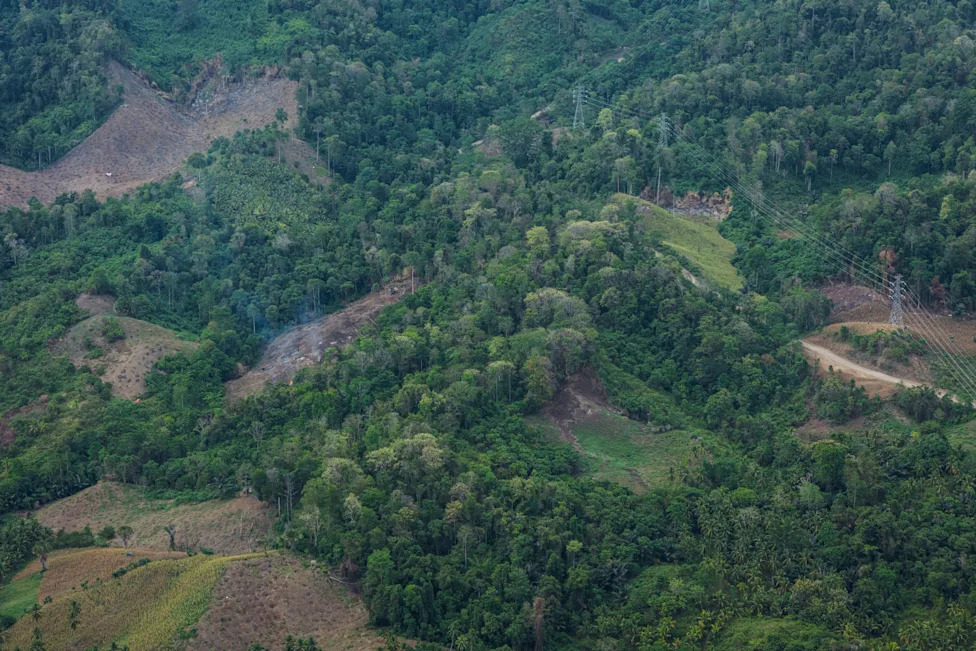
FILE - Deforestation is visible near the areas of several wood pellet production companies in Pohuwato, Gorontalo province, Indonesia, Oct. 22, 2024. (AP Photo/Yegar Sahaduta Mangiri, File)(AP Photo/Yegar Sahaduta Mangiri)
Indonesia’s Ministries of Environment and Forestry and Energy and Mineral Resources did not respond to requests for comment.
Policy, Finance and International Links
Japan has provided millions of dollars in support for developing biomass in Indonesia through research, policy assistance and construction-related funding, according to a review of public agreements. Tokyo has halted subsidies for future large-scale biomass projects, but projects already certified may continue to receive subsidies for up to 20 years after they begin operation, Katsuhiro Suzushima of the Global Environmental Forum said.
"Loopholes in Japan's due-diligence rules are likely to let wood pellets linked to deforestation enter the market for years to come," said Sayoko Iinuma, a forestry specialist at the Global Environmental Forum. "We have asked for stronger checks many times."
Japan’s Forestry Agency, which promotes biomass use, declined to comment on the link between imported biomass and deforestation and did not respond to questions about policies intended to prevent imports tied to forest loss.
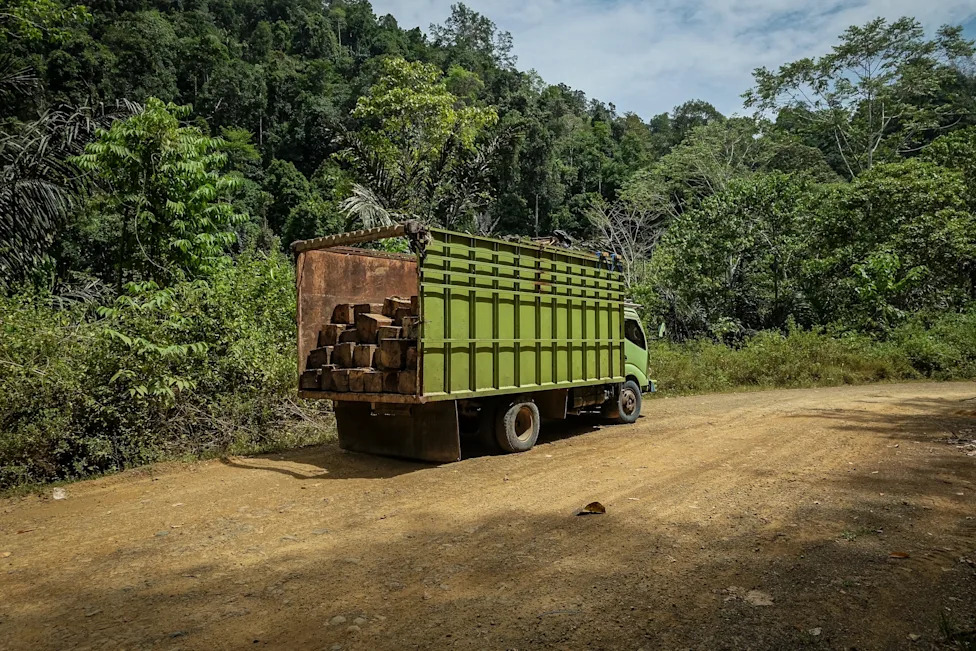
FILE - A truck carrying logs is parked on the side of a road leading to the concession areas of several wood pellet production companies in Pohuwato, Gorontalo province, Indonesia, Oct. 22, 2024. (AP Photo/Yegar Sahaduta Mangiri, File)(AP Photo/Yegar Sahaduta Mangiri)
South Korea, once the largest importer of Indonesian wood pellets, drastically reduced subsidies after domestic and international criticism over the industry’s role in deforestation.
What This Means Going Forward
Environmentalists and scientists urge stricter international standards, stronger supply-chain due diligence and a preference for waste- and residue-based biomass if bioenergy is to play any role in a genuine climate transition. Some campaigners argue for rejecting large-scale forest-based biomass altogether because burning certain types of wood biomass can release as much or more carbon than coal while diminishing forests’ carbon sinks.
Associated Press reporting contributed to background details in this article.
Help us improve.