Bhutan — long reliant on hydropower and notable for being carbon negative — is expanding solar to address winter shortfalls and the risks of glacial retreat. New plants such as Dechencholing (4.45 MW) and Sephu (22+ MW) signal a strategic shift as the country targets 25,000 MW by 2040 with solar contributing about 20%. Challenges include limited flat land, high installation costs for households and difficult logistics, while training programmes and rooftop initiatives aim to build domestic capacity.
Bhutan Adds Solar Power To Its Hydropower Mix As Winter Shortfalls Loom
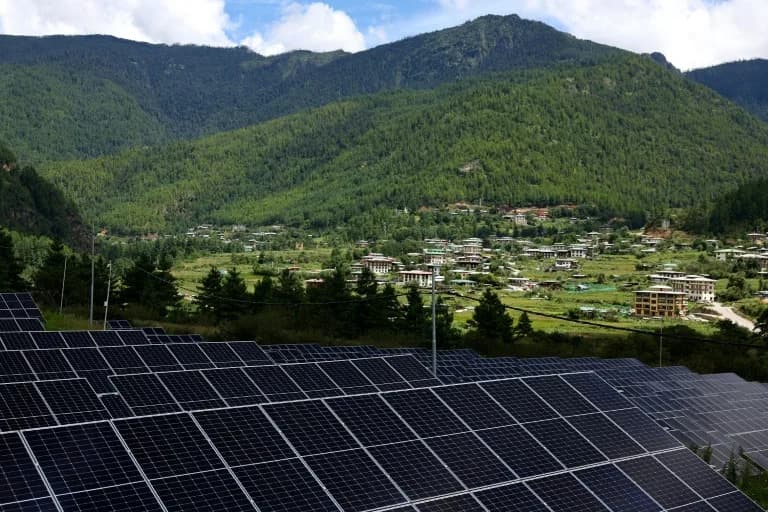
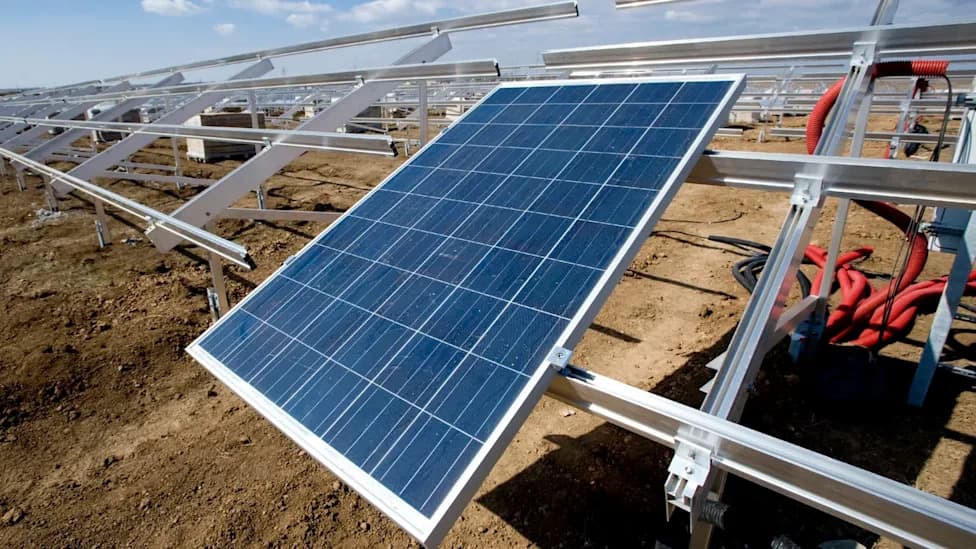
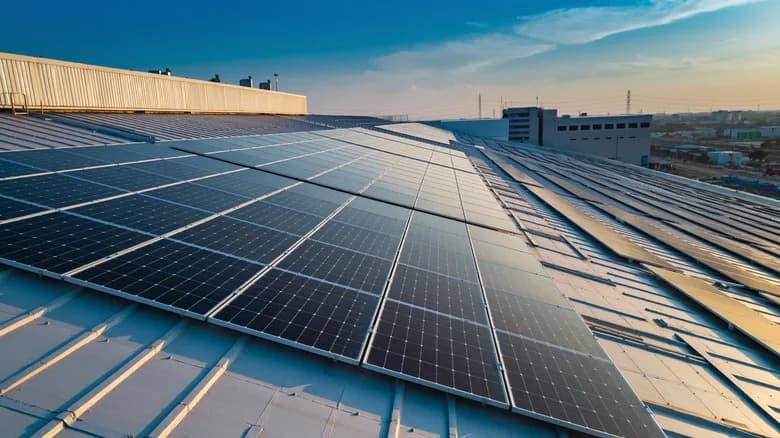
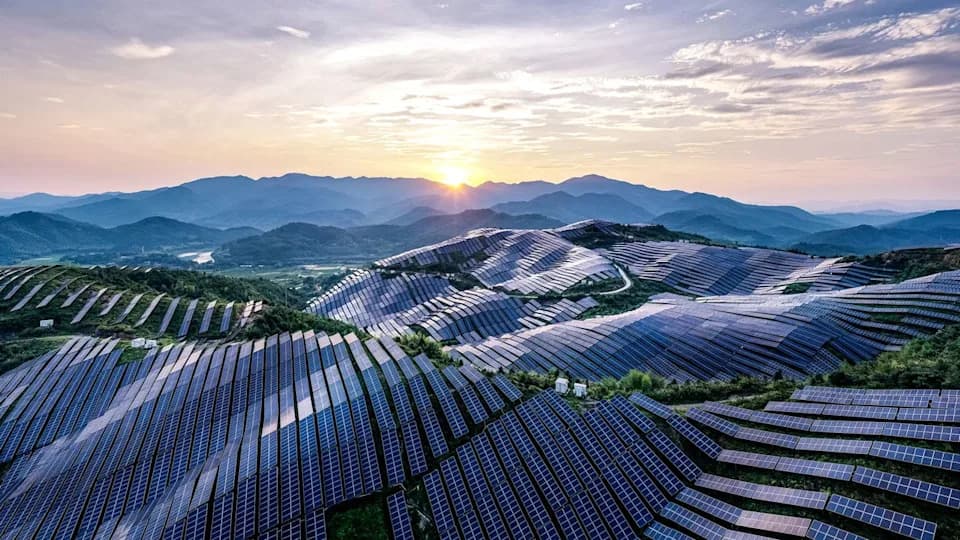
Solar panels at the Dechencholing solar farm in Bhutan's capital city of Thimphu (Niharika KULKARNI)
Engineer Rinzin Galley stands on a raised platform overlooking what used to be a military shooting range on the edge of Thimphu — today the site hosts a gleaming field of solar panels. Once almost entirely dependent on rivers and hydropower, Bhutan is steadily adding solar to its energy mix to shore up seasonal gaps and prepare for a changing climate.
Solar Rising To Meet Seasonal Shortfalls
Bhutan has long relied on abundant waterways and hydroelectric dams to meet domestic demand and remain carbon negative, absorbing more greenhouse gases than it emits. But winter flows fall sharply and, before the spring melt, generation can drop by roughly 80 percent — forcing Bhutan to import electricity from India to cover a growing shortfall.
“Solar projects are booming,” said Rinzin, a senior engineer at Norion Renewable Energy, reflecting the recent surge in photovoltaic development across the kingdom. Norion’s largest project so far is the Dechencholing solar farm, built on former military land, with an installed capacity of 4.45 megawatts (MW). Another notable project, the Sephu solar plant, exceeds 22 MW.
Targets, Capacity And The Climate Imperative
Hydropower remains dominant: Bhutan currently has about 3,700 MW of hydro capacity and hydropower exports contribute significantly to the economy — at times up to 15% of GDP, according to the World Bank. The national ambition has shifted: Bhutan now targets 25,000 MW of total capacity by 2040, with solar expected to make up roughly one-fifth. Druk Green Power Corporation has also outlined plans to develop about 5,000 MW of additional capacity.
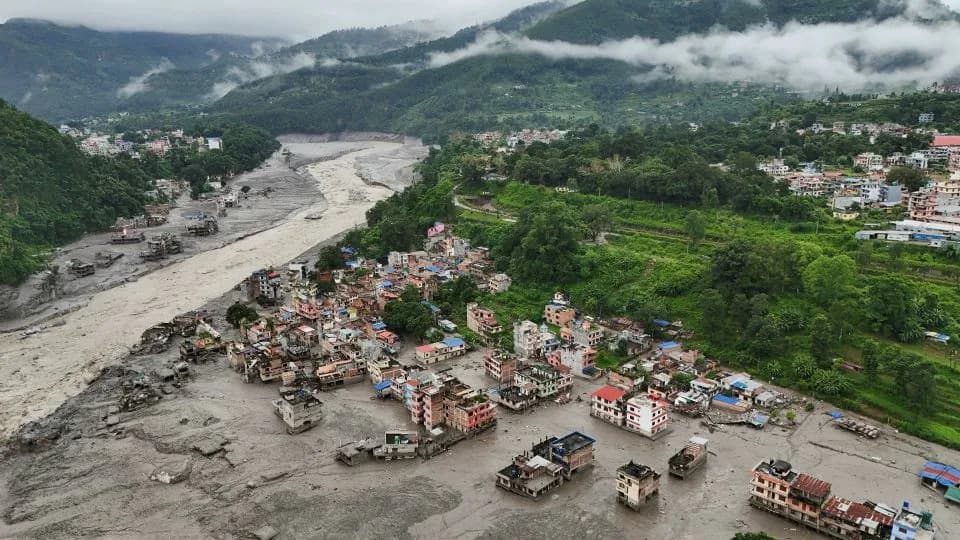
'So I think in the long-term, you will have to keep yourself open to other options,' said Chhewang Rinzin, managing director of Druk Green Power, noting the threat climate change poses to the glaciers that feed Bhutan's rivers.
Practical Challenges: Land, Logistics And Cost
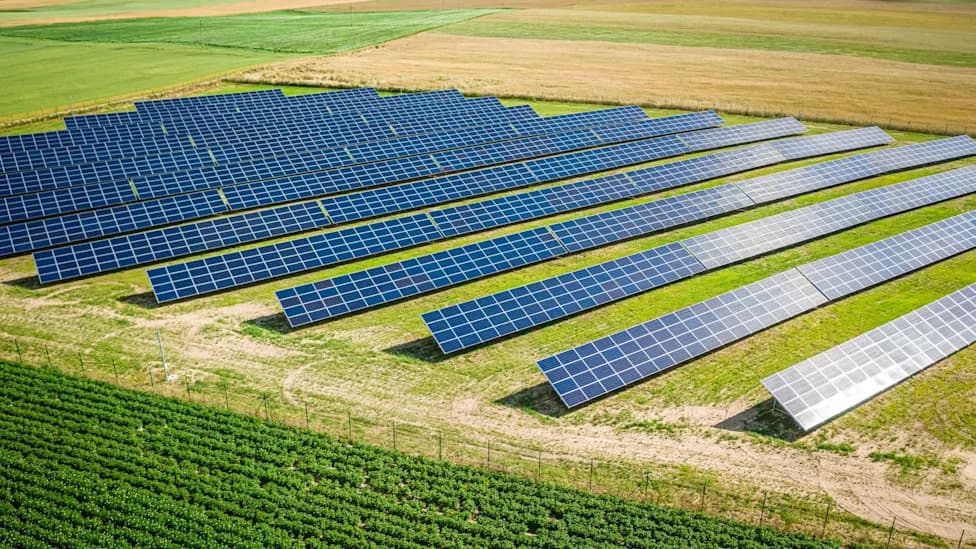
Finding large, flat land for ground-mounted solar is difficult in a largely mountainous country. High altitudes, circuitous roads and landslide-prone routes increase construction costs and complicate logistics. Rooftop solar is growing — especially on government buildings and businesses in Thimphu — but individual uptake is limited because electricity remains relatively cheap and installations are expensive for most households.
Former trade minister Om Pradhan installed rooftop panels at his home but said the 600,000 ngultrum (about $6,300) cost is prohibitive for many families. 'Many people calculate that if you put that money in the bank, the interest would pay your electricity bills,' he observed.
Building Local Capacity And Planning For Demand
To scale up deployment, Bhutan is investing in local skills. Through the De-suung royal skilling initiative, Norion has trained about 450 volunteers, several dozen of whom now work for the company. Norion aims to install roughly 30 MW of solar by 2027, focusing heavily on rooftop systems where feasible.
Demand pressures are also changing. A construction boom, plus energy-hungry projects such as bitcoin mining and plans for a Gelephu Mindfulness City expected to host data centres, are pushing winter demand higher — from about 400 MW historically to roughly 1,500 MW today — widening seasonal shortfalls.
Outlook
Bhutan’s move toward solar does not replace hydropower but rather complements it: solar can reduce winter imports, diversify revenue sources and provide resilience against uncertain glacial flows. The path ahead will require investment, foreign partnerships, careful land use planning and incentives that make rooftop solar more affordable for households.
Help us improve.