Rural areas provide the bulk of U.S. clean-energy generation — roughly 87% — yet many counties are enacting restrictions while federal policy shifts have reduced some supports. Utility-scale solar uses only about 0.07% of farmland and can deliver significant tax revenue and lease income to struggling communities. The Department of Energy awarded $1.9 billion for advanced transmission projects to boost grid capacity, while offshore wind advances amid legal challenges. Recent court rulings, battery debates, and electrification projects underscore an active, contested energy transition.
Clean Energy in Rural America: Challenges, Economic Upsides, and a Push to Strengthen the Grid
The challenges and opportunities of clean energy in rural America
The U.S. transition to cleaner electricity is unfolding largely across rural America. According to a Rural Climate Partnership analysis, about 87% of U.S. clean-energy generation last year came from locations well outside major urban centers — a predictable pattern given that utility-scale wind, solar and battery projects require expansive tracts of open land.
Local Resistance and Policy Shifts
Despite the geographic fit, many rural communities are not uniformly welcoming new renewable developments. The number of counties imposing bans, moratoriums or other barriers on renewables has risen nationwide. A Daily Yonder and Canary Media analysis using data from USA Today and Columbia University's Sabin Center for Climate Change Law found that more than 60% of counties with such restrictions are rural.
Federal policy changes have also complicated deployment. Recent moves in Washington have scaled back programs that previously helped farmers and rural businesses invest in on-site solar and other clean energy. Some federal officials have publicly questioned subsidies for solar on high-quality farmland and criticized certain renewables as poor uses of land. Those critiques, however, often overlook the data and the upside for rural economies.
Scale, Facts, and Economic Opportunity
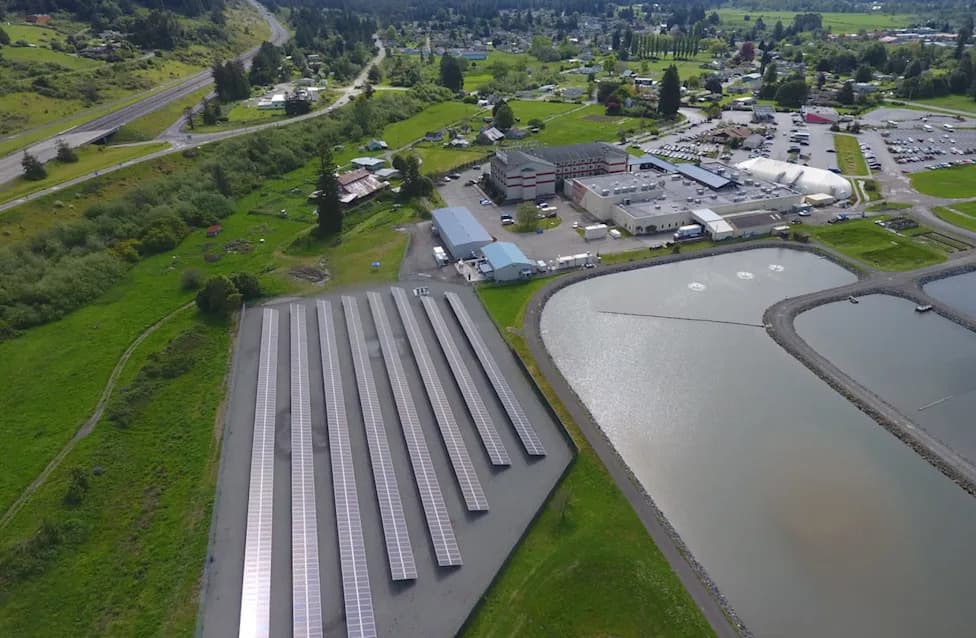
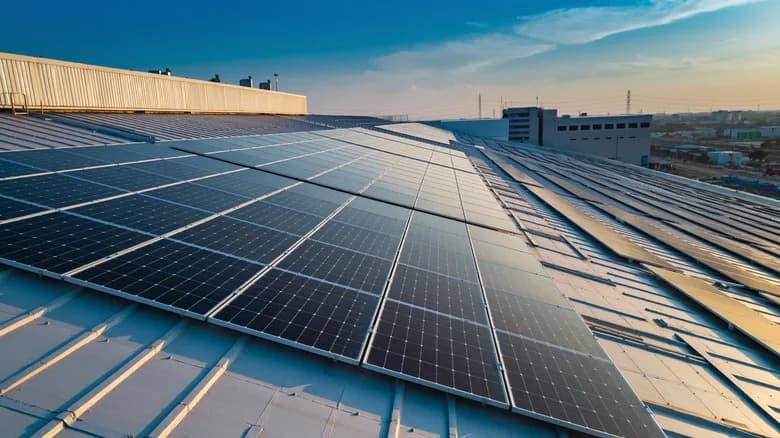
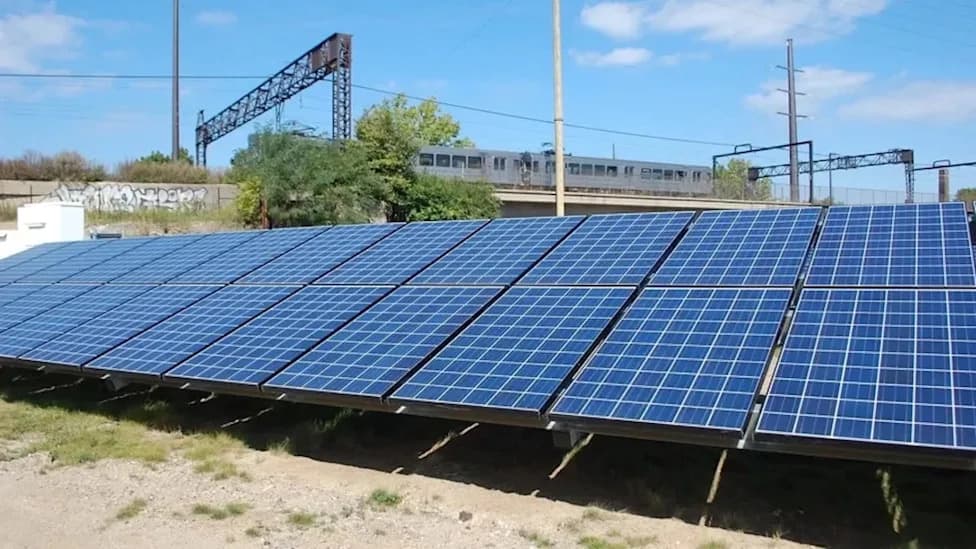
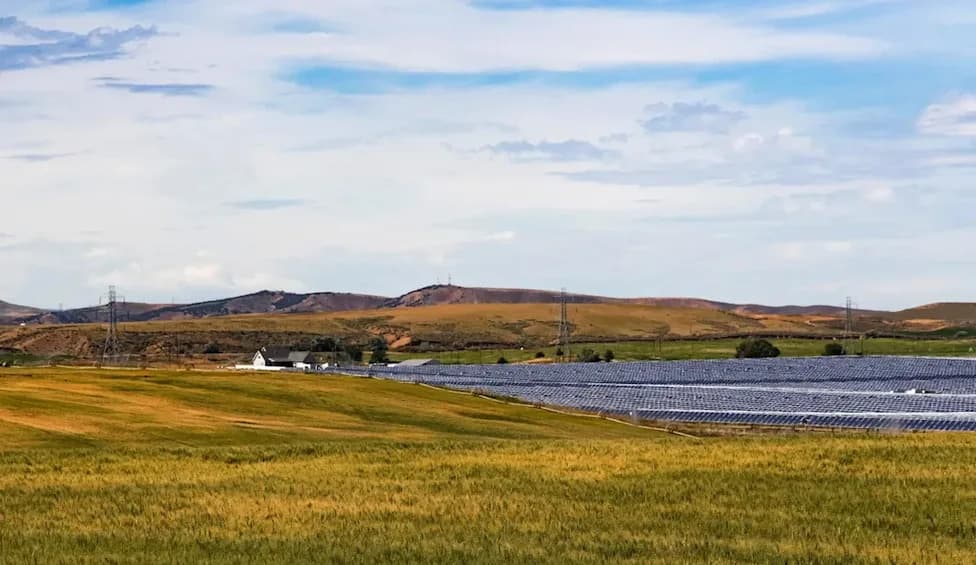
Utility-scale solar occupies a tiny fraction of U.S. farmland — roughly 0.07% — far less than many other land uses; for comparison, golf courses cover almost three times as much area. Beyond the modest land footprint, clean-energy projects can bring sizable local benefits: new tax revenue for cash-strapped counties and lease income for farmers that helps offset rising input costs and climate-related risks.
Local support for renewables is visible across partisan lines. An April survey from the Yale Program on Climate Change Communication found that roughly half of Americans back solar and wind projects in their area. Examples include a Republican county commissioner in Idaho organizing to reverse a prior local ban, and a Coles County, Illinois, resident who publicly supported a proposed 300-megawatt wind farm that developers estimate will generate about $81 million in tax revenue over 30 years.
Grid Investments: $1.9 Billion for Advanced Transmission
In a notable federal action, the U.S. Department of Energy announced $1.9 billion in grants to deploy advanced transmission technologies in 26 states. These technologies — from higher-conductivity conductors to intelligent control devices and optimization software — can increase the effective capacity of existing lines and reduce the need for costly new corridors. Granted projects include replacing aging cables with higher-capacity conductors and installing devices and software to route power more efficiently across strained networks.
Offshore Wind: Progress and Legal Hurdles
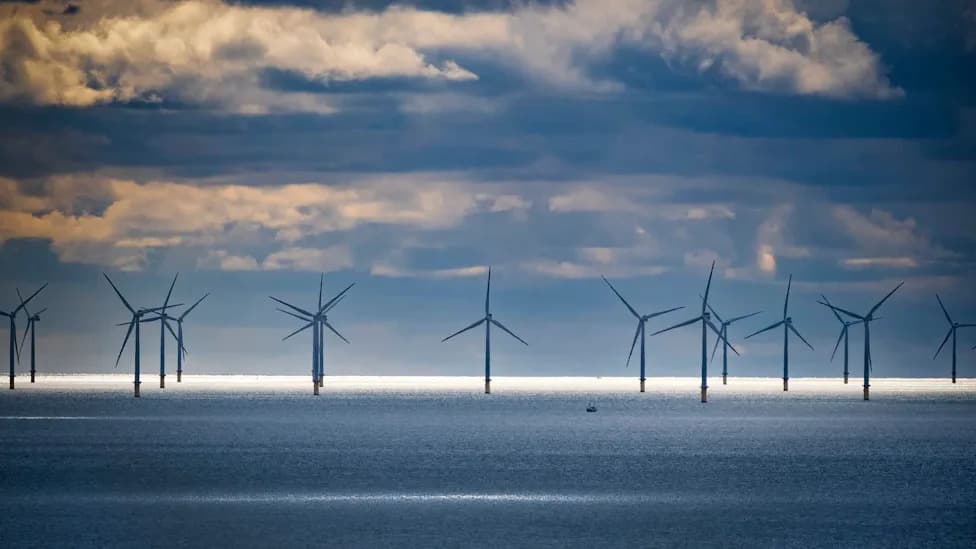
Offshore wind is advancing in some regions even as it faces legal and political pushback. Revolution Wind off Rhode Island recently completed the installation of all 65 turbines and will soon enter commercial operations alongside South Fork Wind and Vineyard Wind; Empire Wind and Sunrise Wind are also under construction in New York waters. Yet several states have filed lawsuits to block federal buyout deals for certain offshore leases, arguing the agreements were improper — a dispute that has drawn attention from multiple state attorneys general and industry observers.
Other Recent Developments
- Solar For All Reinstated: A judge found the federal government acted illegally when it terminated the $7 billion Solar For All program aimed at supporting solar in lower-income communities.
- Electric School Buses in NYC: New plug-in electric school buses in New York City will both transport students and, in some cases, provide grid services by storing and sharing energy.
- Battery Siting Debate in New York: Utility Con Edison and developers are disputing how community-scale storage should be operated and who should capture revenues.
- Cleaner Cooking: Induction-startup Copper partnered with appliance maker Miele on a high-powered induction range designed for efficient, fume-free cooking.
- Ohio Solar Project Approved: Regulators cleared the state's largest combined solar-and-battery facility, which will also provide grazing land for about 1,000 sheep.
- Utilities’ Progress Slows: The Sierra Club reports several major utilities are making less progress on decarbonization than in previous years.
- Gas Plant Rejected: North Carolina regulators denied a proposed gas-fired plant amid uncertainty about future demand from data centers and consumer risk.
As rural communities and policymakers weigh costs and benefits, the energy transition in America’s heartland will continue to be shaped by local debates, federal investments in the grid, and legal battles over big offshore and onshore projects. The choices made now will determine whether rural America reaps the full economic and resilience benefits of clean energy.
Help us improve.