Kim Yo Jong branded South Korea "despicable" after Seoul demanded an apology for a landmine blast in the DMZ that seriously injured three soldiers. Pyongyang denies responsibility, while the US-led United Nations Command reported finding an active North Korean anti-personnel mine on the southern side of the border. President Lee Jae Myung has pushed for renewed dialogue without preconditions, but Kim mocked the overture, and the incident adds tension amid North Korea's ongoing border fortifications and international diplomatic maneuvering.
Kim Yo Jong Labels South Korea "Despicable" After DMZ Mine Blast as Seoul Demands Apology

Kim Yo Jong, the sister of North Korean leader Kim Jong Un said South Korea "even called for an apology" over a blast at the DMZ and added it is "really despicable" (JORGE SILVA)
Kim Yo Jong, the influential sister of North Korean leader Kim Jong Un, on Friday slammed South Korea as "despicable" after Seoul demanded an official apology over a landmine blast inside the Demilitarised Zone (DMZ) that seriously injured three South Korean soldiers.
What Happened
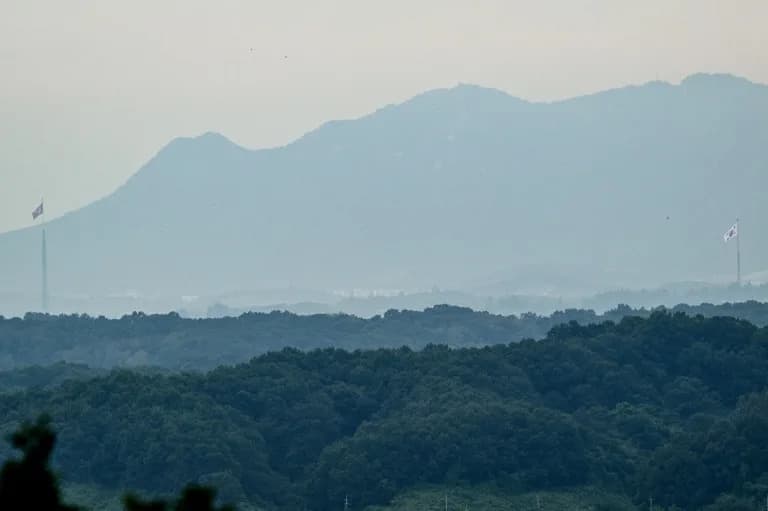
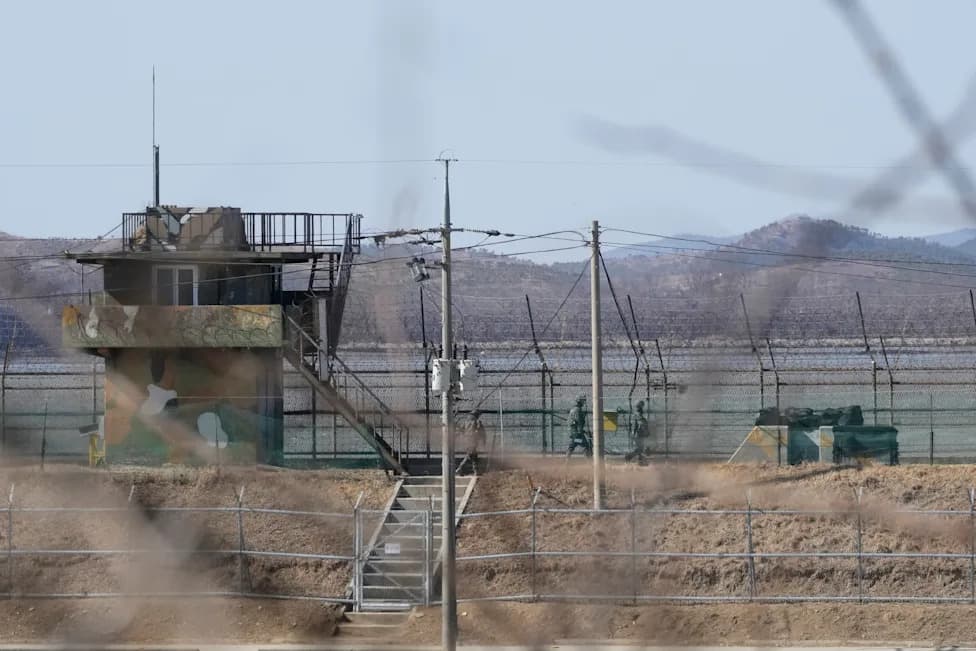
Pyongyang has denied responsibility for the explosion, which wounded three soldiers last month in the heavily mined buffer that has separated the two Koreas since the 1953 armistice. South Korea's military called the incident "a clear violation of the Armistice Agreement" and formally requested an apology.
Pyongyang's Response
Kim Yo Jong dismissed Seoul's demand, saying South Korea "even called for an apology" and describing the request as "really despicable." She also derided President Lee Jae Myung's diplomatic outreach as "the climax of the farce that everyone should watch."
Verification and Context
The US-led United Nations Command, which oversees the armistice and monitors the southern side of the DMZ, reported finding an active North Korean anti-personnel mine on the South Korean side of the boundary. South Korea's defence minister, Kang Shin-chul, said the mines are believed to be part of Pyongyang's broader border-fortification work.
Since 2024, after Kim Jong Un designated South Korea his country's "principal enemy," North Korea has stepped up efforts to fortify the frontier, laying mines and erecting anti-tank barriers as part of an effort to effectively seal the border.
Political Ramifications
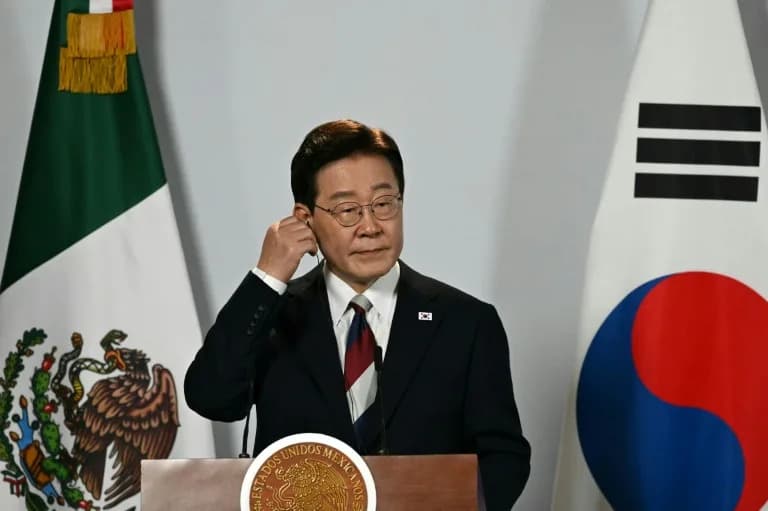
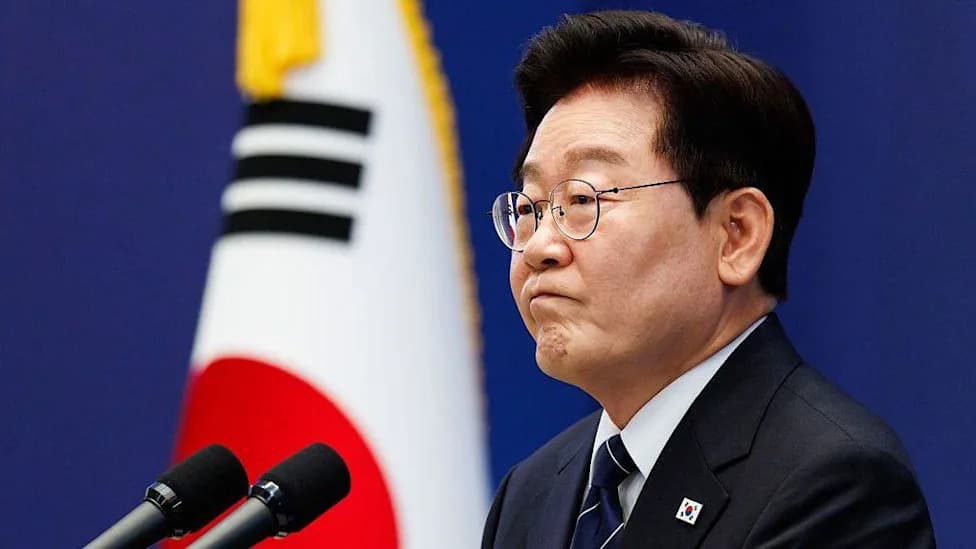
President Lee Jae Myung — who shifted away from the more hawkish policies of his predecessor after taking office in June 2025 — has offered talks with Pyongyang without preconditions and urged the North to return to dialogue. Lee said he hoped the North would "join us now on the path of restoring trust and resuming dialogue, following a long interruption," while also pledging to pursue measures to reduce military tensions.
Kim Yo Jong's scornful rebuke threatens to undercut hopes for warmer ties. Analysts have floated a range of responses from Seoul, including the symbolic tactic of resuming loud K-pop broadcasts across the border, but officials caution that options for retaliation are limited by the need to avoid further harming civilians living near the frontier.
Geopolitical Overtones
The flare-up comes as recent US overtures to Pyongyang have raised concerns in Seoul that South Korea could be sidelined in any future negotiations over North Korea's nuclear program — a program that draws diplomatic backing from both China and Russia. Last month, President Lee suggested Washington should consider seeking a freeze of North Korea's nuclear capabilities rather than immediate elimination and offer sanctions relief in exchange.
Outlook: Tensions remain high on the Korean Peninsula. The combination of military incidents, public recrimination from Pyongyang, and shifting diplomatic signals from Washington complicates prospects for a rapid return to talks.
Help us improve.