Key points: Arrivals from North Korea to South Korea have fallen sharply, with only 63 people reaching the South in the first half of 2026 — more than a one-third drop from H1 2025. Experts blame Kim Jong Un's long-term push to seal borders, fortify the roughly 1,415-kilometre frontier with China and clamp down on outside information. China has reportedly aided these efforts with surveillance, patrols and deportation facilities. Defectors remain a crucial source of intelligence and testimony, but observers warn global attention to their plight may be waning.
‘Currently Impossible’: North Korean Defections Plummet as Borders Harden
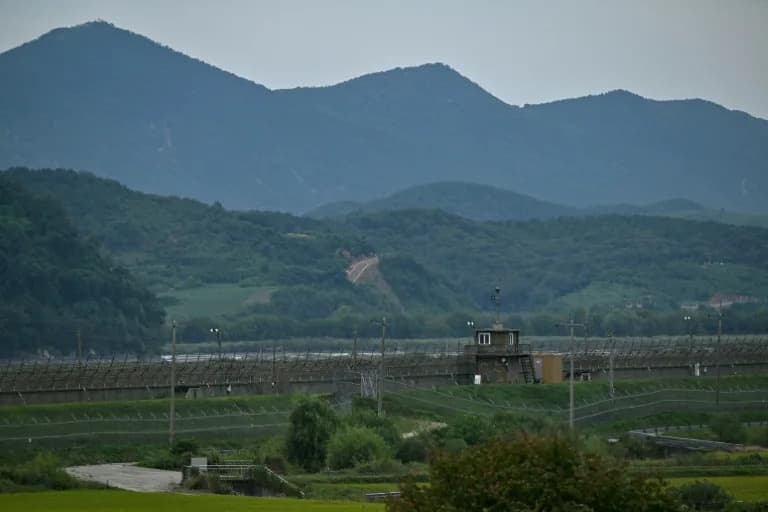
North Korea has cracked down on defections to the South which are now fraction of pre-Covid levels (Lillian SUWANRUMPHA)
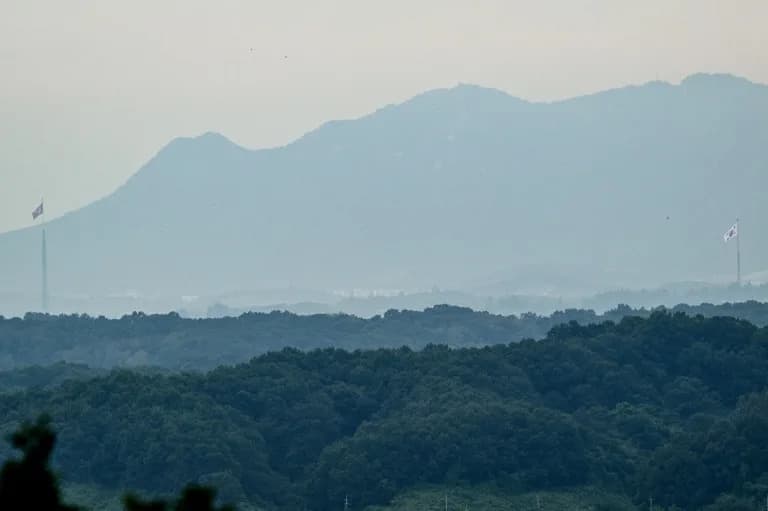
A building-sized North Korean flag flying from a tower along the de facto border with South Korea underscores a grim reality: escape from the North has become far more difficult for many inside the country.
Fewer People Reaching the South
South Korea's Unification Ministry reported just 63 arrivals from North Korea in the first half of 2026 — a decline of more than one-third from the same period in 2025. That six-month total is lower than what typically reached the South in a single year for decades, and experts say the flow appears to be shrinking further.
Why the Drop?
Analysts point to leader Kim Jong Un's sustained strategy to preserve his family's rule by isolating the country: tightening internal controls, sealing the border with China and restricting access to outside information. After coming to power in 2011, Kim accelerated efforts to close long-standing informal trade and migration links along the approximately 1,415-kilometre northern frontier — a historic first step in most escapes.
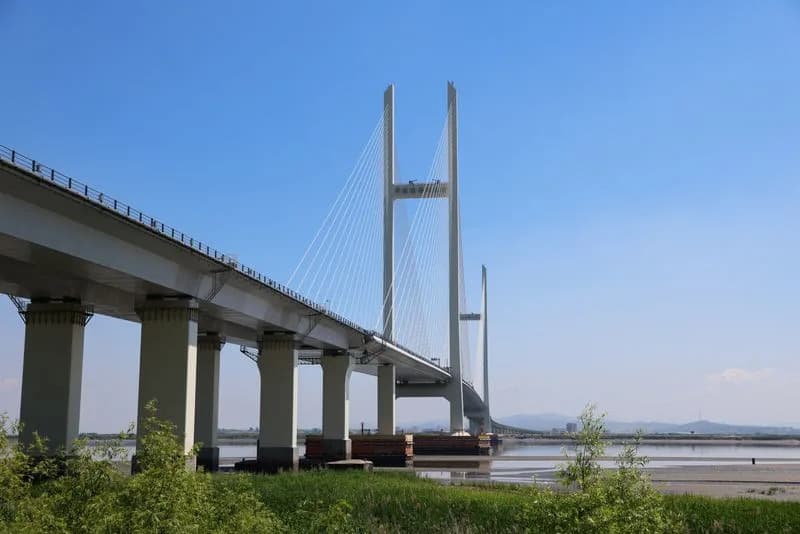
Unlike the heavily mined and fenced Demilitarized Zone (DMZ) that divides the two Koreas, the China–North Korea border was once relatively porous. North Korea has since added fences, surveillance cameras and strips of sand designed to record footprints, prompting one academic to describe it as a "Soviet-style border security system."
Beijing has reportedly assisted by deploying hundreds of facial-recognition cameras, increasing patrol boats and establishing or expanding detention and deportation facilities along its northeast border, according to experts including Andrei Lankov and Rachel Minyoung Lee of the Stimson Center’s 38 North.
The Human Story and Wider Consequences
Since 1998 roughly 34,500 North Koreans have reached South Korea — a small fraction of the country's estimated population of 26.6 million (UN figures). Defectors remain a vital source of firsthand information used by South Korean intelligence and international researchers to understand life inside the closed state.
"As I understand it, bringing family members directly from North Korea is currently impossible," said 29-year-old Chae Yoon-seo, who fled in 2019 after swimming across a river into China and travelling via Laos, Vietnam and Thailand before reaching the South.
Some escapes are still extraordinary. In 2023, Gyuri Kang and two relatives made a rare maritime crossing to South Korea — an escape she described to a United Nations hearing as a "miracle." She also recounted how South Korean dramas smuggled into the North on USB drives felt "refreshing" and far more credible than state propaganda.
In 2020, North Korea criminalised possession of foreign media, imposing punishments that include years of forced labour and, for large-scale distribution, potential death sentences, Amnesty International reports. Experts warn that sustained exposure to outside information is among the greatest long-term threats to the regime’s stability.
Outlook
With border fortifications, heightened surveillance and cooperation from Chinese authorities, traditional escape routes have narrowed. Activists and former defectors worry that international attention to North Korean human-rights abuses could fade even as the country grows more closed — reducing support for those still trapped inside.
Help us improve.