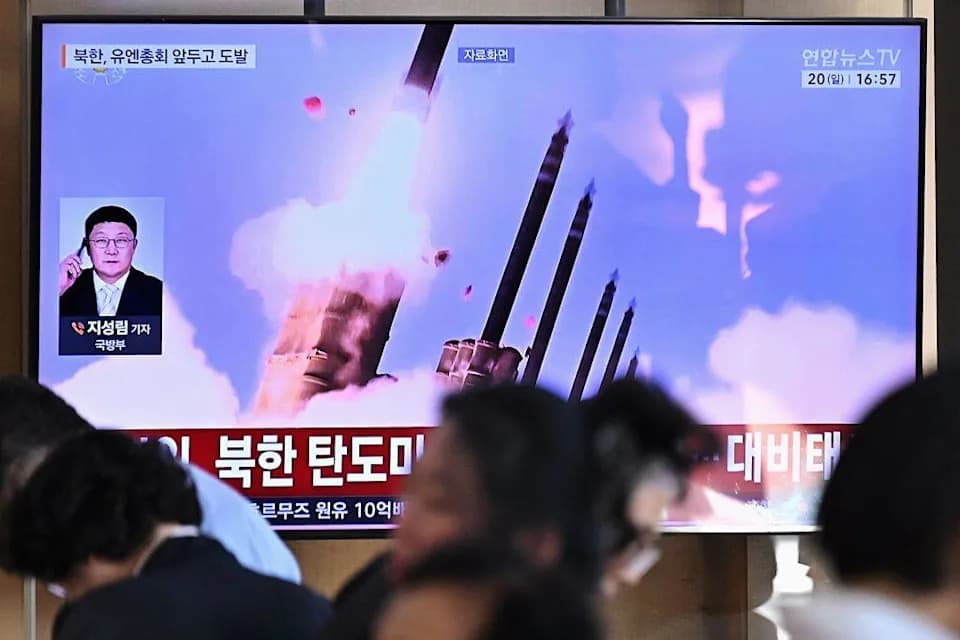
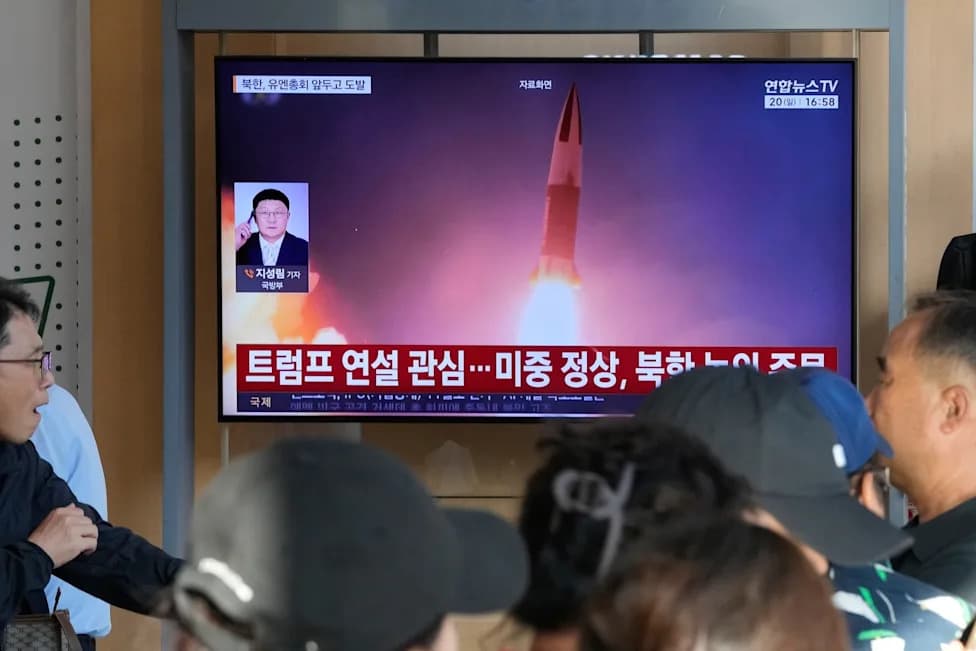
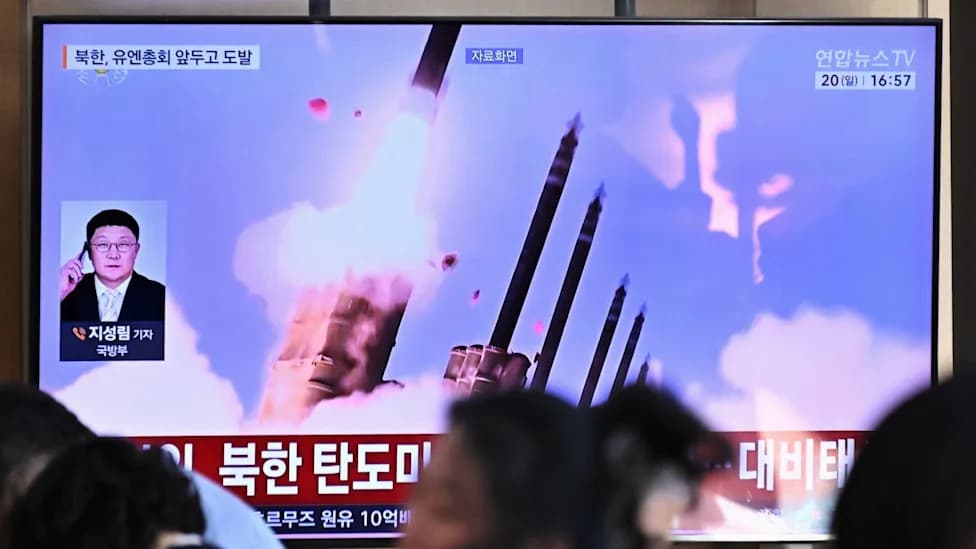
North Korea launched two short-range ballistic missiles from the Wonsan area on the country's east coast on Sunday, South Korea's military reported. The launches — part of a recent pattern of weapons demonstrations — sent both projectiles into the sea and prompted consultations among U.S. and regional allies.
Launch Details
According to South Korea's Joint Chiefs of Staff, the first missile traveled roughly 280 miles (about 450 km) and fell into the North's eastern waters. The second missile flew more than 370 miles (about 595 km) before also splashing down at sea. The two launches occurred about three hours apart.
Allied Responses
U.S. Pacific Command said it was aware of the launches and is "consulting closely with our allies and partners." In a post on X (formerly Twitter), the command added: "Based on current assessments, these events do not pose an immediate threat to U.S. personnel or territory, or to our allies."
Seoul's presidential office urged Pyongyang to immediately halt ballistic missile launches that violate U.N. Security Council resolutions. South Korea's military said it remains ready to repel provocations in close coordination with the United States. Japan's Defense Ministry reported it detected a suspected missile but said it did not land in Japanese territorial waters.
Context And Rhetoric
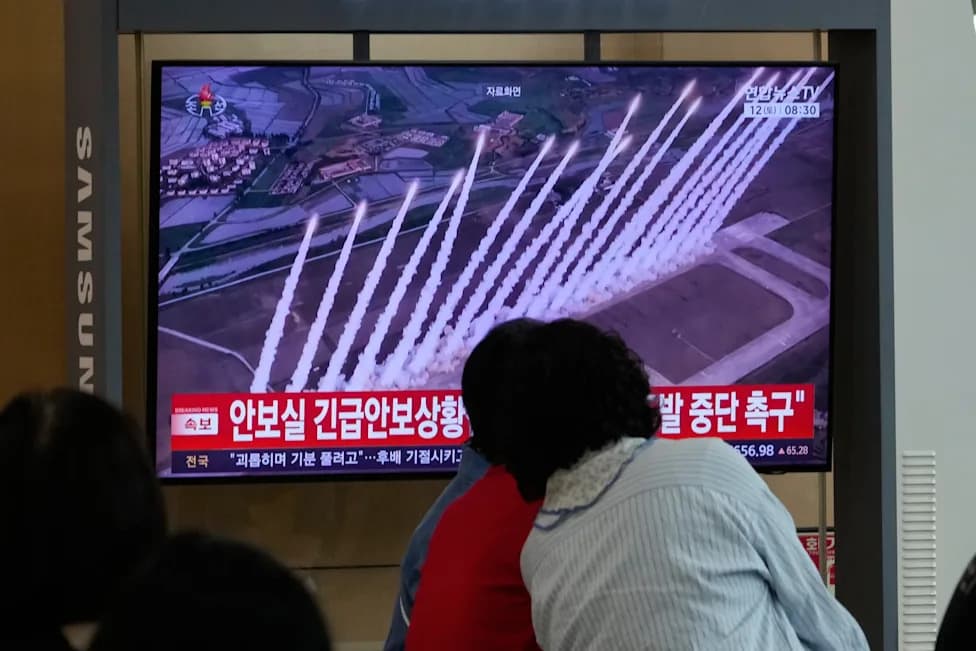
The launches follow recent North Korean live-fire drills that included missiles, artillery and drones. Those drills came after a five-day trilateral exercise involving the United States, South Korea and Japan — events Pyongyang described as provocations.
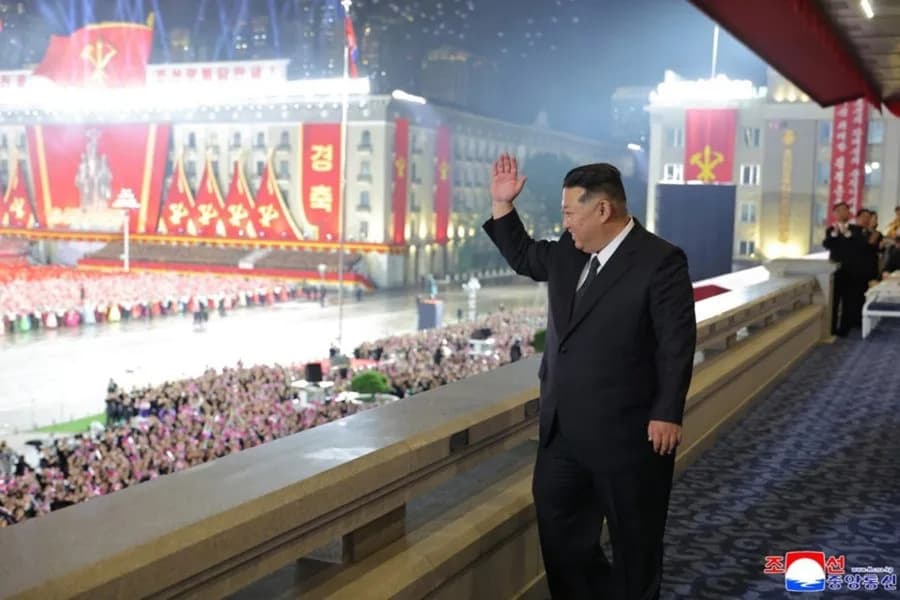
Kim Yo Jong, a senior North Korean official and sister of leader Kim Jong Un, dismissed moves by the U.S. and its partners as "provocative" and criticized U.S.-led maritime exercises as attempts to preserve American dominance in the Asia-Pacific. She warned Pyongyang would continue to strengthen its nuclear deterrent.
What This Means
The launches reinforce a recent pattern of North Korean weapons testing and sharp rhetoric aimed at deterring perceived threats and exerting diplomatic pressure. While allies say there is no immediate threat to their territories or personnel, the events have increased regional tensions and underscored persistent challenges to diplomacy on the Korean Peninsula.