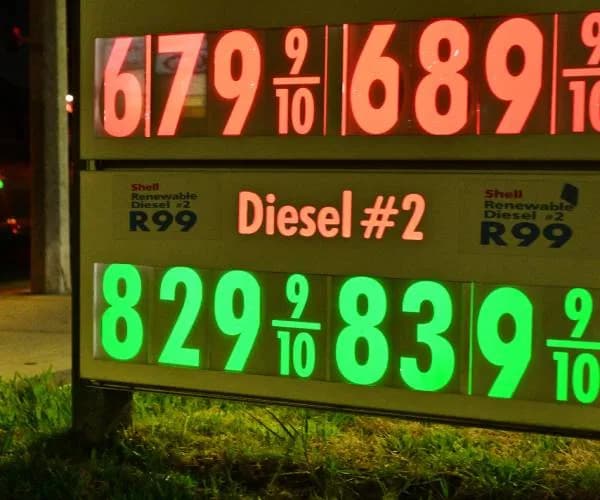
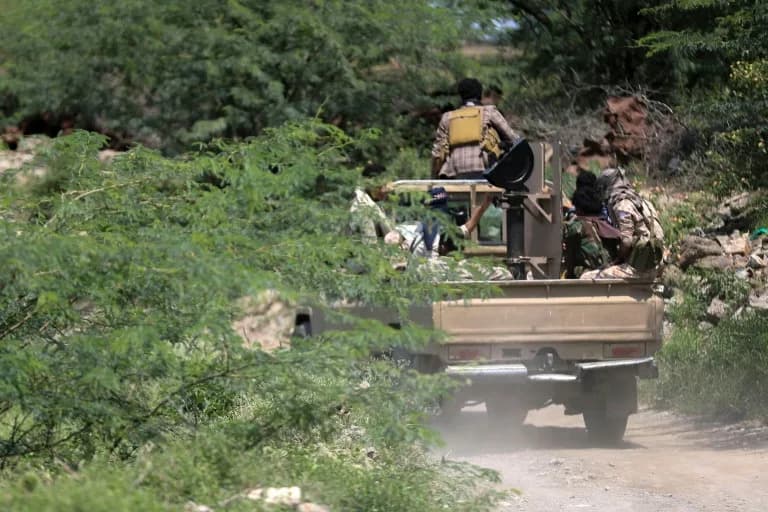
Rising diesel prices are squeezing Midwest farmers, truckers and school districts as the soybean and corn harvest begins. Regional refinery outages and labor disputes, combined with geopolitical tensions and a drawn-down Strategic Petroleum Reserve, have pushed diesel up by more than $3 per gallon year‑on‑year in parts of the Midwest. Schools are consolidating bus routes and cutting trips, while farmers adopt no‑till practices to reduce fuel use but still face sharply higher operating costs.
Soaring Diesel Costs Strain Midwest Farmers, Truckers and Schools as Harvest Begins
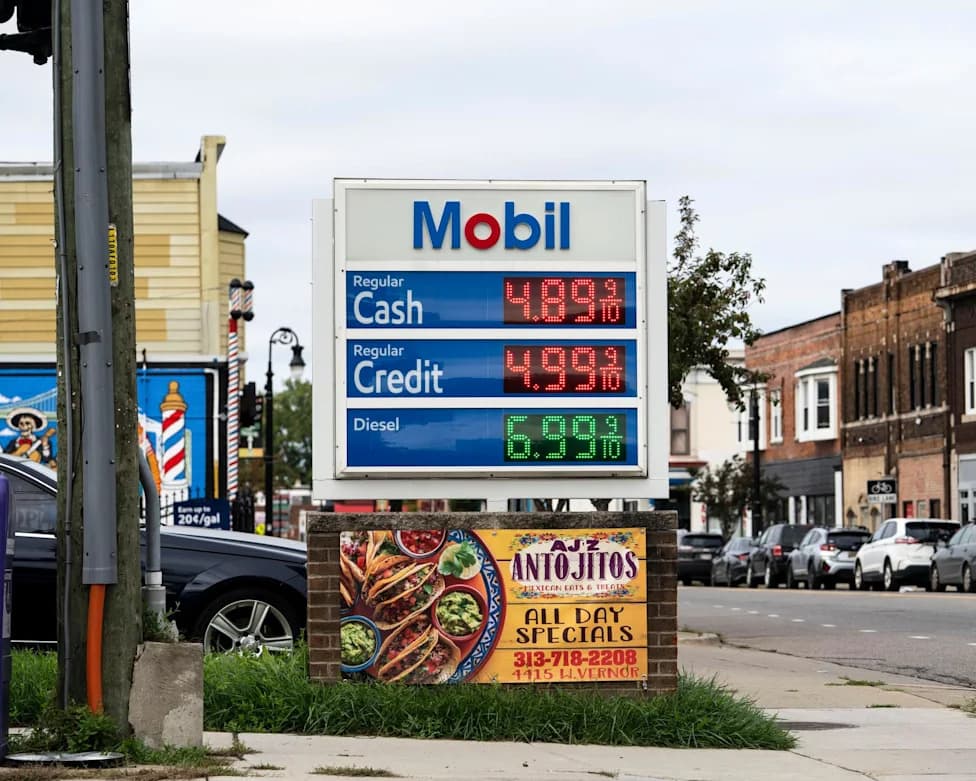
Fuel prices at a gas station in Detroit, Michigan, on 22 September 2026.Photograph: Sarah Rice/Getty Images
Joe Hamilton farms corn and soybeans on 2,500 acres in Delaware County, Indiana. As his soybean harvest begins next week, four tractors, two combine harvesters and five semi-trucks will roar to life — and with them comes an unusually large fuel bill: roughly 9,000 gallons of diesel for the season.
Harvest Fuel Bills Soar
"During harvest we use about 300 gallons of diesel per day, and we have around 30 harvest days in a typical fall," Hamilton says. Across the eastern Corn Belt, combines that consume large volumes of diesel are already rolling into fields as growers confront record-high diesel prices. An estimated 20 billion bushels of soybeans and corn (about 522 million metric tons) are due to be harvested in the Midwest between now and the end of November.
Analysts estimate that geopolitical pressure from the war with Iran, damage to Russian refineries and regional supply disruptions could add roughly $12,500 in extra fuel costs for every 1,000 acres harvested. Farmers say the higher fuel bill compounds other rising input costs — seed, fertilizer, chemicals and equipment — even as commodity prices have risen.
Regional Supply Problems and Price Spikes
Four of the five states that saw the biggest weekly diesel price increases in September were in the Midwest — Illinois, Michigan, Ohio and Indiana — with diesel up more than $3 per gallon year‑on‑year in parts of the region. Local outages and labor disputes have tightened regional supplies: a power outage and flooding at ExxonMobil's Joliet, Illinois, refinery forced a shutdown that removed more than 80 million gallons of diesel and gasoline from the market for over a week. A prolonged labor dispute at BP's Whiting, Indiana, refinery has also contributed to price pressure.
"The Midwest is different from the coasts or even the Gulf, primarily in the lower number of oil refineries and how it can respond in times of crisis. If you have water access you can bring tankers in with additional oil," says Kurt Lykins, a lecturer at Otterbein University. "So it's hard for the Midwest to respond."
Strategic Petroleum Reserve And The Outlook
Lykins and other observers point to the status of the Strategic Petroleum Reserve (SPR) as an additional concern. The SPR, stored in salt caverns in Texas and Louisiana with a design capacity of 714 million barrels, is at its lowest level in 43 years after a drawdown of about 172 million barrels. Drawing from the reserve has helped stabilize prices, but replenishing it will absorb supply and could keep downward pressure on pump prices limited even if other conditions ease.
Adding to long-term uncertainty, a Government Accountability Office report in May warned that several SPR caverns in Louisiana may face reduced capacity because of stability concerns related to a recently decommissioned neighboring cavern.
Schools, Trucking And Communities Feel The Pain
Large diesel consumers across the Midwest are scrambling to cut costs. In Ohio, roughly 15,000 school buses — most diesel-powered — transport about 800,000 K-8 students each school day. The Columbus City School District, already facing a potential $157 million shortfall by 2031, has cut nearly 300 jobs, closed four schools and limited bussing as part of recent budget measures.
"I believe we are contracted through 2027, so no major changes are being put in place at this time," says Michael S. Brown of the Columbus district. "That said, we are constantly looking at bussing as a budget issue, at more than $70 million total cost per year. I expect there will be transportation changes in the next budget." A national survey from May found nearly 40% of participating districts have consolidated routes to save diesel costs and about 20% have cut non-essential trips such as field trips.
How Farmers Are Responding
On farms, growers are reducing fuel use where possible. Hamilton says adopting no-till practices and cover crops has cut his annual fuel use to roughly two to four gallons per acre, down substantially from full-tillage operations. Still, limited on-farm fuel storage means he will need to buy more diesel as the harvest stretches into the season's end, and nearly half his fleet consists of semi-trucks that run on higher-cost on-road diesel rather than red-dyed agricultural diesel.
"Fuel is about $3 more than it was 12 months ago. Soybeans are $12.88 per bushel now versus $10.14 last year, and corn is $5.23 versus $4.22 a year ago," Hamilton says. Those margins matter: higher fuel costs can erode profitability even when commodity prices rise.
What Comes Next
Observers caution that elevated diesel prices are unlikely to disappear quickly. Even in a best-case recovery, rebuilding the Strategic Petroleum Reserve will absorb supply and could slow a return to lower consumer prices. For farmers, school districts and regional businesses, the next months — including high winter diesel demand — will test budgets and spur continued fuel‑saving measures.
Help us improve.