CRISPR gene editing is transitioning from lab research to clinical application, with the first FDA‑approved sickle cell therapy in 2023 and successful human treatments reported in 2025. A Cleveland Clinic study found a CRISPR therapy halved harmful lipids for nearly a year. Major barriers remain, especially high costs (up to $2.2M per course), complex delivery infrastructure, and the need for greater public awareness and investment.
Where CRISPR Stands Now: Breakthroughs, Promise and Practical Barriers

The technology can significantly augment precision medicine and therapeutics in the coming decades.getty
CRISPR gene editing is moving steadily from laboratory discovery into real-world medicine, offering new ways to treat inherited and acquired diseases. The platform lets researchers precisely alter DNA at specific genomic sites, creating permanent changes to an organism’s genetic code and expressed traits.
Clinical Milestones
One landmark advance involved sickle cell disease (SCD). Researchers used CRISPR to edit blood stem cells to increase fetal hemoglobin production, reducing red-cell sickling. That approach became the first gene therapy for SCD to receive U.S. Food and Drug Administration approval in 2023.
Another important case came in 2025, when a CRISPR-based therapy was used to treat an infant with carbamoyl phosphate synthetase 1 (CPS1) deficiency, a rare metabolic disorder. After two infusions clinicians reported clear clinical improvement compared with baseline.
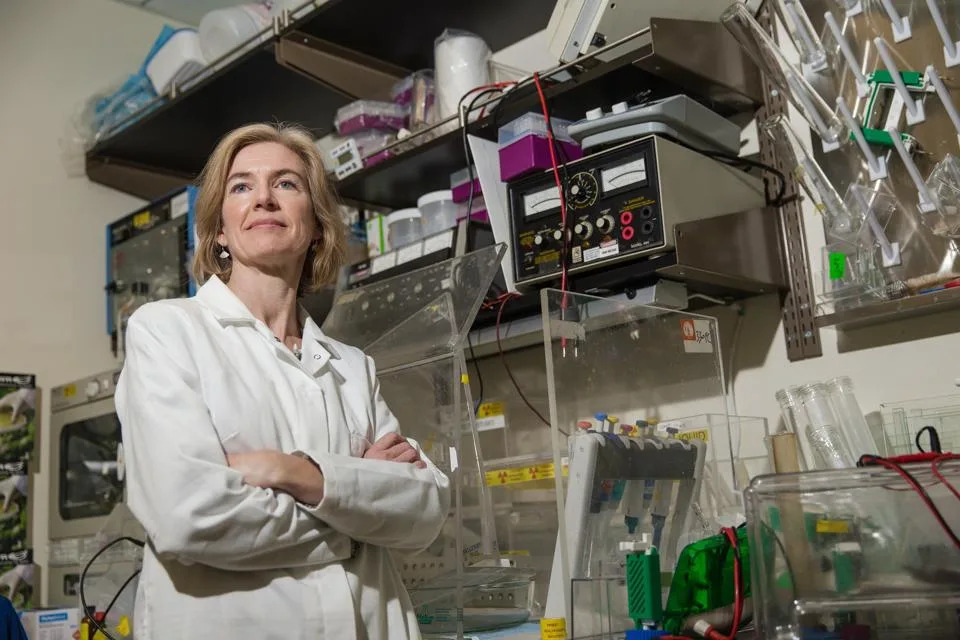
BERKELEY, CA - FEBRUARY, 19: Jennifer Doudna, inventor of the revolutionary gene-editing tool CRISPR, photographed in the Li Ka Shing Center on the Campus of the University of California, Berkeley. (Nick Otto For The Washington Post via Getty Images)
"In the 7 weeks after the initial infusion, the patient was able to receive an increased amount of dietary protein and a reduced dose of a nitrogen‑scavenger medication to half the starting dose, without unacceptable adverse events and despite viral illnesses," the authors wrote in The New England Journal of Medicine.
More recently, a Cleveland Clinic study reported that a newly designed CRISPR therapy reduced so‑called "bad" cholesterol and triglycerides by roughly half for nearly a year in treated patients — a result that could have major implications given the global burden of cardiovascular disease.
Why These Advances Matter
CRISPR’s successes illustrate how gene editing can address both rare, life‑threatening conditions and common chronic diseases. Figures such as Jennifer Doudna, a co‑inventor of CRISPR technology, have helped bring public attention to these possibilities.
Main Challenges
Despite promising results, several barriers limit broad adoption:
- Cost: Developing and delivering safe, durable gene‑editing therapies is resource intensive. Reported treatment courses can cost up to $2.2 million, making cost‑effectiveness a central concern.
- Delivery and Infrastructure: CRISPR therapies are not simple, mass‑produced pills. They often involve complex ex vivo or in vivo processes, specialized manufacturing, and coordinated clinical networks to administer and monitor individualized treatments.
- Awareness and Access: Many patients and policymakers remain unfamiliar with CRISPR’s potential and limitations. Greater public understanding can drive funding, informed policy decisions, and equitable access.
Outlook
CRISPR has progressed from proof‑of‑concept studies to approved therapies and noteworthy clinical case reports. If costs, delivery hurdles, and policy challenges can be addressed, gene editing could deliver transformative benefits to millions. Continued investment, collaboration between researchers and clinicians, and public engagement will be essential to realize that promise.
Help us improve.