A one-time experimental gene-editing injection halved LDL-C levels within six months in a six-person Chinese trial, with the highest-dose group showing a 74% drop in PCSK9 activity and a ~52% fall in LDL-C. Reported side effects were mild and transient, and participants will be followed for up to 15 years. A separate Cleveland Clinic trial targeting ANGPTL3 produced comparable lipid reductions, but larger studies are needed to confirm safety and long-term benefit.
One-Time Gene-Editing Shot Halves 'Bad' Cholesterol in Small Chinese Trial
Scientists develop single jab to cut ‘bad’ cholesterol levels by half
A single administration of an experimental gene-editing injection reduced levels of low-density lipoprotein cholesterol (LDL-C), commonly known as 'bad' cholesterol, by roughly half within six months in a small Chinese clinical trial, researchers report.
Trial Details and Results
Investigators at Shanghai Jiao Tong University enrolled six adults aged 34 to 62 with confirmed familial hypercholesterolemia, a hereditary condition that causes very high blood lipid levels and greatly increases heart-attack risk. The team observed a marked decline in participants' LDL-C after one treatment, with the highest-dose subgroup showing the largest effects.
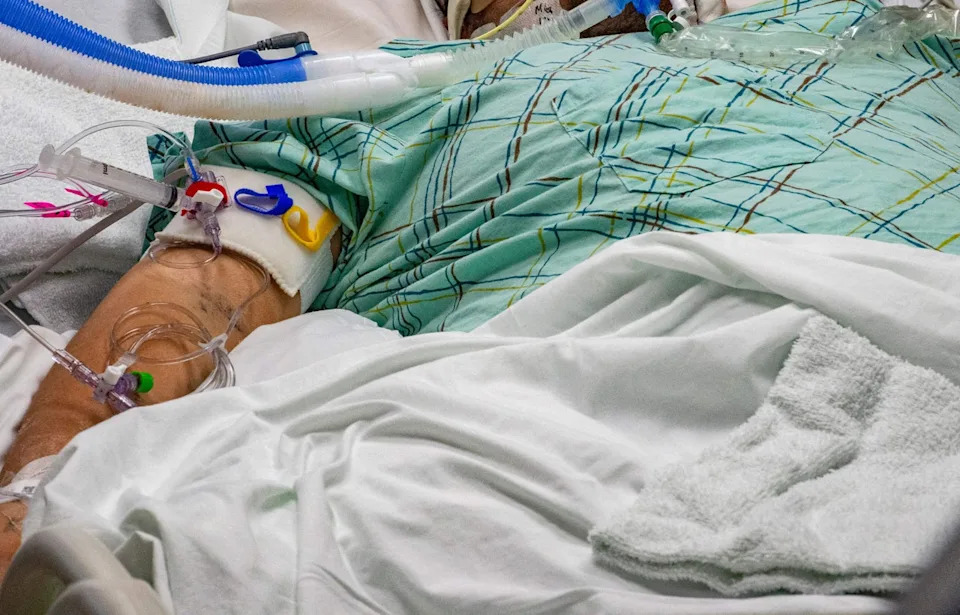
Medical workers treat an intubated patient (AFP via Getty Images)
Top-dose results: Three participants who received the highest dose demonstrated a 74% reduction in PCSK9 activity and about a 52% reduction in LDL-C within six months of treatment. Some volunteers reported brief, mild side effects such as fever and muscle aches that resolved within 24 hours. No serious adverse events were reported during the initial observation period.
How the Therapy Works
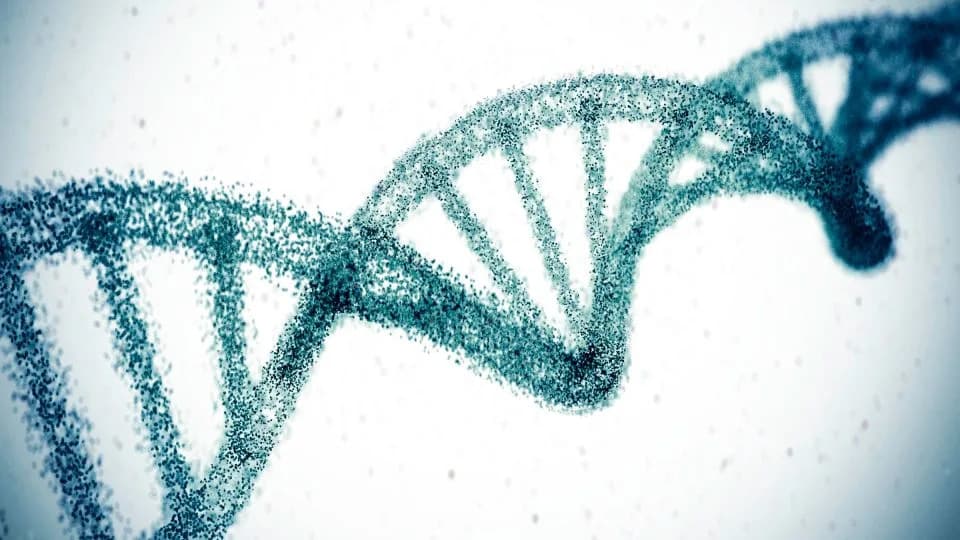
The approach targets the liver gene PCSK9, which, when overactive, reduces the liver's ability to remove LDL-C from the bloodstream. Researchers re-engineered an enzyme originally derived from the bacterium Hafnia paralvei so it can recognise and edit specific human DNA sequences in liver cells to lower PCSK9 activity.
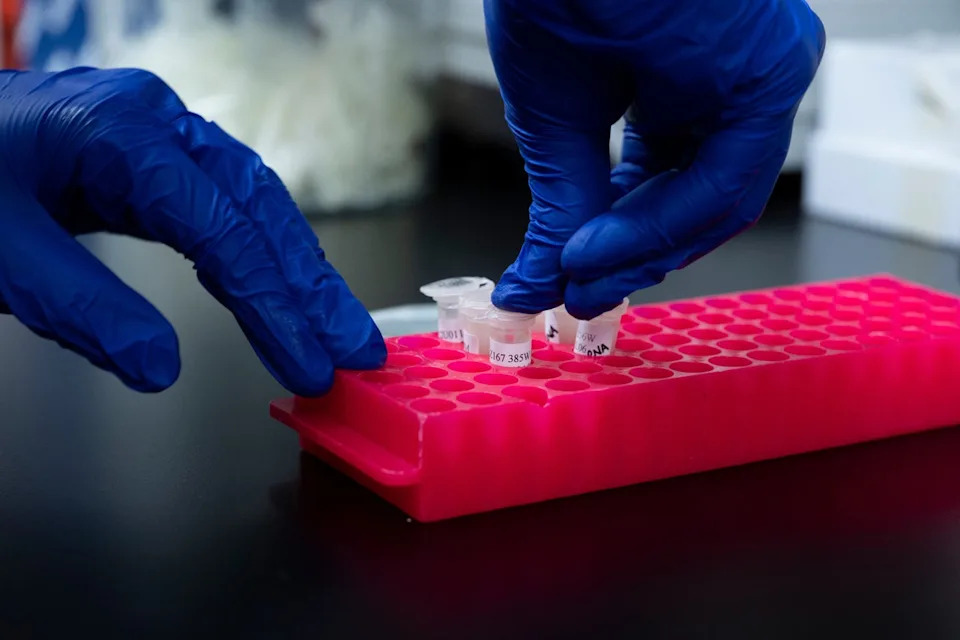
Gene editing study for treating sickle cell disease in rhesus monkey (AFP via Getty Images)
Related Research
Separately, researchers at the Cleveland Clinic tested a different one-time gene-editing strategy that targets ANGPTL3. In that small trial, four participants given the highest dose experienced a similar 52% decline in LDL-C and a 48% fall in triglycerides. ANGPTL3 inhibition is grounded in genetic observations that people with natural loss-of-function ANGPTL3 variants have very low blood lipids and a low incidence of coronary disease.
Safety, Limitations and Next Steps
Participants in the Chinese trial are scheduled for long-term follow-up of up to 15 years to monitor safety and durability of effect. Experts caution that these results are early and based on a very small number of participants; larger, longer trials are needed to confirm efficacy, define optimal dosing, and detect less common adverse effects. If future studies confirm safety and durable benefit, one-time gene-editing therapies could become an important option for people with severe inherited lipid disorders.
Bottom line: Promising early results show a one-time gene-editing injection can significantly lower 'bad' cholesterol in people with familial hypercholesterolemia, but further research is required before this becomes a routine treatment.
Help us improve.