Charité in Berlin has treated Germany's first patient with a CRISPR-based therapy: 19-year-old Mohammad, who no longer requires regular blood transfusions after receiving Exagamglogene Autotemcel (Casgevy) in May 2026. The EU authorised Casgevy in 2024 for eligible patients aged 12 and older with sickle cell disease or beta-thalassaemia. Doctors report immune-system regeneration and improved clinical status, but experts warn the therapy is complex, costly and likely to remain limited in availability. Ongoing monitoring will continue through an expected 12-month follow-up to evaluate safety and durability.
Germany's First Patient Treated With CRISPR Drug: 19-Year-Old No Longer Needs Transfusions
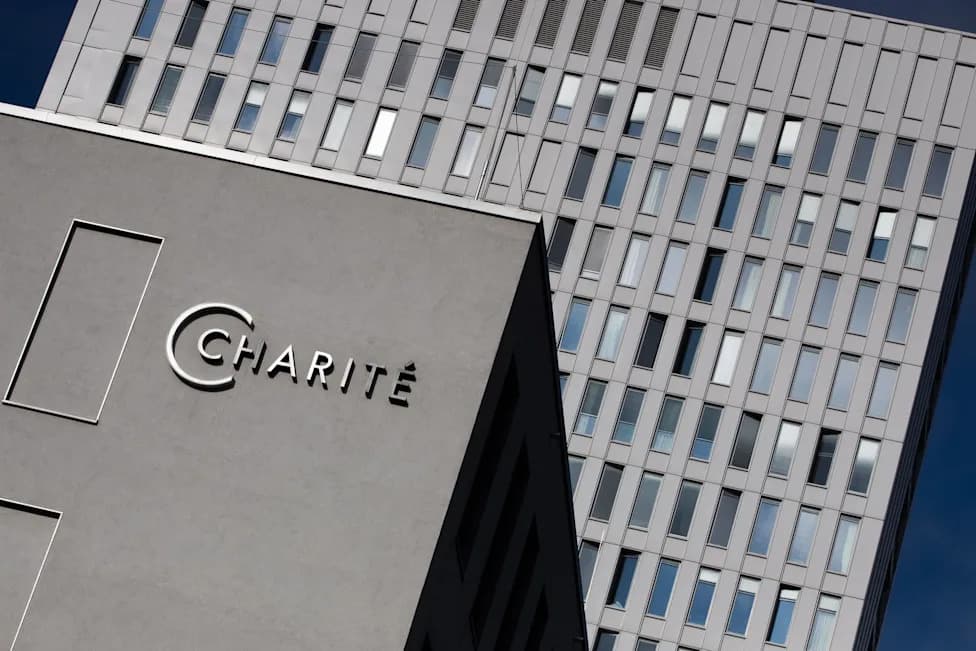
FILE PHOTO - An exterior view of Charité hospital in Berlin. (is associated with: «First patient in Germany treated with gene-editing technology») Christoph Soeder/dpa
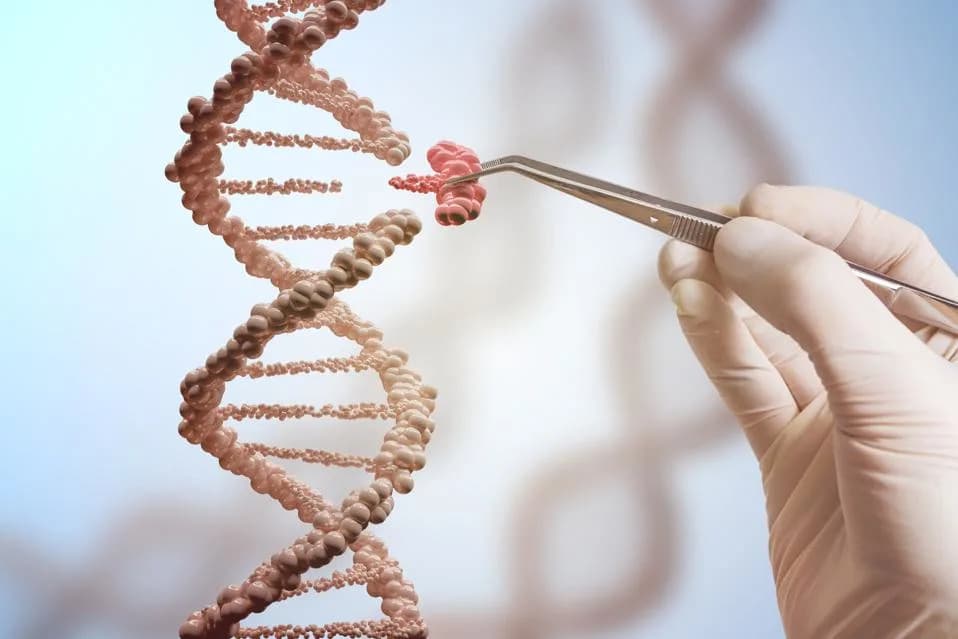
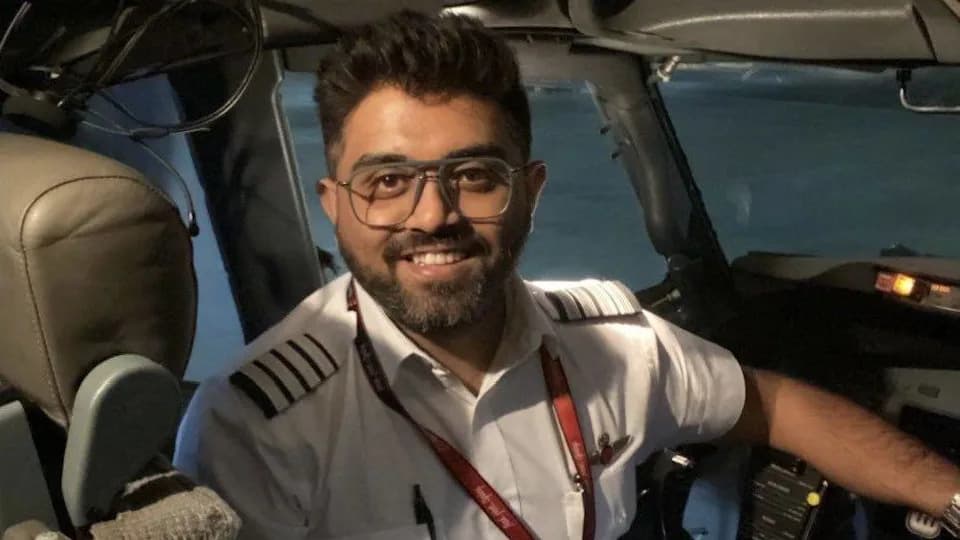
A 19-year-old patient identified as Mohammad has become the first person in Germany to receive a CRISPR-based gene-editing therapy, Charité medical school and hospital in Berlin announced. The treatment, administered in May 2026, used Exagamglogene Autotemcel (marketed as Casgevy) and has so far freed him from regular blood transfusions.
Patient Outcome and Treatment Details
According to Charité, Mohammad's immune system has shown signs of regeneration and his clinical condition has improved markedly. Doctors will continue to monitor him closely over an expected 12-month course of follow-up to track durability and safety.
About the Drug
Exagamglogene Autotemcel, sold under the trade name Casgevy, is a CRISPR-based cell therapy that was authorised in the European Union in 2024 for certain patients aged 12 and older with sickle cell disease and beta-thalassaemia. The treatment involves editing patient stem cells to correct defects related to hemoglobin production.
What Is Beta-Thalassaemia?
Beta-thalassaemia is an inherited blood disorder caused by defects in the hemoglobin gene. Hemoglobin is the iron-containing protein in red blood cells that carries oxygen. Severe forms of the disease can cause profound fatigue, recurrent pain, delays in physical and cognitive development, and iron overload that progressively damages organs.
Globally, about 60,000 children are born each year with severe beta-thalassaemia. Many require blood transfusions about every three weeks to survive, a regimen that carries long-term risks such as iron accumulation and organ injury.
Alternative Treatments and Limitations
A stem cell transplant can be curative but is typically restricted to younger patients (often under roughly 14 years old), which made Mohammad ineligible. The CRISPR-based option offers an alternative for older patients but is complex, resource-intensive and likely to remain available only to a limited number of patients for the foreseeable future.
"Mohammad's immune system has also regenerated, and he's currently doing really exceptionally well," Charité said in its statement.
Scientific Recognition and Expert Cautions
The CRISPR technique used in this approach was developed in part by Emmanuelle Charpentier and Jennifer Doudna, who received the Nobel Prize in Chemistry in 2020. While the therapy marks a milestone, some experts caution that long-term safety, cost, infrastructure demands and equitable access remain major challenges.
Next Steps: Clinicians will continue monitoring Mohammad through the remainder of the 12-month follow-up period and beyond to assess the longevity of treatment benefits and any late effects.
Help us improve.