Biologists warn that unusually warm water in the Sacramento River could kill about 20% of Chinook salmon eggs, with the river warming further since a Sept. 4 survey. Eggs struggle to develop above 53.5°F. Environmental groups blame cold-water releases from Shasta Lake, while the Bureau of Reclamation says it followed a coordinated temperature-management plan. Ongoing monitoring, legal challenges and reservoir operations will shape next steps to protect spawning salmon.
Sacramento River Heat Could Kill One-Fifth of Chinook Salmon Eggs, Threatening Jobs and Fisheries
Photo Credit: iStock
California biologists warn that unusually warm water in the Sacramento River may kill roughly 20% of Chinook salmon eggs in parts of the river, a loss that could ripple through local fishing jobs, coastal economies and the river's ecological health.
Survey and Temperature Risk
In a field survey on September 4, state biologists estimated that about one in five Chinook eggs in key spawning reaches could be lost to high water temperatures, and the river has warmed further since that inspection. Chinook eggs require cold water to develop properly; once river temperatures rise above 53.5°F many eggs fail to hatch.
Dispute Over Water Management
Environmental advocates say federal managers released too much water from Shasta Lake to support Central Valley agriculture, depleting the reservoir's cold-water pool that normally cools a critical spawning reach below Shasta Dam. Jon Rosenfield, science director of the nonprofit San Francisco Baykeeper, said:
"The fish are not being protected. We know that those eggs are getting cooked."
Federal officials reject claims of mismanagement. Peter Soeth, a spokesman for the U.S. Bureau of Reclamation, said the bureau is operating Shasta under a temperature-management plan developed with state and federal fishery agencies and that it is complying with the Endangered Species Act.
Jackie Carpenter of the State Water Resources Control Board said the board objected to the federal temperature plan in June and warned that climate change—by shrinking snowpack—reduces the reservoir's cold-water supply.
Broader Context and Impacts
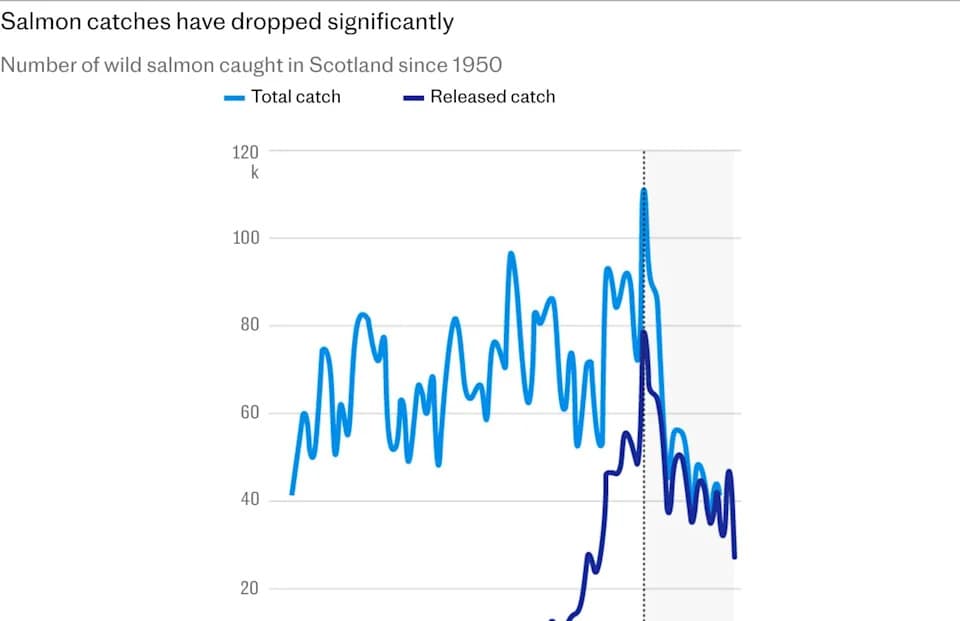
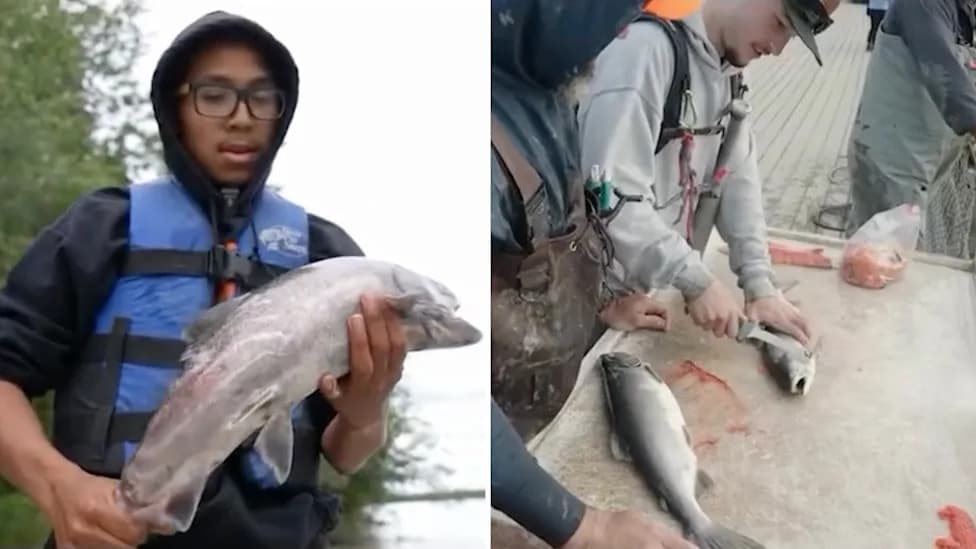
For decades, dam construction, warming temperatures and intensified drought have reduced access to historic spawning habitat and stressed salmon populations. Regulators closed commercial salmon fishing from 2023 through 2025 after fall-run Chinook counts fell too low, and fishing crews and coastal businesses continue to feel the economic impact.
Barry Nelson, an adviser with the Golden State Salmon Association, faulted earlier water operations for severe losses during the 2020–2022 drought: "The Bureau of Reclamation practically sterilized the Sacramento River. They killed virtually all the juvenile salmon." Wetter winters in 2023–2025 helped returns recover enough for limited fishing, but another season of lethal temperatures could erase those gains.
Legal and Management Outlook
San Francisco Baykeeper is among three environmental groups that sued the Trump administration in federal court, arguing its river-temperature management violated the Endangered Species Act. The litigation and ongoing monitoring may determine how much cold water is withheld in Shasta Lake to protect future spawning seasons.
Some experts urge caution before assigning blame. Greg Gartrell, former manager at the Contra Costa Water District, said more data are needed to draw definitive conclusions: "It's a complicated situation, and we don't have enough data yet."
What Comes Next
State officials say they continue to monitor temperatures and consider options to protect eggs and juvenile salmon. The coming weeks will be critical for understanding total mortality, shaping operational choices at Shasta Lake, and informing legal and regulatory responses.
Related Developments
- Across the West, salmon have spawned in unusually warm water as flows and oxygen levels dropped.
- Endangered coho made an unexpectedly strong return in a Bay Area creek.
- Northern California saw Chinook moving upstream for the first time in decades.
- Washington state is advancing a broad salmon recovery plan after years of habitat decline.
- In Alaska, warming waters have amplified interactions between salmon and invasive species.
Help us improve.