Summary: The UAE has become a decisive external enabler of Sudan’s civil war by converting gold and strategic investments into financial and logistical leverage for the RSF. Abu Dhabi’s influence rests on four pillars—economic control, political projection, countering perceived ideological threats, and safeguarding regime survival. A coordinated international response should focus on targeted sanctions and asset freezes aimed at the individuals, companies, and channels that move weapons and launder gold, rather than repeat, top-down peace deals that have failed in the past.
How the UAE Is Profiting From and Fueling Sudan’s Devastation
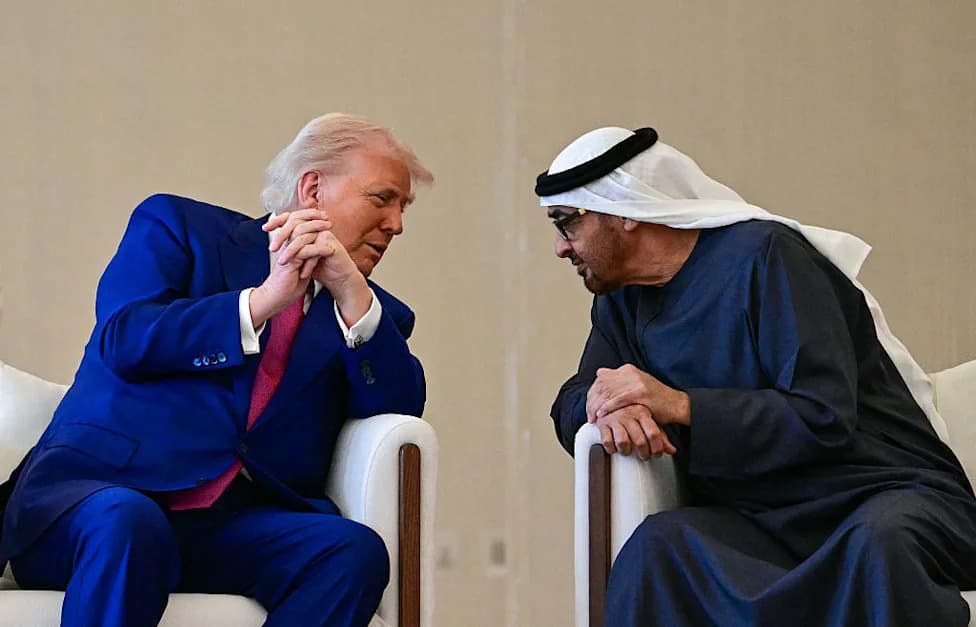
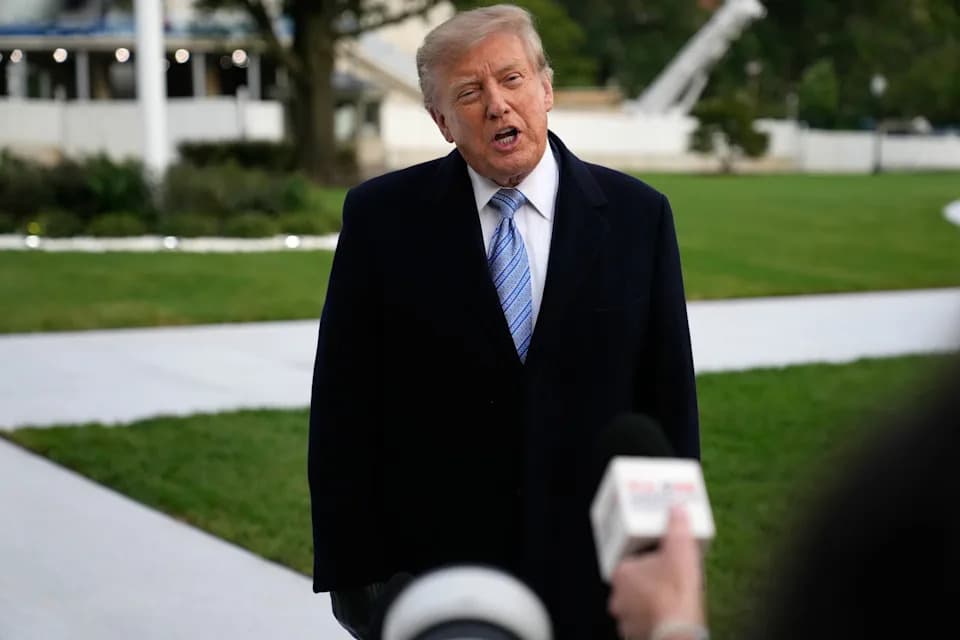
United Arab Emirates President Sheikh Mohamed bin Zayed Al Nahyan welcomes Donald Trump upon arrival at the presidential terminal in Abu Dhabi on May 15, 2025. (Giuseppe Cacace / AFP via Getty Images)
The United Arab Emirates has emerged as a central external actor in Sudan's ongoing civil war, providing financial, logistical, and diplomatic support that has helped sustain fighting and expand the influence of the Rapid Support Forces (RSF). This article explains the mechanisms of Emirati involvement, the regional network that enables it, and the steps the international community could take to reduce the war’s drivers.
Four Strategic Pillars of Emirati Influence
1. Economic Hegemony
RSF-controlled mines in Darfur produce gold that is routinely smuggled into global markets through routes that often end in Dubai. That gold is converted into hard currency and used to finance arms purchases and salaries, giving Abu Dhabi indirect leverage over Sudan’s economic and political future. Simultaneously, the UAE’s continent-wide investment strategy—reportedly exceeding $110 billion—includes port concessions, dry ports, and logistics hubs that make Sudan a strategically attractive target.
2. Political Projection
The UAE pursues a subimperial model of influence: projecting power across a region through investments, security partnerships, and political ties rather than formal colonial control. Sudan—with its size, Red Sea coastline, agricultural potential, and mineral wealth—has become an important testing ground for that approach.
3. Countering Islamist Politics and Regional Rivals
Abu Dhabi seeks to blunt political movements it views as threatening—especially Islamist parties and actors aligned with Iran—while remaining willing to cooperate tactically with a range of regimes when it suits its interests. The UAE’s goal is to defend a regional order that favors elite-controlled governance over mass democratic movements.
4. Regime Security and Fear of Democratic Contagion
Since the Arab uprisings of 2011, the UAE has prioritized stability and regime survival across the region. It has supported counterrevolutionary projects in Egypt and Libya and reacted strongly to popular uprisings it believes could inspire similar demands at home or among allied governments. Sudan’s 2018–19 revolution triggered the same concerns in Abu Dhabi.
Networks, Routes, and Regional Partners
Abu Dhabi has developed deep financial and diplomatic ties across Africa. Those links operate through formal investments and, according to multiple reports, covert logistics and security arrangements. The RSF has reportedly received weapons, training, and medical support routed through Libya, Ethiopia, Chad, South Sudan, Rwanda, Uganda, Kenya, and the Central African Republic. In some cases, facilities labeled as humanitarian or medical appear to have supported weapons transfers and the treatment of wounded fighters.
Other External Actors
Numerous outside states also have stakes in Sudan. Egypt, Saudi Arabia, and Eritrea have supported the Sudanese Armed Forces (SAF). Iran and Turkey have provided political and material access to the SAF. Russia—via Wagner—has engaged with Sudan’s gold economy and shifted its orientation between the RSF and the army. Israel has maintained discreet ties with both SAF and RSF leaders. Qatar historically aligned with the former Islamist regime but plays a smaller role today.
Western Governments and Intelligence Warnings
Western governments, including the United States, Britain, France, and Canada, received repeated warnings from human rights organizations and research institutions about impending atrocities—most notably the likely RSF siege of El Fasher. According to public reporting, intelligence and civil-society briefings made clear the risks, yet decisive measures to disrupt the supply chains and financial flows enabling the RSF were not taken.
Policy Implications and Recommendations
International mediation that simply redistributes power among armed factions has proven ineffective in Sudan’s recent history. A more actionable role for the international community is to cut off the material support that fuels the conflict. That should include:
- Targeted sanctions on the individuals, companies, and financial channels that move weapons and launder gold;
- Asset freezes and travel bans for identified Emirati-linked facilitators and commercial entities involved in these flows;
- Stronger enforcement of existing arms embargoes, and transparent investigations into transfer chains that violate UN restrictions;
- Support for accountability mechanisms to investigate and prosecute those who enabled mass atrocities.
Conclusion
The evidence suggests that a well-resourced external actor with limited direct security stakes in Sudan has been able to shape the conflict at relatively low cost. If the international community wishes to meaningfully reduce violence and protect civilians, it must move beyond public warnings and impose concrete costs on the networks that sustain the RSF. That means following the money, naming the enablers, and using the tools—sanctions, asset freezes, and legal processes—already at its disposal.
Help us improve.