Thawing tundra in northern Alaska is releasing iron and sulfuric acid into rivers, creating orange, acidic plumes. A study published in AGU Advances found metal concentrations up to 70-fold higher about 60 miles downstream on the Salmon River. First detected in summer 2019, the phenomenon has since been observed in over 200 rivers across Alaska and parts of northern Canada, prompting concerns for fish and other wildlife.
Arctic 'Rusting' Rivers: Thawing Tundra Makes Waters More Acidic Than Mine Drainage

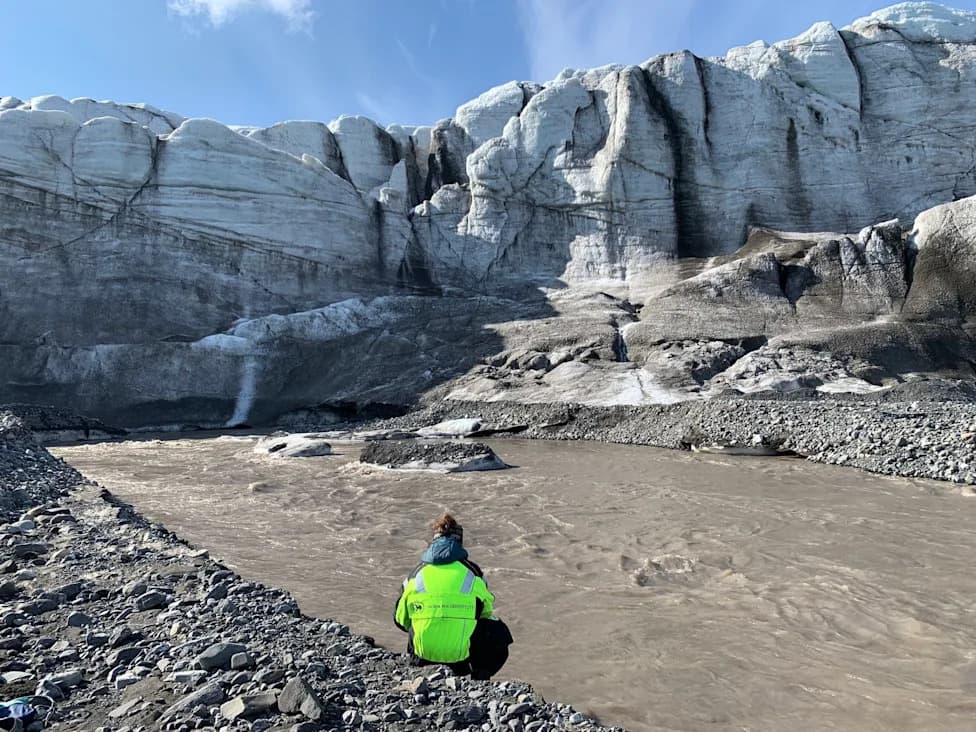
Orange, acidic waters in Alaska's Igning River. Taylor Evinger / UC Davis
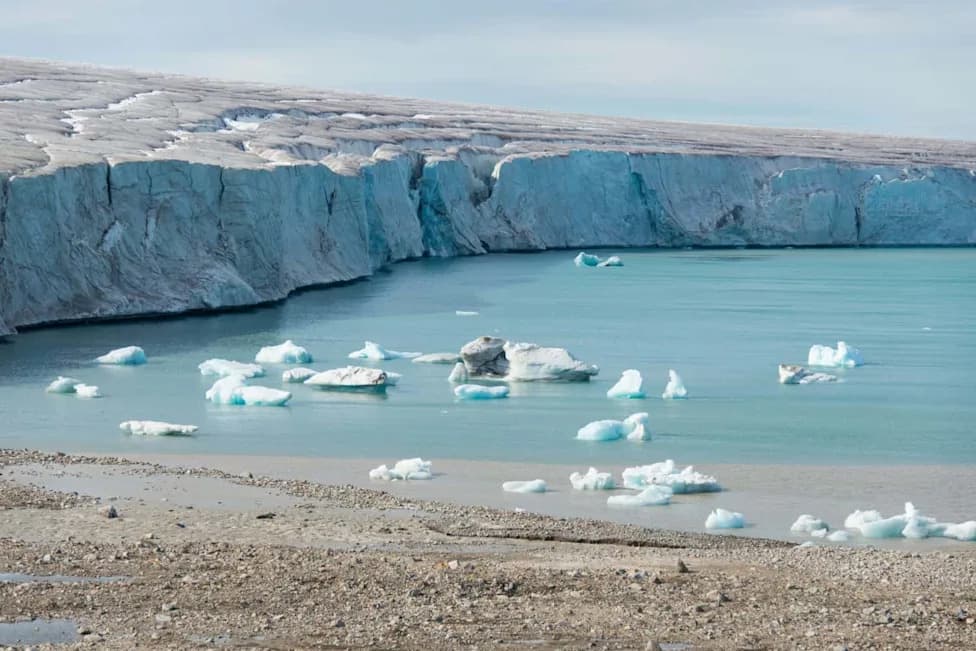
As the Arctic warms and permafrost thaws, minerals that were long locked in frozen soils are washing into rivers — turning stretches of water orange, raising acidity, and elevating metal concentrations. A new study in AGU Advances reports that these "rusting" waters in northern Alaska are in some cases more metallic and acidic than drainage from active metal mines.
What Researchers Found
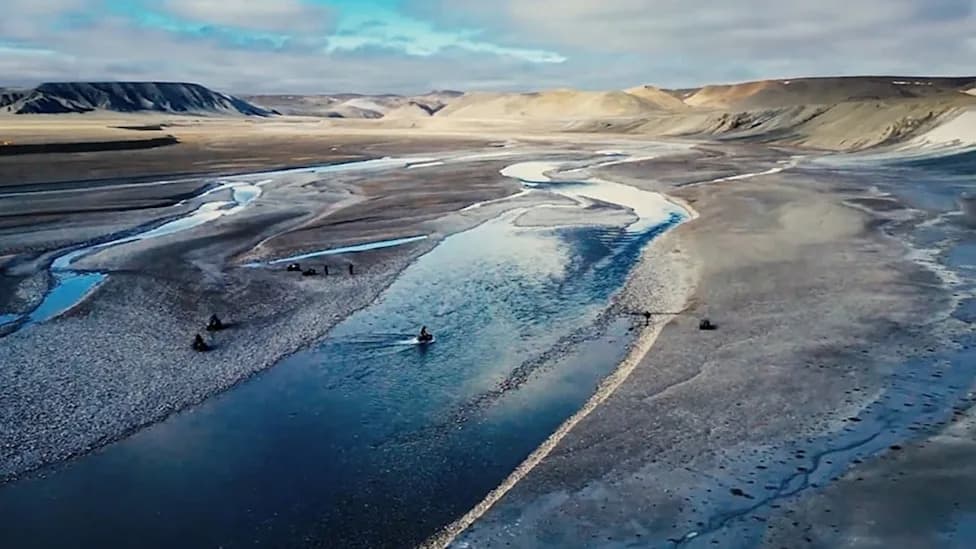
Scientists working in watersheds of the Brooks Range detected large releases of iron and sulfuric acid from thawing tundra. On the Salmon River, downstream measurements showed metal concentrations as much as seventy-fold higher roughly 60 miles from the leaching source. The study links these pulses of metal-rich, acidic water to thawing ground and exposed mineral soils.
Scope, Timing, And Detection
By analyzing historical water-quality records and recent sampling, the research team determined that the phenomenon began in the summer of 2019 — the hottest summer on record in Alaska. Since then, similar orange, acidic plumes have been observed in more than 200 rivers across Alaska and in waterways across much of northern Canada.
Potential Ecological Consequences
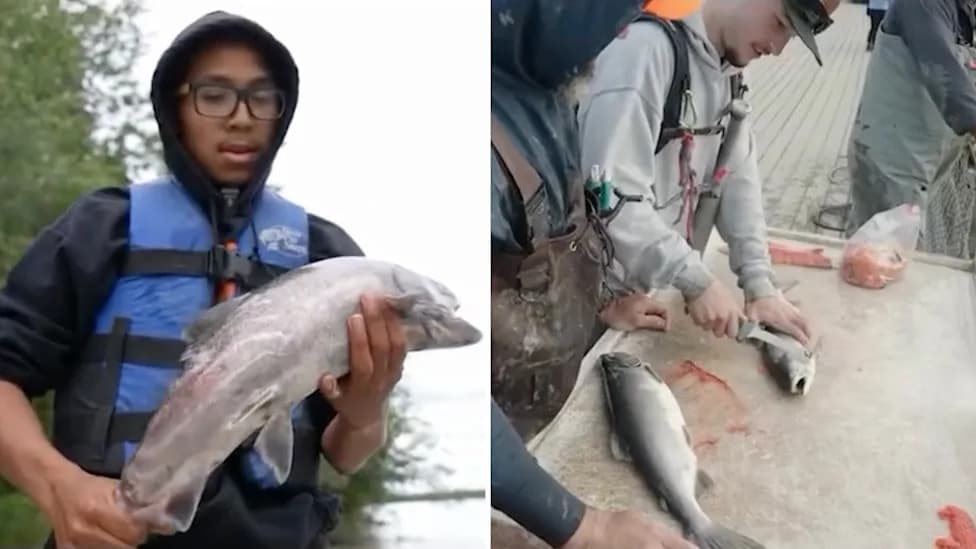
Scientists are only beginning to assess the ecological impacts. There are growing concerns that elevated acidity and metal loads could harm aquatic life, and researchers have raised the possibility that these changes contributed to a collapse of the region's chinook salmon fishery. Long-term effects on food webs, fish reproduction, and water quality for downstream communities remain uncertain.
"This was a process that was not forecast, predicted, or included in any assessment of how the Arctic will change under a warmer climate," said Brett Poulin, a professor of environmental toxicology at UC Davis and a coauthor of the study. "But we're seeing it in rivers across the Arctic."
Why Scientists Are Alarmed
Researchers say this is an unexpected climate-driven pathway by which thawing permafrost can rapidly mobilize metals and acidity into surface waters. The pattern — rapid onset, widespread occurrence, and the intensity of metal increases — means there may be limited time to study, predict, and mitigate impacts before broader ecological consequences unfold.
Next steps include expanded monitoring across northern watersheds, experiments to understand toxicity to fish and invertebrates, and modeling to predict where and when future "rusting" events may occur as the Arctic continues to warm.
Help us improve.