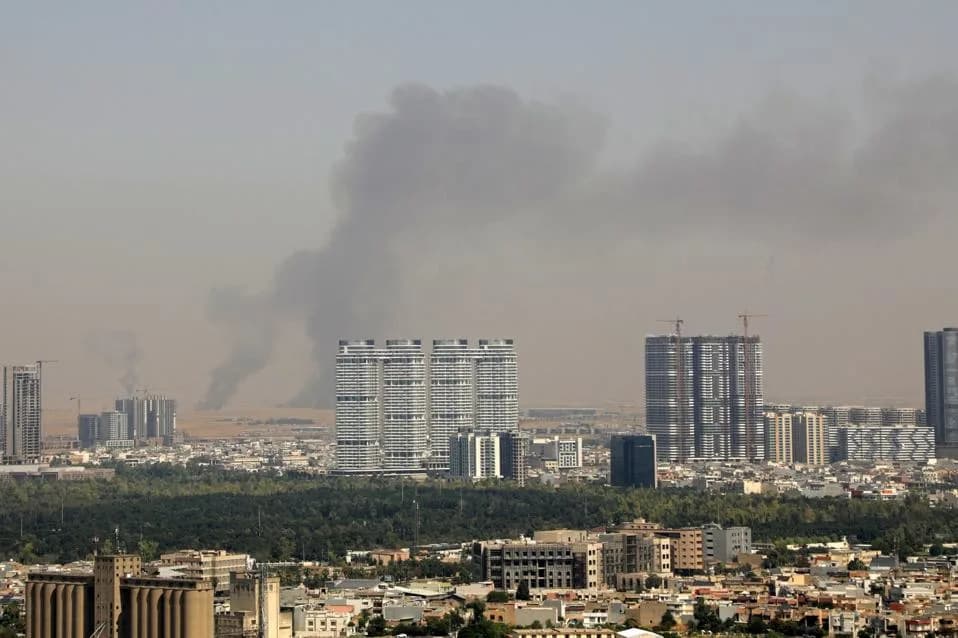
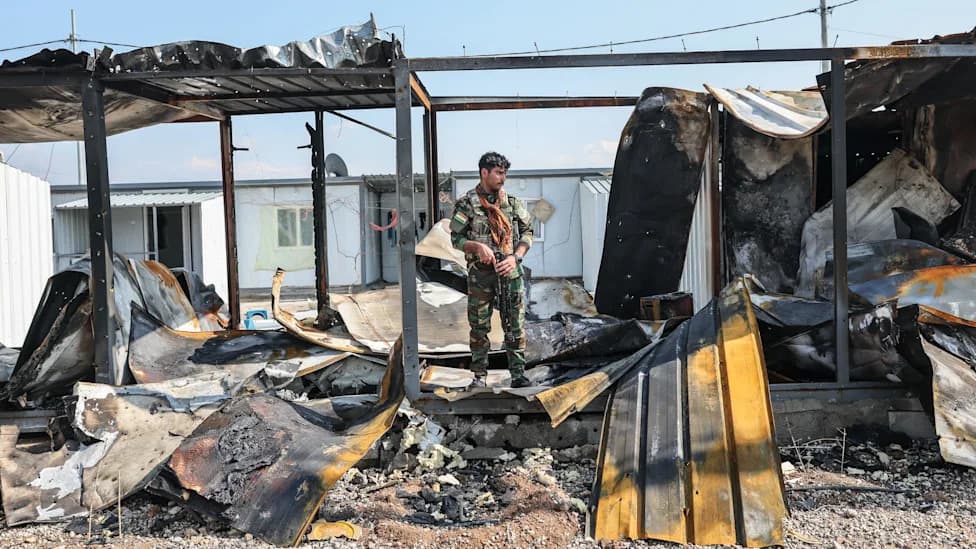
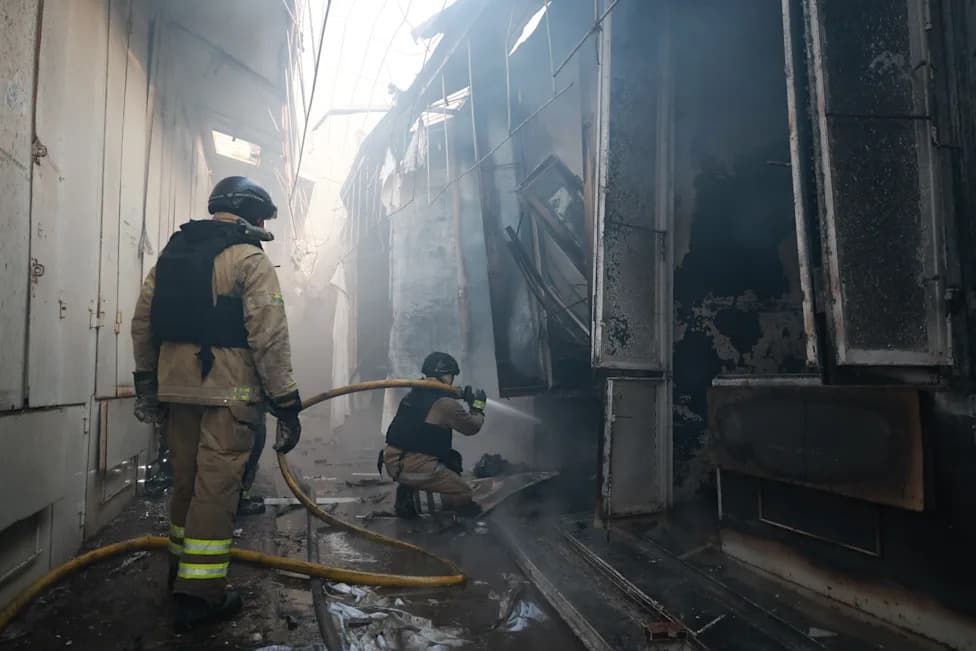
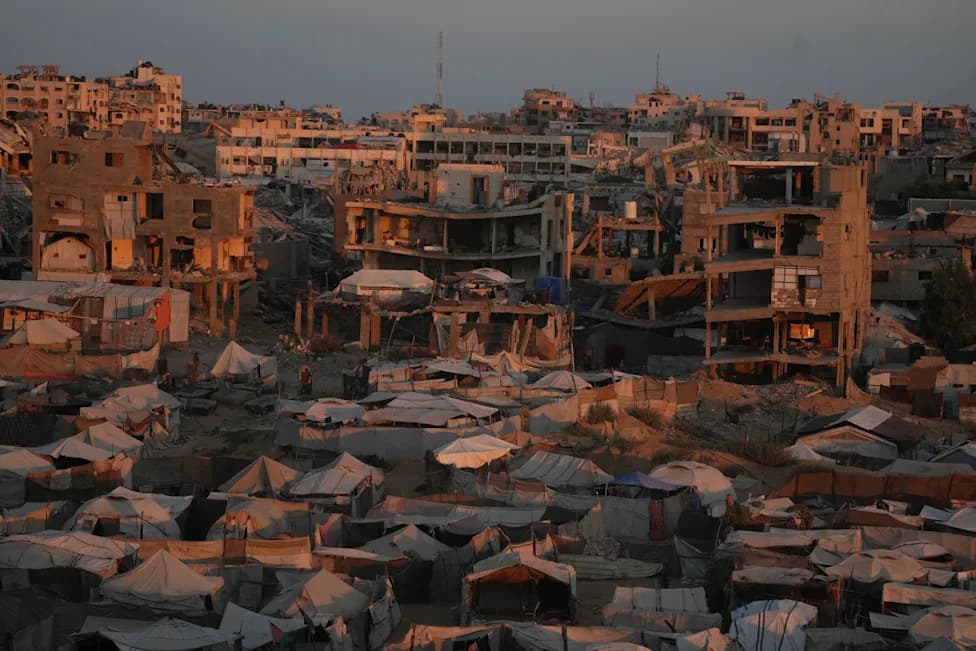
Smoke rose over Erbil after explosions and air-defence activations near the city's airport on 24 July 2026, underscoring a fraught moment for the autonomous Iraqi Kurdistan Region as the U.S.-led coalition completes its scheduled withdrawal this week.
Kurdish leaders say the departing forces will remove layered air-defence systems that have protected Erbil and surrounding areas from repeated Iranian and Iran-backed militia drone and missile strikes, leaving the region exposed. The last coalition personnel had been concentrated in Iraqi Kurdistan after a 2024 agreement with Baghdad required redeployment from federal provinces in 2025.
A Growing Vulnerability
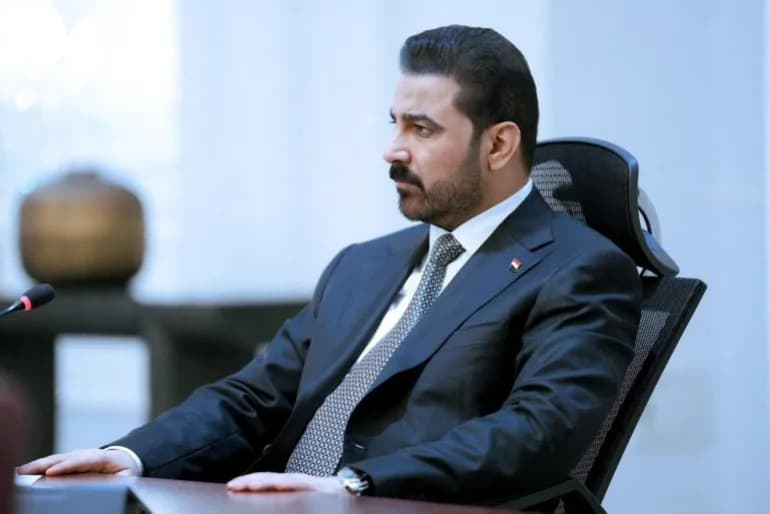
"The threat is real — we are vulnerable, we are being attacked," Prime Minister Masrour Barzani told the Financial Times in an interview. He warned that leaving the Kurdistan Region without an "appropriate defensive system" would render it dangerously exposed. Barzani's media office later clarified that the FT headline and some interpretations did not fully reflect the nuance of his remarks, while reaffirming his core point: removing allied air-defence cover increases the region's vulnerability.
What the Coalition Provided
Coalition platforms stationed in Iraqi Kurdistan created a multilayered shield that intercepted many incoming projectiles aimed at Erbil International Airport and nearby civilian areas. Point-defence assets included U.S. C-RAM and Raytheon Coyote interceptors and the U.K.'s Rapid Sentry system to counter drones, while a U.S. Patriot battery provided ballistic-missile coverage (the Patriot has since been relocated to Jordan).
During Iran's first direct strike on Israel in April 2024, a Patriot battery in Erbil intercepted an Iranian ballistic missile over Kurdistan that was headed toward the region. Coalition air assets, including French fighters operating from regional bases, also helped intercept aerial threats targeting the city.
Limits Of Local Defenses
The Peshmerga remain the primary ground force in the Kurdistan Region, with tens of thousands of troops who proved their capability against ISIS in the 2010s. However, they lack the equipment and doctrine to defend against prolonged drone campaigns or to intercept ballistic missiles. Because Iraqi Kurdistan is not a sovereign state, it faces legal and political barriers to acquiring advanced air-defence systems independently and has depended on allied assets that are now being removed.
Baghdad's Role And Regional Implications
With coalition platforms gone, Erbil must rely on the Iraqi federal government for aerial defence. Baghdad is procuring South Korea's Cheongung-II medium-range systems and has indicated purchases from Turkey and France, but it remains unclear whether and when those systems will be shared with the Kurdistan Region or whether they can replicate the coalition's layered coverage.
"When we are prevented from purchasing adequate weapons that are needed against these incoming missiles and drones and sophisticated systems, then of course, we are deliberately becoming vulnerable, becoming weaker," Barzani told the FT.
The risk is not purely local. Analysts note that removing coalition air-defence layers in Kurdistan alters security calculations along corridors used repeatedly by Iranian missiles and drones, with potential implications for Jordan, Syria and, to a degree, Israel.
History And New Threats
Historical precedent amplifies concerns. After U.S. forces withdrew fully in 2011, Baghdad's central government — then led by Nouri al-Maliki and closely aligned with Iran — pressed Kurdish authorities politically and militarily. In 2014, when ISIS surged across northern Iraq, the Iraqi Army largely collapsed and the Peshmerga alone bore the brunt of the ground defence, suffering heavy casualties as the U.S. returned with airstrikes to blunt ISIS advances.
Today's strategic environment differs: Iran-backed militias now possess more advanced, longer-range drones and missile capabilities supplied by Tehran, which they have repeatedly used against Iraqi Kurdistan. Around 1,000 drones and missiles have been launched into the region in recent campaigns, many aimed at Erbil and the airport where coalition forces were based.
Civilian Concerns
The Kurdish public is divided. Some residents fear the region will be left defenceless against sustained aerial attacks; others argue that fewer foreign troops could remove a pretext for attacks. Minority communities that previously sought refuge in Kurdistan during the ISIS era — including some Christian families from Nineveh — have reportedly begun re-relocating to the region again, citing fears that militias could be emboldened by the coalition's exit.
Prime Minister Barzani and other Kurdish leaders have urged the international community and Baghdad to ensure that Kurdistan retains effective air-defence protection. "If the security situation deteriorates, it might call on the international community to come back to this region to assist and stabilize the region," Barzani said. "But they could do it now — without really waiting for things to get worse before they get better."
These are tense times in Iraqi Kurdistan as regional and local actors weigh the implications of a diminished external air-defence umbrella.
This article was originally published on Forbes.com.