Delcy Rodríguez, Venezuela's interim president, vowed at the UN General Assembly that elections will be held as part of a transition to "full democracy," but offered no date. She assumed power after Nicolás Maduro was captured and flown to New York on drug‑trafficking charges and has secured support from the Trump administration. Rodríguez praised renewed US‑Venezuela dialogue and cooperation on energy and security, while President Trump touted a major oil deal and condemned Maduro. US officials, including Senator Marco Rubio, urged a staged political transition to rebuild institutions before holding credible elections.
Venezuela Interim President Promises Elections Amid Transition — No Date Set
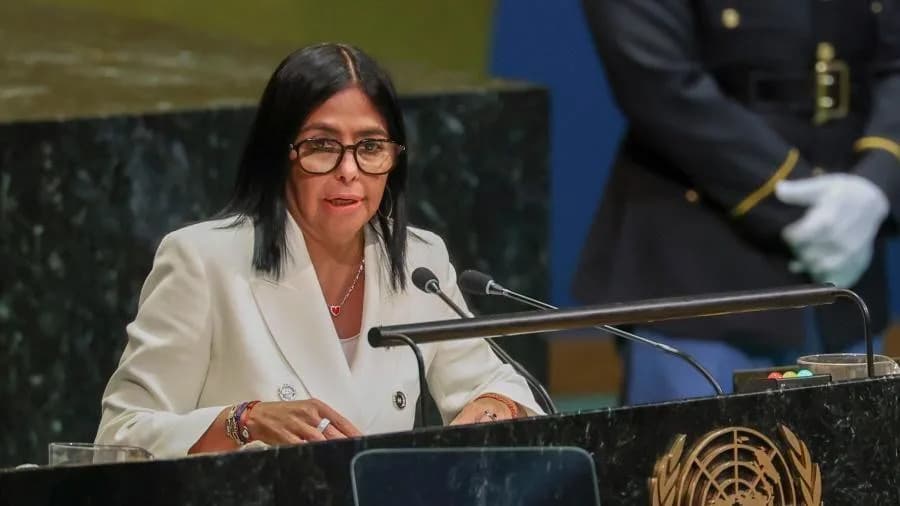
[Sarah Yenesel EPA/Shutterstock]
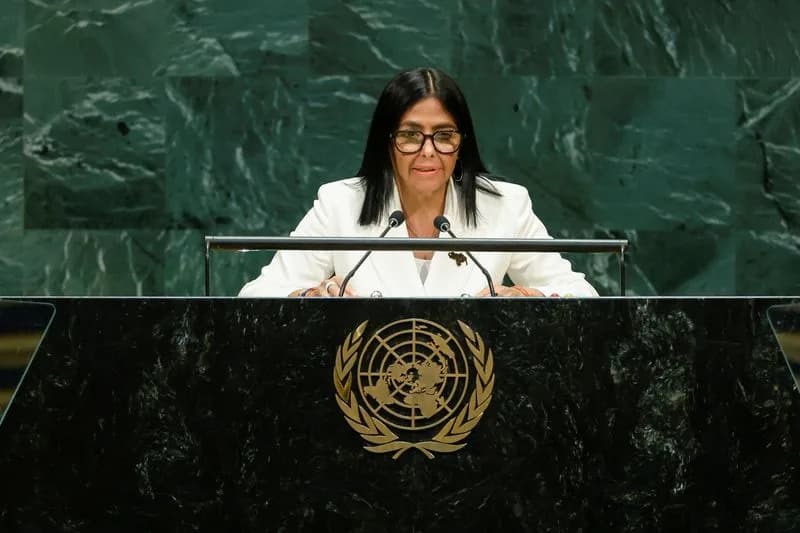
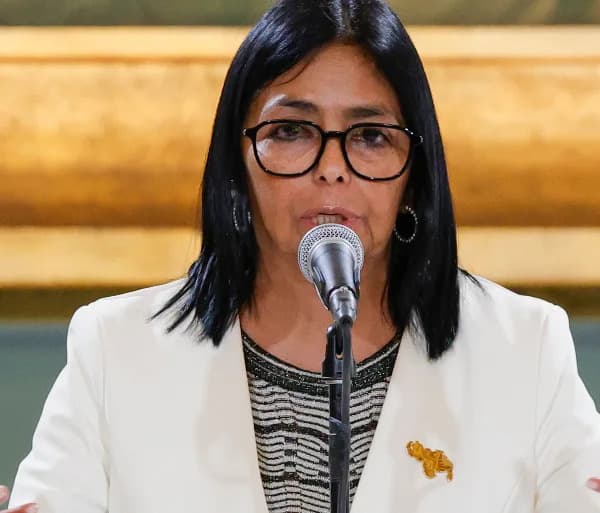
Delcy Rodríguez, serving as Venezuela's interim president, has pledged that elections will be held as part of a transition to what she called a return to "full democracy," but she gave no timetable for when voting would take place.
Rodríguez assumed the interim presidency days after Nicolás Maduro was captured by US forces and flown to New York to face drug‑trafficking charges. Despite her previous close ties to Maduro, Rodríguez has since received backing from the Trump administration.
Speaking at the UN General Assembly on Tuesday, Rodríguez said,
"There will be elections in Venezuela,"and that Venezuelans themselves would decide "the right moment" to hold them. She did not provide even a provisional date, drawing criticism from opposition figures who demanded a clear timetable.
Her speech, delivered less than nine months after a US operation in Caracas that led to the capture of the presidential couple and the deaths of about 100 people, instead emphasized renewed diplomatic engagement. Rodríguez publicly thanked US President Donald Trump "for his willingness to take the path of diplomatic relations and cooperation," and said her government and the US were working "seriously to resolve existing differences through dialogue."
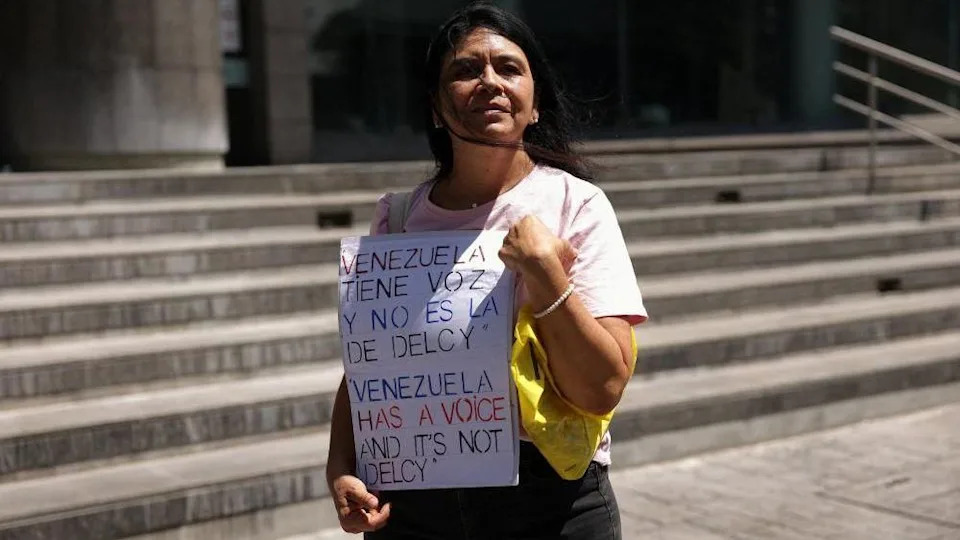
Critics of Delcy Rodríguez protested in New York ahead of her speech at the UN [REUTERS/Gaby Oraa]
She described plans to pursue cooperation on energy, security, the fight against transnational crime and economic collaboration aimed at benefiting both countries and the wider region.
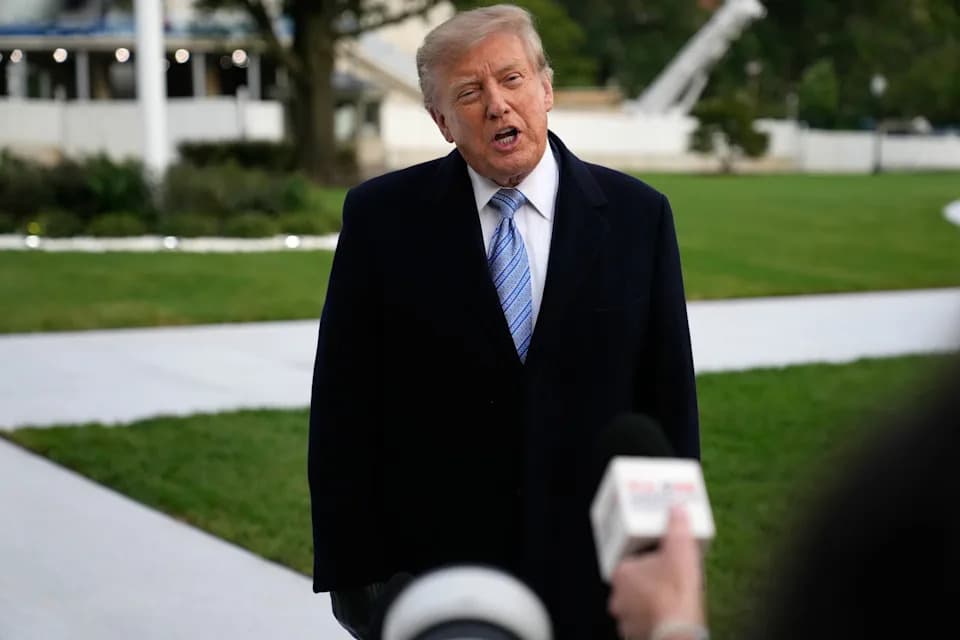
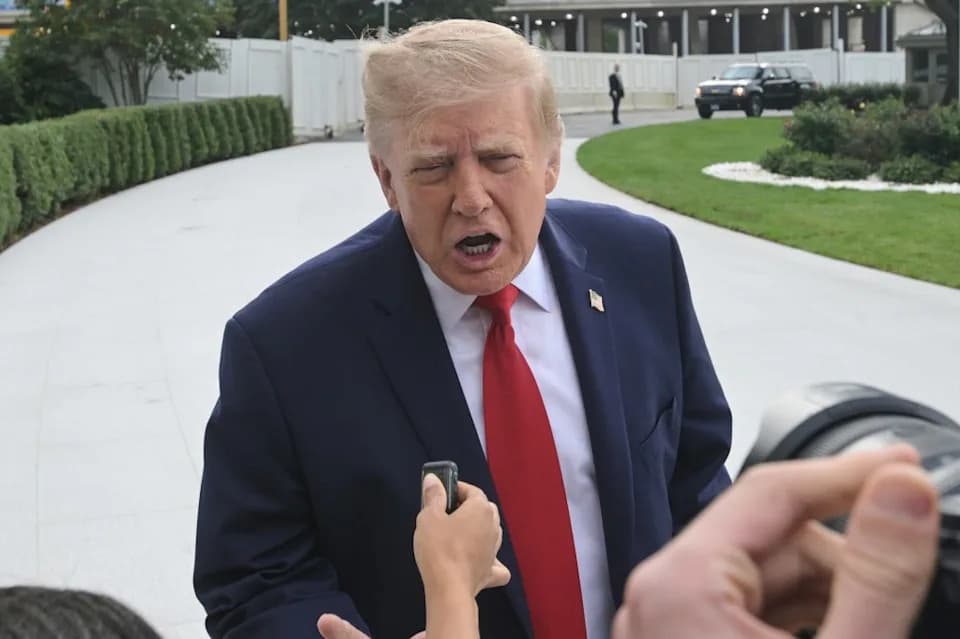
President Trump, in his own UN address, repeatedly denounced Maduro as an "outlaw dictator" and a "real criminal," and celebrated what he described as "the largest oil deal in history covering 65bn barrels of oil" with Rodríguez's interim government. Trump added that "if necessary, we will use our unmatched military might to secure the vital national interest of the United States." He did not offer a timeline for Venezuelan elections during the speech, but has said previously that Venezuela may not yet be ready for polls.
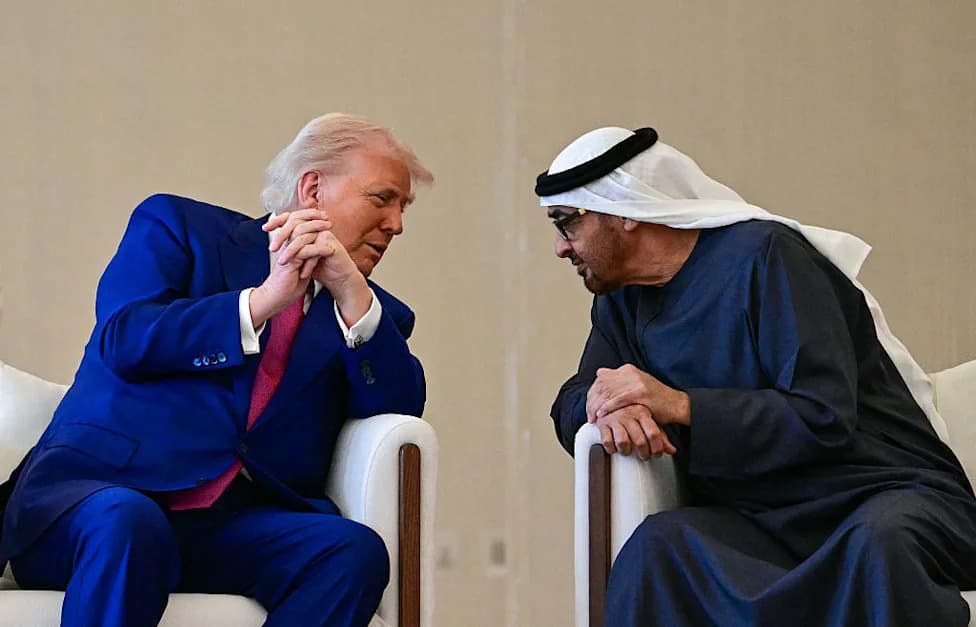
The two leaders met briefly on the sidelines of the General Assembly. Senator Marco Rubio, who attended the meeting, said the presidents discussed elections but urged patience, arguing that a staged "political transition process" is needed to rebuild institutions capable of delivering free and fair elections. "What we don't want to see," Rubio said, "is someone elected who inherits a complete catastrophe, economic and social." He pointed to ongoing negotiations between the interim government and some opposition members as signs of progress.
Critics pointed out that the country's most prominent opposition leader, María Corina Machado, is not part of those talks. Machado, who left Venezuela in December to accept an award in Oslo, has been unable to return home and remains barred from standing for office under restrictions imposed during Maduro's administration. An adviser said Machado attempted to travel back this week but was prevented from entering the country; Interior Minister Diosdado Cabello has previously warned that authorities would have "a surprise" for her if she returned.
Protests against Rodríguez took place in New York ahead of her UN speech, underscoring the continued domestic and international tensions surrounding Venezuela's political transition.
Help us improve.