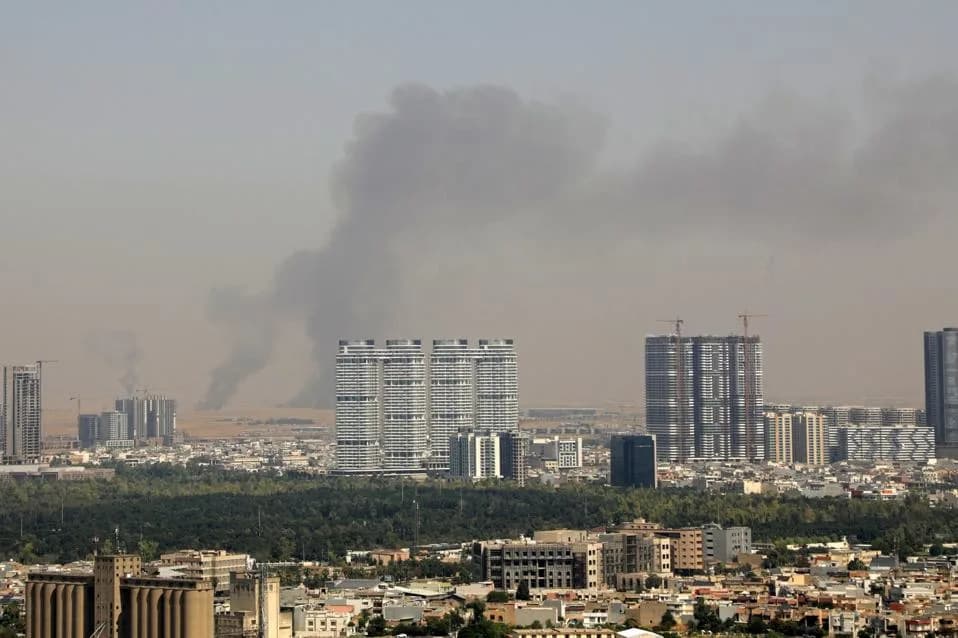
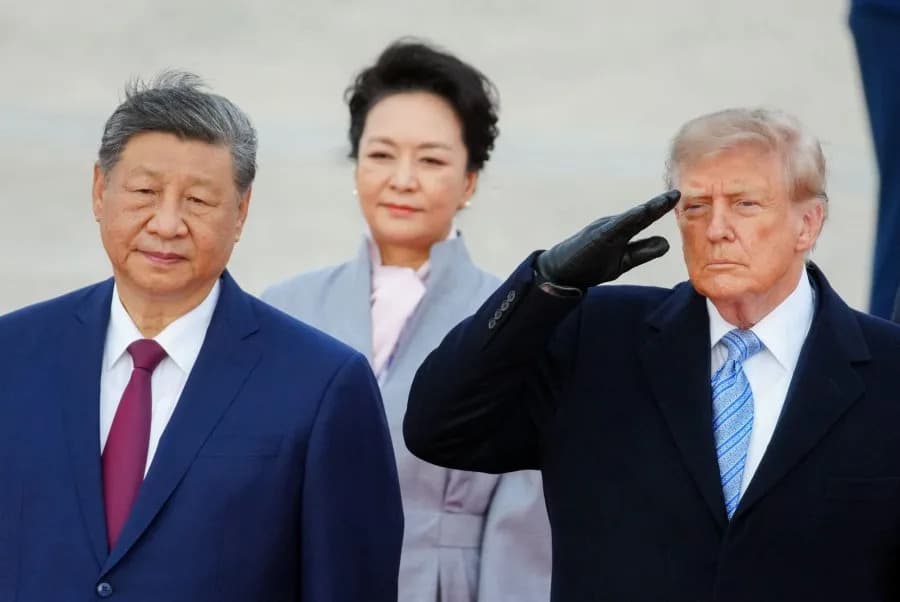
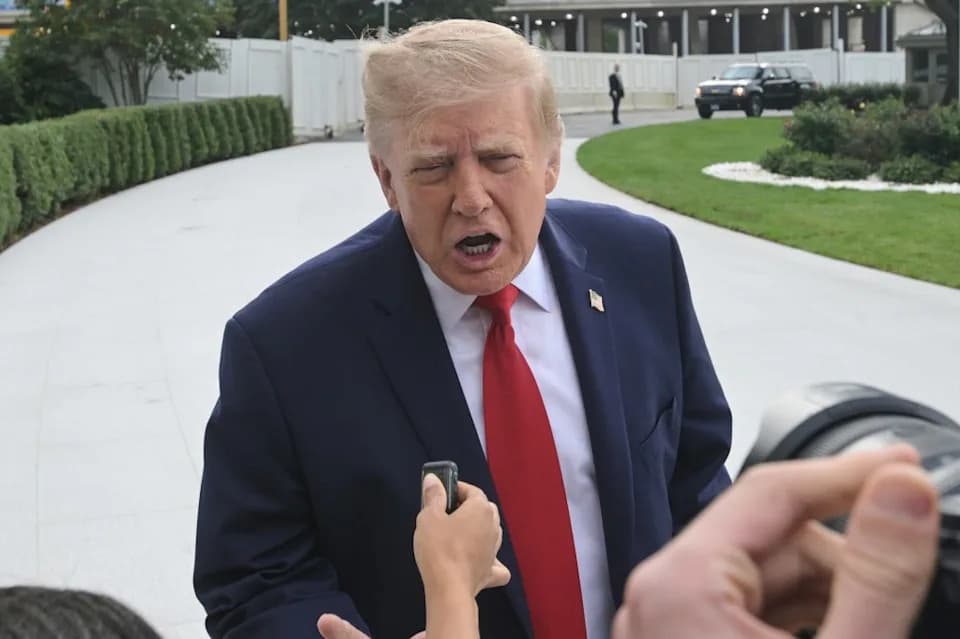
The IRGC has warned it would strike US warships in the Indian Ocean if the US resumes attacks on Iran, potentially widening the conflict beyond the Strait of Hormuz. Tehran says reopening Hormuz depends on conditions including an end to hostilities, release of about $12bn in frozen assets and sanctions relief, an offer President Trump rejected. Conflicting reports surround Iran’s willingness to negotiate on its nuclear programme, and the wider conflict has already affected regional aviation and energy security.
IRGC Threatens Strikes On US Warships In The Indian Ocean If Attacks Resume
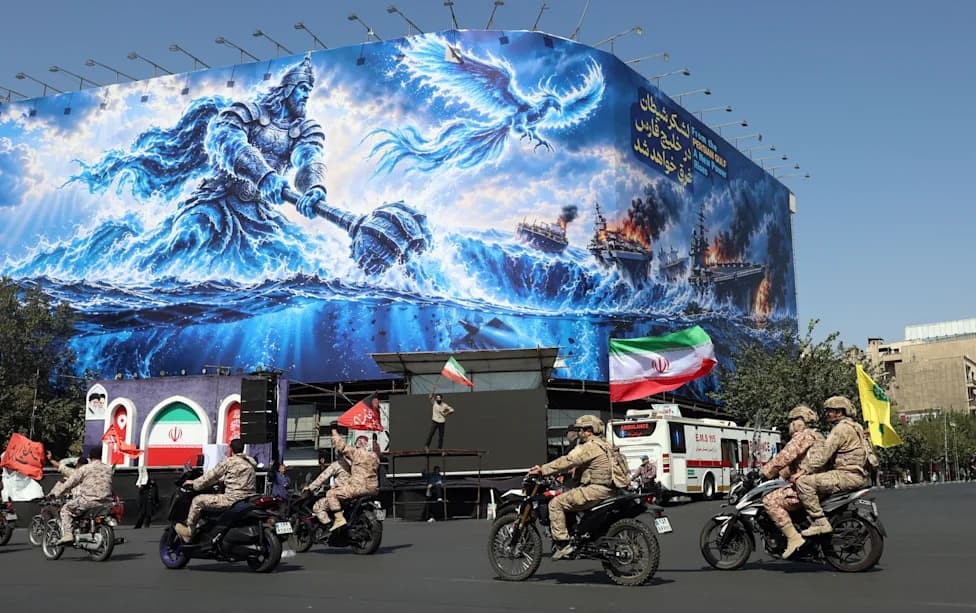
IRGC members taking part in a military rally in Tehran on Friday - EPA/Shutterstock/ABEDIN TAHERKENAREH
Iran's Islamic Revolutionary Guard Corps (IRGC) has warned it would target US naval vessels in the Indian Ocean if Washington resumes strikes against Tehran, escalating tensions beyond the Strait of Hormuz. The statement followed US President Donald Trump's rejection of an Iranian proposal to reopen the strait and a suggestion that the US might resume bombing after the midterm elections.
IRGC Warning
"If another war breaks out, we will undoubtedly attack and hit their ships and destroyers even in the Indian Ocean," Ali Mohammadi, deputy political commander of the IRGC navy, told the semi-official Fars News Agency.
The Indian Ocean lies well beyond the southern exit of the Strait of Hormuz, a strategic chokepoint where recent hostilities and naval measures have disrupted shipping. If carried out, attacks in that wider maritime zone would significantly broaden the geographic scope of the conflict.
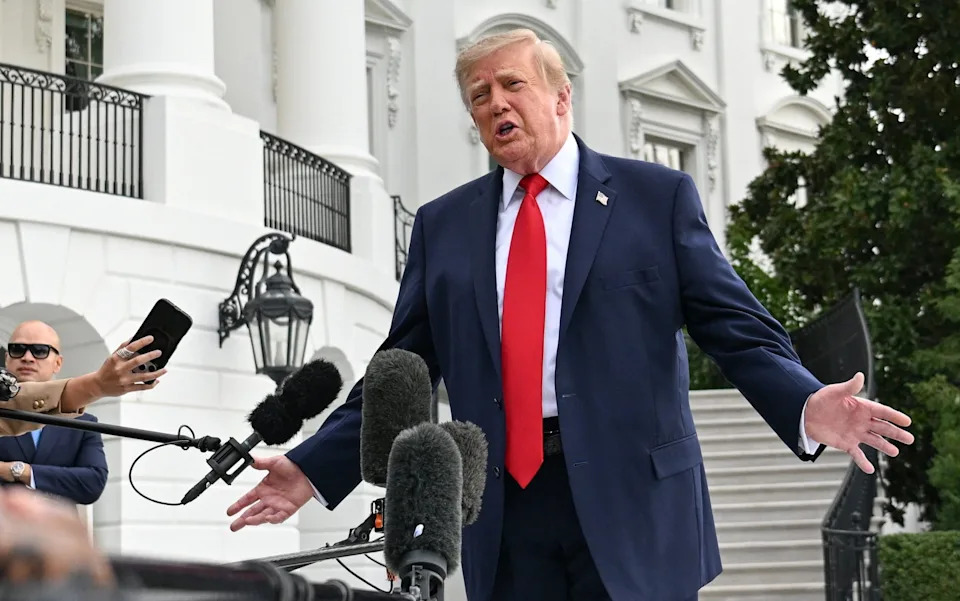
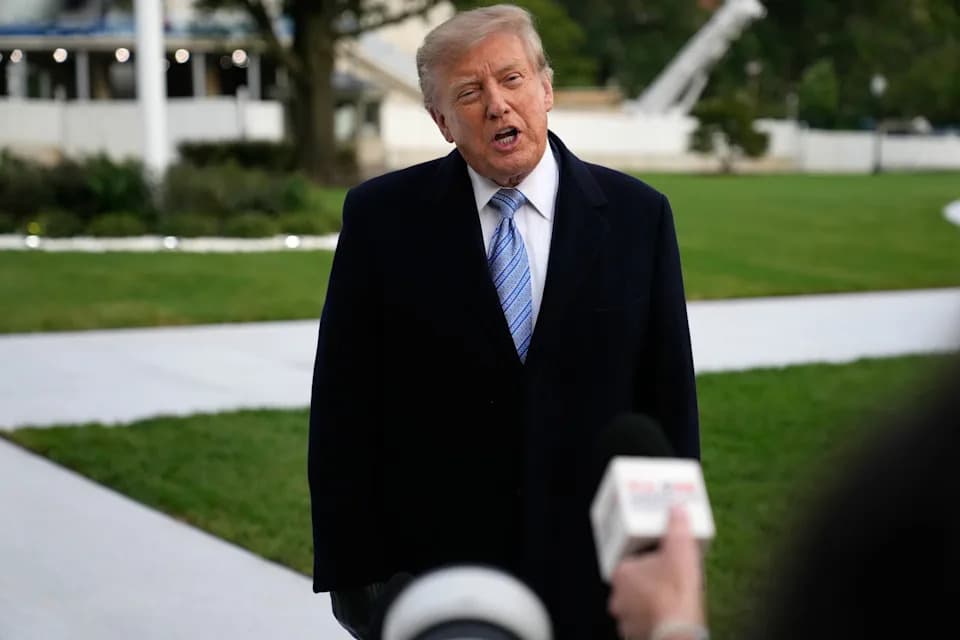
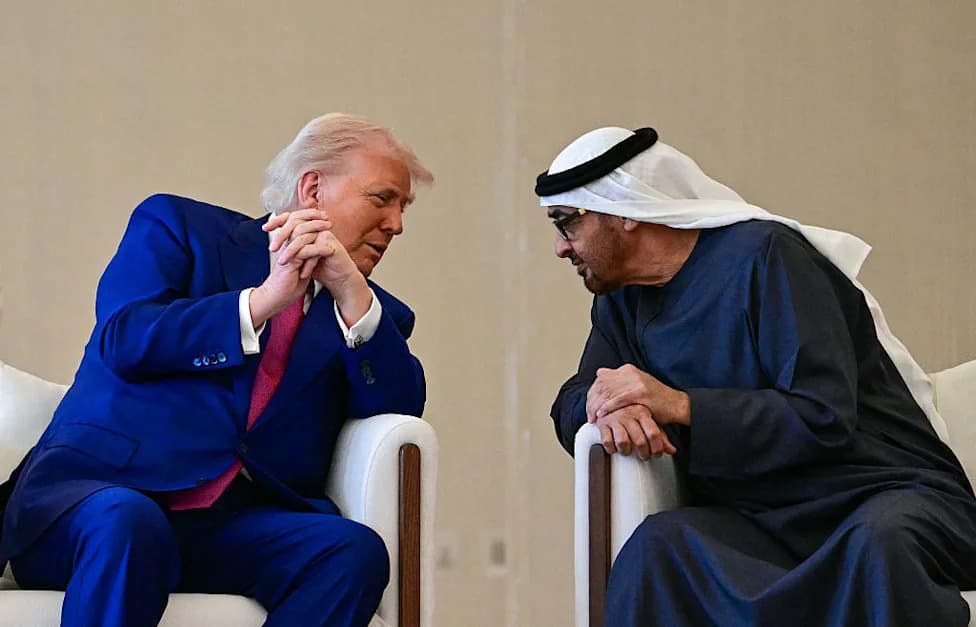
Donald Trump warned of a renewed bombing campaign after the US midterm elections in November - Reuters/Annabelle Gordon
Diplomatic Offers, Conditions And Rejection
Tehran had proposed a short truce under which it would reopen the Strait of Hormuz for seven days if specific conditions were met. Iran's demands include a complete cessation of hostilities, the release of roughly $12 billion in frozen assets, relief from oil-related sanctions and an end to any naval blockade affecting Iranian ports. President Trump says he rejected the offer and has characterised Iran as weakened and seeking a deal to end the fighting.
Iranian Foreign Minister Abbas Araghchi reiterated Tehran's position on social media: "Our conditions are clear, and any move toward reopening the Strait of Hormuz is contingent on these conditions being met. Only a negotiated solution can get them out of this deadlock." Meanwhile, some Iranian officials emphasised diplomacy as the preferred route, even as hardline spokespeople warned of military response.
Nuclear Issues And Conflicting Reports
Reports conflict over how flexible Iran would be on its nuclear programme. A senior Iranian official told Reuters that Tehran would show no flexibility on the nuclear file even if Washington accepted the seven-day truce proposal. Separately, the UAE newspaper The National — citing unnamed sources — reported that Iran had floated transferring its stockpile of uranium enriched to 60% to a third party. Experts note that 60% is a technical step away from weapons-grade enrichment, and the final stage can be executed relatively quickly.
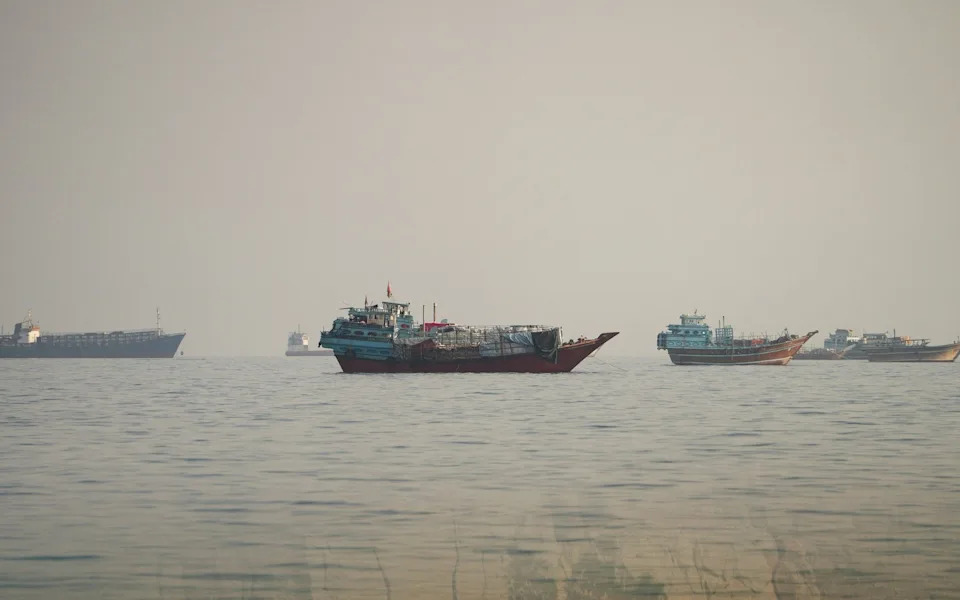
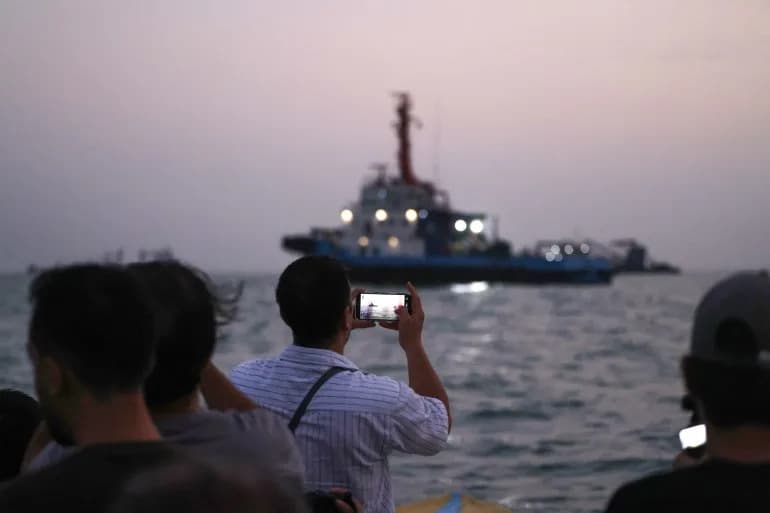
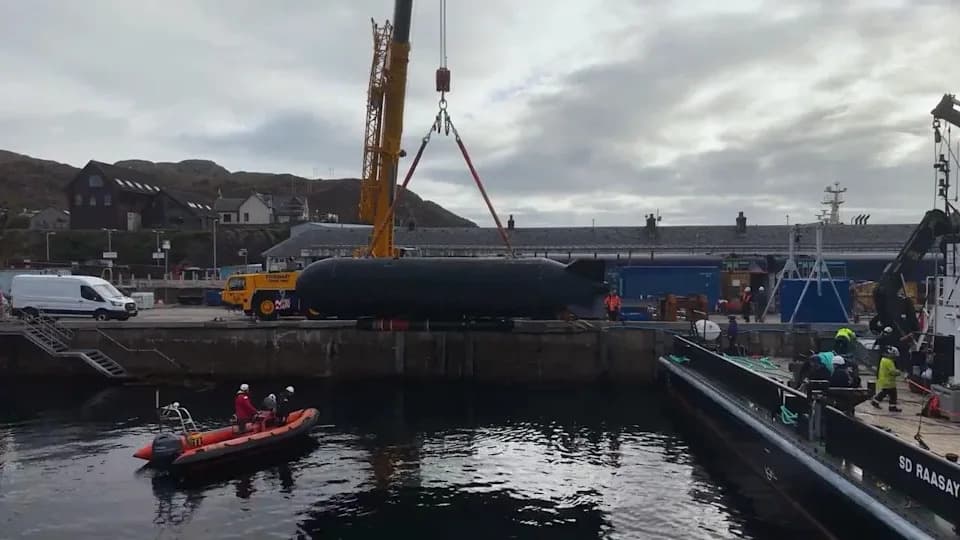
Vessels in the Strait of Hormuz have been subject to Iranian and US blockades during the conflict - REUTERS/Stringer
Iran maintains its nuclear activities are peaceful and civilian. President Trump has repeatedly accused Tehran of covertly pursuing nuclear weapons and has threatened to target nuclear facilities if necessary.
Economic Pressure, Regional Impact And Aviation Disruptions
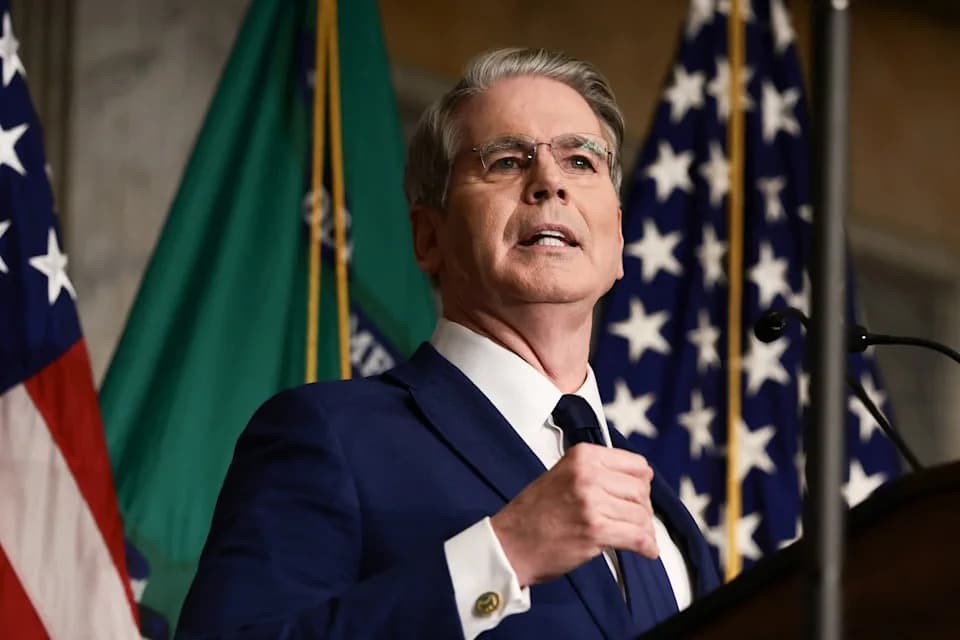
The report identified a US Treasury official named Scott Bessent as thanking the UK, Turkey, Oman and the UAE for backing "Operation Economic Outcast," described as a package of new sanctions aimed at isolating Iran. (The attribution in some sources is inconsistent with public records of senior US Treasury leadership.) Implementation of new sanctions has prompted cancellations of several regional flights to Iran, disrupting travel for patients, students and religious pilgrims. Iraq has reportedly sought exemptions to mitigate the humanitarian and social impact of suspended air links.
Wider Regional Escalation
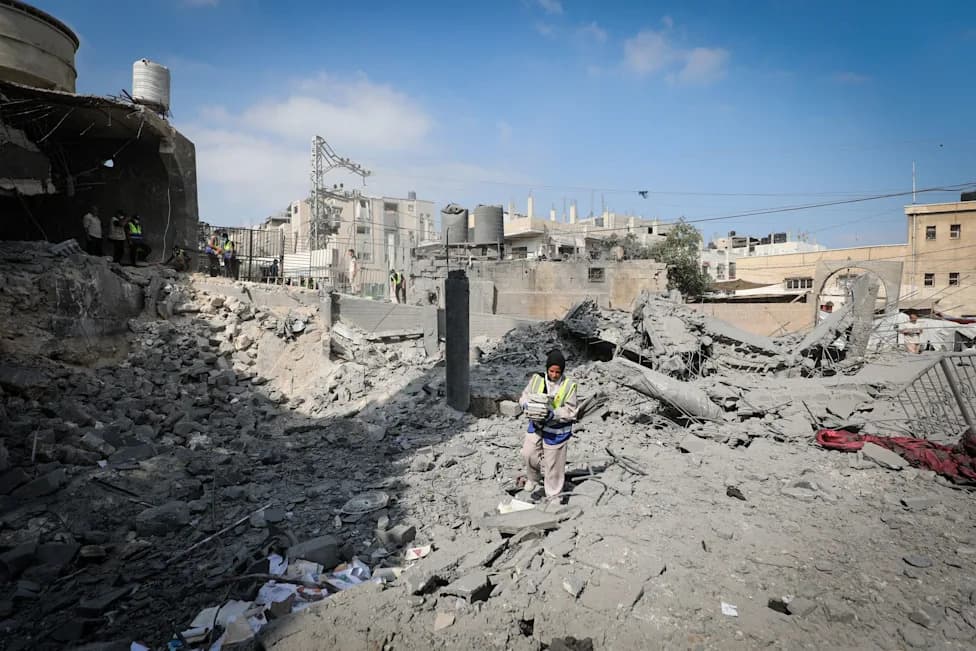
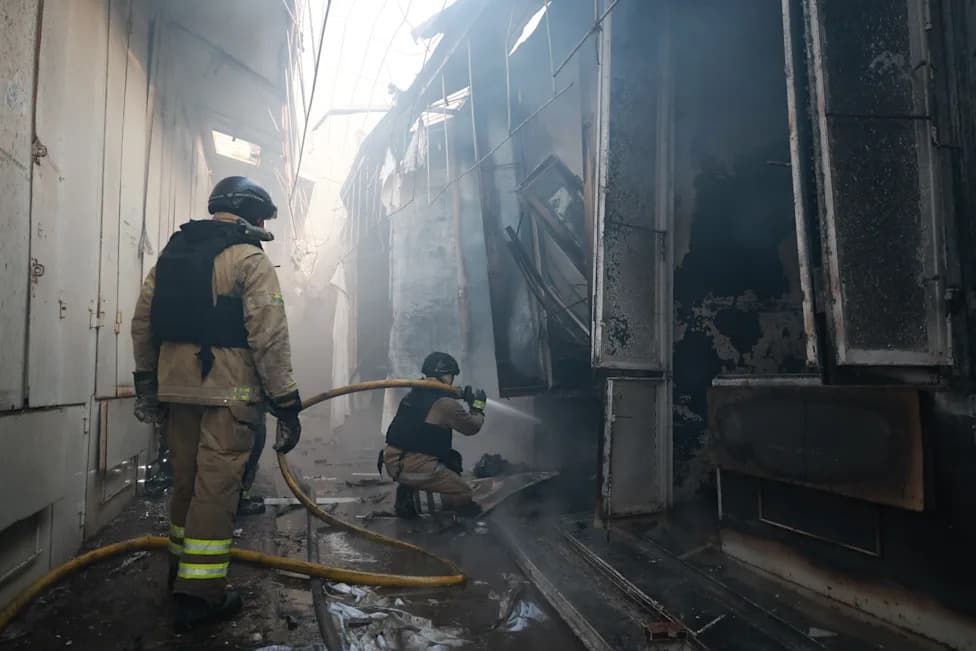
The conflict has already expanded across the Gulf. Iran-backed Houthi rebels in Yemen have launched attacks into areas held by a Saudi-backed government and have struck targets inside Saudi Arabia, including some energy infrastructure and the capital, Riyadh. In response to threats to oil facilities, France has announced a deployment of troops to assist Saudi efforts to secure critical energy infrastructure. In Riyadh, some schools moved briefly to remote learning amid concern about rising hostilities.
Risk Outlook: Officials and analysts warn that any attacks on ships in the Indian Ocean would mark a major escalation, increasing the risk to global shipping and energy markets and drawing in broader international responses.
Help us improve.