Pennsylvania lawmakers are weighing minimum-efficiency standards for 15 categories of appliances and water fixtures that advocates say would lower utility bills and cut emissions. Analysts estimate nearly $291 million in annual utility bill savings by 2035 and about $7.7 billion in cumulative consumer savings by 2050. The rules would apply only to new purchases and would also reduce operating costs for businesses. The bill passed the state House but has not yet advanced in the Senate.
Pennsylvania Could Save About $291M a Year With New Appliance and Fixture Efficiency Standards
Photo Credit: iStock
Pennsylvania lawmakers are considering a package of minimum-efficiency standards for appliances and water fixtures that supporters say would lower utility bills and reduce greenhouse gas emissions over time, even as energy prices rise.
What the Proposal Would Do
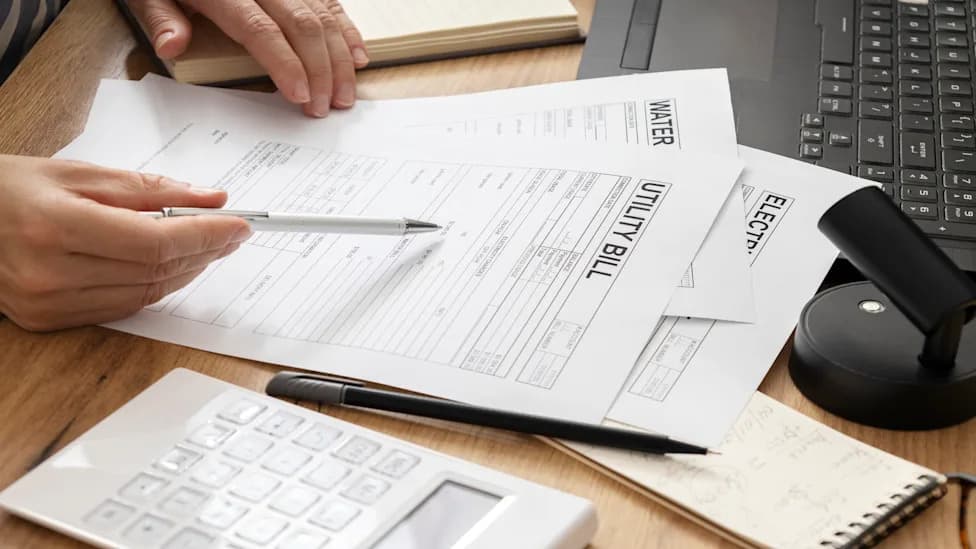
PennEnvironment and the Appliance Standards Awareness Project (ASAP) say the bill before the state Legislature would set minimum efficiency requirements for 15 categories of commercial and household equipment — from ovens, fryers and dishwashers to gas fireplaces, toilets and showerheads. The groups' analysis projects that by 2035 the standards would reduce annual utility bills across the state by nearly $291 million, with cumulative consumer savings reaching roughly $7.7 billion by 2050.
Climate And Economic Benefits
The report also estimates the rules would avoid about 269,000 metric tons of global warming pollution each year — the equivalent of taking nearly 63,000 cars off the road. Supporters note the benefits would extend beyond households: because the standards cover commercial equipment such as fryers and ovens, restaurants and other businesses could see lower operating costs over time.
How The Rules Would Be Applied
Backers emphasize the standards would apply only when consumers buy new products; homeowners and businesses would not be forced to replace working equipment. As Brooke Lockwood, a state policy associate with ASAP, told WESA:
"No one would need to switch out their current products. It would simply work such that when consumers buy a new product, they will be a more energy-efficient version."
Legislative Status And Broader Context
The legislation has passed the Pennsylvania House, but parallel action in the state Senate — including consideration of a companion measure — has not yet progressed. ASAP's analysis adds that by 2050 the electricity savings under these standards would exceed the total annual electricity use of all households in Philadelphia and Pittsburgh combined. Advocates say the approach reduces consumption automatically by ensuring newer models use less energy and water, rather than relying solely on changes in individual behavior.
Sources: PennEnvironment, Appliance Standards Awareness Project (ASAP) analysis, reporting by WESA.
Help us improve.