The EPA projects US$310 billion in savings from repealing power-plant greenhouse-gas rules (2026–2047), but that estimate excludes important health and climate damages. The agency’s own earlier analysis estimated roughly US$130 billion in health costs from increased particulate and ozone exposure. Case studies, like the J.H. Campbell coal plant in Michigan, show how forced continued operation can impose large costs on utilities and customers. Short-term electricity bill savings must be weighed against long-term public-health, climate and innovation impacts.
EPA Says Repealing Power-Plant Emissions Rules Will Save Billions — But Omits Health and Climate Costs
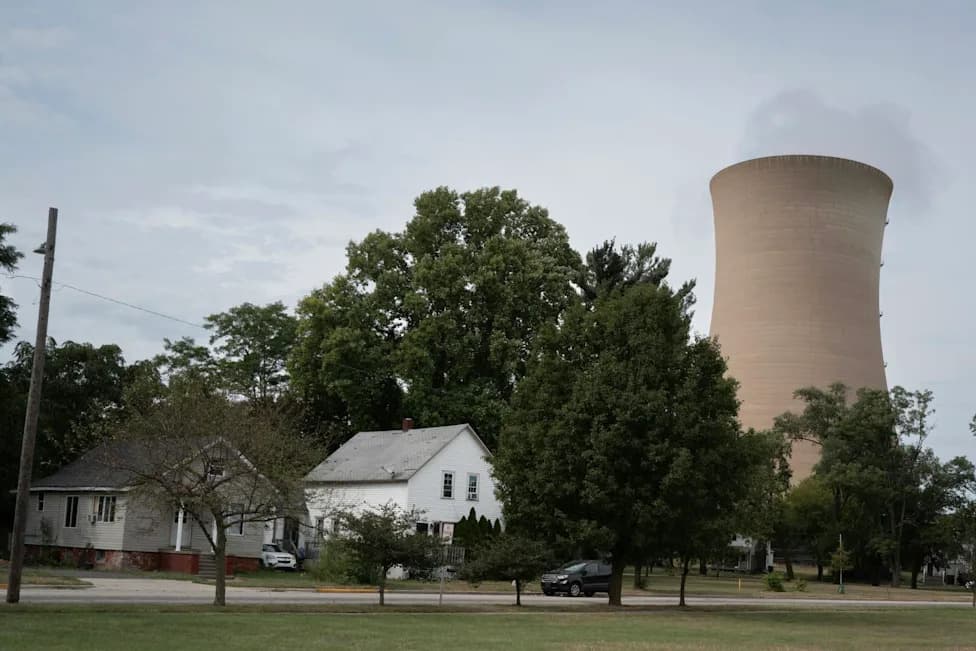
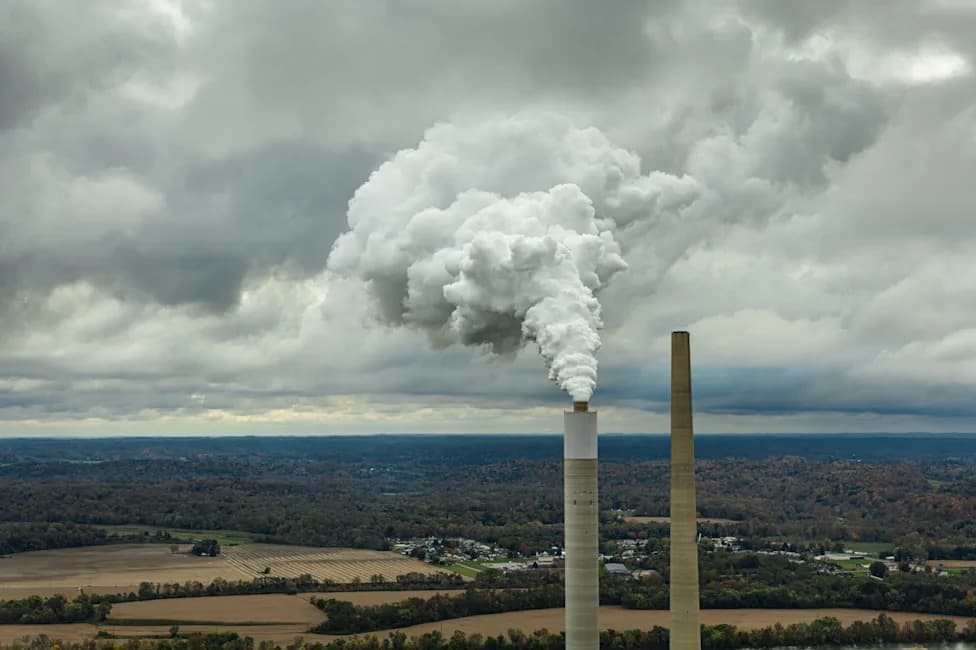
A gas- and coal-fired power plant in Indiana sits right next to a residential area.Scott Olson/Getty Images
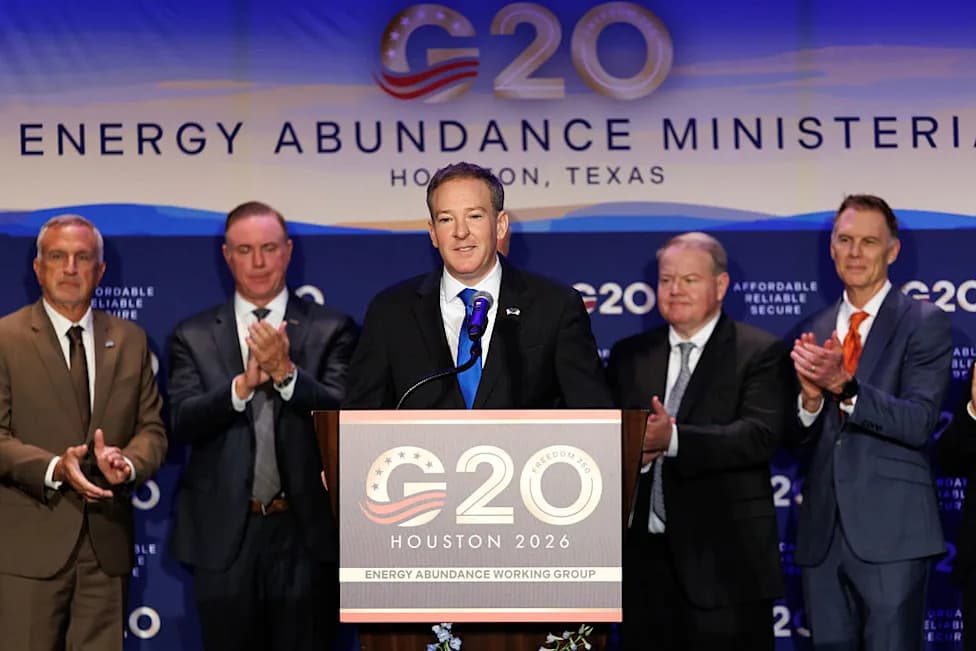
The Environmental Protection Agency and the Trump administration have moved to repeal federal limits on greenhouse-gas emissions from coal- and gas-fired power plants, arguing the change will lower electricity costs for Americans. The agency’s headline estimate claims roughly US$310 billion in economy-wide savings from 2026–2047, but that figure excludes the health and climate damages associated with increased pollution.
What the EPA Claims
The EPA projects that repealing the standards will reduce compliance costs by avoiding investments in carbon-capture-and-storage (CCS) equipment, allow efficient new natural-gas turbines to run more frequently without capturing CO2, and keep more coal units online so fewer new plants need to be built. The agency estimates national average electricity prices would be about 5.8% lower in 2035 under the repeal — roughly US$8 per month for a household using 1,000 kWh in that year.
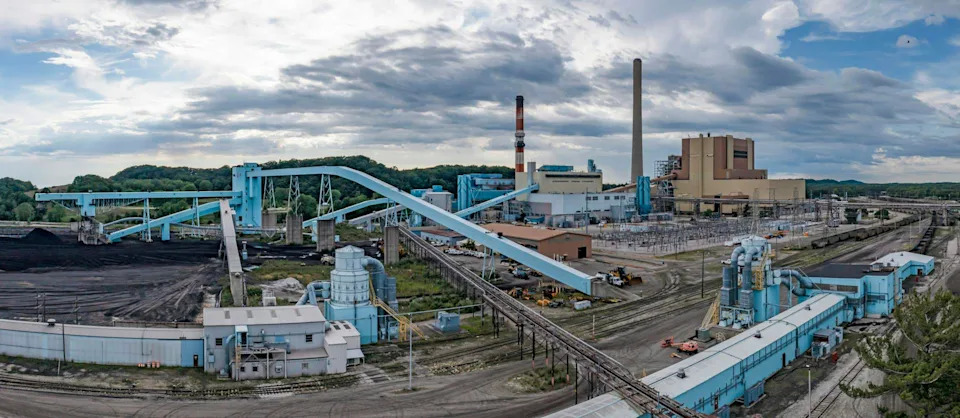
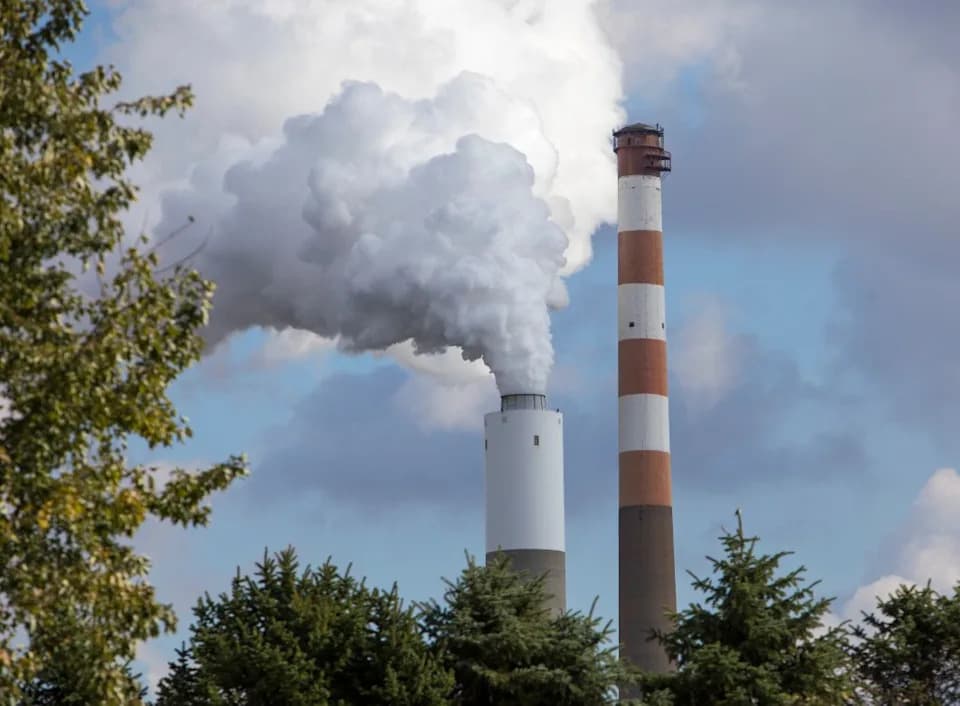
The Trump administration has forced the J.H. Campbell coal plant in West Olive, Mich., to continue operating long past its planned shutdown.Jim West/UCG/Universal Images Group via Getty Images
What the EPA Left Out
Electricity bills do not capture all costs. Burning fossil fuels increases fine particulate matter (PM2.5) and ground-level ozone, which raise risks of heart and lung disease and premature death. The EPA’s 2025 analysis estimated those health impacts from the repeal would cost about US$130 billion from 2026–2047 (including monetized premature deaths and medical costs). The EPA’s 2026 headline savings estimate (US$310 billion) explicitly excludes monetized health and climate damages, even though its modeling shows higher CO2, PM2.5 and ozone concentrations in many regions by 2035 under the repeal.
Case Study: J.H. Campbell Coal Plant
The J.H. Campbell coal plant in West Olive, Michigan, illustrates trade-offs between system reliability, costs, and public health. Consumers Energy planned to retire its last coal unit on May 31, 2025, as part of a plan that included buying a gas plant and expanding solar — projected to save customers about US$600 million through 2040 versus the previous plan. Days before that retirement, the U.S. Department of Energy ordered the company to keep Campbell operating, citing grid reliability concerns, and has extended that order through Nov. 14, 2026.

When air pollution is high, people often wear masks to protect their health.Spencer Platt/Getty Images
Consumers Energy reported a net cost of US$259 million to keep Campbell running from May 2025–June 2026, above the US$239 million it earned in market revenues during that period. The utility has asked the Federal Energy Regulatory Commission to allow recovery of those costs from customers across the Midwest; the request and how costs might be allocated remain disputed. State and environmental groups have challenged DOE orders in court; legal proceedings are ongoing.
Broader Economic and Global Effects
Repealing CCS requirements and emissions limits changes investment incentives. In the near term, it can make operating old coal plants or building new gas plants cheaper on paper. Over the long term, it may slow U.S. innovation and investment in carbon-capture technologies, weakening global efforts to reduce emissions cost-effectively. If future administrations reinstate stricter standards, retrofitting plants later could be more expensive than building controls during initial construction.
Bottom Line
The repeal will influence immediate corporate decisions — which plants remain online, what new capacity is built, and whether pollution controls are installed up front — with consequences for electricity prices, public health and the climate. Policymakers and the public should weigh any short-term reductions in power bills against the monetized and non-monetized costs of additional illness, premature deaths, lost productivity, climate damages, and potential setbacks to climate-tech innovation.
Author: Akshaya Jha, Carnegie Mellon University. Republished from The Conversation.
Help us improve.