The Building Decarbonization Coalition found Pennsylvania’s six largest gas utilities spent about $11 billion on pipeline replacements from 2013–2025, a shift linked to a 67% average increase in residential gas bills. BDC says Act 11 (2012) allowed utilities to accelerate investments and recover costs via surcharges, which now make up roughly two-thirds of a typical bill. The coalition urges focusing spending on safety-critical projects, requiring consideration of electrification or thermal-network alternatives, and improving long-term planning and transparency.
Report: Pennsylvania Gas Bills Jump 67% After $11B Spent On Pipeline Replacements
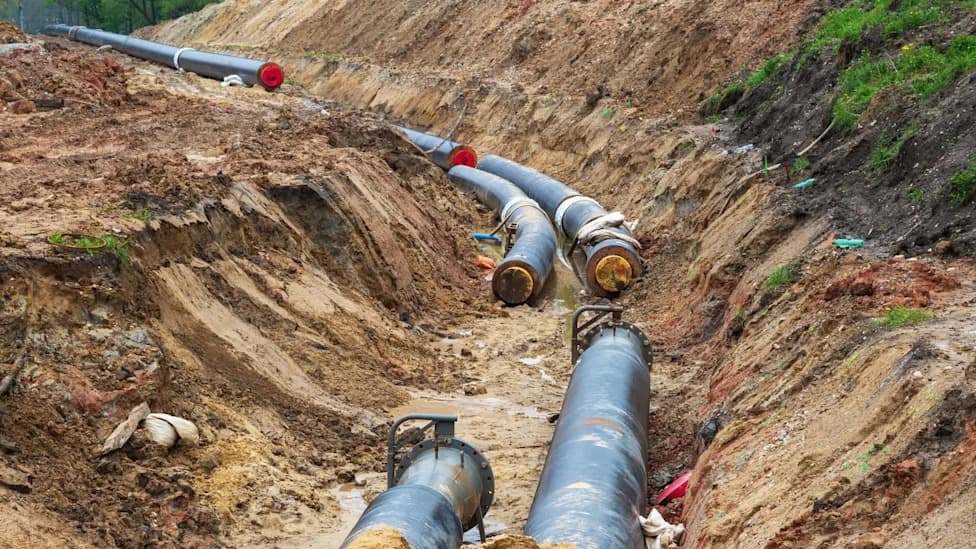
Photo Credit: iStock
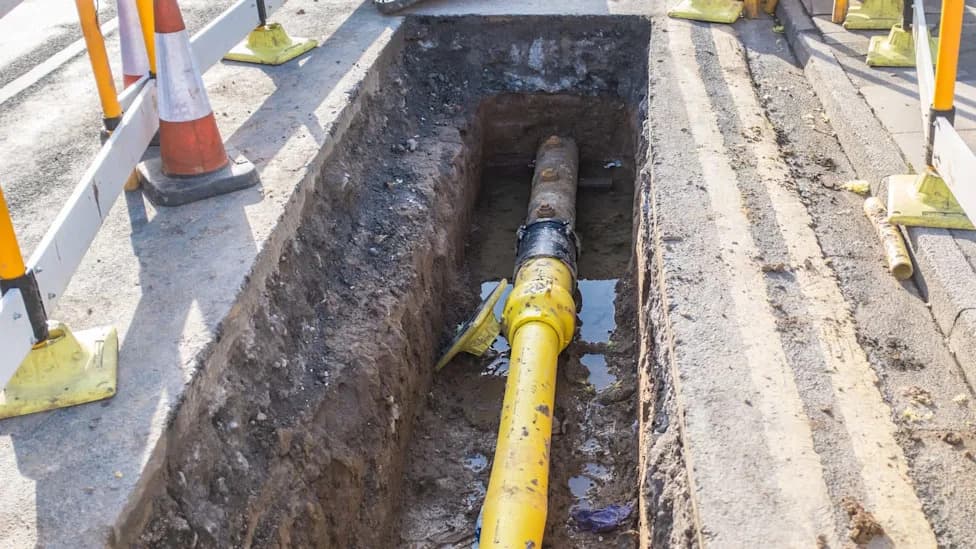
Pennsylvania households are facing substantially higher natural gas bills after the state's six largest utilities invested roughly $11 billion in pipeline replacement projects between 2013 and 2025, according to an analysis by the Building Decarbonization Coalition (BDC) cited in Pipeline & Gas Journal.
The study links those infrastructure programs to an average 67% rise in residential monthly gas bills. Over the period reviewed, the cost to replace a mile of distribution pipe climbed from about $1.2 million to $2.8 million.
Who Was Studied: The analysis examined six major providers — PECO Energy, Columbia Gas of Pennsylvania, UGI Utilities, National Fuel Gas, Philadelphia Gas Works and Peoples Natural Gas — and tracked costs and rate impacts from 2013 through 2025.
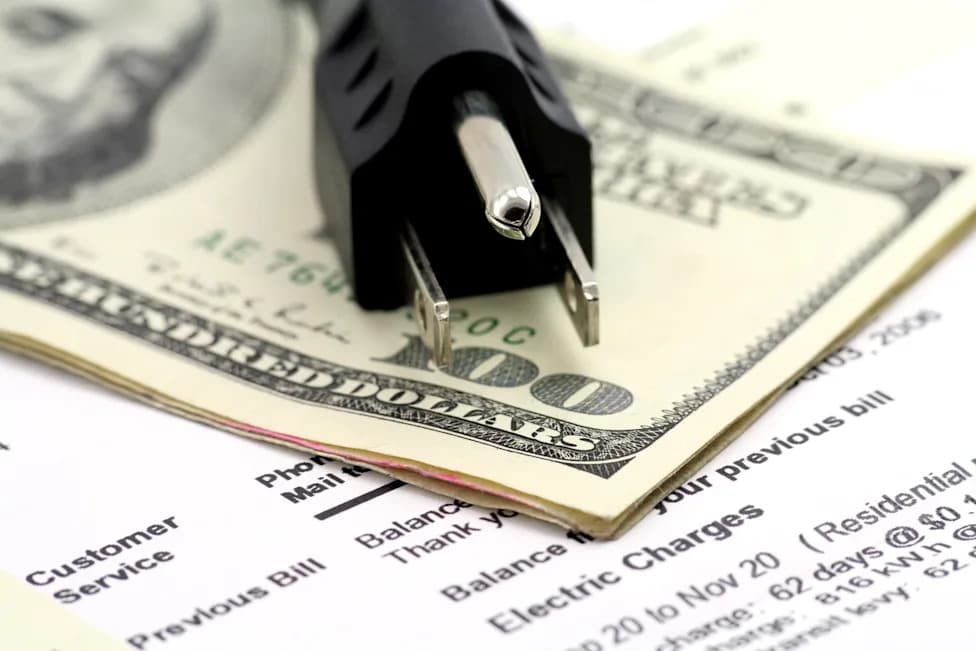
BDC calculated that each newly installed mile of gas main represented roughly $40,000 in costs spread across every residential customer. The coalition also found that charges tied to gas-system investment and delivery now account for about two-thirds of a typical residential gas bill in Pennsylvania.
How Policy Matters: The report points to Act 11, a 2012 Pennsylvania law, as a key enabler of this spending: Act 11 lets gas utilities accelerate distribution investments and recover eligible infrastructure costs through customer surcharges, shifting a large portion of project costs onto ratepayers.
Because much of the recovery is collected via fixed delivery charges, households can see higher bills even if they reduce gas use — a dynamic that places additional strain on tight family budgets and blunts the impact of conservation efforts.
BDC Recommendations
BDC urged Pennsylvania lawmakers and regulators to amend Act 11 so that utility investments focus on safety-critical work rather than broad system-wide replacement that automatically shifts costs to customers. The coalition also recommends requiring utilities to evaluate lower-cost alternatives — including neighborhood-scale electrification or thermal networks — before approving large pipeline rebuilds.
Other suggested reforms include stronger long-term planning for the gas network, improved transparency in infrastructure spending and rate cases, and closer coordination between gas and electric utilities to weigh system-wide options.
Broader Context
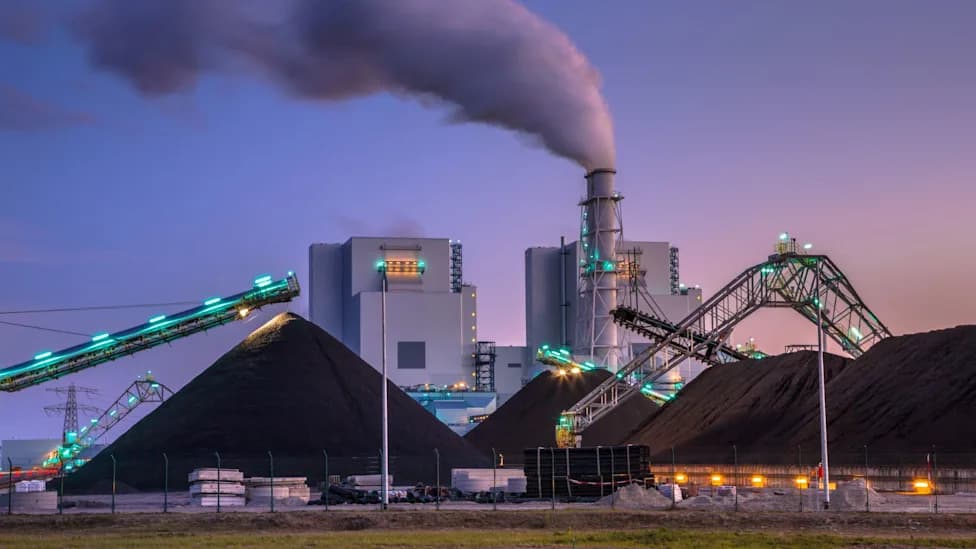
Similar pressures are appearing beyond Pennsylvania as utilities nationwide seek customer-funded solutions for aging fossil-fuel infrastructure. For example, utilities in Massachusetts spent about $100 million on gas-line work even after 10 communities adopted fossil-fuel-free policies. In Washington state, proposals to curb methane emissions faced pushback amid concerns over higher costs. Across the U.S., keeping older coal-fired plants online has also cost ratepayers hundreds of millions.
Bottom line: The BDC analysis highlights a growing policy question: should the costs of maintaining or replacing fossil-fuel infrastructure continue to be recovered primarily through customer surcharges, or should regulators push for lower-cost, cleaner alternatives?
Help us improve.