The U.S. plans to loosen fuel-economy standards, proposing a fleetwide average near 34.5 MPG by 2031 versus a prior ~50.4 MPG goal. Officials say the rollback could lower average production costs by about $930 per vehicle, but experts doubt consumers will receive that saving. Analysts warn the change could add roughly 100 billion gallons of fuel use through 2050, increase fuel spending by $185 billion, and raise CO2 emissions by about 5%. The rule would also block California’s planned 2035 ban on new gasoline-car sales.
U.S. Plans To Relax Fuel-Economy Rules: Cars May Cost Less — But Buyers Might Not See The Savings
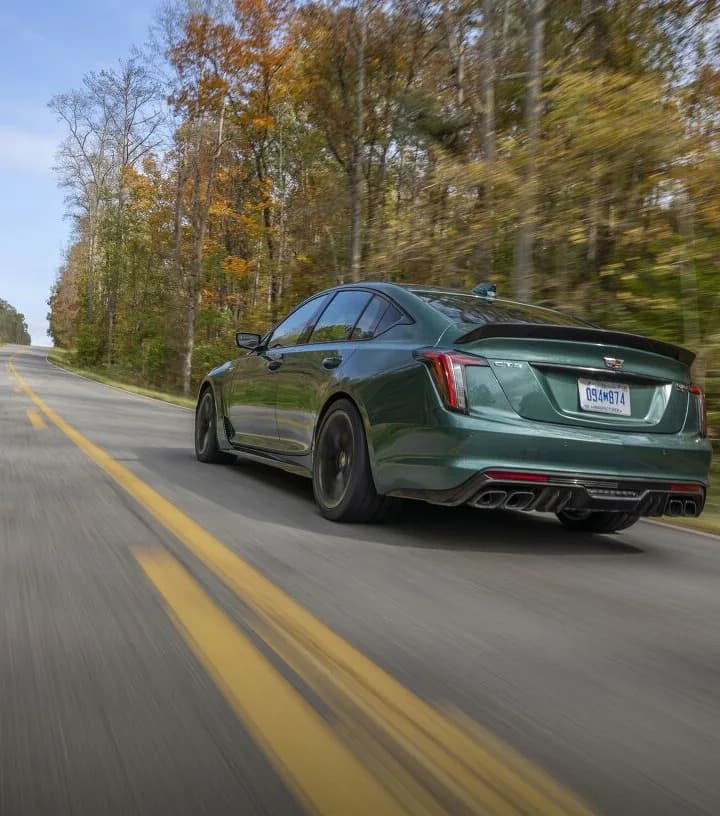
lower mpg standards will mean cheaper cars if the savings is shared
The U.S. federal government is preparing to roll back recent fuel-economy standards for new vehicles, a shift officials say could lower production costs and car prices — a claim industry analysts question.
What’s being proposed
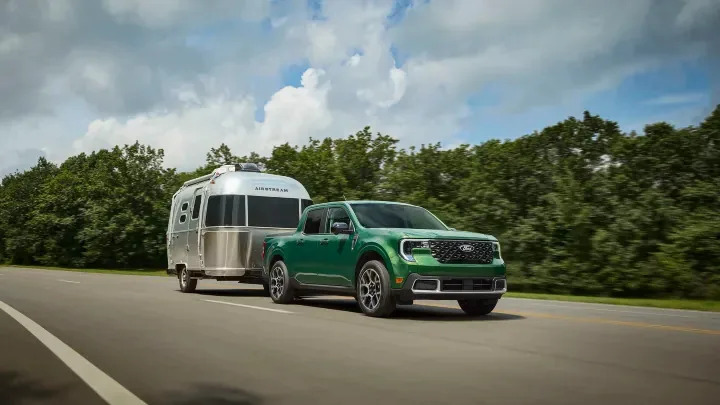
lower mpg standards will mean cheaper cars if the savings is shared
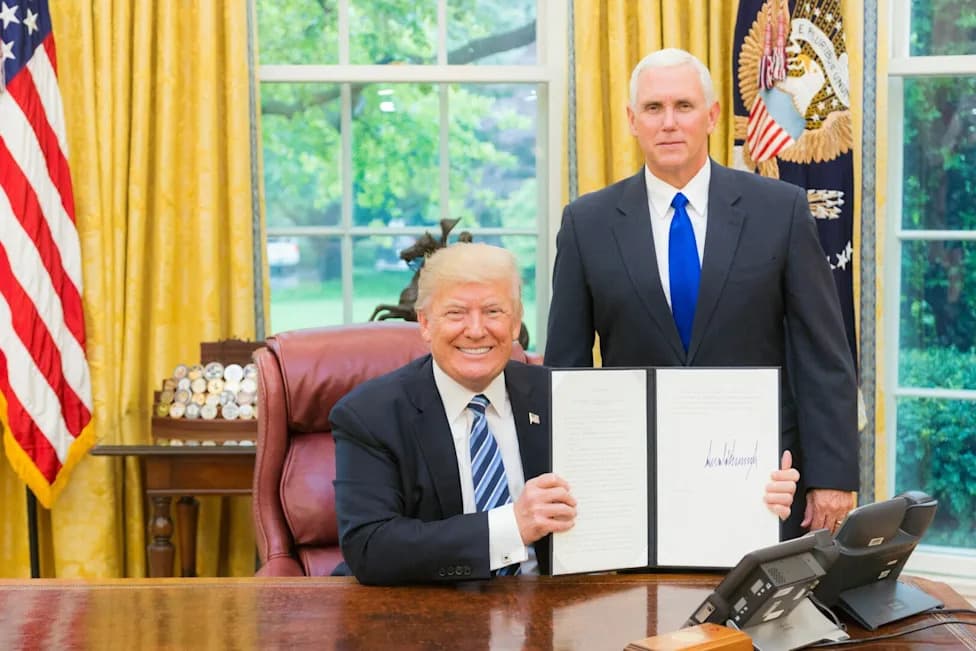
Reporting indicates the administration would replace the prior, more aggressive target with a fleetwide average of about 34.5 miles per gallon (MPG) by 2031, compared with an earlier plan that aimed for roughly 50.4 MPG by 2031. A Transportation Department official was quoted describing the forthcoming standard as a “common-sense” approach to let automakers build vehicles consumers prefer.
Costs, savings and where the money may go
Analysts estimate that easing the mandate and shifting away from higher-efficiency models and electric vehicles could reduce the average manufacturing cost per vehicle sold in the U.S. by about $930. However, industry history suggests those savings are unlikely to be passed fully to buyers. Automakers frequently treat cost reductions as margin improvement or reallocate funds toward other priorities, such as marketing, model mix (more trucks and SUVs), or shareholder returns.

lower mpg standards will mean cheaper cars if the savings is shared
Environmental and economic impacts
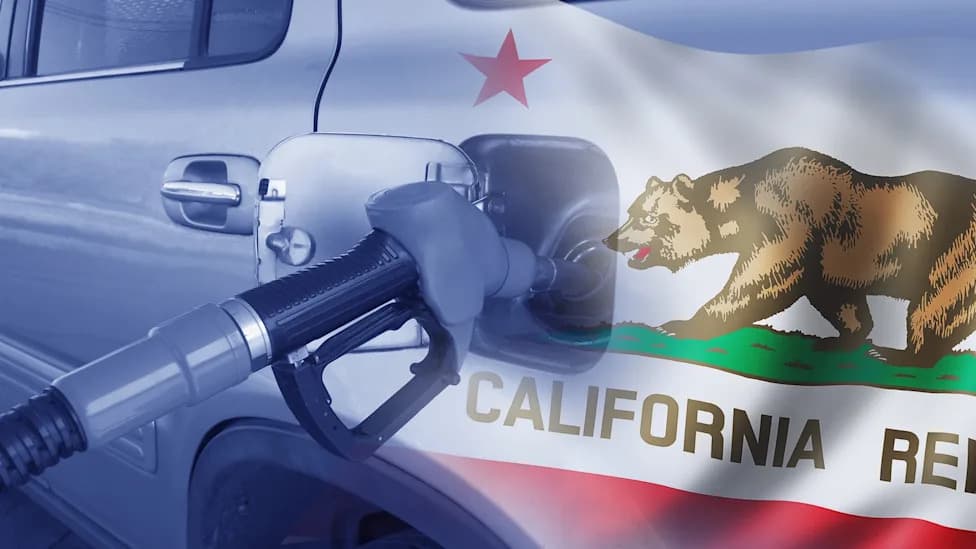
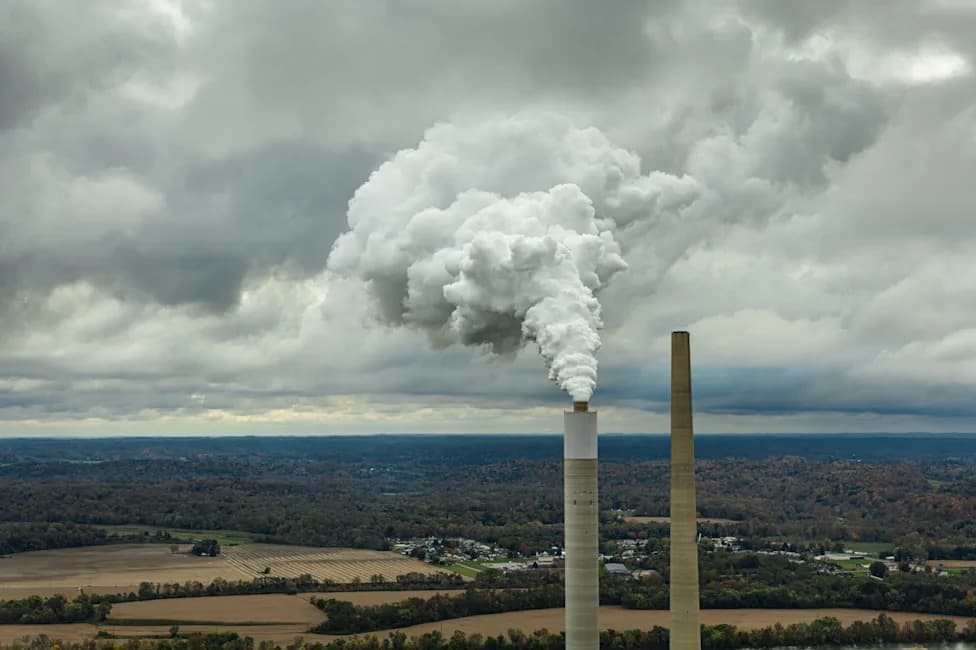
Reuters and other analysts project that the rollback could increase fuel consumption by roughly 100 billion gallons through 2050, raise consumer fuel spending by about $185 billion, and boost CO2 emissions by approximately 5% relative to the previous trajectory. The proposed rule would also prevent California from enforcing its planned ban on new gasoline car sales in 2035, weakening a major state-level emissions policy.
Timing and reversibility
Even if finalized, effects would unfold slowly. Automotive production depends on long planning cycles and complex supply chains, so changes in fleet composition appear over years. That lag also means a future administration could potentially alter course before the industry fully implements the new standard.
Bottom line: The administration frames the rollback as a consumer-friendly move to cut vehicle costs. Independent analysts warn the environmental costs and higher fuel expenditures could outweigh any retail price relief, especially since savings are unlikely to be directly passed to buyers.
If enacted, the rule change would reshape both the near-term economics of carmaking and the longer-term path of U.S. transportation emissions.
Help us improve.