Southwestern Pennsylvania has a proposed pipeline of roughly 22 GW of new generation queued in PJM — ten gas plants plus multiple battery-storage projects — concentrated near Pittsburgh. The state currently has about 45 GW installed and peak demand near 30 GW; the queued batteries alone would equal the output of roughly three nuclear reactors. Rapid growth in data-center demand is a key driver, while PJM rule changes and historical withdrawal rates (50–90%) underscore that many proposals may never be built.
22 GW Pipeline Near Pittsburgh: 10 Gas Plants and Batteries Could Nearly Double Pennsylvania's Power Capacity
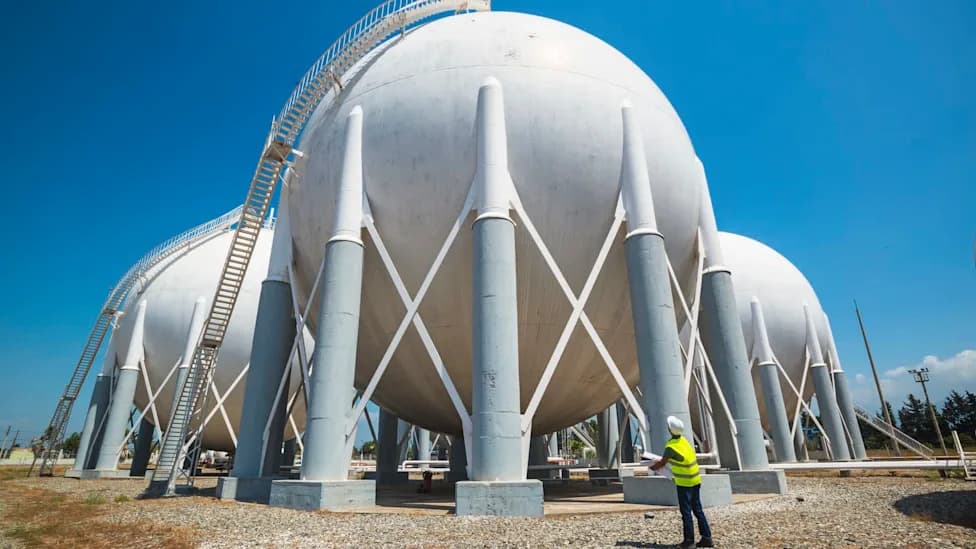
Photo Credit: iStock
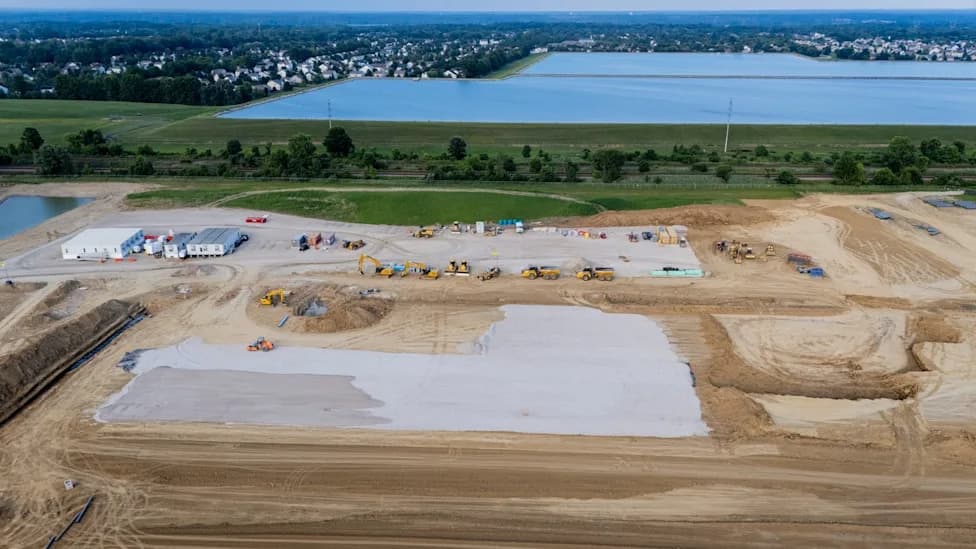
Southwestern Pennsylvania has emerged as the center of a large buildout of proposed generation: developers have placed ten natural gas plants and multiple battery-storage projects into the PJM Interconnection queue near Pittsburgh, collectively amounting to roughly 22 gigawatts (GW) of potential capacity.
How Big Is the Proposal?
Scale: The queued projects represent an enormous local expansion. Pennsylvania currently has about 45 GW of installed capacity across power plants, wind farms, and solar arrays, while statewide peak demand is roughly 30 GW. The proposed 22 GW in southwestern counties would dramatically increase available capacity in that region, and the battery proposals alone would be roughly equivalent to the output of three typical nuclear reactors.
What's Driving the Rush?
Data centers: Rapid growth in electricity demand from hyperscale data centers is a primary driver. Mike Kramer, vice president of data economy strategy at Constellation, told The Morning Call that where a large data center two to three years ago might have been 10 megawatts (MW), facilities under 200 MW are now uncommon and some customers request up to 1 GW of capacity.
Commercial incentives: That surge in demand makes some gas-fired projects appear commercially viable despite questions about financing and long-term markets; Jon Gordon of Advanced Energy United described the trend as a “gold rush for natural gas.”
Interconnection, Speculation, and Land Markets
PJM and market observers caution that a large share of queued proposals never get built: Monitoring Analytics, PJM's market monitor, estimates that historically 50% to 90% of interconnection applications have been withdrawn before construction. In response, PJM has tightened interconnection rules to raise entry standards and reduce queue congestion from speculative filings.
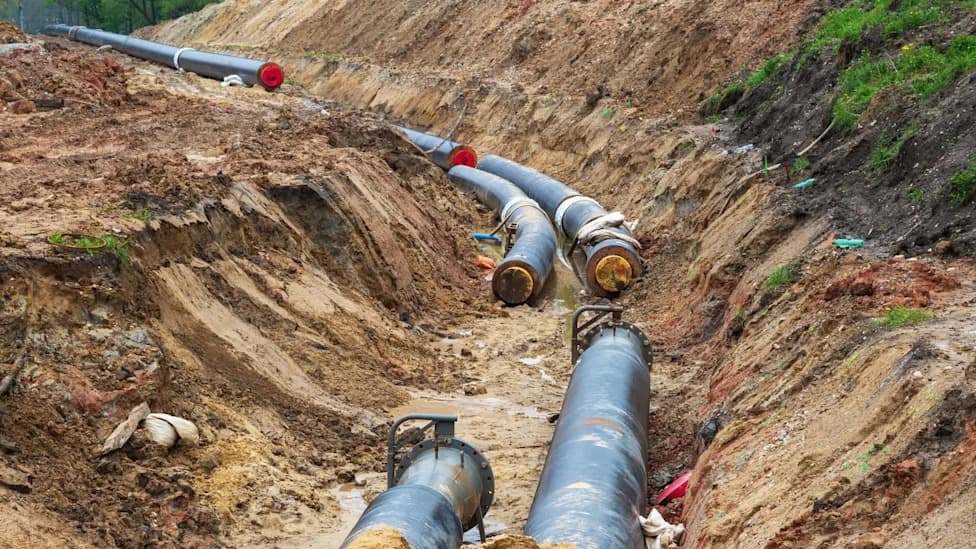
The land market is changing too. Developers and real estate firms now evaluate large industrial parcels not just by acreage but by a credible "power story" — access to nearby substations, transmission capacity, and natural gas pipelines — when courting major energy users.
Emissions, Health, and Grid Flexibility
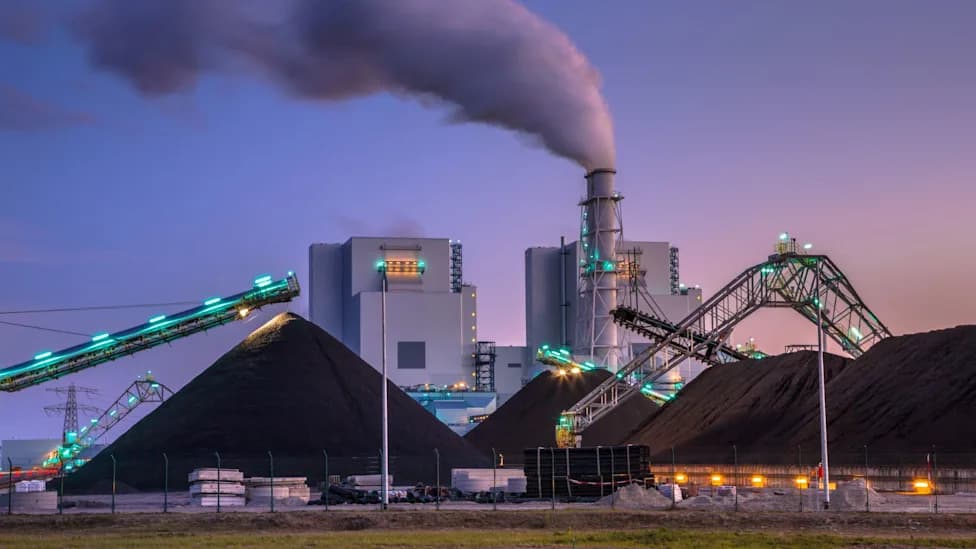
Pennsylvania's electric-sector emissions have fallen substantially since 2005; the state's most recent carbon inventory shows power-sector air pollution in 2023 was about half of 2005 levels, largely driven by plant retirements. Still, some facilities remain large emitters: Homer City Generation has state authorization to emit about 17.6 million tons of carbon dioxide annually, more than one-quarter of the state's 2023 electric power emissions.
Burning fossil fuels is tied to climate impacts and local health harms — from extreme-weather damage and economic disruption to air- and water-quality effects linked to respiratory and cardiovascular disease, cancer, and premature mortality.
Role of Batteries
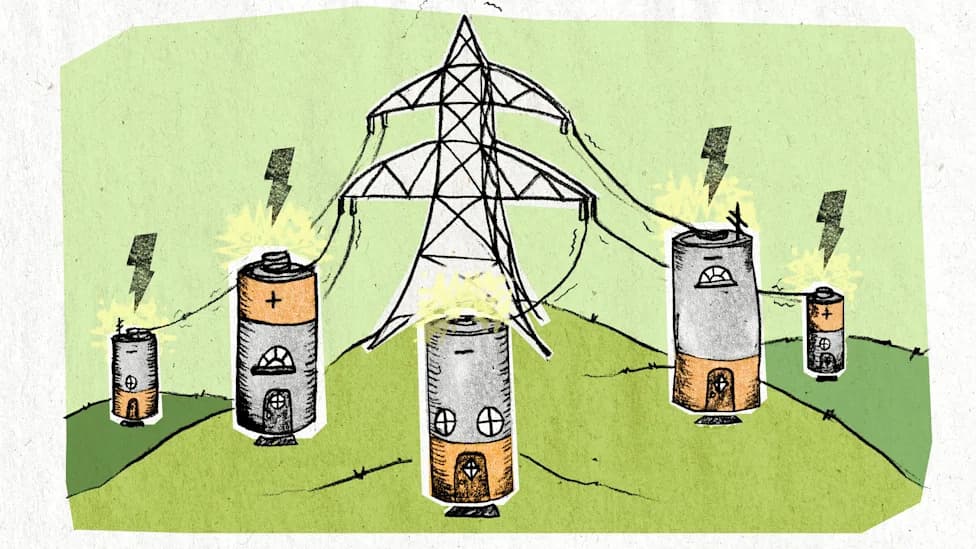
Planned battery-storage projects are sited in Allegheny, Beaver, Cambria, Fayette, and Washington counties, including proposals that reuse former coal-plant and power-plant sites. Large-scale storage could shift generation to times of highest grid need, provide short-duration backup, and help integrate variable renewables.
Financing and Contracts
Developers typically seek long-term contracts with hyperscalers and other large electricity customers before committing to multi-billion-dollar plants. Enverus estimated that building a 1 GW gas plant could cost up to $2.5 billion—underscoring the scale of capital required and the importance of offtake agreements.
Local perspective: "It would be great for this area if it would come to fruition," said Jerrod Murtha, executive director of the Fay-Penn Economic Development Council, reflecting hopes for jobs and investment alongside community concerns about emissions and infrastructure impacts.
Why This Matters
The proposals in southwestern Pennsylvania illuminate tensions in energy planning: how to meet rapidly rising local demand, especially from data centers; how to balance near-term reliability and economic development with long-term climate and public-health goals; and how to design market and regulatory rules that prioritize credible, deliverable projects.
Help us improve.