Massachusetts regulators approved deeper winter electricity discounts for National Grid and Unitil customers who use heat pumps, affecting more than 65,000 households and taking effect Nov. 1. The change builds on the state’s pioneering policy requiring seasonal discounted pricing for heat-pump households and follows a program that saved participants over $37 million last winter. Think tank Switchbox estimates an additional $9.8 million in savings under the new rates and finds many homes could save by switching from natural gas.
Massachusetts Deepens Heat Pump Winter Discounts, Pressuring Other Northeastern States
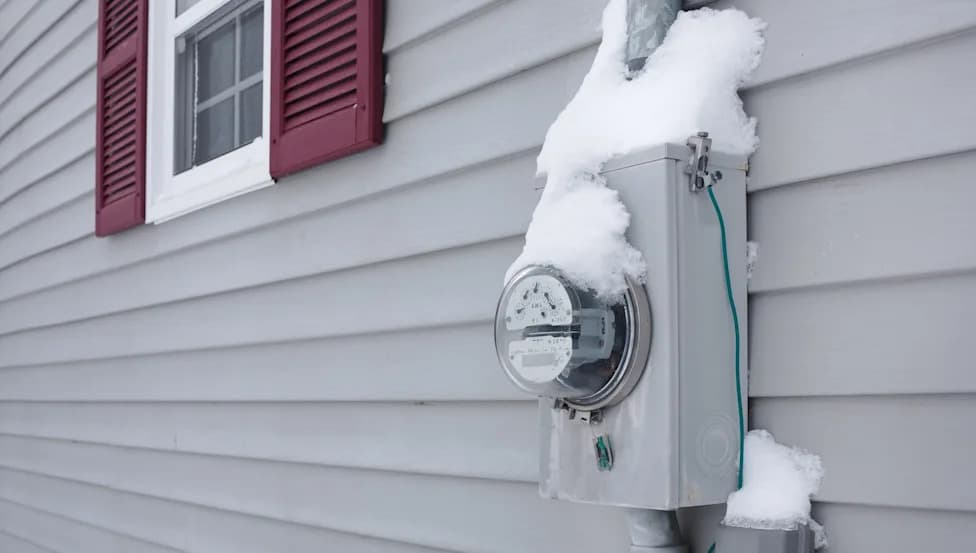
Photo Credit: iStock
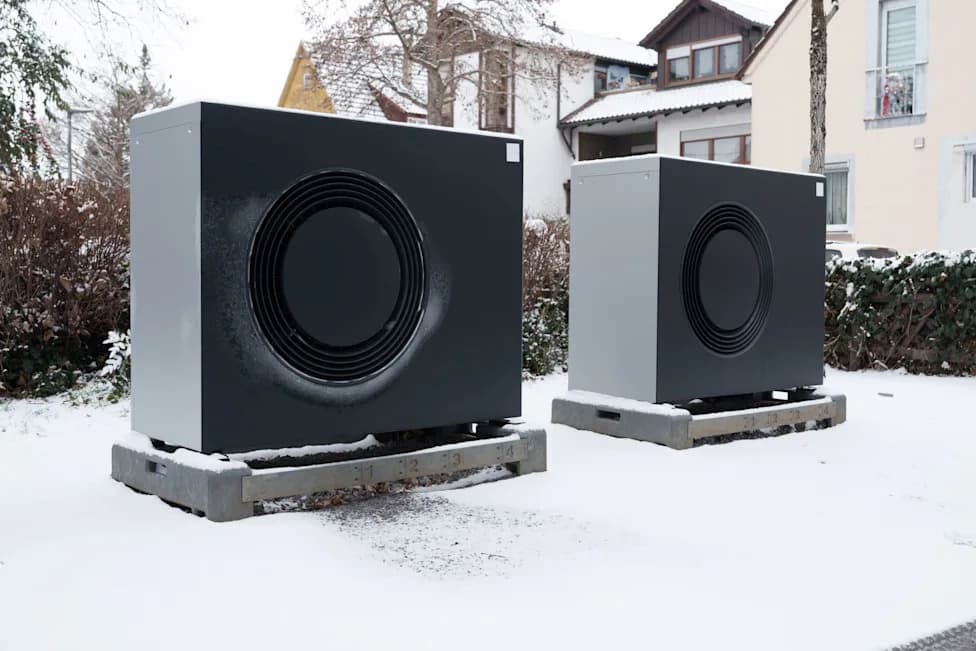
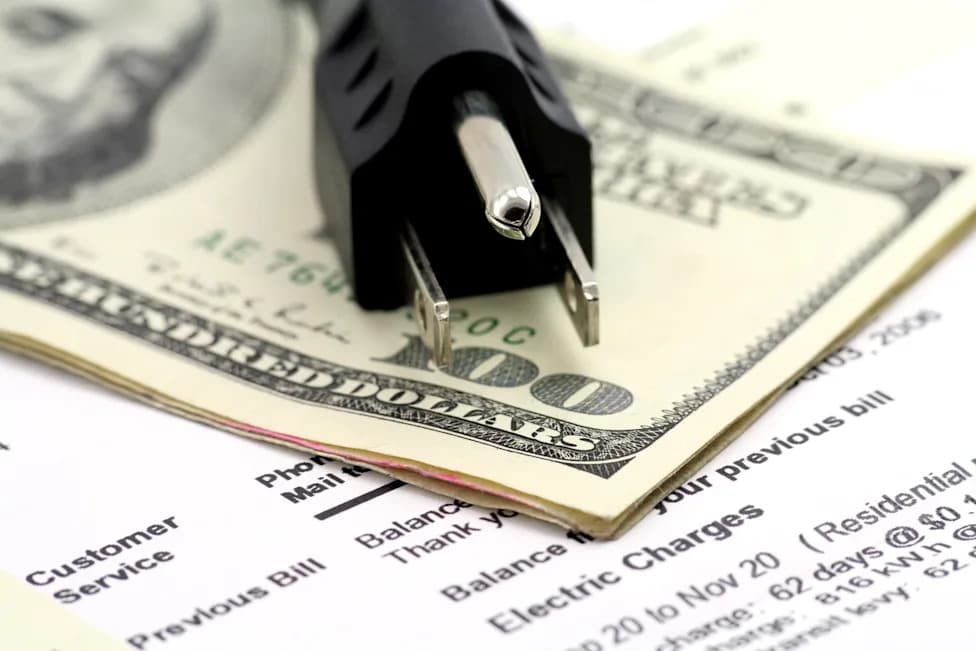
Massachusetts residents who use heat pumps at home will see further cuts to their electricity bills after state regulators approved steeper seasonal discounts for National Grid and Unitil customers. The Massachusetts Department of Public Utilities signed off in July, and the updated rates take effect Nov. 1.
What Changed
The July approval expands an earlier rule that made Massachusetts the first U.S. state to require major utilities to offer households with heat pumps a discounted seasonal price on all electricity use. More than 65,000 households are expected to benefit from the new, deeper winter discounts, according to Canary Media.
Estimated Savings and Impact
Last winter, the initial program saved participating customers more than $37 million in total. Climate think tank Switchbox estimates the updated rate plans from National Grid and Unitil could reduce customer bills by an additional $9.8 million. Switchbox also found that, under the new pricing, a majority of Massachusetts households could lower energy costs by switching from natural gas heating to electric heat pumps.
Why It Matters
An energy-efficient electric heat pump can both heat and cool a home, replacing separate furnace and air-conditioning systems. Properly sized modern heat pumps can serve as practical alternatives to fossil-fuel furnaces even in cold Northeastern winters, helping homeowners cut fuel-price exposure while supporting Massachusetts’ goal of reaching net-zero emissions by 2050.
Barriers, Pilots, and Regional Reaction
Upfront cost remains the main barrier for many homeowners, though rebates and low-interest financing mitigate that obstacle. Seasonal discounted pricing aims to address concerns about higher winter electricity costs, by lowering the cost of running a heat pump when heating demand is highest.
No other state currently requires major utilities to offer the same statewide heat-pump pricing structure. However, similar ideas are being tested: Minnesota’s Xcel Energy has introduced an electric heating rate, Central Maine Power completed a pilot, and advocacy groups like Switchbox are pushing for comparable policies in New York and Rhode Island.
When the Canary Media story was shared on Reddit’s r/HeatPumps forum, commenters reacted positively: “Nice!” and “Budgets are strained these days. Thanks :)” Some users in neighboring states urged their utilities and governors to follow Massachusetts’ lead.
Practical Advice for Homeowners
Homeowners with aging furnaces or air conditioners should compare their current heating and cooling costs with projections for high-efficiency heat pumps. Programs such as Palmetto’s Comfort Plan can help shoppers compare systems, find vetted installers, and explore $0-down financing and long-term maintenance options. Pairing a heat pump with rooftop solar can further increase savings; marketplaces like EnergySage can help identify installers and estimate potential incentives.
Massachusetts’ move is part of a broader push to make heat pumps more affordable and practical in colder climates. Utilities and researchers across the Northeast and internationally are testing new rate designs, pilots, and technologies aimed at cutting household energy bills while decarbonizing home heating.
Help us improve.