Measles cases in the U.S. have reached a 30‑year high, with the CDC reporting more than 3,400 infections across 45 states and D.C. Vaccination coverage is about 93%, below the ~95% level commonly cited for herd immunity. Most U.S. cases occur in unvaccinated people; two vaccine doses are ~97% effective. Post‑exposure vaccination within 3 days or immunoglobulin within 6 days can still prevent disease.
Measles Surge in the U.S.: Cases at 30‑Year High as Vaccination Rates Fall
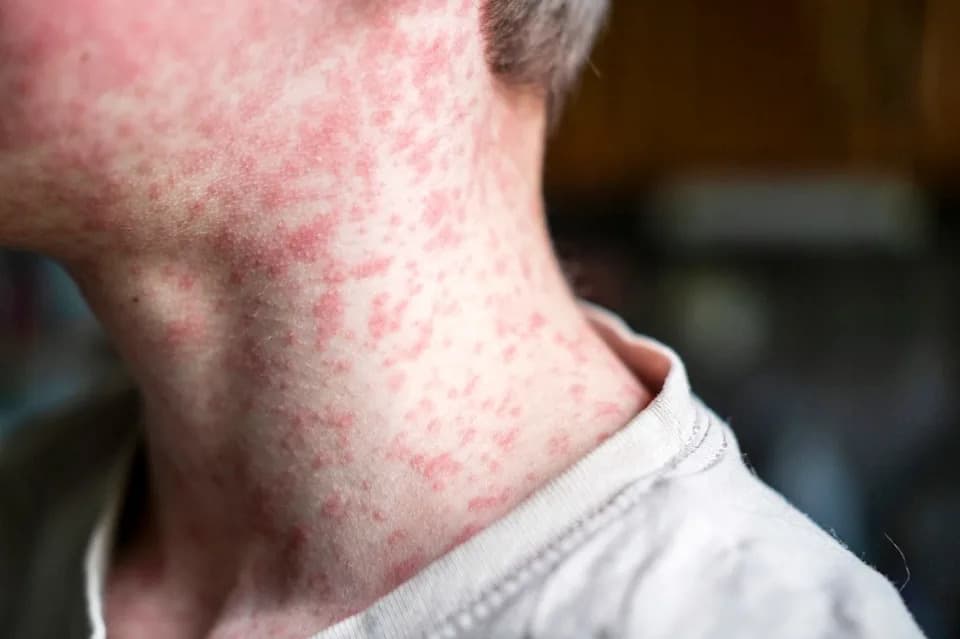
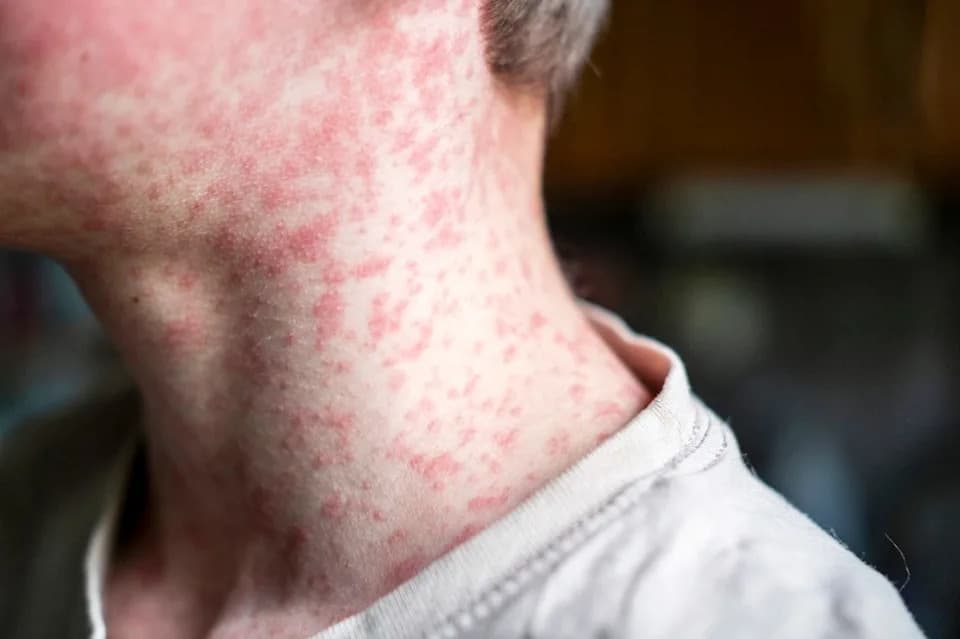
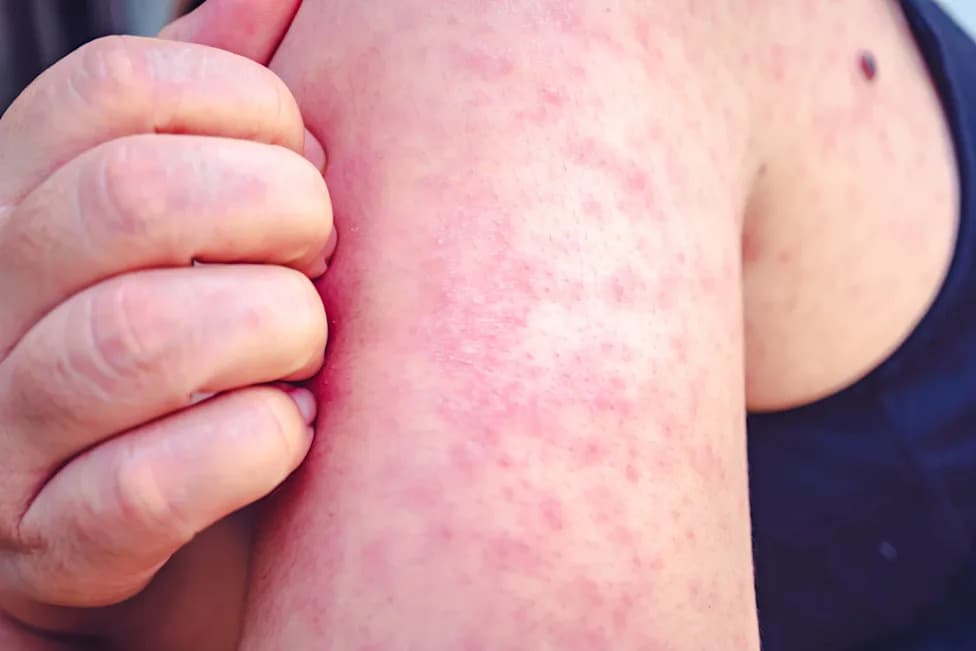
A stock image of the measles rash. Vaccination rates have fallen, and measles cases in the U.S. are at a 30-year high.
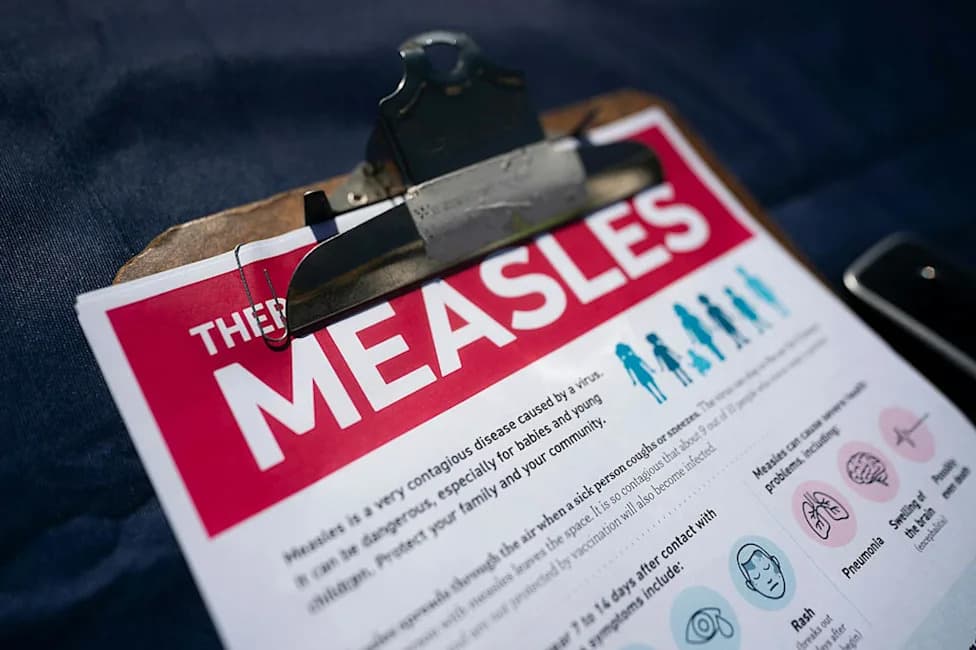
Measles cases in the United States have reached a 30‑year high, prompting renewed concern about this highly contagious virus as vaccination coverage slips below the level needed for community protection.
What’s Happening
The Centers for Disease Control and Prevention (CDC) has confirmed more than 3,400 cases across 45 states and Washington, D.C. so far this year, and at least three deaths have been linked to measles complications. National two‑dose vaccination coverage is roughly 93%, under the approximate 95% threshold often cited for herd immunity; coverage varies widely by community and region.
How Measles Spreads and Who’s At Risk
"Measles is one of the most contagious viruses we have, so it's very difficult to contain," said Dr. Geetika Sood of Johns Hopkins School of Medicine. "If you're unvaccinated and exposed, you have about a 90% chance of developing measles."
The virus spreads quickly in undervaccinated communities. Typical symptoms include high fever, cough and runny nose, followed three to five days later by the characteristic rash. Serious, sometimes fatal, complications include pneumonia and encephalitis (brain inflammation). Infants, young children, adults and immunocompromised people face higher risks of severe disease.
Mortality, Global Context, And Why Numbers Matter
Among reported cases in the U.S., the death rate remains relatively low at about 1–3 deaths per 1,000 reported cases; encephalitis occurs at roughly 1 per 1,000 cases. Globally, however, measles remains deadly: an estimated 107,500 deaths occurred in 2023, mostly in children under five, and in severely malnourished settings case fatality can be as high as 25%.
Vaccination: The Key Prevention Tool
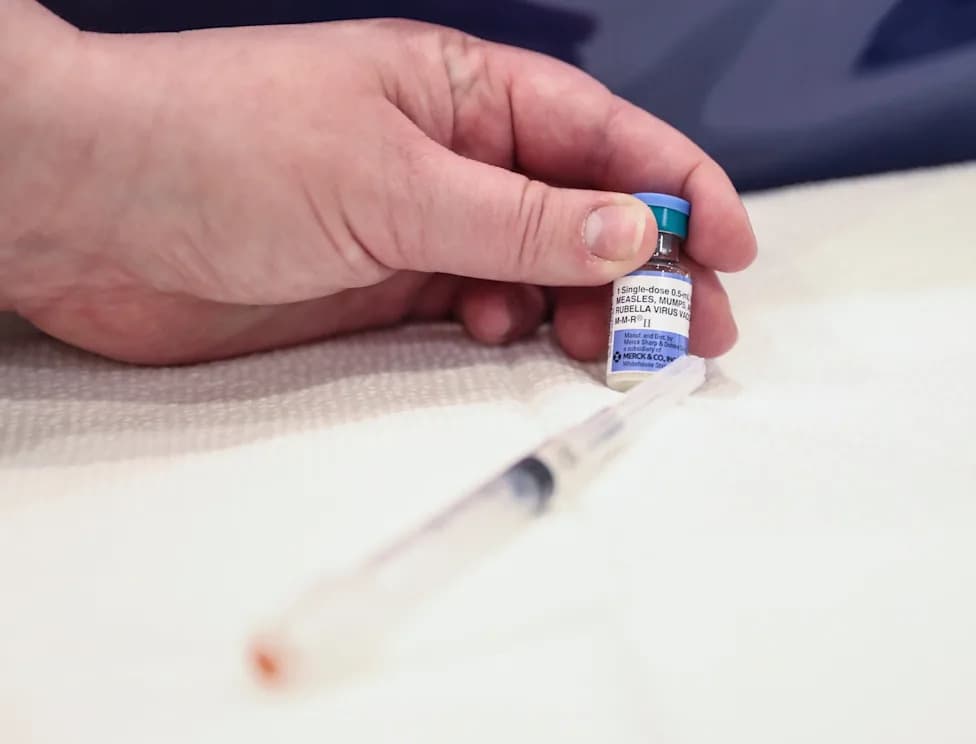
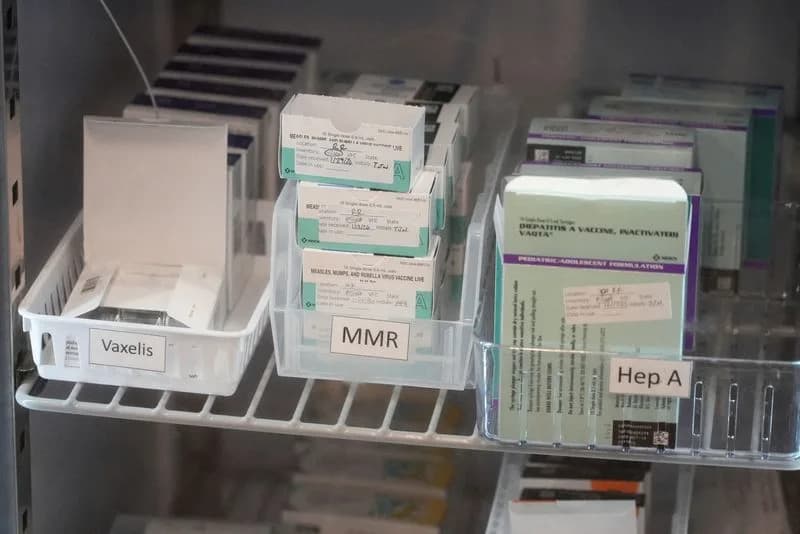
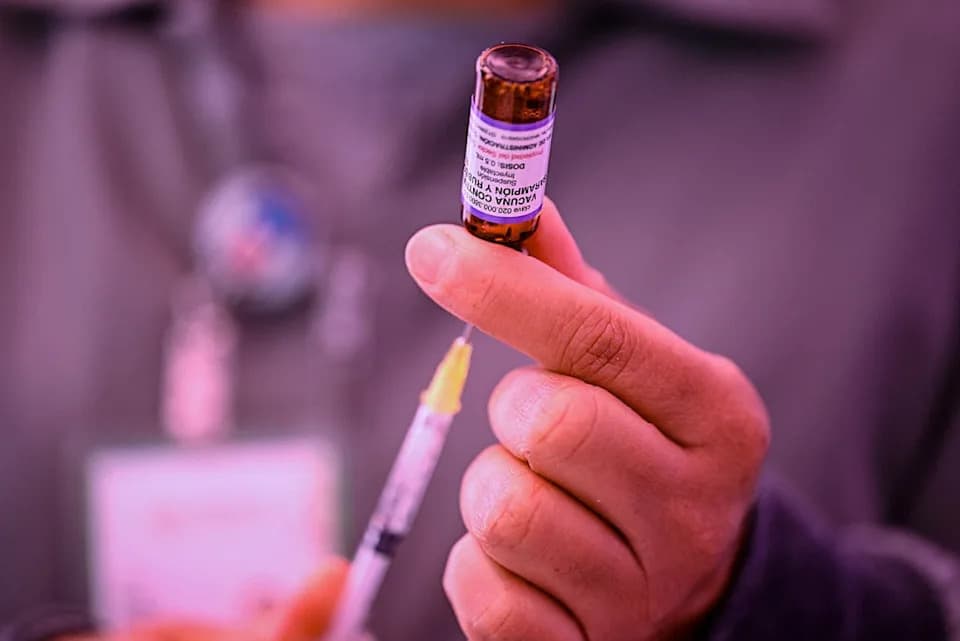
The measles vaccine is safe and highly effective. Two doses are about 97% effective at preventing measles; one dose gives roughly 93% protection. Most recent school‑age children in the U.S. are likely fully vaccinated. Adults born before 1957 are usually considered immune because measles was widespread then; adults born between 1971 and 1984 may have received only one dose and could consider a second.
Post‑Exposure Options
Even after exposure, there are preventive options: a vaccine given within 3 days of exposure can prevent disease, and immune globulin administered up to 6 days after exposure may also be protective. Infected people are contagious from about 4 days before the rash appears until 4 days after it disappears.
Recent Exposure Alert
Public health officials recently advised that a traveler with measles passed through Philadelphia International Airport between 7:25 p.m. on September 13 and 12:05 a.m. on September 14, moving through terminals B and F and connected areas. Travelers present in those locations during that window were urged to check their vaccination status and seek guidance from health authorities.
Why This Is Concerning
Experts say the current resurgence is driven not by vaccine failure but by declining vaccination coverage. When coverage falls in pockets of the population, conditions are created for rapid, sustained spread. If domestic transmission grows, it could threaten the U.S. measles elimination status maintained since 2000.
Public Guidance
Health officials continue to urge vaccination as the best protection. If you are unsure of your or your child’s vaccination status, contact your healthcare provider. Timely vaccination and rapid public health response are the most effective ways to prevent further spread and avoid severe complications.
Help us improve.