Invasive rats have overtaken Manuk Island in Indonesia’s Banda Sea, decimating seabird colonies that once numbered as many as 90,000. The loss of seabirds — and the guano nutrients they provide — threatens nearby reef productivity and resilience. Edi Frommenwiler is leading a community campaign seeking $25,000 in seed funding and government support to plan a carefully designed eradication and long-term biosecurity programme, with partners Island Conservation and Ocean Earth Foundation. Successful removals on other islands suggest the ecosystem could recover if rats are eliminated.
From ‘Snake Island’ to ‘Rat Island’: How Invasive Rats Are Threatening Manuk’s Seabirds and Reefs
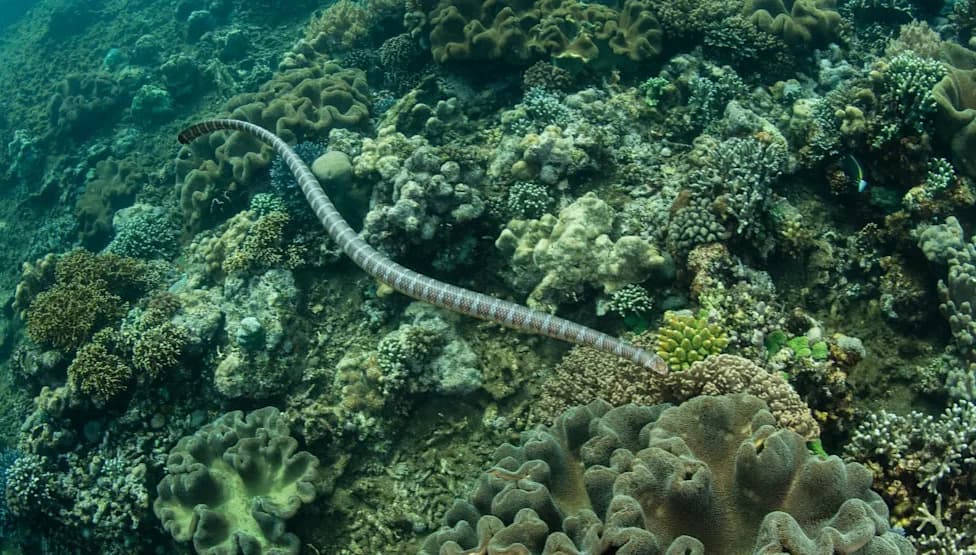
Photo Credit: iStock
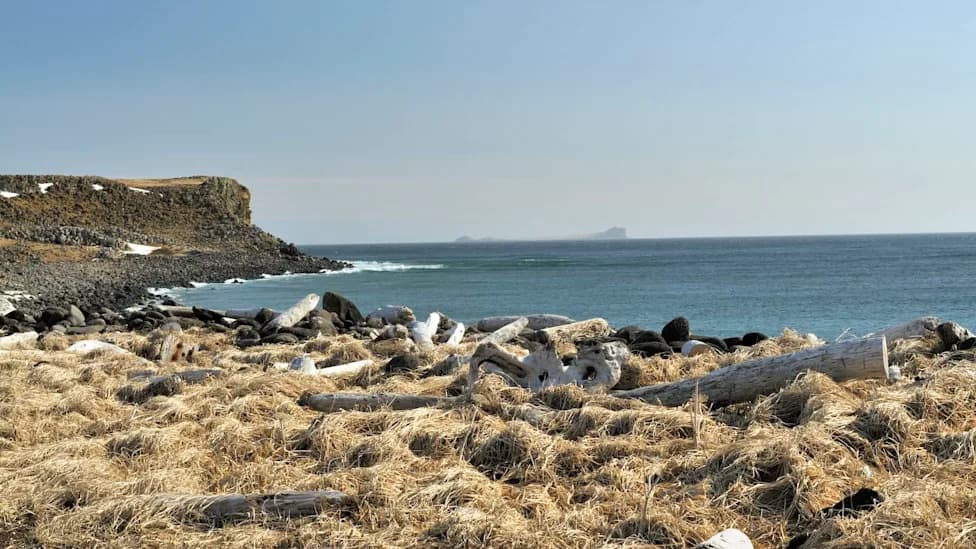
An invasive rat population has transformed Indonesia’s Manuk Island — long known to divers as “Snake Island” — into what many now call “Rat Island.” The infestation has devastated the island’s seabird colonies and is likely reducing nutrient flows that help sustain surrounding coral reef ecosystems, conservationists warn.
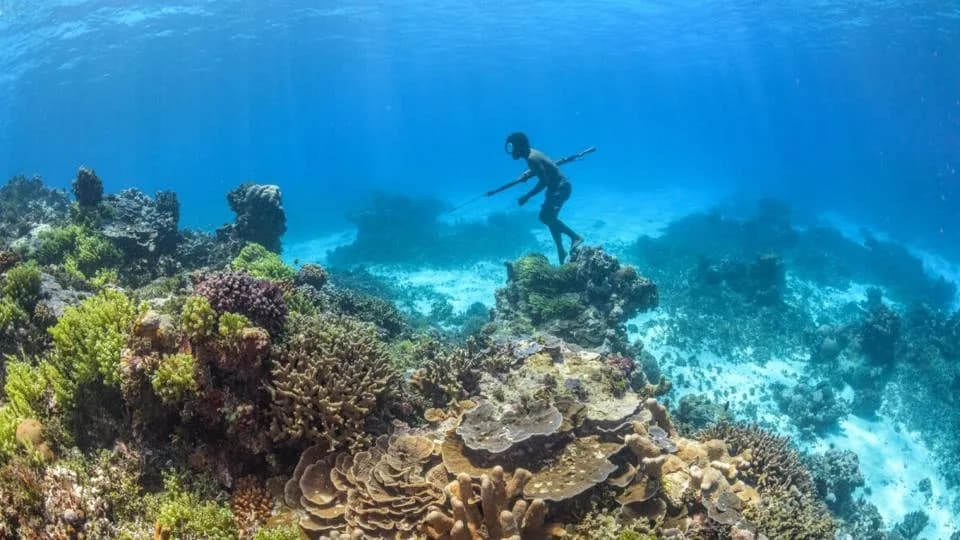
Manuk, in the Banda Sea, is the region’s largest seabird breeding ground. The uninhabited volcanic islet covers roughly 100 hectares and rises about 925 feet (282 meters) above sea level. Divers prize the area for its dramatic underwater terrain, hard corals, sponges, gorgonians, geothermal bubbles and frequent visits from tuna, barracuda, reef sharks, rays and occasional scalloped hammerheads — but the island’s terrestrial decline may be undermining these marine attractions.
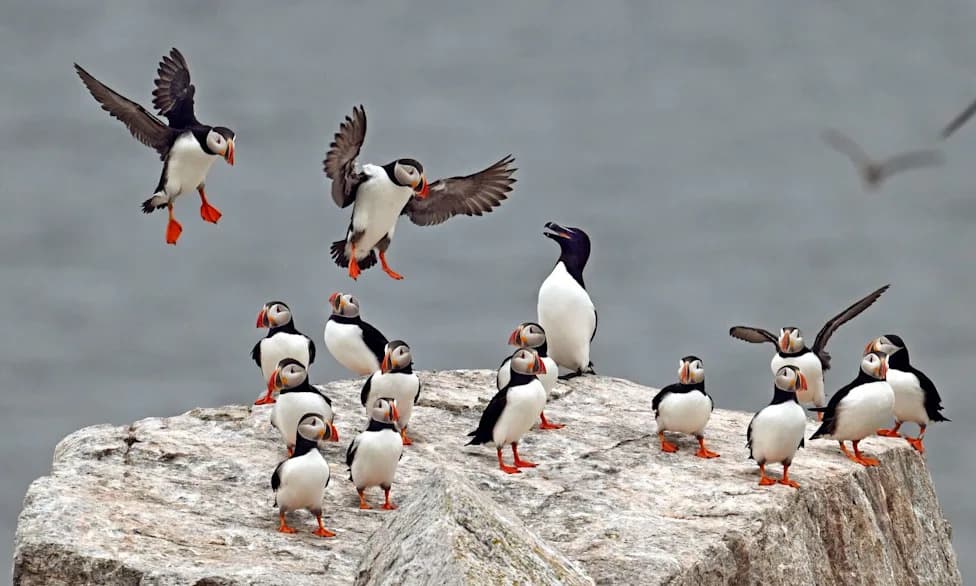
According to reporting by Divernet, seabird numbers plunged from an estimated 90,000 in the early 1970s to roughly 7,000 a decade later, and had fallen by about half again by 2009 — leaving only a few thousand birds. Rats, believed to have been introduced on fishing vessels, now swarm the beaches. “If you walk 20m along the beach you’re likely to see as many as 30 rats,” says Edi Frommenwiler, an underwater filmmaker and liveaboard operator who first dove at Manuk in 1992 and witnessed the island’s former abundance of red-tailed tropicbirds, frigatebirds, boobies and sea snakes.
“I don’t want to have something halfway — I want to have a proper job done. By being part of this project, I want to give back to the ocean.”
— Edi Frommenwiler
Frommenwiler is now spearheading a community-led campaign to restore Manuk. He is raising an initial $25,000 in seed funding to support feasibility studies and a carefully designed first-stage eradication plan, with the goal of attracting national government backing on the order of one million dollars. Proposed work includes detailed non-target risk assessments, baiting protocols to protect native reptiles and land crabs, logistical planning for a remote operation, and long-term biosecurity measures coordinated with Banda communities and government agencies.
Frommenwiler is working with international partners including New Zealand-based Island Conservation and the Ocean Earth Foundation. Divernet notes that experienced conservation teams could use helicopters or drones to deliver bait in ways intended to minimise disturbance and avoid broader ecological damage. The fact that Manuk is uninhabited and has no domestic animals is likely to simplify planning and biosecurity, the organisers say.
Why it matters: seabirds act as a “guano engine,” transferring nutrients from ocean to land through their droppings. Those nutrients—rich in nitrogen and phosphorus—wash back into coastal waters and can dramatically boost reef productivity. Studies cited by Divernet and conservation groups show reefs adjacent to strong seabird colonies may support up to four times the fish biomass and exhibit faster coral growth and greater resilience compared with reefs that lack seabird-derived nutrients.
Evidence from other island eradication projects is encouraging: seabird populations rebounded on Tromelin Island after rat removal; near-extinct species returned to Lord Howe Island, NSW, following rodent eradication; storm petrels reappeared on a French Polynesian island after a century away; and stoat removals across Orkney, Scotland, have helped ground-nesting birds recover. These examples give conservationists hope that Manuk could recover if rats are eliminated and robust biosecurity is maintained.
Next steps include raising the initial seed funds to complete feasibility work and secure government partnership, finalising a non-target-safe eradication plan, and implementing a monitoring program for seabirds and reefs so recovery can be measured. Frommenwiler and his partners are appealing to liveaboard operators, conservation donors and government agencies to support the programme.
Source: Divernet reporting and interviews with project organisers.
Help us improve.