The New Guinea flatworm, Platydemus manokwari, was introduced to Samoa in the 1990s to control the invasive giant African snail (Achatina/Lissachatina fulica) but instead preyed on native land and tree-dwelling snails. Release events were recorded on Savai'i in 1996–1998 and 2001, and the flatworm reached Upolu by the late 1990s. As a climbing, generalist predator, it contributed to steep declines among endemic snails — a cautionary example of biological-control gone wrong.
How Samoa’s ‘Solution’ to the Giant African Snail Sparked a Native-Species Crisis
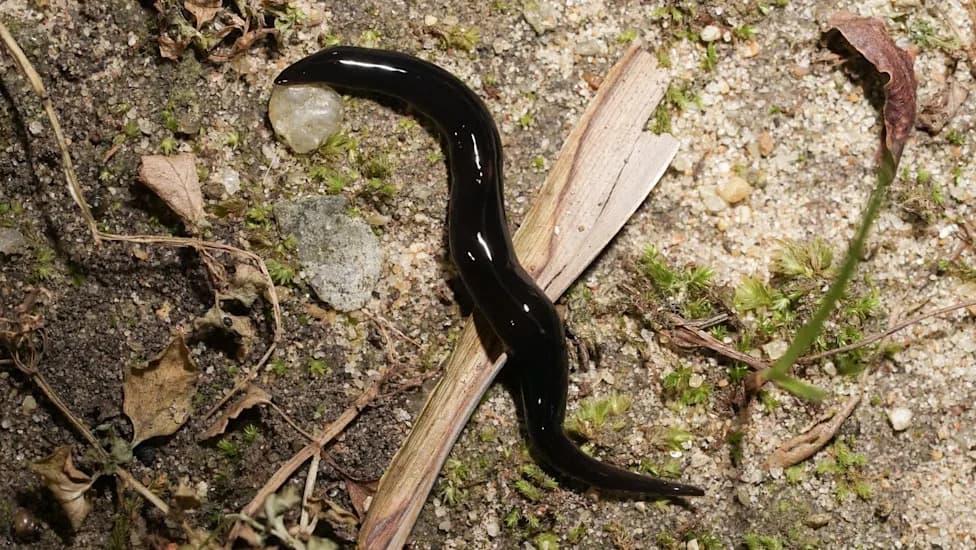
Photo Credit: iStock
In the 1990s, Samoa introduced the New Guinea flatworm to combat crop damage from the invasive giant African snail. What followed was an unintended ecological chain reaction: the flatworm preyed on native land snails — including vulnerable tree-dwelling species — and contributed to steep declines of endemic snails across the islands.
Background: Intended Control, Unintended Consequences
The agricultural threat centered on the giant African snail, Achatina fulica (also recorded as Lissachatina fulica), which damages crops and gardens. To suppress that pest, Samoan authorities released the predatory New Guinea flatworm, Platydemus manokwari, during the 1990s. Published reports and field studies document releases on Savai'i in 1996–1998 and again in 2001, and researchers conclude the flatworm had reached Upolu by the late 1990s.
Why the Flatworm Was So Harmful
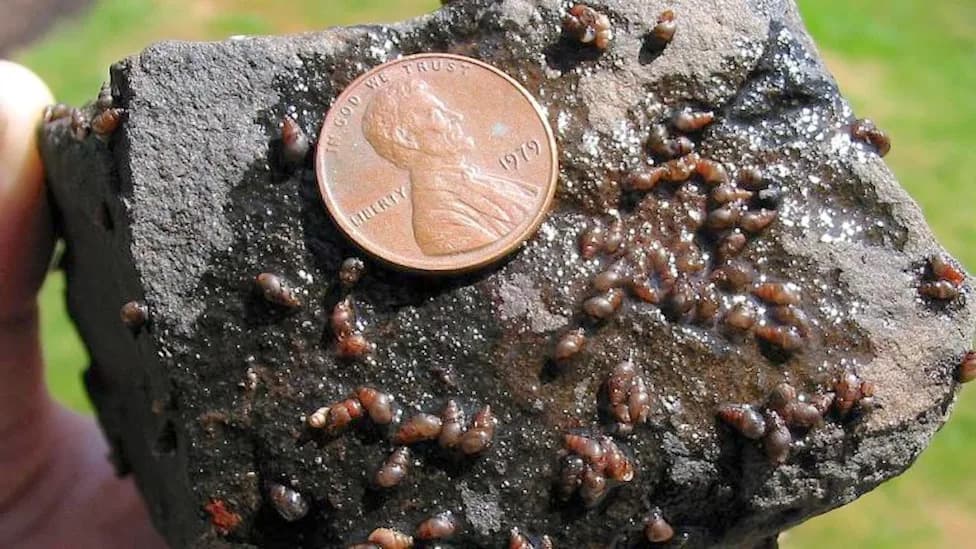
Platydemus manokwari is a generalist predator that moves along the ground and climbs vegetation, so it will prey on many snail species it encounters — not only the invasive target. Many Pacific island snails occupy extremely small, localized ranges and evolved without defenses against such predators. When a new predator arrives, a single island — or even a small part of it — can lose species found nowhere else on Earth.
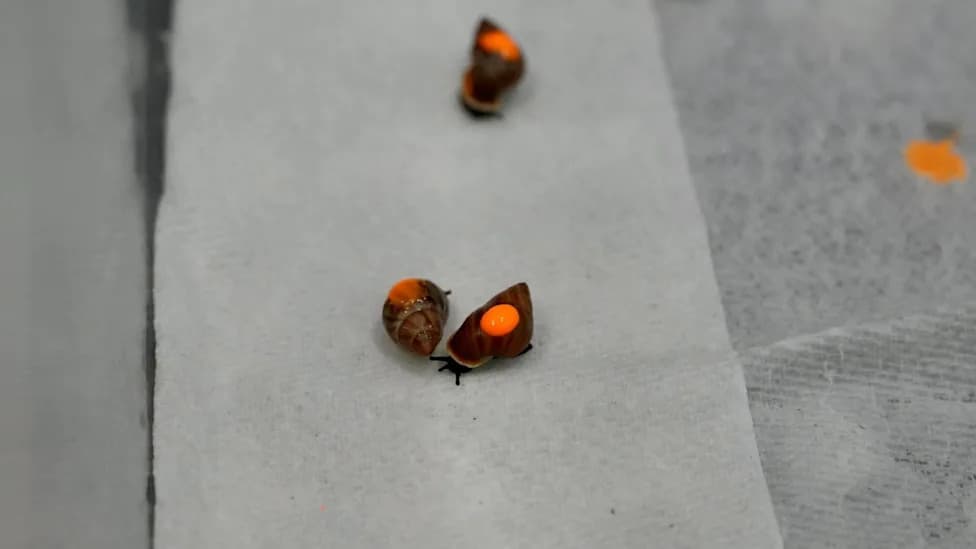
Impact: Researchers documented declines in partulid tree snail populations and other endemic species in areas where the flatworm became established.
Broader Pattern Across the Pacific
Samoa’s experience mirrors other biological-control attempts that backfired. In several Pacific islands, predatory snails in the genus Euglandina were introduced to combat giant African snails; those efforts often failed to control the invader and instead accelerated declines and extinctions among native snails. The U.S. Fish and Wildlife Service now lists Platydemus manokwari as a threat to native land snails and links some island extinctions to this invasive flatworm.
Other Factors and Lessons
Not every local decline in Samoa can be attributed solely to the flatworm. Habitat loss, preexisting population declines, and other pressures likely played roles. Still, introducing a generalist predator amplified extinction risks in fragile island ecosystems.
Conservationists view the Samoan case as a cautionary tale about quick biological fixes: well-intentioned introductions can have irreversible ecological consequences. Protection and recovery of affected snail species now involve careful monitoring, habitat protection, and targeted conservation programs to avoid repeating past mistakes.
Sources: local reporting, field studies documenting releases on Savai'i and spread to Upolu, and U.S. Fish and Wildlife Service assessments.
Help us improve.