Fiji is using captive breeding, ocean nurseries and targeted releases to rebuild giant clam populations that have declined dramatically in the Indo‑Pacific. The Makogai Mariculture Research Centre and partnerships with resorts, universities and communities rear Tridacna gigas and Tridacna maxima for release, and a March 2026 deployment at Vorovoro saw 100% survival for T. maxima seeds with rapid growth. Major challenges—poaching, predation, coastal development and climate‑driven bleaching—mean long‑term recovery will require sustained habitat protection, community enforcement and climate action.
How Fiji Is Rebuilding Giant Clams and Restoring Reef Resilience
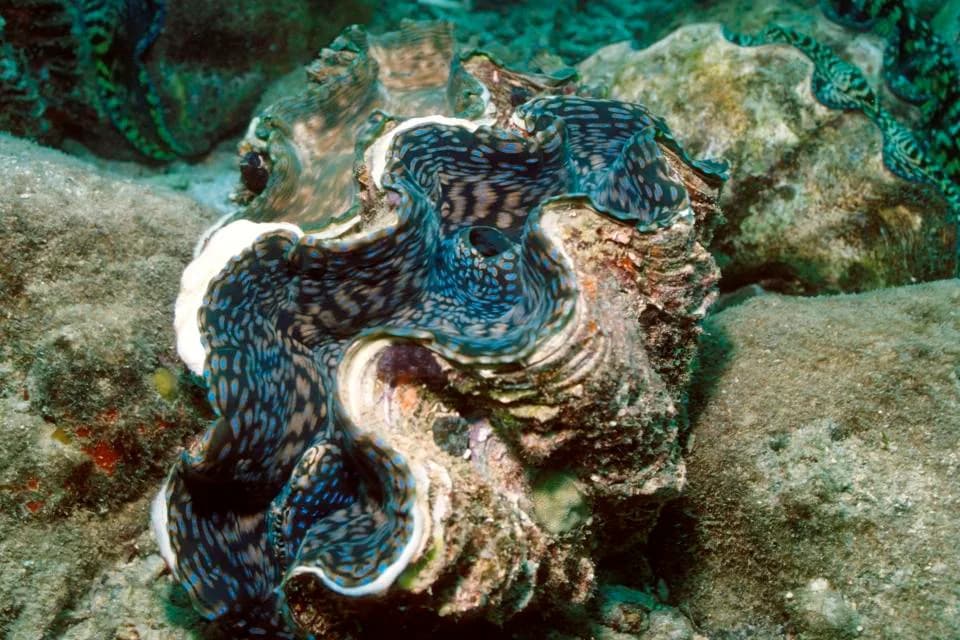
A giant clam, Tridacna Moerdermuschel on a reef. (Photo By: Education Images/Universal Images Group via Getty Images)Universal Images Group via Getty Images
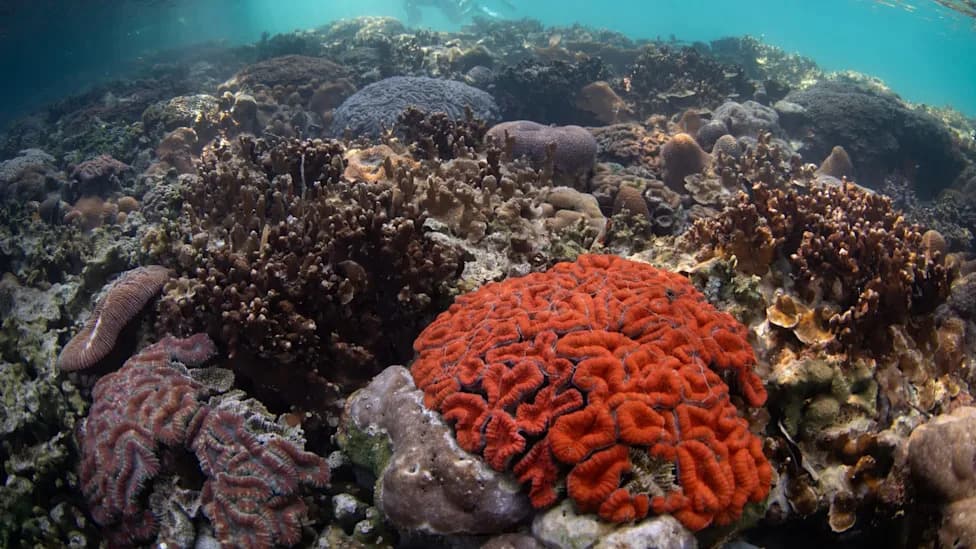
Giant clams are long‑lived, slow‑maturing reef giants that play outsized roles in tropical ecosystems. Once common across the Indo‑Pacific, species such as Tridacna gigas have suffered catastrophic declines. In response, Fiji has launched coordinated captive‑breeding, ocean nursery and reseeding programmes to rebuild wild clam populations and restore reef function.
Why Giant Clams Matter
Giant clams act as keystone species and ecosystem engineers. They host millions of photosynthetic microalgae in their tissues, filter and clarify large volumes of seawater, excrete nutrient‑rich waste that feeds reef life, and deposit calcium carbonate as their shells grow—contributing to reef structure and stability. Empty clam shells also become habitat for small fish, crabs and sponges.
Fiji's Hands‑On Conservation Approach
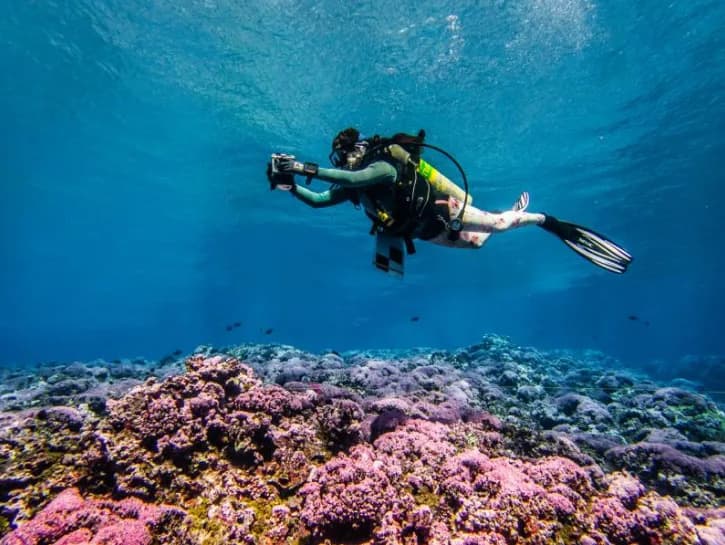
Fiji's Ministry of Fisheries leads a multi‑partner effort that combines the Makogai Mariculture Research Centre, resort and community projects, universities and international partners. Clams—including Tridacna gigas and Tridacna maxima—are spawned and reared in hatcheries, grown in protected ocean nurseries, and then released or relocated to protected lagoons and reef sites such as Gau Island, Vorovoro and Tavarua.
Alisi Soderberg, a marine biologist at Kokomo Private Island, says clams produce calcium carbonate that helps strengthen reef structure, and that recovering adult clams can increase opportunities for natural fertilization and recruitment.
Encouraging Results — And Real Limits
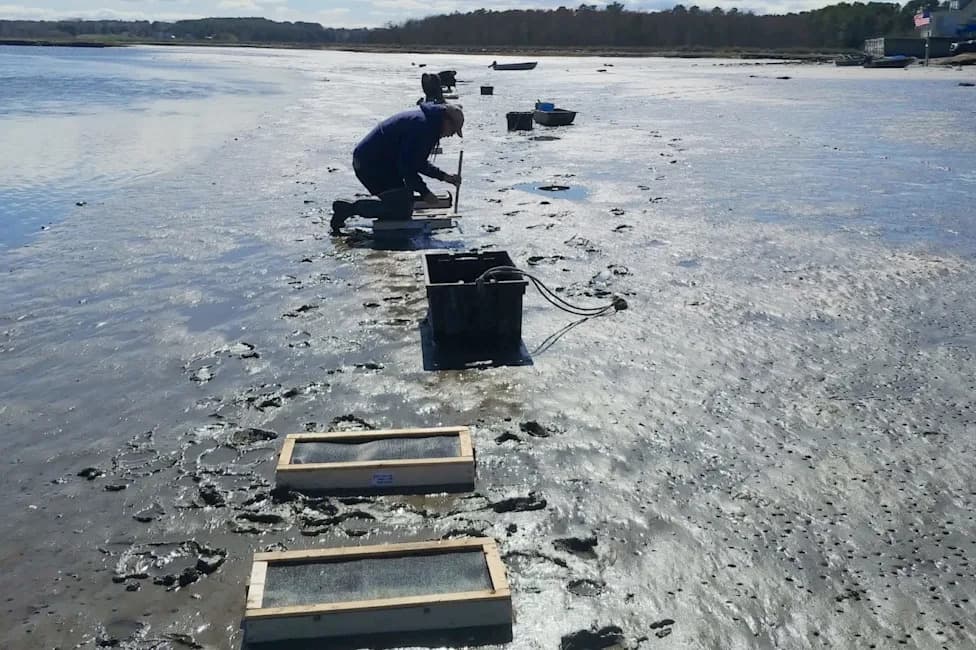
There have been promising signs: in March 2026 researchers reported a 100% survival rate for Tridacna maxima seeds released at Vorovoro, with individuals growing three to four times their original size. Resorts and communities monitor natural juvenile settlement and use protected cages and settlement slabs to improve early survival.
Still, several constraints limit recovery. Key threats include illegal harvesting, predation (for example by octopus), coastal development that increases sedimentation and pollution, marine heatwaves and ocean acidification. Giant clams are also slow to reach reproductive age—typically 10 to 12 years—which slows natural population recovery and makes long‑term success of reintroduction programmes more difficult.
Policy, Community Action And Costs
Legal protections underpin Fiji's work: the Fiji Fisheries Act imposes strict harvesting rules and bans the export of giant clam meat, and many local communities have established no‑take marine reserves. However, maintaining hatcheries and ocean nurseries—especially on remote islands—can be costly due to logistics, and enforcement gaps in some maritime areas allow poaching to continue.
What It Would Take To Succeed
Boosting the number of clams in captivity is only part of the solution. Long‑term habitat protection, community stewardship, stronger enforcement and actions to mitigate climate impacts are all essential to give reintroduced clams a chance to reach maturity and reproduce. If these elements come together, Fiji's coordinated approach could become a model for other small island nations aiming to restore critically endangered marine species.
Originally published on Forbes.com.
Help us improve.