A lone male stoat photographed on Rousay in April remains at large despite a targeted £150,000 effort using detection dogs, AI cameras and hundreds of traps. The most recent confirmed sighting was on 6 September. Conservationists warn the stoat threatens ground-nesting birds (curlews, lapwings, oystercatchers) and the unique Orkney vole, vital prey for hen harriers and short-eared owls. The ONWP — a £15m partnership — has removed more than 9,000 stoats across Orkney since 2019.
Last Stoat On Rousay Still At Large After £150,000 Response
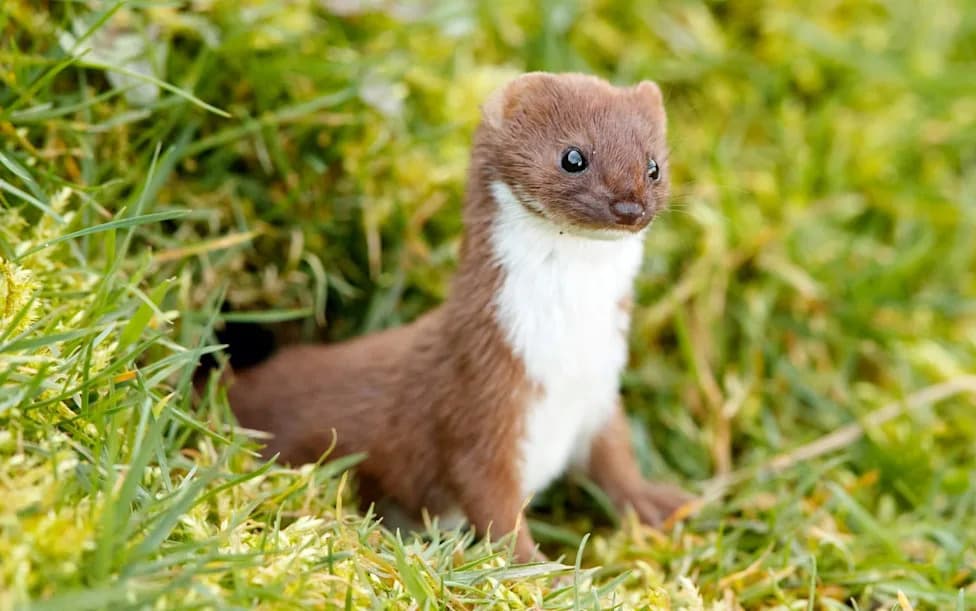
The non-native stoat is threatening local wildlife on the Orkney island - Getty Images/Ben Queenborough
A lone male stoat photographed on the remote Orkney island of Rousay in April remains uncaptured despite a targeted £150,000 response and months of intensive searching.
What Has Happened
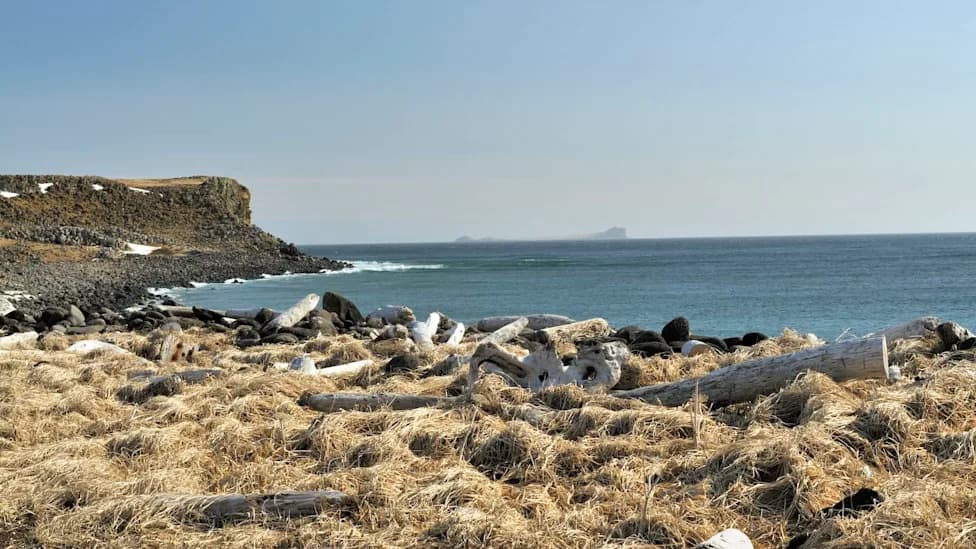
Rousay — a small, hilly island of about 230 residents — was long considered free of the non-native stoat until a camera trap recorded a male in April. The most recent confirmed sighting was on 6 September.
Response And Methods
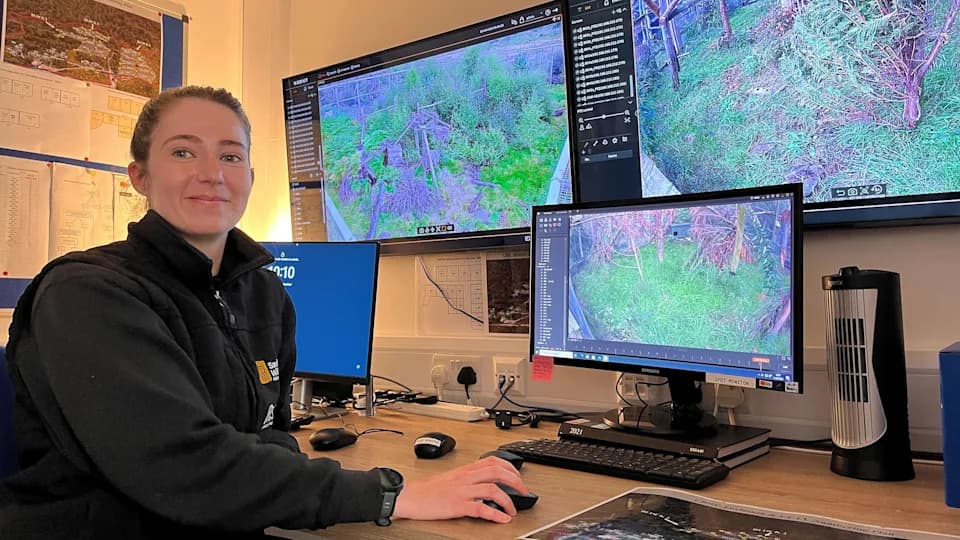
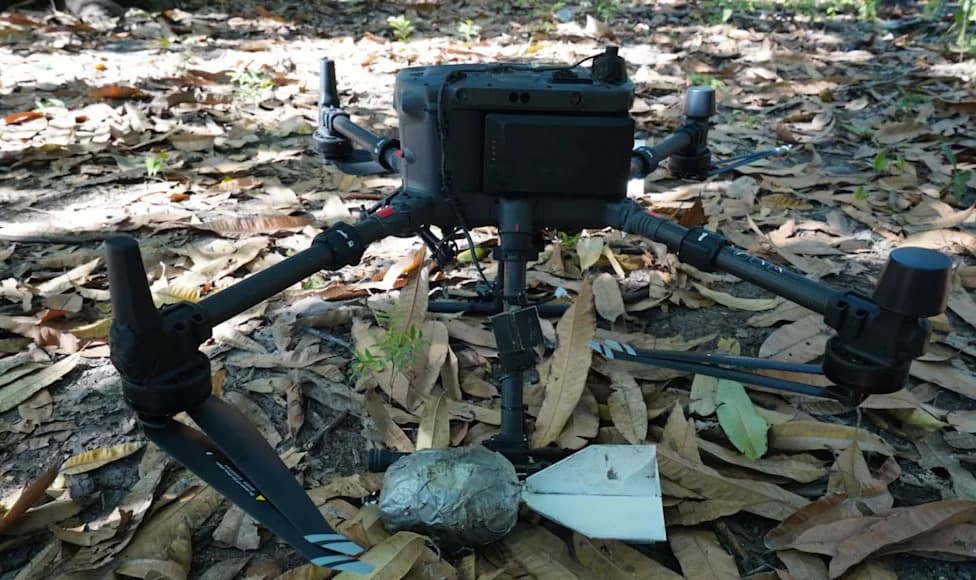
Conservation teams, led by the Orkney Native Wildlife Project (ONWP), mobilised detection dogs, specialised artificial-intelligence cameras and a network of traps. Since May, teams have placed 229 traps and deployed 59 cameras on Rousay alone. An extra £150,000 funded the hiring of a dedicated trapper, another staff member, vehicles and equipment to intensify the search.
More than 9,000 stoats have been killed on the Orkney Islands - Alamy/Steve Holroyd
Why This Matters
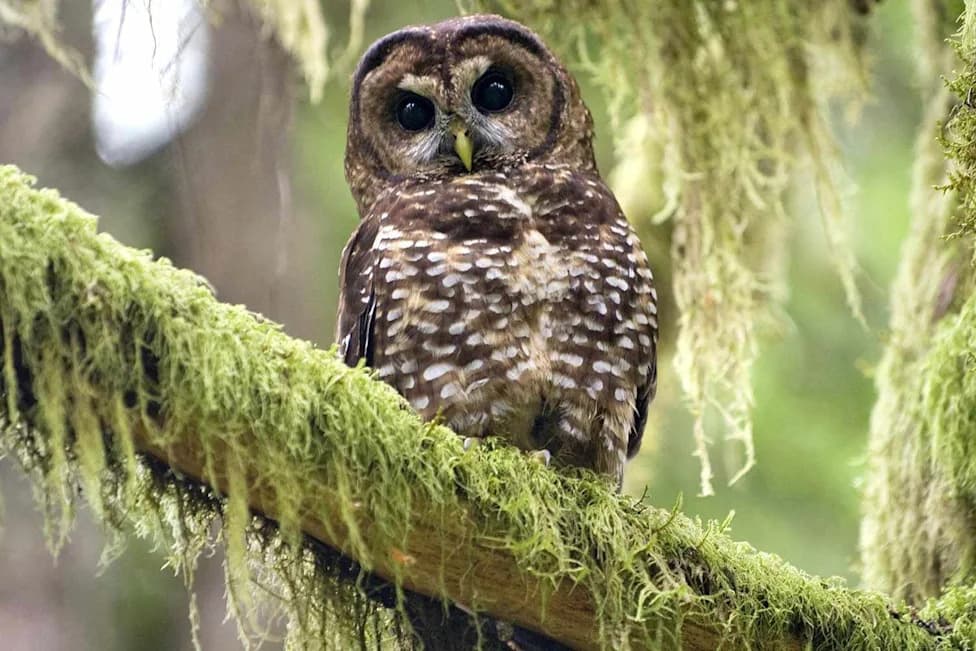
Stoats are an invasive predator in the Northern Isles and pose a serious threat to ground-nesting birds such as curlews, lapwings and oystercatchers. They also prey on the Orkney vole — a species unique to the archipelago and the main food source for rarer raptors including the hen harrier and short-eared owl. To date the ONWP says it has removed 9,039 stoats from Orkney in what it describes as the world’s largest eradication effort for the species.
How The Stoat Likely Arrived
Stoats were first detected on Orkney in 2010. Experts believe they may have arrived accidentally, for example hidden in ferry cargo such as hay, or been released intentionally to control rabbits. The Rousay animal is thought to have swum roughly two miles from Mainland — Orkney’s largest island — demonstrating how easily a single individual can recolonise nearby islands.
Ongoing Work And Public Appeal
The ONWP continues to use detection dogs trained to locate stoat droppings and deploys traps and cameras across the islands. Members of the public are urged to report any sightings or signs of stoats to local authorities to help protect vulnerable wildlife and nesting sites.
Key statistic: The ONWP is a £15 million partnership between RSPB Scotland, NatureScot and Orkney Islands Council working to protect native wildlife across roughly 70 islands.
Help us improve.