Lonnie G. Bunch III, the Smithsonian's secretary and founding director of the National Museum of African American History and Culture, will retire at year-end after a nearly five-decade museum career. He defended the institution's mission to tell complete—and sometimes painful—stories about the nation amid heightened scrutiny from the White House. Bunch, the first historian and first African American to lead the Smithsonian, emphasized that museums preserve America's collective memory and urged honest engagement with history.
Lonnie G. Bunch III to Retire as Smithsonian Secretary; Defends Museums as America's Collective Memory
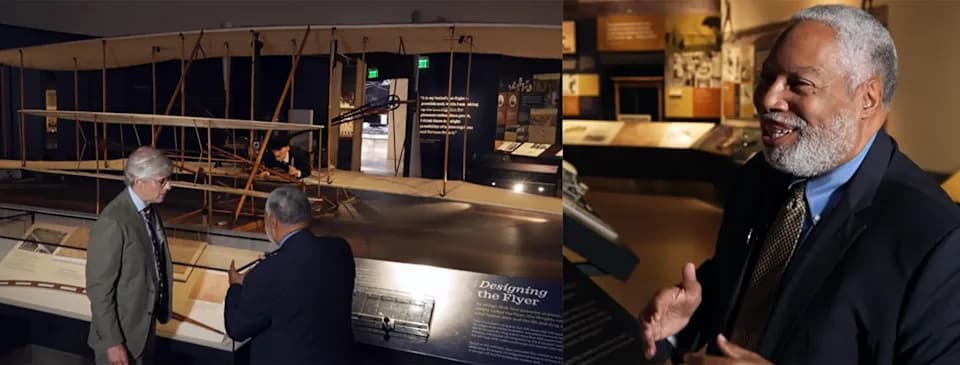
Correspondent Mo Rocca with Secretary of the Smithsonian Lonnie G. Bunch III, at the National Air and Space Museum in Washington, D.C., home to the Wright Brothers' 1903 airplane. / Credit: CBS News
Lonnie G. Bunch III strolls through the Smithsonian's National Air and Space Museum with an enthusiasm for history that's unmistakable. "I just love this museum so much," he said, lingering over objects that to him embody American ingenuity.
One favorite is the 1903 Wright Brothers' flyer—the original first powered airplane to fly successfully. Bunch recalled visiting Kitty Hawk and seeing a replica, then laughing that he wanted to tell people, "We got the real one!" He said the original's presence at the Smithsonian ensures generations can appreciate the creativity and joy at the heart of the American spirit.
As Secretary of the Smithsonian Institution, Bunch oversees 20 museums and the National Zoo. His museum career began nearly 50 years ago at the Air and Space Museum when then-director and former Apollo 11 astronaut Michael Collins hired the 25-year-old historian. "I think he probably saw passion," Bunch said. "I cared so much about history. I didn't understand what I was going to do, but I loved it."
Historic Leadership and a Commitment to Truth
In 2019 Bunch made institutional history as both the first professional historian and the first African American to serve as Smithsonian Secretary in the institution's roughly 180-year history. At his installation he invoked Frederick Douglass, noting the irony and progress of an African American speaking in places where Douglass once could not. "I just wanted to signal that I will never be afraid of telling truthful stories, no matter how hard or how painful they are," he said.
"You can run from history, but you can't hide."
Bunch frequently compares avoiding difficult national narratives to refusing a full physical exam: "You only know a little bit about who you are — you're incomplete." For him, museums are the nation's best storytellers, places where complexity can be explored honestly.
Politics, Scrutiny and Institutional Defense
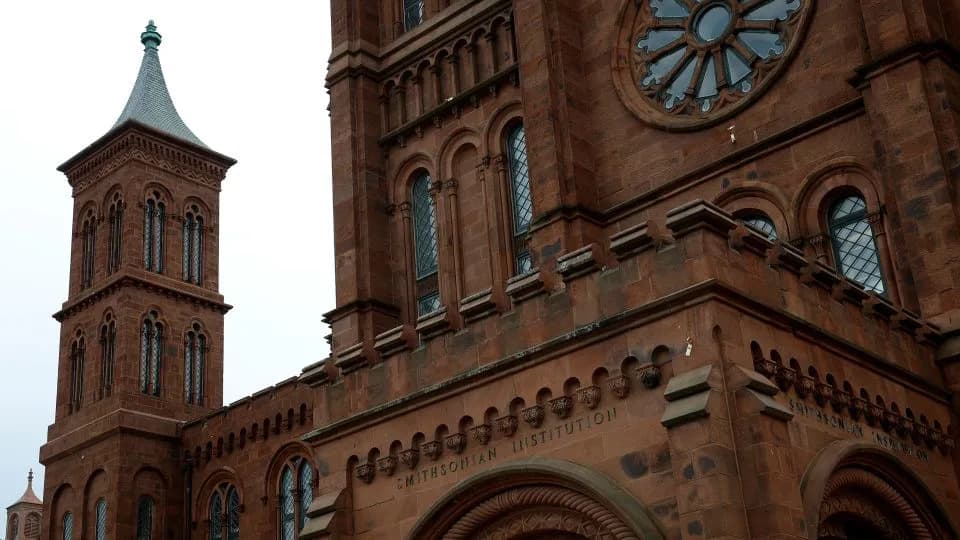
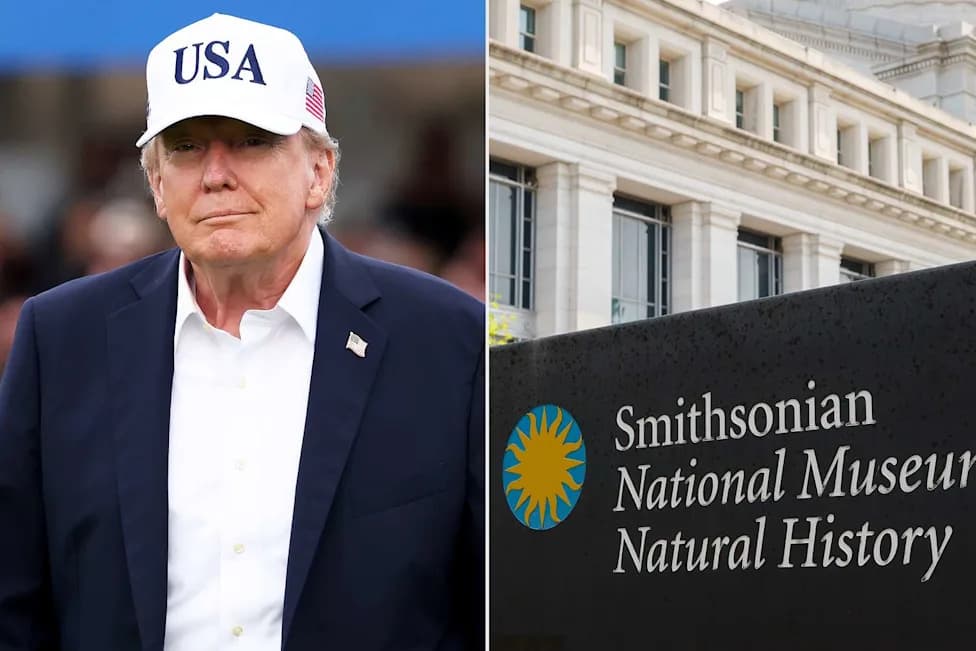
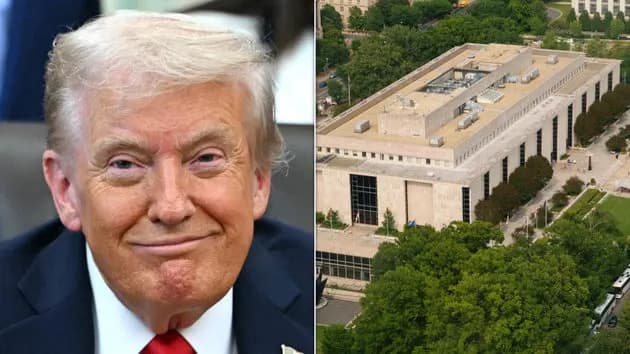
Over the last year and a half the Smithsonian has been the focus of public and political scrutiny. In March 2025, the White House issued an executive order criticizing the institution for what it called a "divisive, race-centered ideology" and threatened to cut funding. On August 19, 2025, the president used social media to fault the museums for portraying the country in a negative light. A July 4 report of more than 160 pages singled out the National Museum of American History and suggested the museum needed more overtly patriotic framing, even proposing a mock "warning" sign at entrances.
Bunch said political pressure did not prompt his decision to retire. "No, not really," he said, noting that many challenges are part of why he stayed. He felt compelled to protect the Smithsonian and the integrity of history even while countering mischaracterizations that portray the institution as driven by "left-wing radicals who want to destroy America."
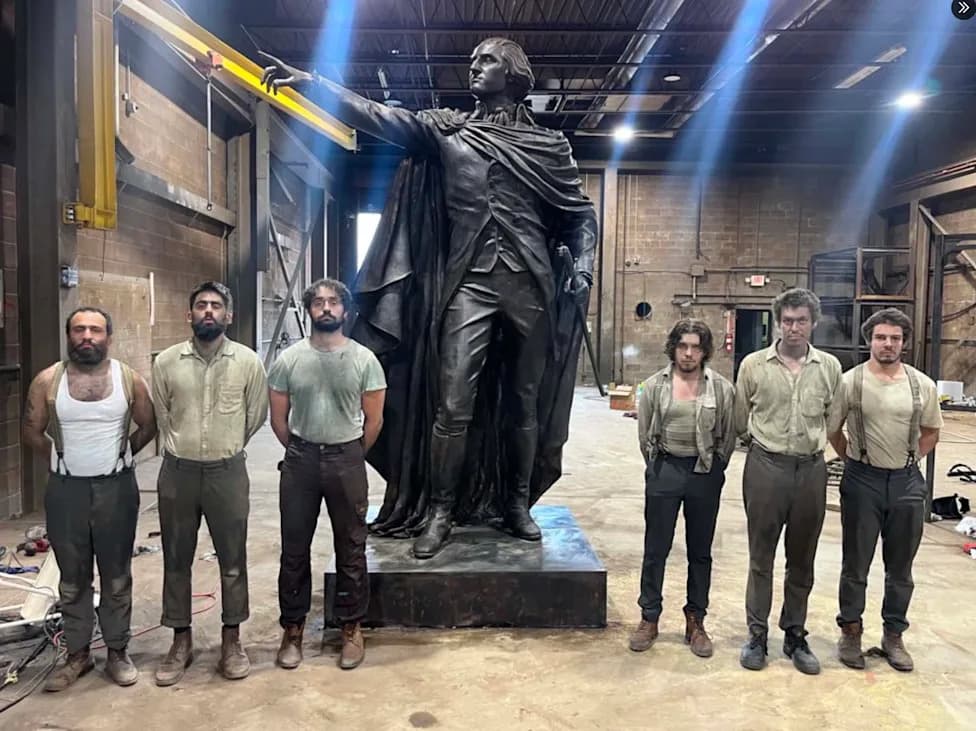
Responding to specific criticism that the museum did not sufficiently honor the Founding Fathers, Bunch rejected that claim: "Those stories are there. Could they be told more expansively? Sure. But saying they aren't there, or that there's no love or acknowledgment of the special nature of the Founding Fathers, is wrong."
Legacy: The National Museum of African American History and Culture
Bunch cited his most important achievement as serving as founding director of the National Museum of African American History and Culture, which opened ten years ago to widespread acclaim. "There's no doubt that the most important thing I've ever done in my career was be part of building the National Museum of African American History and Culture," he said. "It is a museum that says, 'Here is a story of us all. Here is a people's journey, but a nation's story.'"
Asked about his successor, Bunch outlined qualities he hopes to see: a leader who cares about the institution's history, understands the political terrain, and has the courage to take responsibility—"and needs to be somebody who is courageous enough, when all else fails, to blame me," he quipped.
Until his planned departure at the end of the year, Bunch said the Smithsonian will continue presenting an honest, full picture of America. "The Smithsonian is America's collective memory," he said. "You don't want to be a nation that forgets."
Story produced by Robbyn McFadden. Editor: Lauren Barnello.
Watch: An extended interview with Lonnie G. Bunch III (video)
Help us improve.