The Trump administration plans to install roughly a dozen temporary warning signs outside the Smithsonian’s National Museum of American History, according to a Sept. 3 letter from Interior Secretary Doug Burgum. The signs—estimated to cost about $84,000—would offer additional context and a critical perspective before visitors enter, following two executive orders from the administration. Smithsonian leaders say their exhibits are grounded in scholarship and nonpartisan; the administration cites displays on race, immigration and transgender Americans as evidence of bias. The final wording and placement of the signs remain undecided.
Trump Administration Moves to Install Warning Signs Outside Smithsonian’s American History Museum
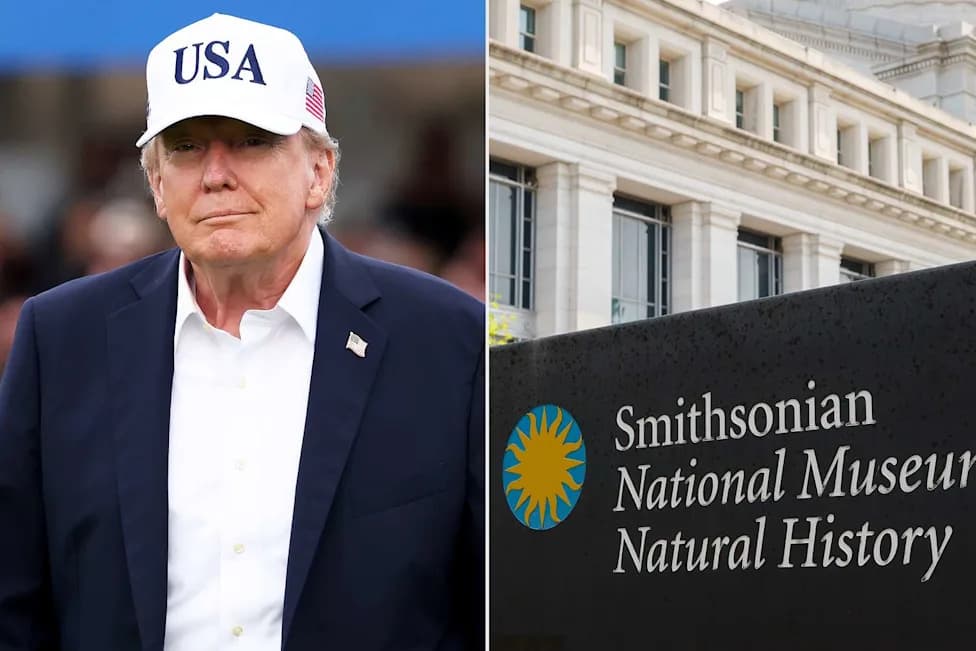
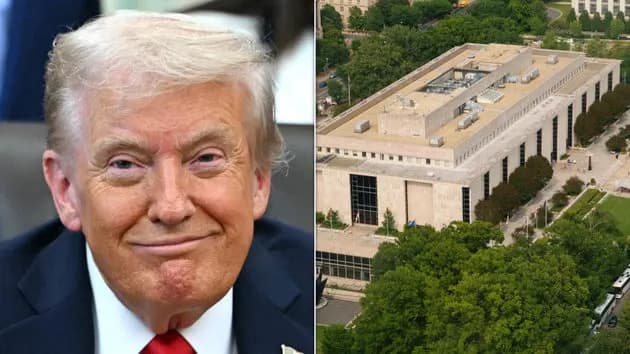
The Trump administration wants to install warning signs outside the Smithsonian National Museum of Natural History citing idealogical biasCredit: Richard Heathcote/Getty; Kevin Carter/Getty
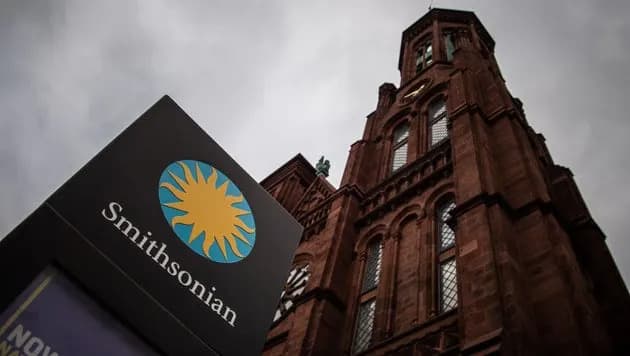
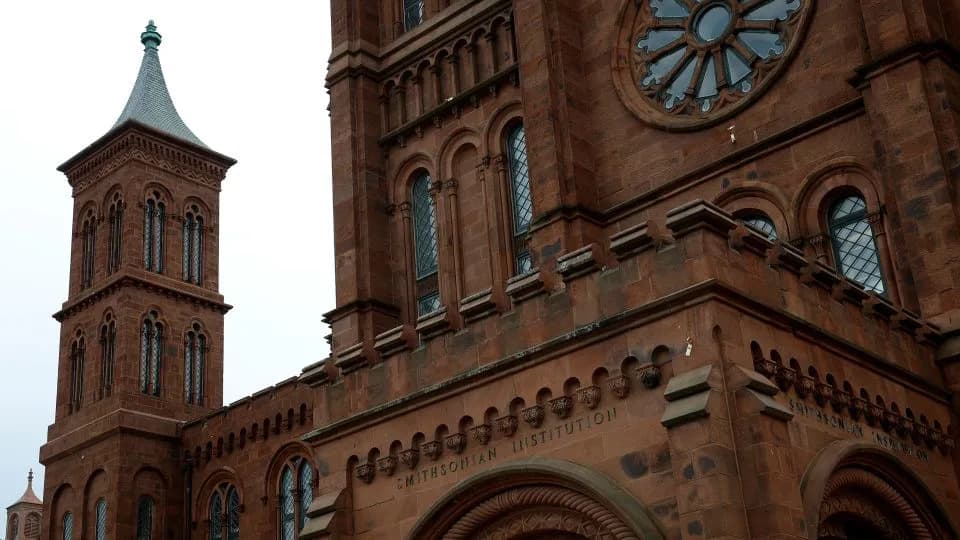
The Biden years aside, the federal government and the Smithsonian Institution are once again at odds over how American history should be presented. The Trump administration is advancing plans to place temporary warning signs outside the Smithsonian’s National Museum of American History, a move critics say injects politics into public cultural institutions and supporters say adds context for visitors.
What’s Planned
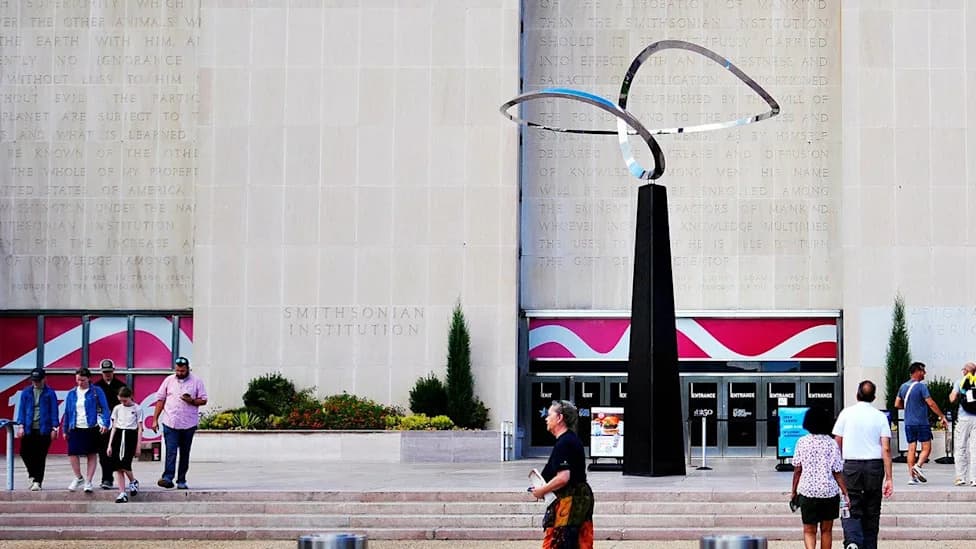
According to a Sept. 3 letter from Interior Secretary Doug Burgum to Sen. Jeff Merkley obtained by The Atlantic, the National Park Service may install roughly a dozen temporary signs outside the museum at an estimated cost of about $84,000. The initiative follows President Donald Trump’s July executive order directing temporary signage and exhibits tied to the museum and a March 2025 executive order titled "Restoring Truth and Sanity to American History."
Administration Rationale
Burgum’s letters — also addressing questions from Sen. Lisa Murkowski — say visitors should receive additional information about exhibits before entering, including context about the perspectives of Smithsonian officials and curators. The administration has accused the museum of presenting certain topics through an ideological lens and warned of a nationwide "revisionist movement" that, it says, portrays the nation’s founding principles and major achievements negatively.
Smithsonian Response
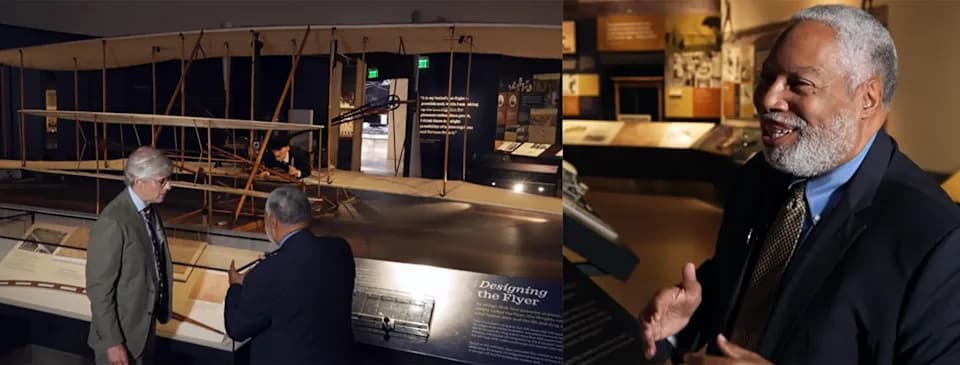
The Smithsonian and the National Museum of American History have defended their approach as grounded in scholarship, accuracy and nonpartisanship. Director Anthea Hartig has told lawmakers the museum does not take positions on contemporary political debates and instead preserves and presents evidence of American life so visitors can draw their own conclusions. Former Smithsonian Secretary Lonnie Bunch has also been referenced in Burgum’s correspondence.
Contents, Cost and Next Steps
The exact wording and placement of the signs have not been finalized, and reporting by The New York Times says the language remains unclear. Burgum’s letters reference exhibits and educational materials dealing with race, immigration and transgender Americans — topics central to the administration’s critique. If installed, the government-funded signs would present a critical perspective outside the museum before visitors enter.
Why it matters: The dispute highlights broader tensions over how public institutions interpret contested chapters of U.S. history and whether government intervention is appropriate when museums make curatorial choices.
As discussions continue, observers will be watching for the final text of the signage, the legal and operational role of the National Park Service, and any responses from the Smithsonian or congressional oversight committees.
Help us improve.