At the Clinton Global Initiative, Bill Clinton admitted he often felt like banning the White House press corps but ultimately resisted, invoking respect for the Constitution. His remark echoed the Monica Lewinsky scandal that led to his 1998 impeachment and later acquittal. The comments come as President Trump recently barred several outlets — CNN, MSNBC and Politico — prompting a lawsuit and a judge's temporary order to reinstate their credentials; some reporters were still reportedly denied access and missed Chinese President Xi Jinping's arrival.
Bill Clinton Says He Often Wanted To Bar The White House Press Corps — But Didn’t
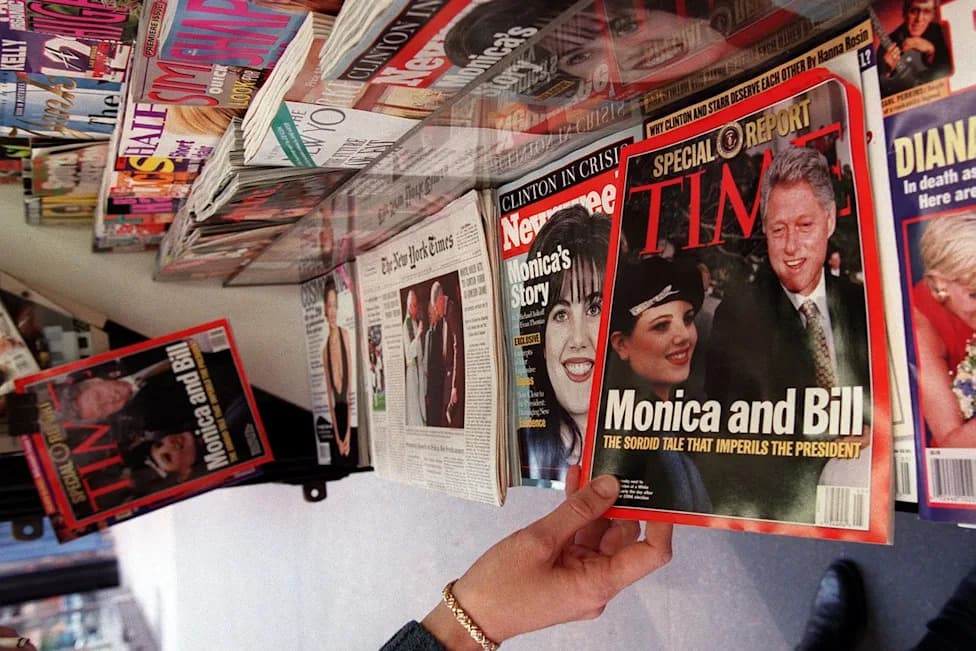
Bill Clinton who had an affair in office admits there were times he wanted to ban the press - but didn’t
Former President Bill Clinton told an audience at the Clinton Global Initiative that there were moments during his presidency when he felt like banning the White House press corps — a temptation he ultimately resisted.
"There were lots of times when I wanted to ban the White House press corps," Clinton said to laughter at the event, adding, "And there's a reason we have a constitution. Because none of us are immune from being pissed off."
Bill Clinton, whose presidency was thrown into turmoil over an affair with a young staffer, has admitted there were times he wanted to ban the press from the White House, as President Donald Trump recently did, but he refrained (AFP via Getty Images)
Context and Historical Resonance
Clinton's remark was widely interpreted as a nod to the Monica Lewinsky scandal of the late 1990s, when his extramarital relationship with a young White House staffer plunged his administration into crisis and, after allegations of a cover-up, led to his impeachment in December 1998. He was later acquitted by the Senate.
"It was shocking, it was terrifying and I didn't actually know how to process anything... it was a moment where life as I knew it was over," Monica Lewinsky recalled in a February 2025 interview on the Call Her Daddy podcast, describing how she saw newspapers with her name above the fold when the affair became public.
Why The Comments Matter Now
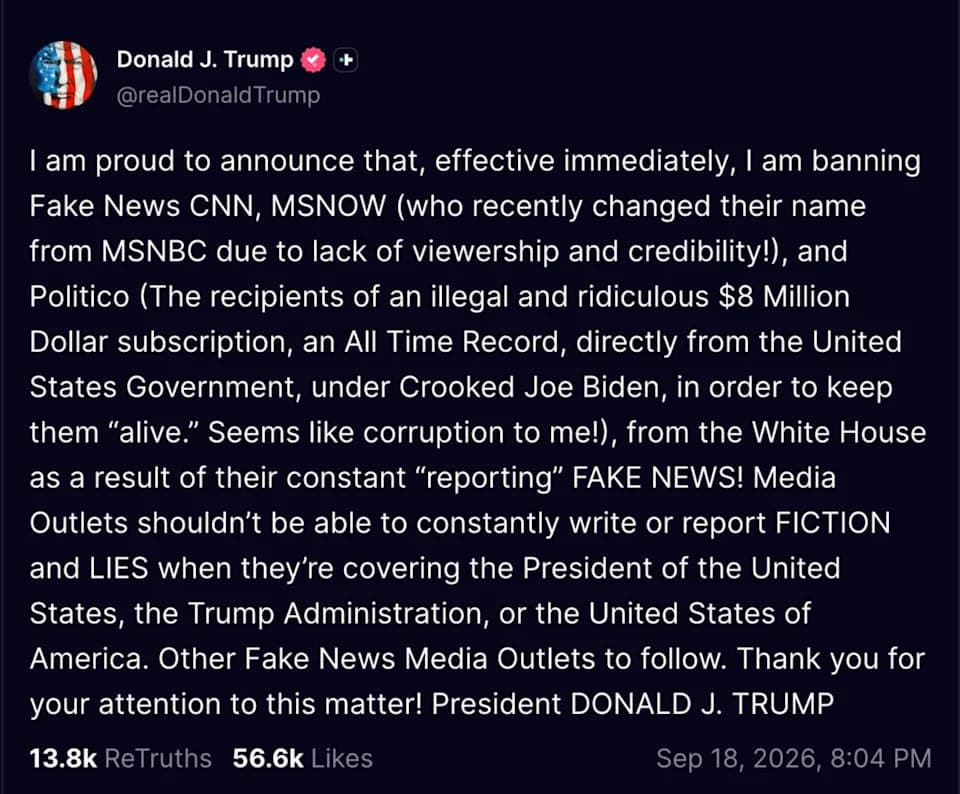
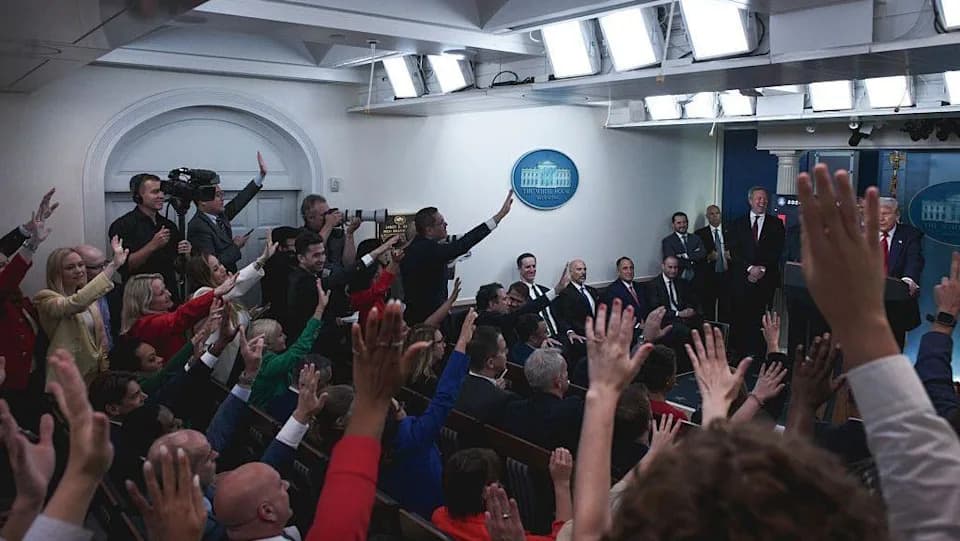
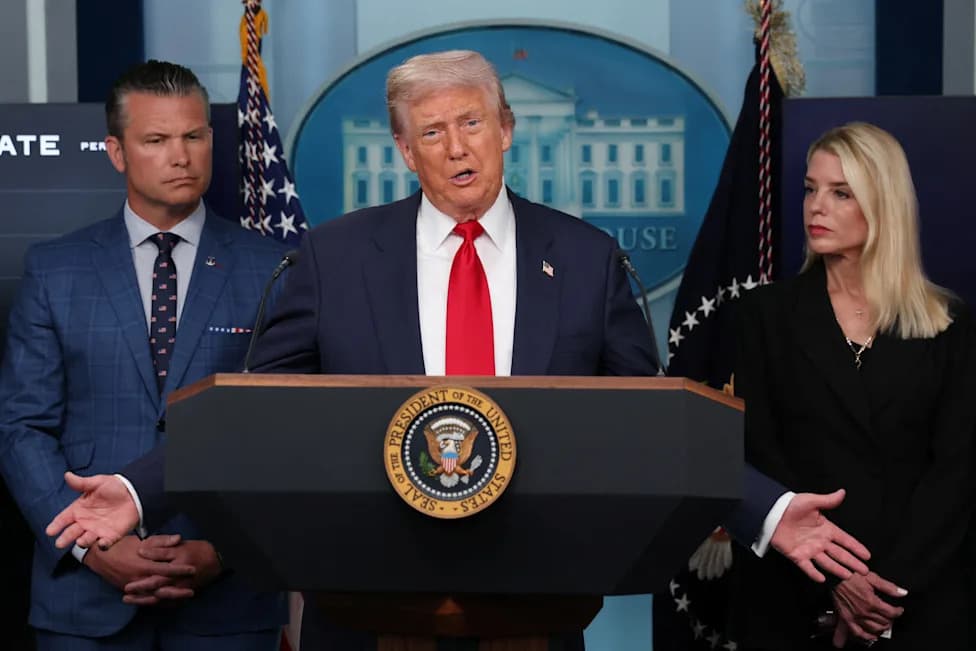
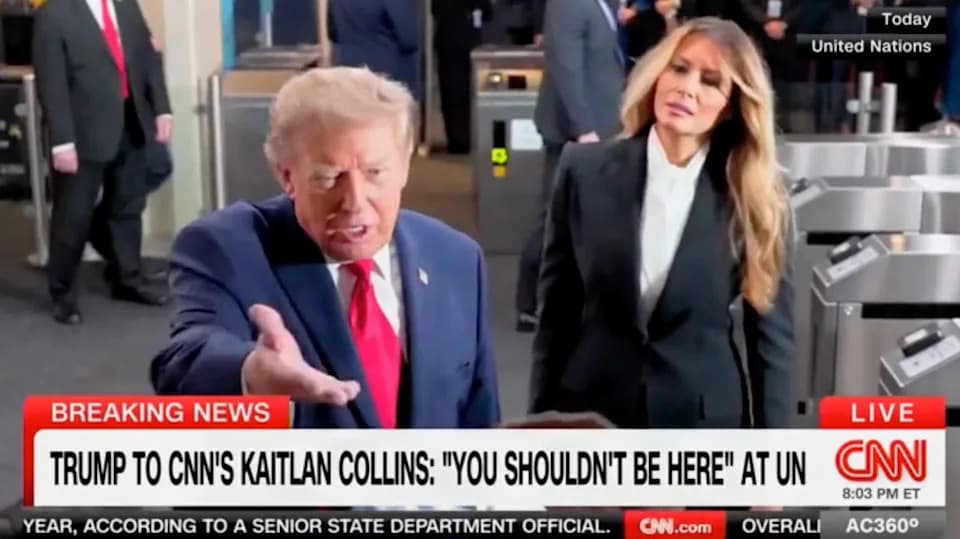
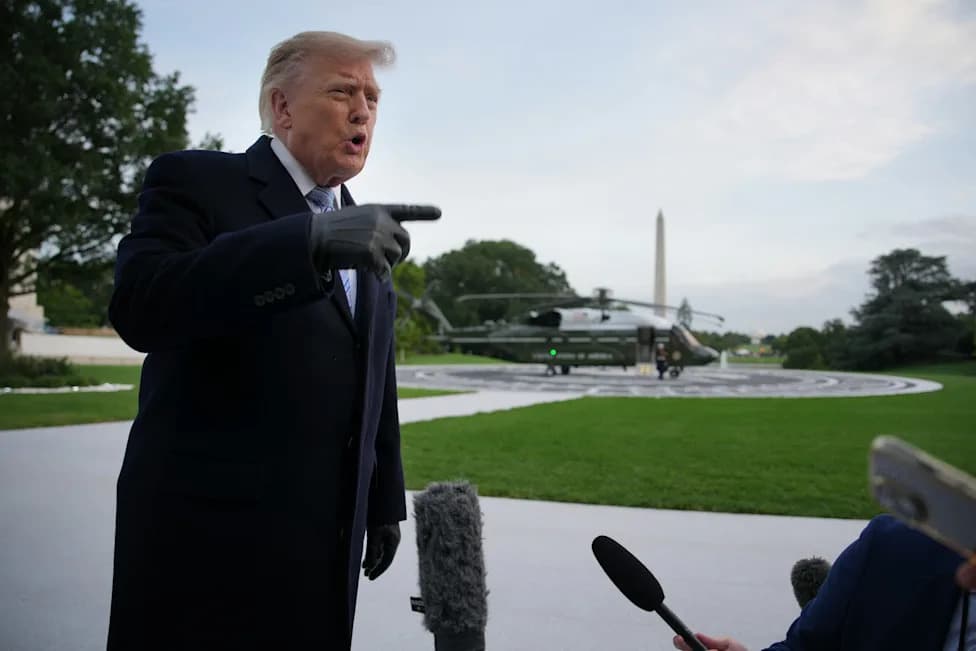
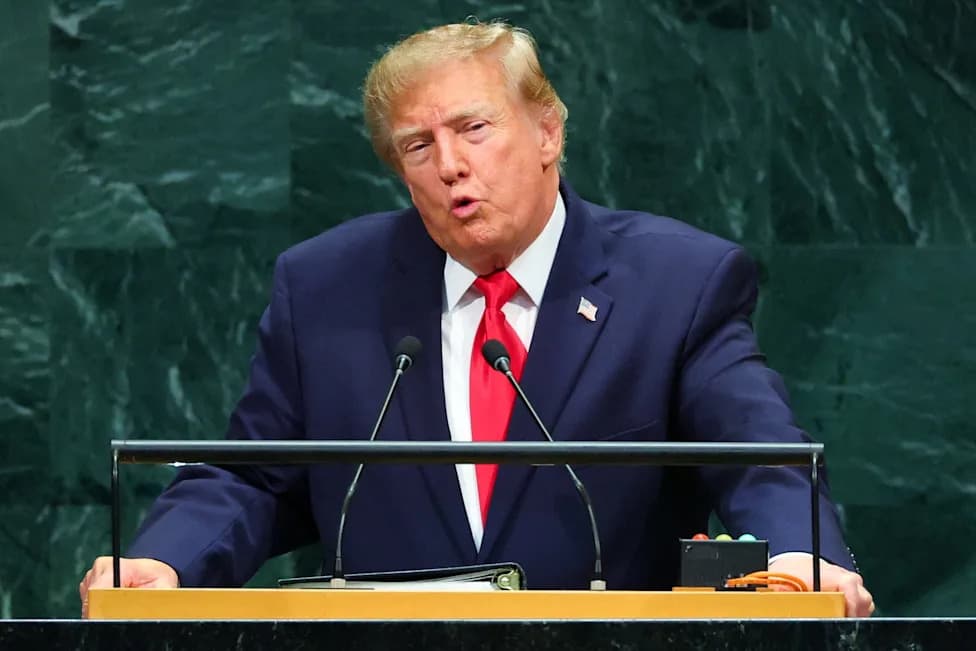
Clinton's comments surfaced amid renewed tension between the White House and the news media after President Donald Trump recently revoked press access for several outlets, including CNN, MSNBC and Politico, citing what he called unfair coverage.
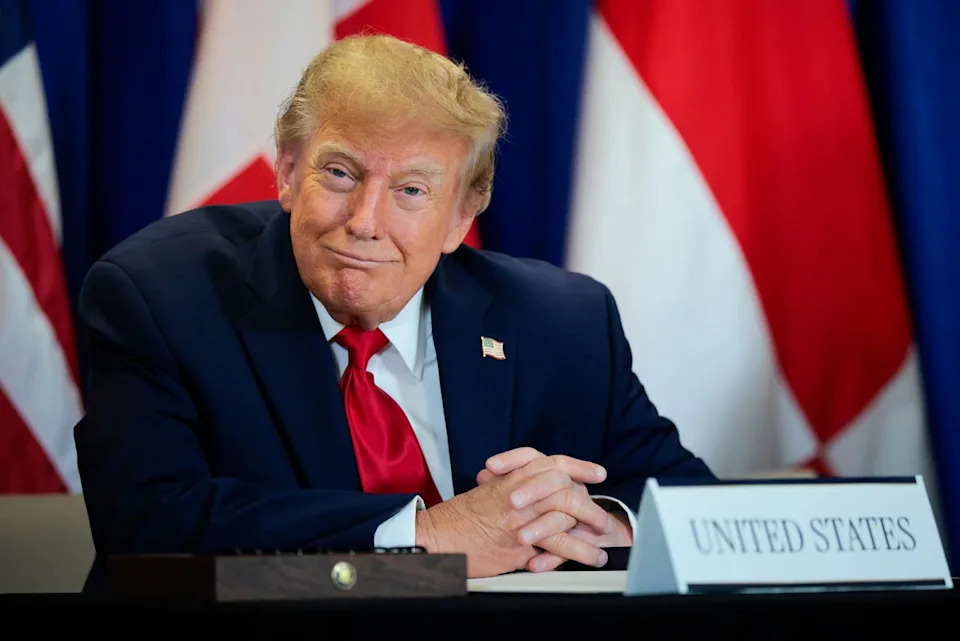
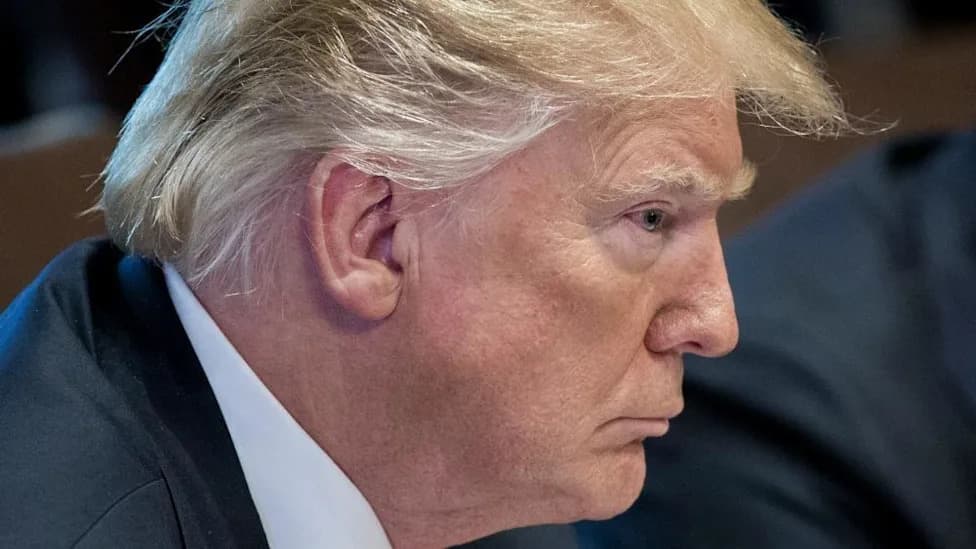
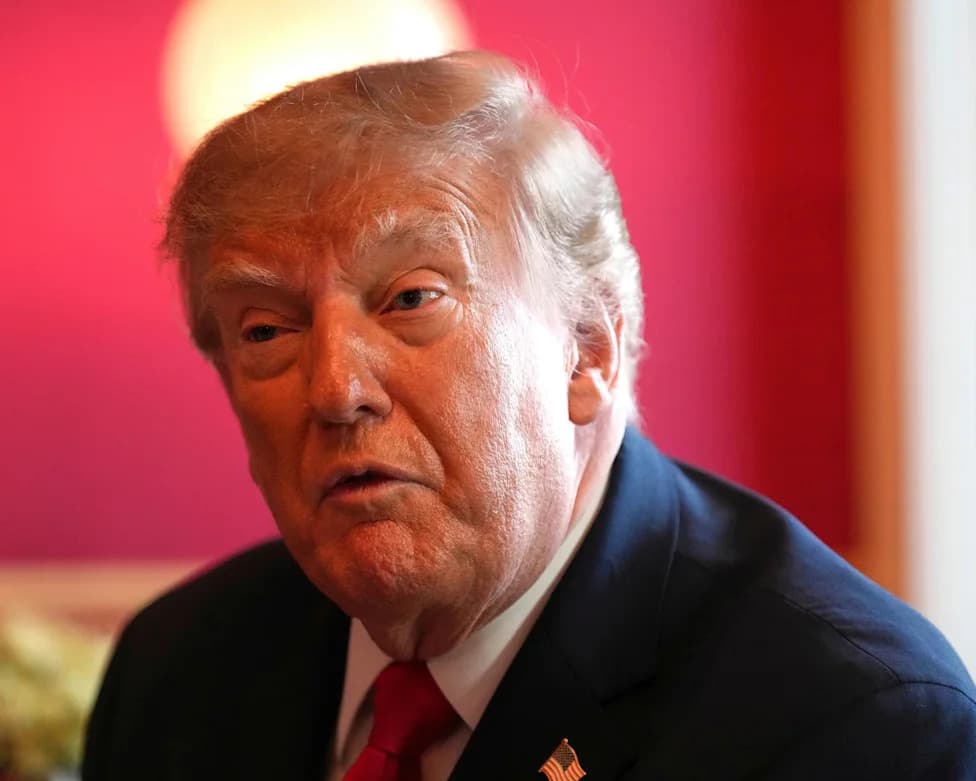
The Democrat's comments came after Trump banned CNN, MS NOW and Politico from the White House because of unfavorable coverage (Getty Images)
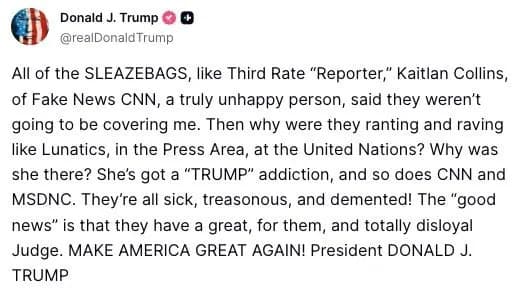
On Truth Social, Trump wrote: "Media Outlets shouldn't be able to constantly write or report FICTION and LIES when they're covering the President of the United States, the Trump Administration, or the United States of America."
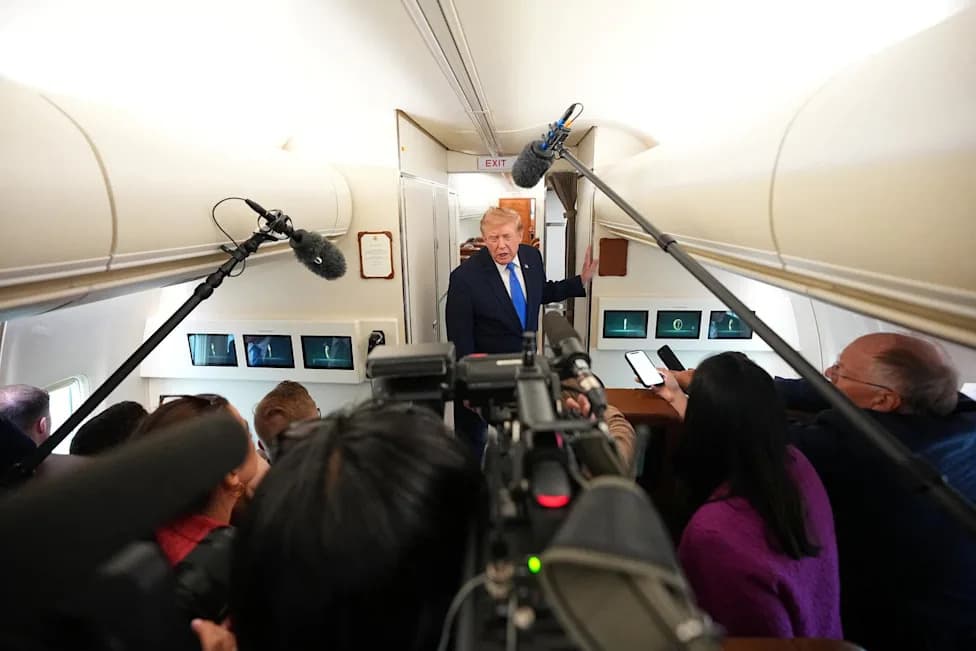
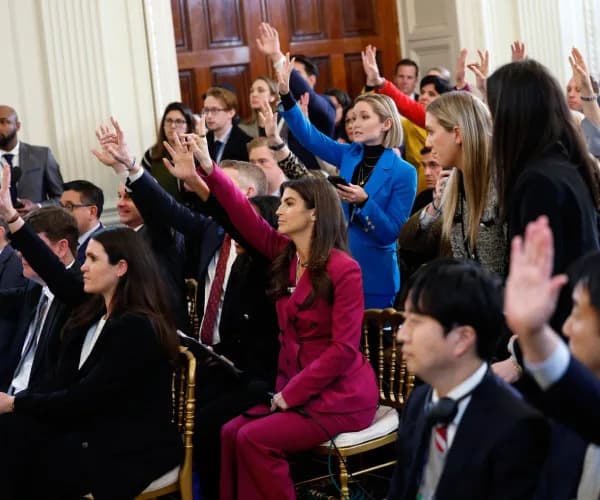
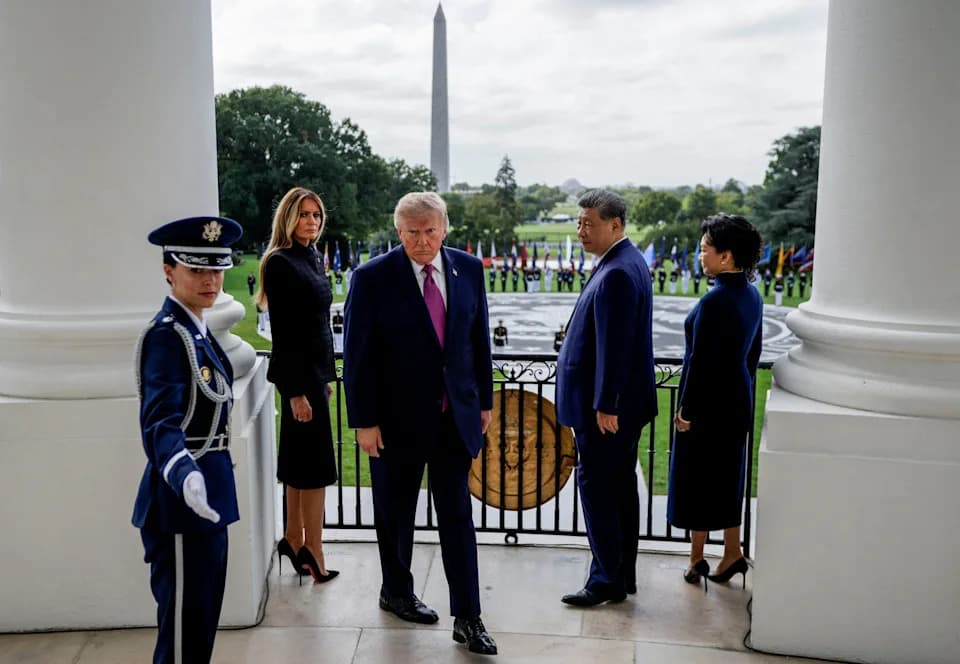
The affected outlets sued, arguing the exclusion violated their First Amendment rights. In an early-morning ruling, U.S. District Judge Timothy Kelly ordered the administration to temporarily reinstate the outlets' press badges. Despite the order, some reporters from those organizations were reportedly denied entry on occasion and missed Chinese President Xi Jinping's arrival at the White House for a state dinner.
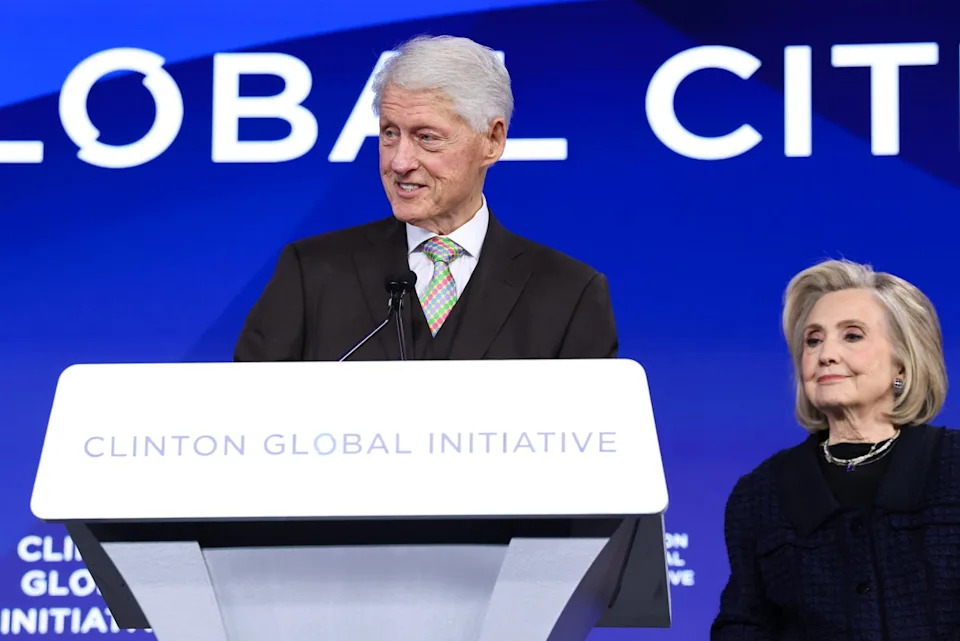
'There's a reason we have a constitution. Because none of us are immune from being pissed off', Clinton said in an apparent jab at Trump (Getty Images for Clinton Global Initiative)
Broader Media And Political Context
Trump has been the subject of intensive media coverage — including two impeachments and multiple criminal indictments — and his administration has drawn criticism for its immigration policies and actions related to Iran, developments critics say have contributed to public scrutiny and economic concerns such as rising gas prices.
Clinton's offhand confession highlights a recurring tension in modern presidencies: the urge to restrict hostile coverage versus constitutional protections for a free press. By invoking the Constitution, Clinton framed his restraint as part of democratic norms even in moments of personal and political pressure.
Help us improve.