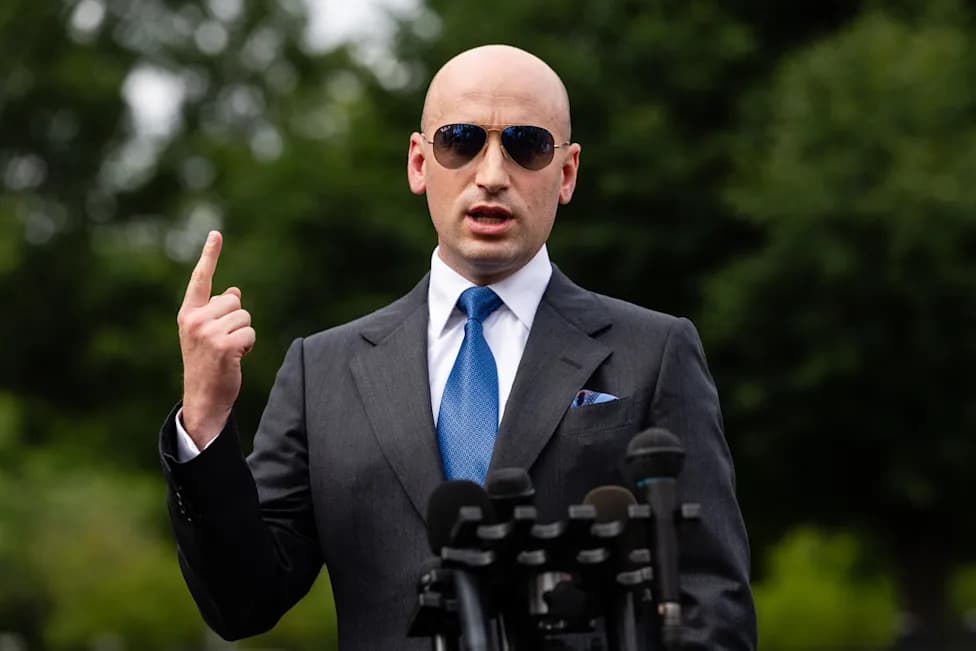
President Trump announced bans on CNN, Politico and MS Now from White House grounds and ordered their press credentials revoked after a Truth Social post accusing them of "fake news." Media groups condemned the move and all three outlets say they will pursue legal action on First Amendment grounds. The decision follows a week of setbacks for Mr. Trump—including a Supreme Court rebuke on mail-in voting, higher interest rates from the Federal Reserve and a court order protecting the Kennedy Center—and could reshape White House press access ahead of the midterm elections.
Trump Bans Several Major News Outlets From White House, Prompting First Amendment Fight
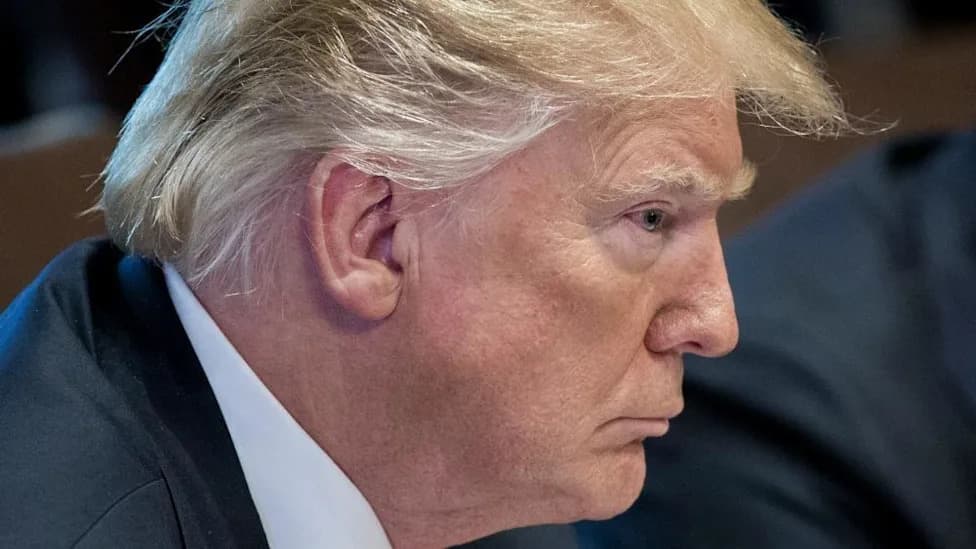
[EPA]
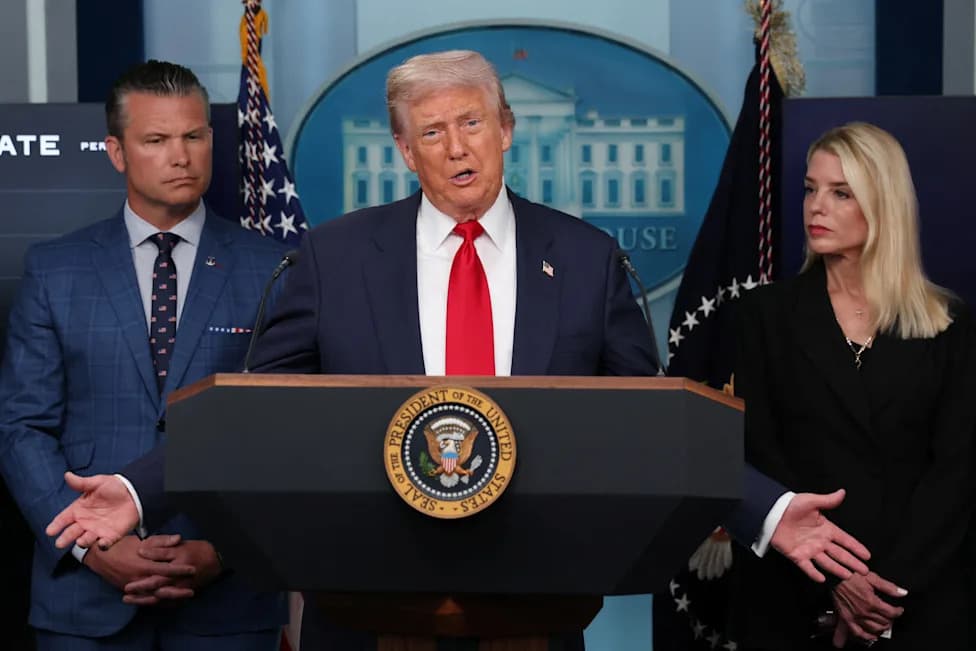
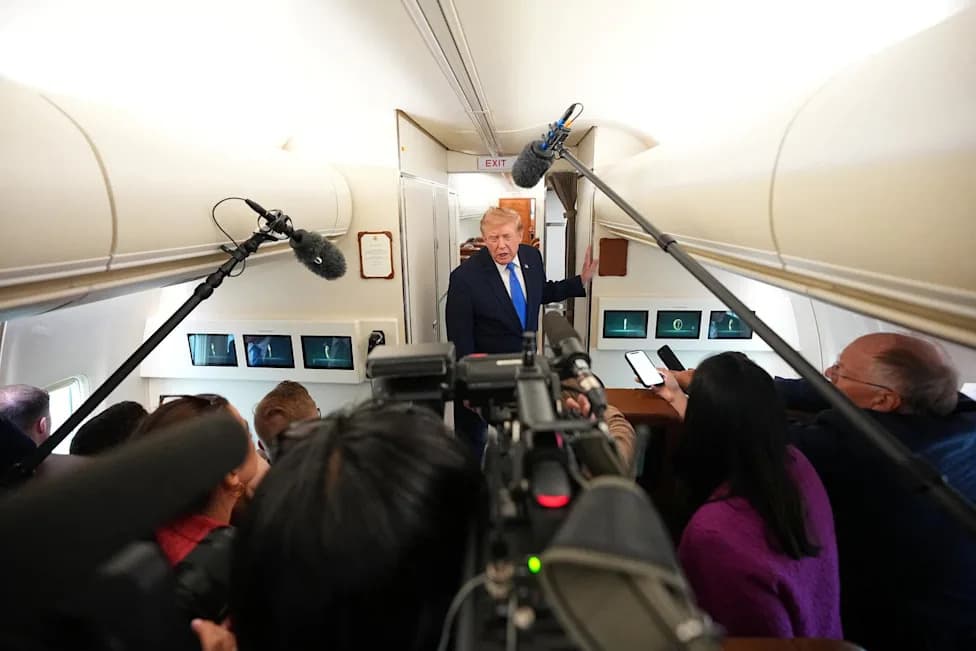
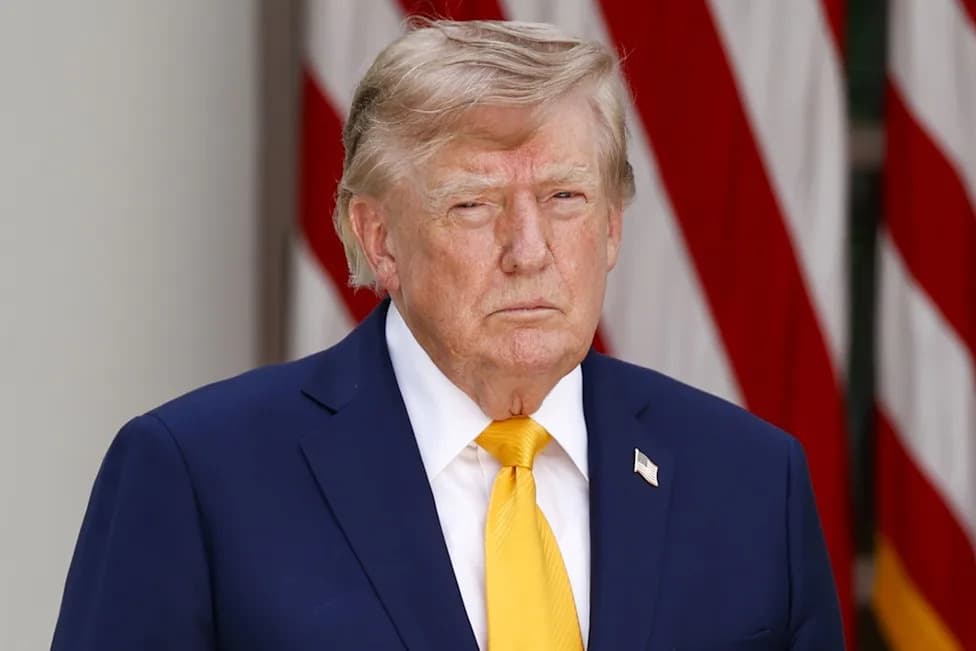
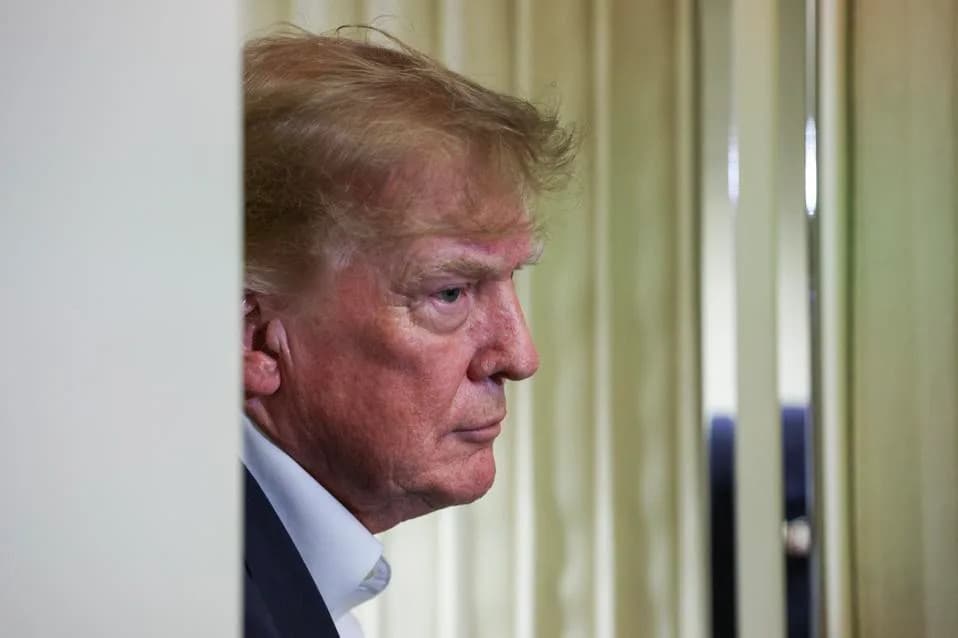
President Donald Trump has escalated his long-running feud with the White House press corps, announcing a ban on several major news organisations and prompting immediate legal and constitutional challenges.
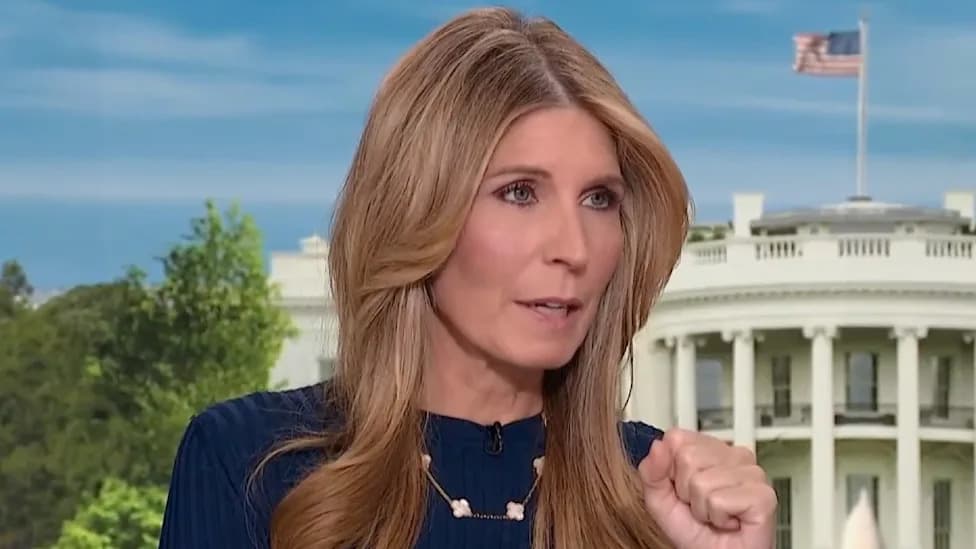
On Friday, Mr. Trump posted on Truth Social that he was "banning" certain outlets "because of their constant 'reporting' of fake news." The following morning, journalists from three organisations—CNN, Politico and MS Now—were stopped as they tried to enter White House grounds and had their credentials confiscated, according to eyewitness accounts and statements by the outlets.
Media Outcry and Legal Questions
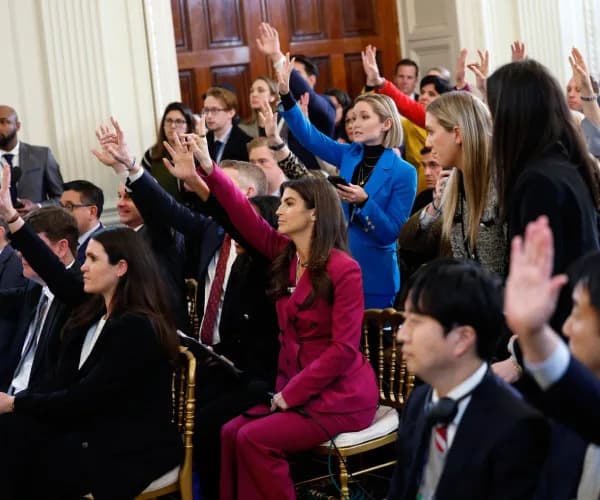
Media watchdog groups and the White House Correspondents Association denounced the action as a stark escalation that threatens press access and independence. All three targeted outlets have said they plan to sue, setting up a likely courtroom test of First Amendment protections.
"The First Amendment forbids the government from discriminating against the press because of the content of its reporting," legal observers noted, underscoring the constitutional issues lawyers are likely to raise.
Context: A Week Of Setbacks
The move came amid a week of institutional setbacks that appeared to frustrate the president and his agenda. The Supreme Court blocked his plan to tighten rules on mail-in voting before the midterms; the Federal Reserve raised interest rates despite Mr. Trump's calls for cuts; and a federal judge ordered the administration to give 30 days' notice before making changes to the Kennedy Center in Washington, DC. Combined with slipping approval ratings, these developments suggest mounting political headwinds.
Not The First Clash Over Access
Attempts by the administration to limit press access are not new. In Mr. Trump's first term, the White House revoked CNN correspondent Jim Acosta's credentials—a decision that was later reversed in court. The administration also excluded Associated Press reporters from a press pool assignment last year, prompting legal challenges and subsequent changes to pool rules. What makes this week's action notable is its scope: it targets entire organisations and restricts access to the full White House grounds rather than to individual reporters or pool slots.
Implications And Outlook
Legal experts say the case will likely focus on whether the bans amount to content-based discrimination barred by the First Amendment. Beyond the courtroom, the dispute has broader political stakes: it could reshape how the White House manages press access and influence public perceptions ahead of critical midterm elections.
Although Mr. Trump said there was no single triggering incident for the bans, observers see them as a sign of presidential frustration amid setbacks—some stemming from policy decisions—and a contentious moment for press freedom and accountability in Washington.
Note: The outlet name "MS Now" appears in initial reports; some sources may use different stylings. Legal challenges from the affected organisations are expected to follow quickly.
Help us improve.