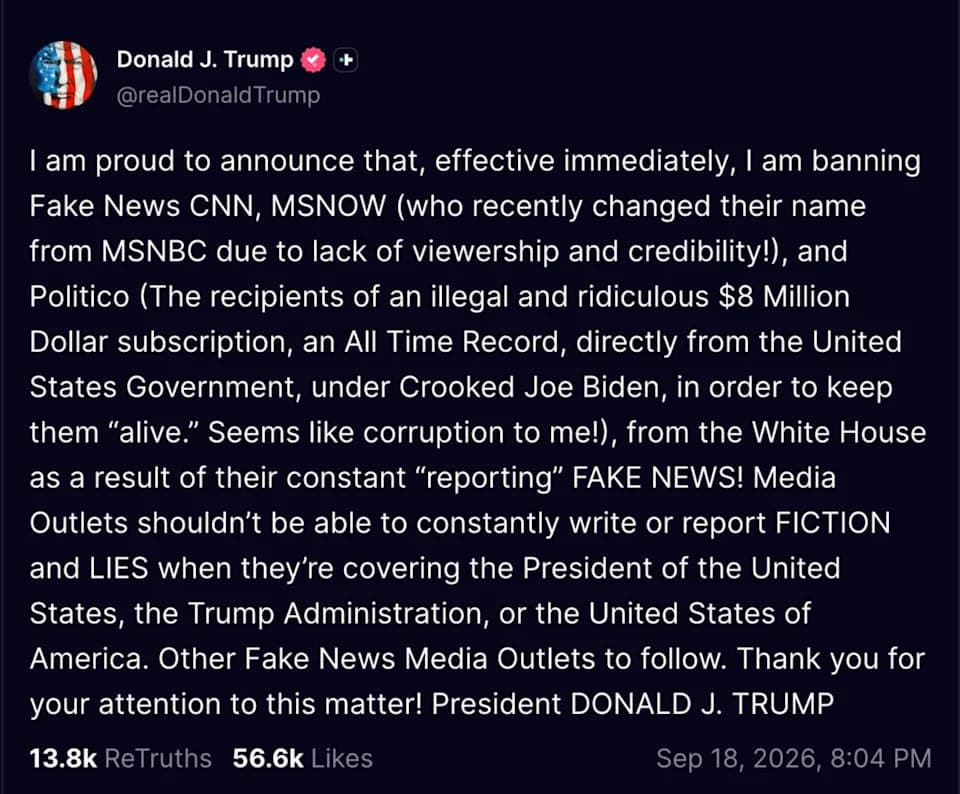
The White House excluded CNN, MSNBC and Politico from press access this week and Secret Service agents confiscated their press credentials; a judge later issued a temporary restraining order restoring access. Republican leaders offered defenses ranging from national-security claims to attacks on anonymous sourcing, and compared the move to private platform bans. Critics say the exclusions represent a dangerous expansion of presidential control over the press and undermine First Amendment principles. The episode continued when two outlets were denied access to President Xi Jinping's arrival, underscoring ongoing concerns about selective exclusion.
White House Bars CNN, MSNBC and Politico — Republicans Defend Move as Critics Warn of Authoritarian Overreach

(Photo illustration by Bill Kuchman/The Bulwark| Photos: Shutterstock)
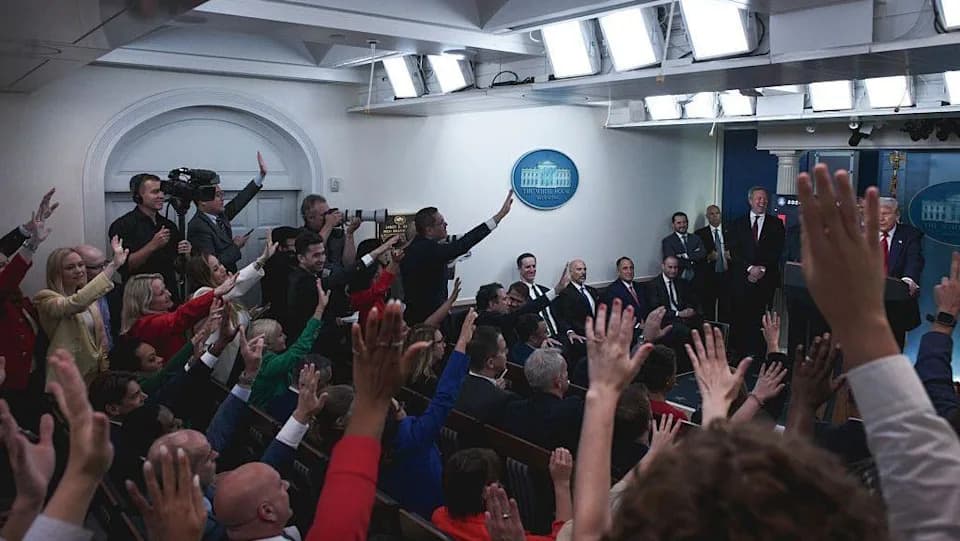
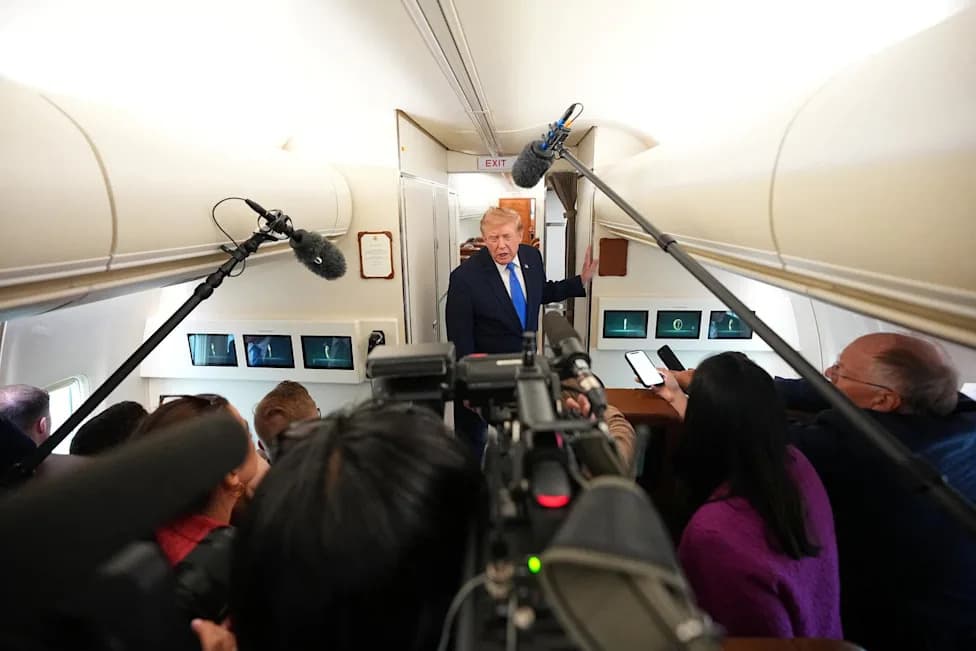
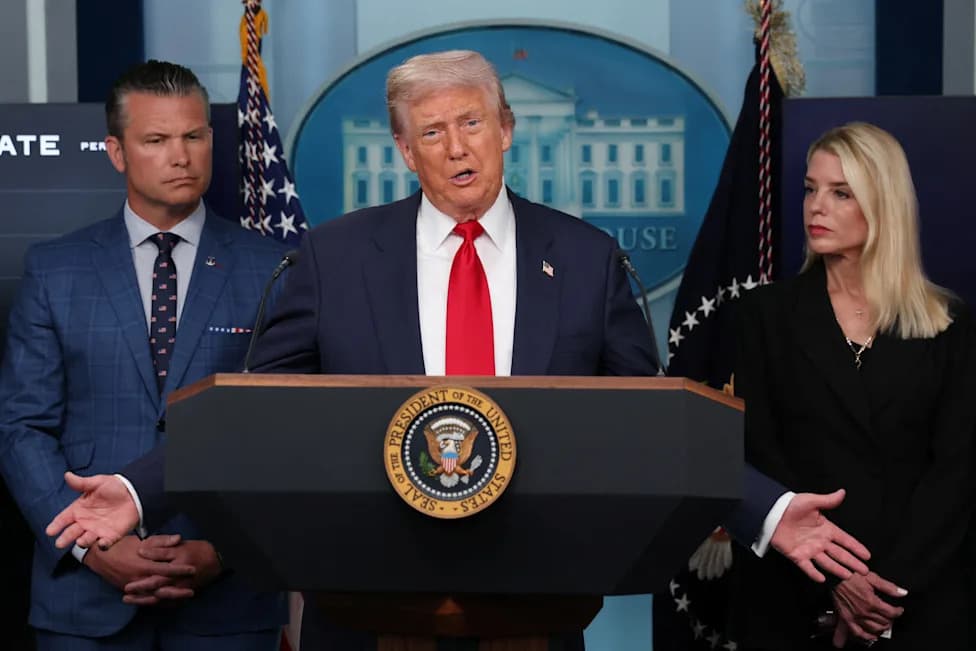
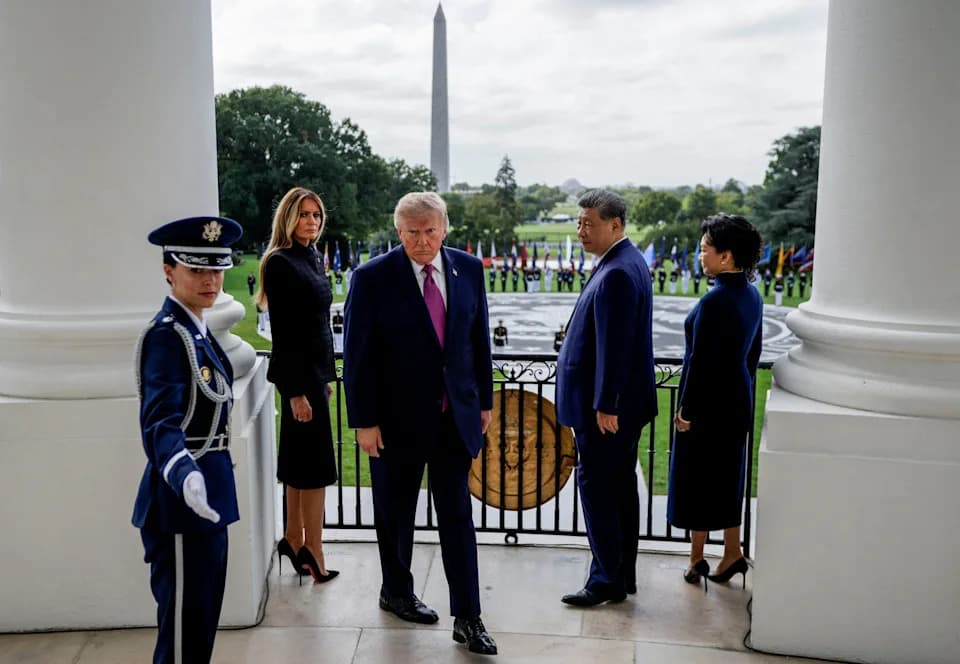
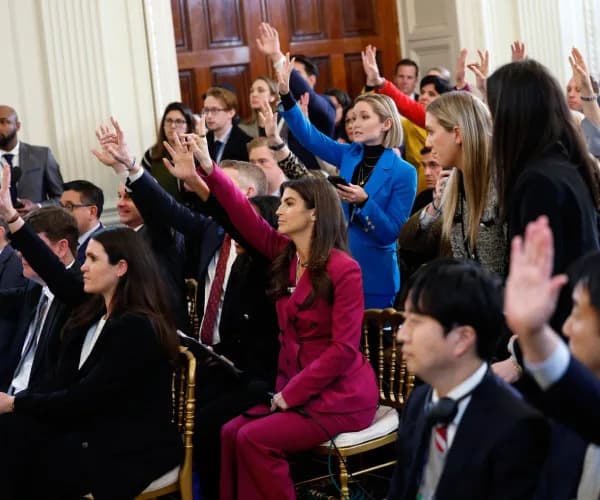
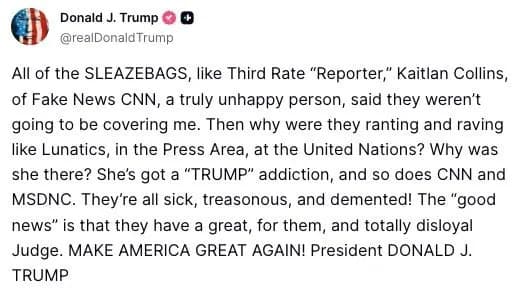
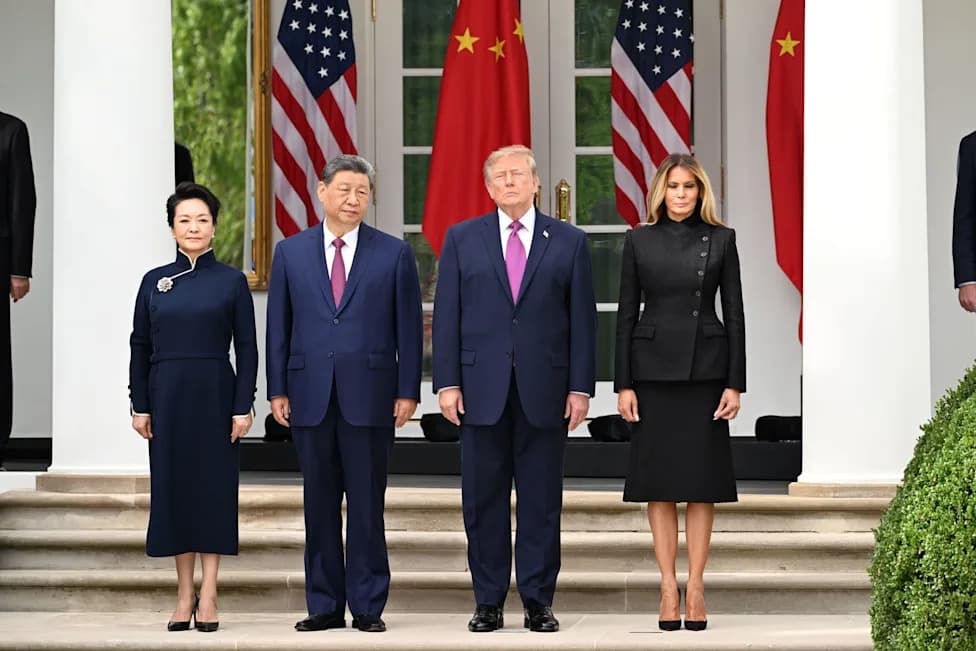
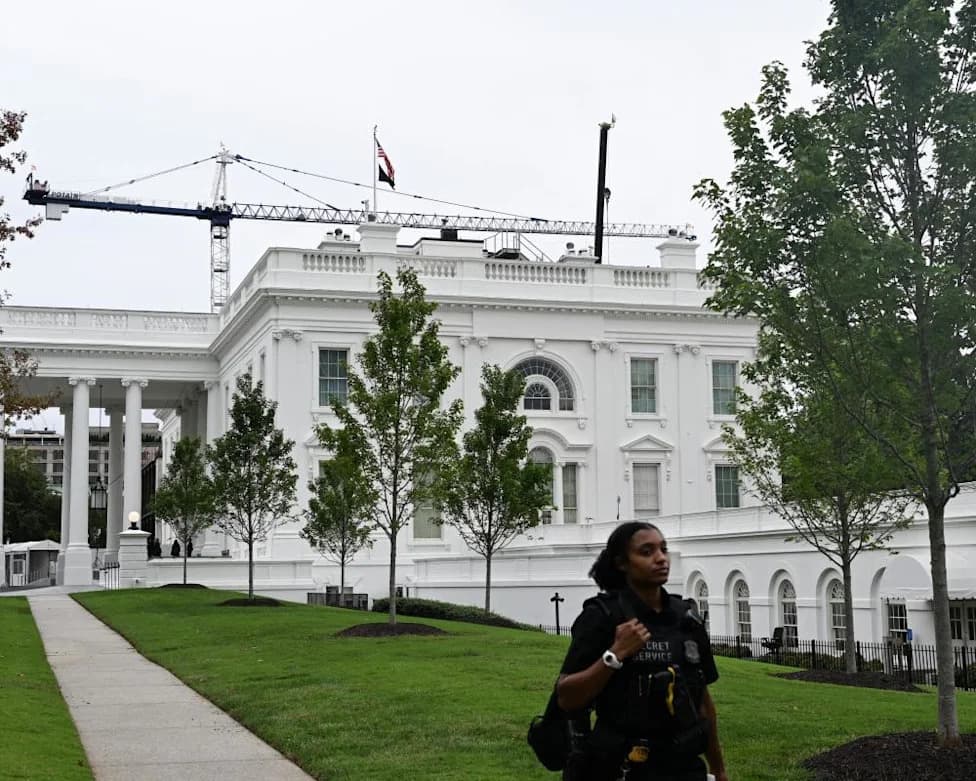
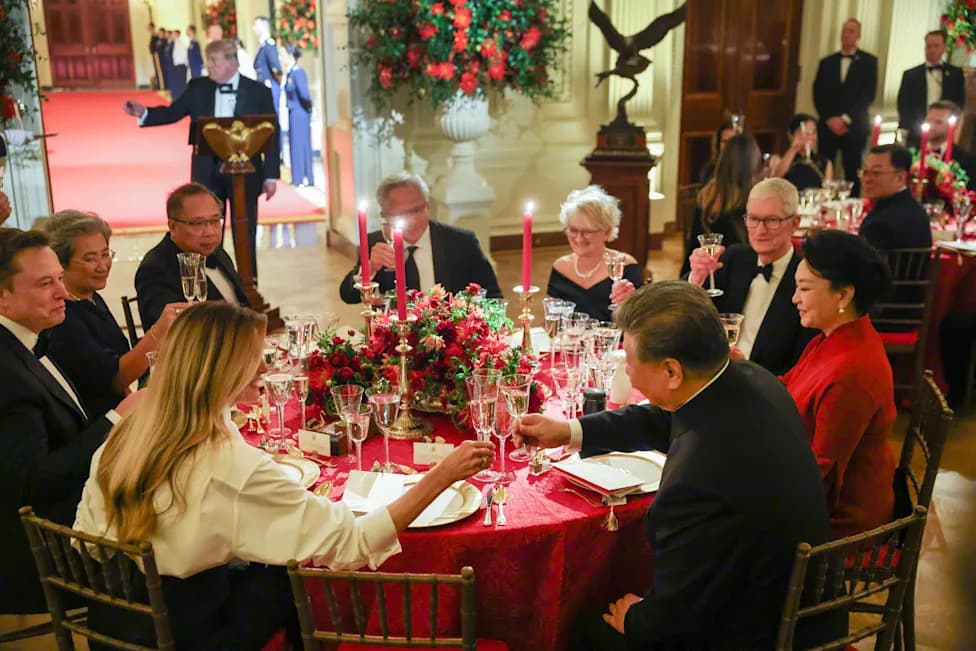
This week the White House excluded three major news organizations — CNN, MSNBC and Politico — from press access, and Secret Service agents confiscated the reporters' White House press credentials. A federal judge later issued a temporary restraining order restoring their access, but the episode intensified a national debate over press freedom after the outlets were again denied access to the arrival of Chinese President Xi Jinping for a state dinner.
Republican Defenses And Why Critics Say They're Dangerous
Republican leaders and administration allies offered a range of defenses for the exclusions. Taken together, critics say the arguments signal an alarming willingness to allow presidential control over who may cover the presidency — an expansion of power that poses First Amendment concerns.
1. National Security
The administration framed the ban as a security measure. Supporters argued that certain coverage could undermine cohesion or disclose sensitive information. Critics counter that labeling routine critical reporting as a security threat is an overbroad rationale that risks censorship.
2. Reliance on Anonymous Sources
Officials criticized reporting that used anonymous sources. The White House cited a Politico piece quoting a "senior administration official"; that source was later identified as Vice President J.D. Vance. Critics say using an anonymous-source complaint to justify exclusion raises questions about selective enforcement and political motivation.
3. Comparisons to Social-Platform Bans
Some defenders argued that private platforms had banned the president in the past, so exclusion is comparable. But private social platforms operate differently from the federal government; critics say a president using official power to block outlets is a distinct and more consequential step.
4. Claims That Prior Administrations Did Similar Things
Republican figures cited tightened credential rules under previous administrations as precedent. Fact-checkers note the distinction: while credentialing policies have changed over time, past presidents did not bar news organizations from access based on critical coverage.
5. Selective Access And Favoritism
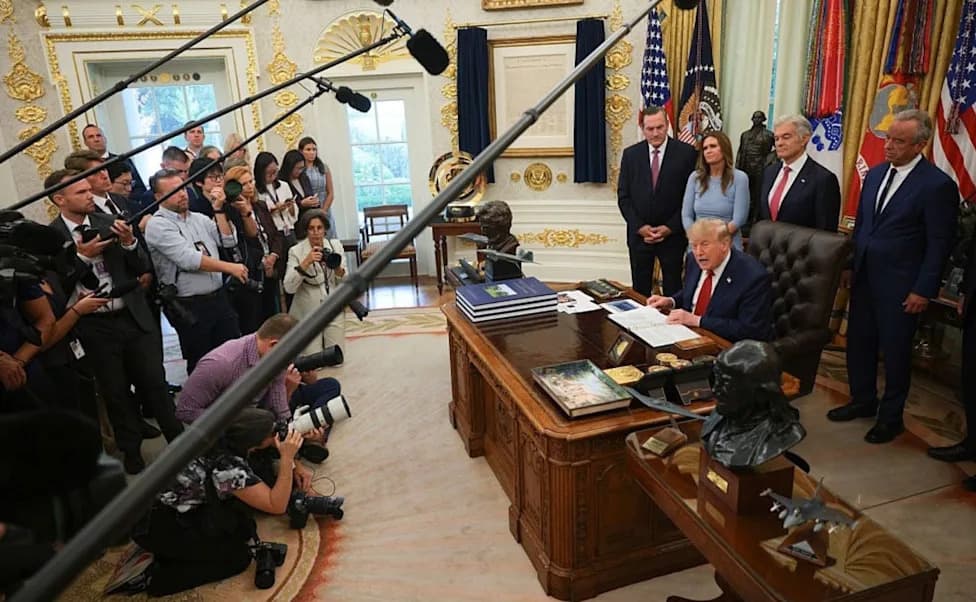
Supporters pointed to Oval Office photo opportunities as evidence the president isn’t anti-press. Critics note that reporters invited to these sessions are often from sympathetic or pro-administration outlets, effectively crowding out independent journalists.
6. Social Media As An Alternative
Some defenders said excluded reporters can still follow the president via social channels. Critics respond that a leader’s own feeds cannot substitute for independent journalism and on-the-record questioning by credentialed reporters.
7. Partial Access Isn’t a Defense
Administration allies argued that because other reporters still have access, the First Amendment is not threatened. Critics say selectively admitting friendly outlets while excluding unfavorable ones is precisely the problem.
8. An "Off-Ramp" If Coverage Changes
Officials suggested coverage could be restored if outlets change how they report. That creates a troubling incentive: regain access by altering editorial decisions, which critics say amounts to coercion.
9. Rejecting "Special Access" Language
Defenders described White House credentials as a privilege rather than a working necessity. Reporters and press-rights advocates say access to cover the presidency is a standard part of journalism, not a reward to be withdrawn for political reasons.
10. Electoral Irrelevance Argument
Some Republicans downplayed the constitutional concerns, arguing the exclusions won’t affect near-term elections. Critics say constitutional protections and institutional norms cannot be dismissed simply because they may not produce immediate electoral consequences.
11. Claims About Representing Public Opinion
Officials argued that negative coverage is unrepresentative of the public, suggesting the White House need not give such outlets access. The First Amendment protects speech and a free press regardless of popularity or partisan approval.
12. "It's Just His Style"
Some defenders minimized the significance by calling it the president’s personal style. Observers warn that normalizing personalistic control over public institutions undermines democratic norms.
13. Congressional Deference
Several Republican lawmakers said Congress should defer to the president on press access. Critics argue that unchecked deference enables executive overreach and erodes constitutional checks and balances.
14. The President As Arbiter Of Journalism
Officials claimed the president has the right to decide who qualifies as a "real journalist." Media professionals and legal experts warn that leaving such judgments to presidential whim endangers impartial credentialing and pluralistic reporting.
15. The White House As A Personal Office
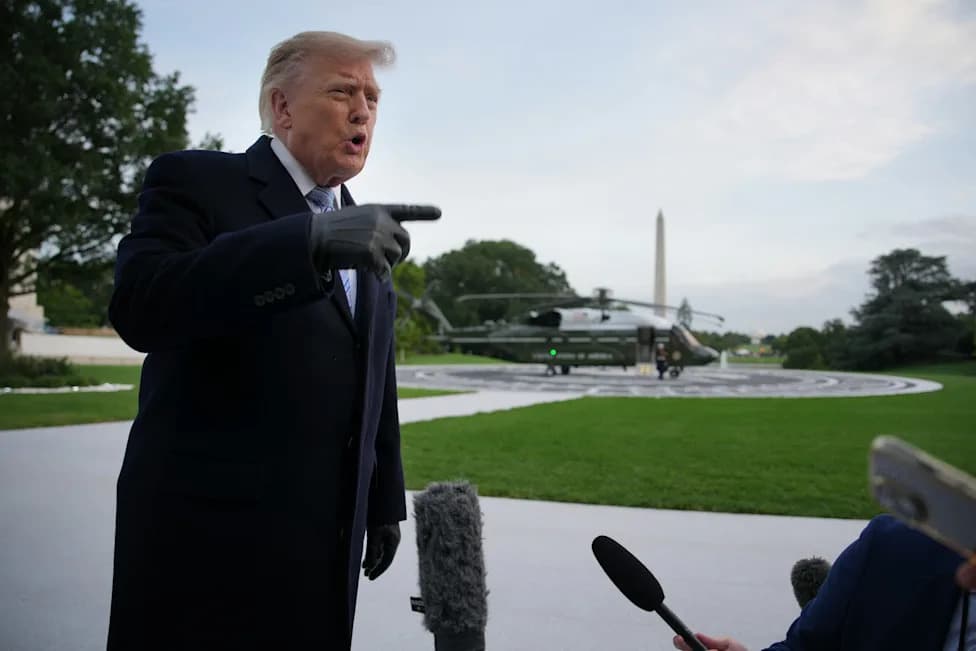
The president described the White House as "my office," language critics say reflects a private-owner mindset incompatible with democratic stewardship of public institutions.
16. "At Least We're Not Arresting Reporters"
Some supporters pointed out the administration stopped short of arrests or shutdowns. Observers responded that restraint from more extreme measures does not justify actions that still limit press freedom.
By the court order, the excluded reporters returned temporarily, but the later denial of access to President Xi’s arrival underscored that the administration continued to use exclusion selectively. The controversy highlights not only the president’s posture toward the press but also the willingness of political allies to defend or rationalize that posture — raising broader questions about the durability of press protections and democratic norms.
Help us improve.