The Trump administration revoked White House credentials for CNN, MSNBC, and Politico, prompting a lawsuit the outlets filed the next day. Assistant Attorney General Brett Shumate responded with a 19-page brief and three White House letters — dated days after the bans — asserting national-security and professionalism grounds. Critics argue the letters are post hoc, that the bans are retaliatory for "purposely negative" coverage, and that the action raises serious due-process and First Amendment concerns, especially after more than 60 journalists lost credentials.
Trump Bars CNN, MSNBC and Politico From White House; Administration Cites National Security, Critics Call It Retaliation

Photo: Leigh Vogel/UPI/Newscom | Illustration: Adani Samat
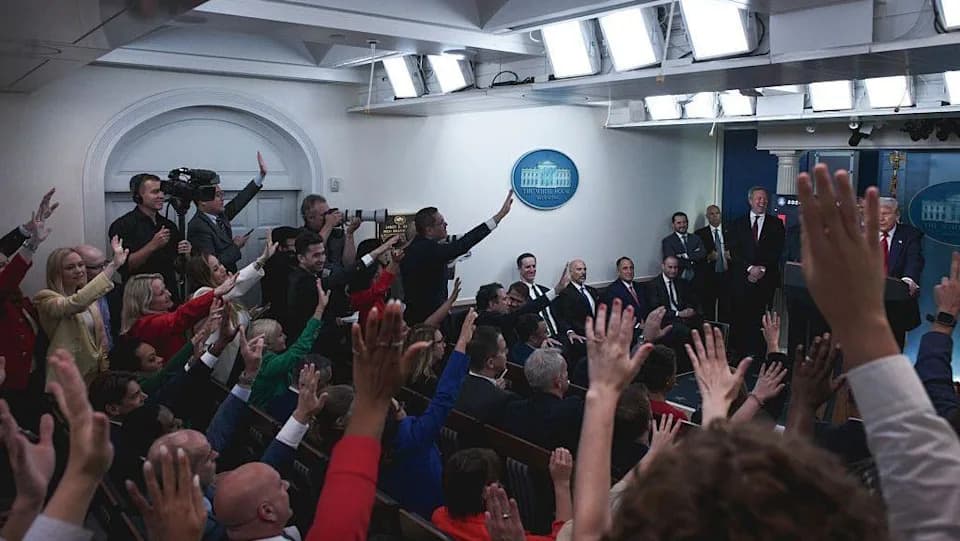
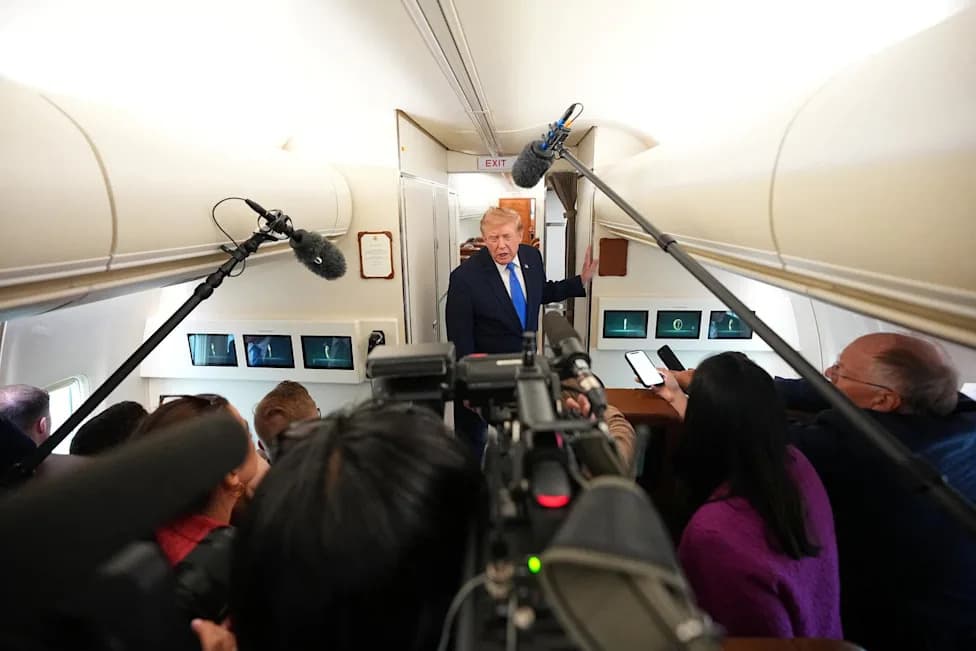
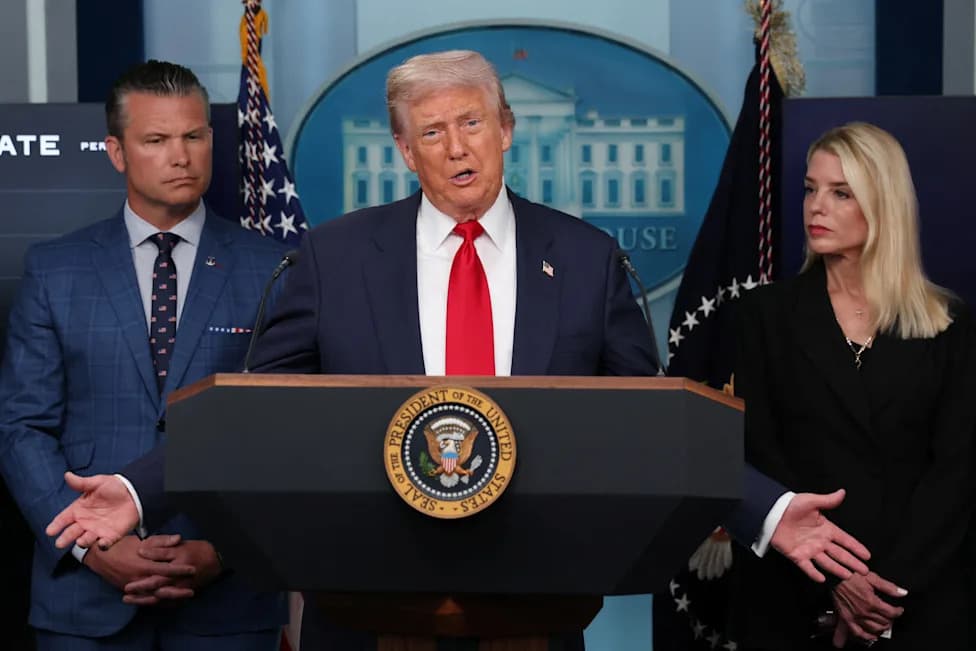
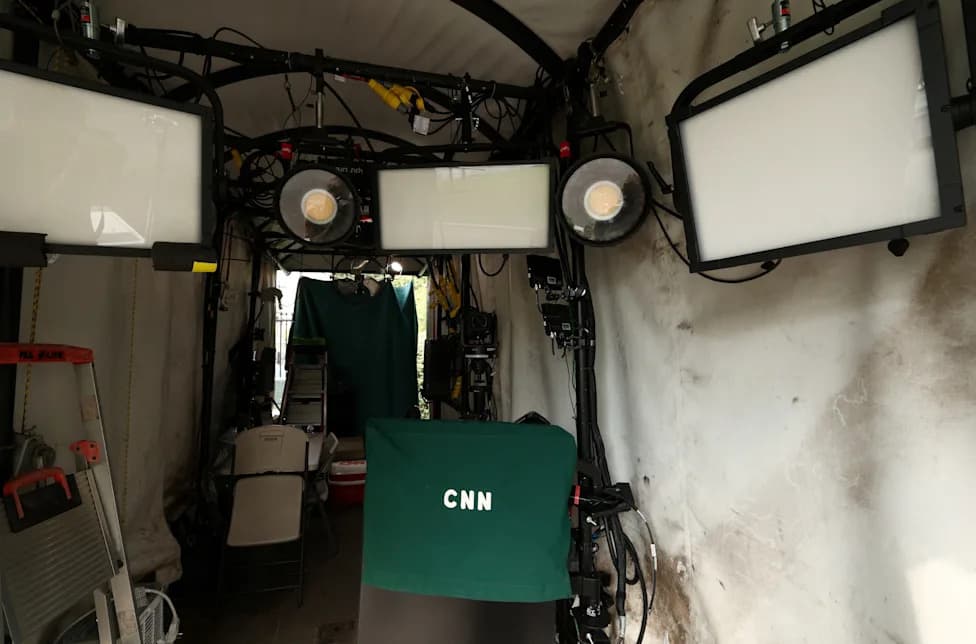
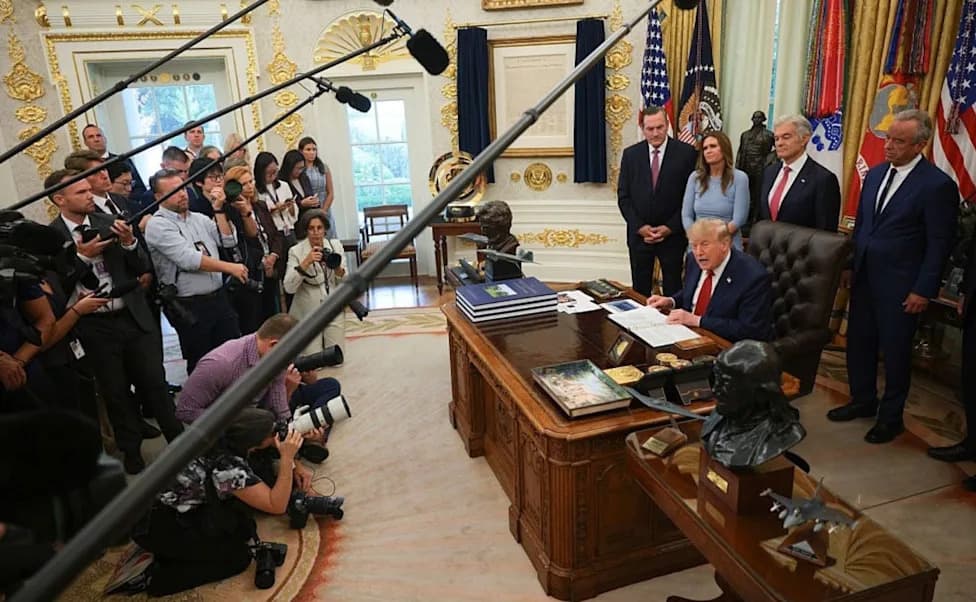
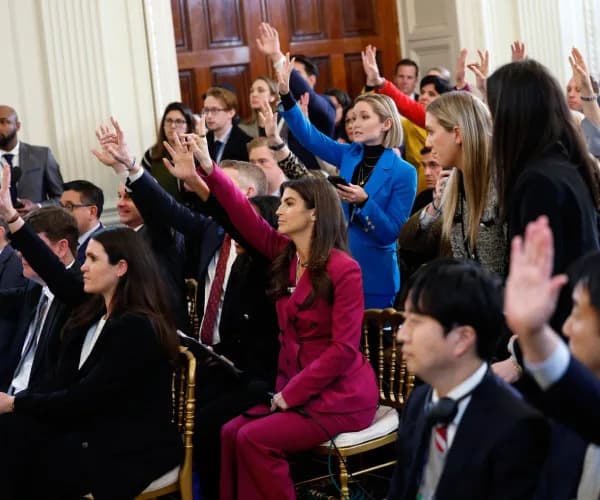
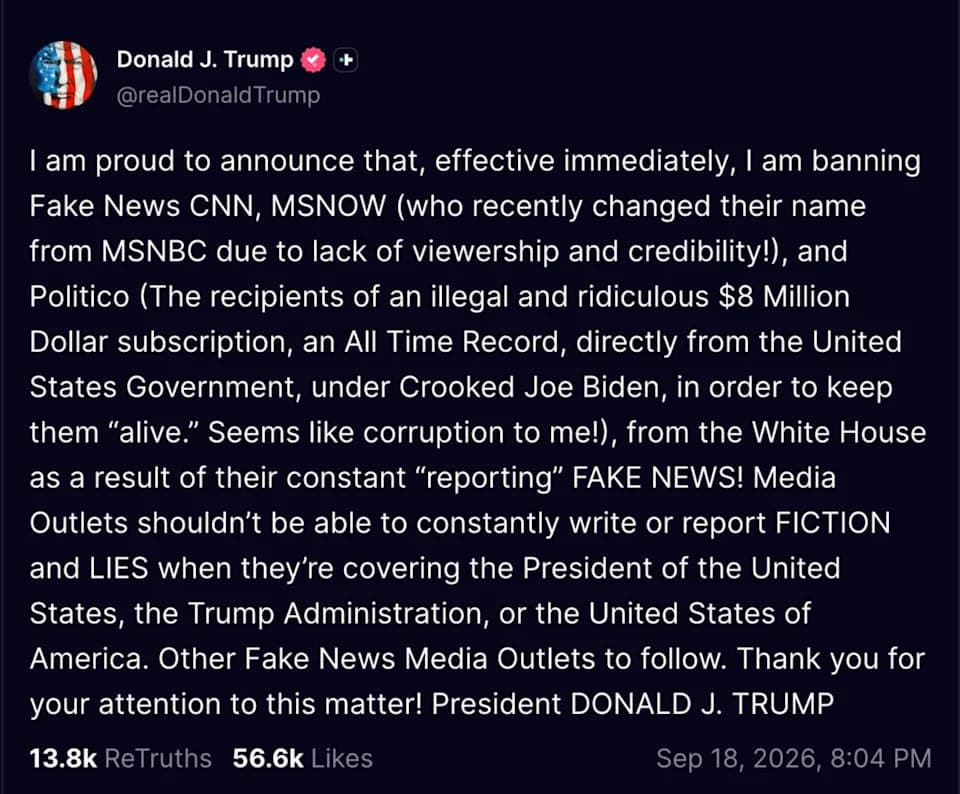
President Donald Trump abruptly revoked White House credentials for journalists from CNN, MSNBC, and Politico, saying the outlets spread "FAKE NEWS." The three organizations filed suit the following Monday, and the Department of Justice responded with a 19-page brief arguing the exclusions were justified by national-security and professionalism concerns.
Government Filing And Post-Hoc Letters
On Tuesday, Assistant Attorney General Brett Shumate filed the administration's response to the outlets' motion for a temporary restraining order. The response contends the President "concluded" that the outlets had "failed to maintain basic minimum 'standards of professionalism and decorum expected of those given access to the White House Complex,' including by 'publishing sensitive or classified information.'"
To support that claim, the government attached three letters from the White House Press Office dated September 22 — four days after the bans and one day after the lawsuit was filed — which critics say are retroactive explanations for the action.
Discrepancy Between Public Remarks And Legal Rationale
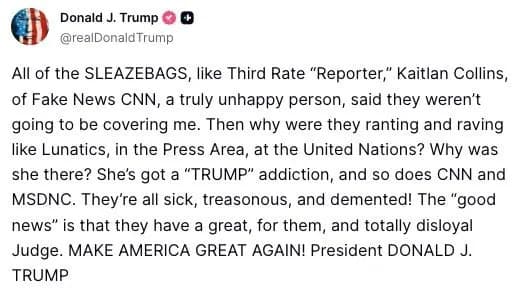
When Mr. Trump announced the bans, he framed them as punishment for what he called "purposely negative" and "one-sided" coverage. As he posted on Truth Social and told reporters, he said news coverage had become "sickening" over time and accused outlets of publishing "fiction and lies." Only days later did the White House invoke national security as an explicit legal justification.
"No, no. It's really just cumulative stories over the last two years. You get sick of it," Mr. Trump said when asked whether a specific story prompted the bans.
Examples Cited By The White House
The letters identify specific reports the administration calls problematic: a CNN account of a purported bunker under the White House ballroom site, reporting on munitions shortages tied to the war with Iran, and stories alleging depleted interceptors or reliance on outdated intelligence tied to U.S. strikes. The administration likewise points to articles and posts by MSNBC and Politico that it says published sensitive details or spread verifiable falsehoods related to national security.
Due Process And First Amendment Issues
Legal critics emphasize that D.C. Circuit precedent requires the government to provide credentialed journalists with advance notice, a written explanation, and an opportunity to contest exclusion from the White House. The administration's letters, critics argue, do not satisfy those procedural protections because they were produced after the ban.
Shumate argues that access to the White House is a "privilege, not a right," and that the President has "compelling reasons" to exclude outlets that fail to meet journalistic standards or publish information that could harm national security. Opponents counter that many routine national-security stories depend on classified or sensitive information, and the administration's approach could permit broad censorship of reporters who cover national-security topics.
Broader Implications And The Court's Role
More than 60 journalists employed by the three organizations reportedly had their credentials deactivated, amplifying the procedural and constitutional stakes. U.S. District Judge Timothy J. Kelly, who previously blocked the revocation of CNN reporter Jim Acosta's press pass in 2018 on due-process grounds, heard arguments about whether the White House provided adequate notice and whether the national-security rationale is genuine or pretextual.
Critics—including press-freedom advocates—call the move retaliatory and intimidating, warning it could chill critical reporting. Supporters of the administration's filing maintain the government must be able to protect sensitive information and enforce professionalism among credentialed journalists.
Whatever the judicial outcome, the dispute highlights a tense intersection of national-security concerns, procedural protections for credentialed reporters, and First Amendment principles that protect newsgathering and access to White House press facilities.
Help us improve.