The Reuters/Ipsos poll finds U.S. confidence in the MMR vaccine has declined to 76% from 84% in May 2020, with the drop strongest among Republicans. The country has recorded more than 3,000 measles cases this year — the most in 35 years — and Pennsylvania has reported three measles-related deaths. Kindergarten vaccination coverage fell to 92.5%, below the 95% level experts say is needed for herd immunity. The poll also shows low approval (19%) for the administration's response and a notable partisan gap on handling infectious diseases.
Trust In Measles Vaccines Drops In U.S. As Outbreaks Surge, Reuters/Ipsos Poll Shows
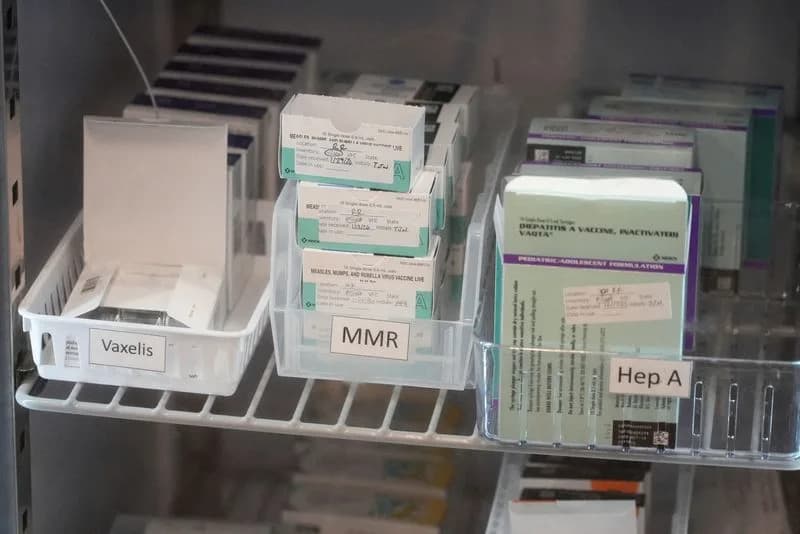
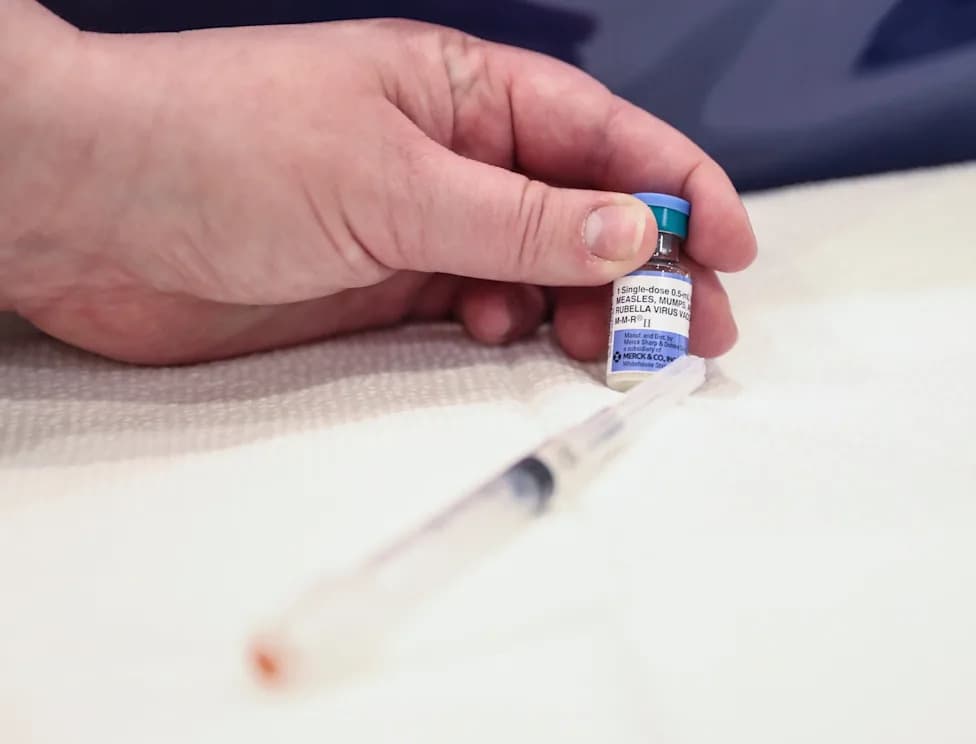
FILE PHOTO: MMR vaccines sit inside a medical refrigerator in Spartanburg, South Carolina, U.S., February 6, 2026. REUTERS/Jayla Whitfield-Anderson/File Photo
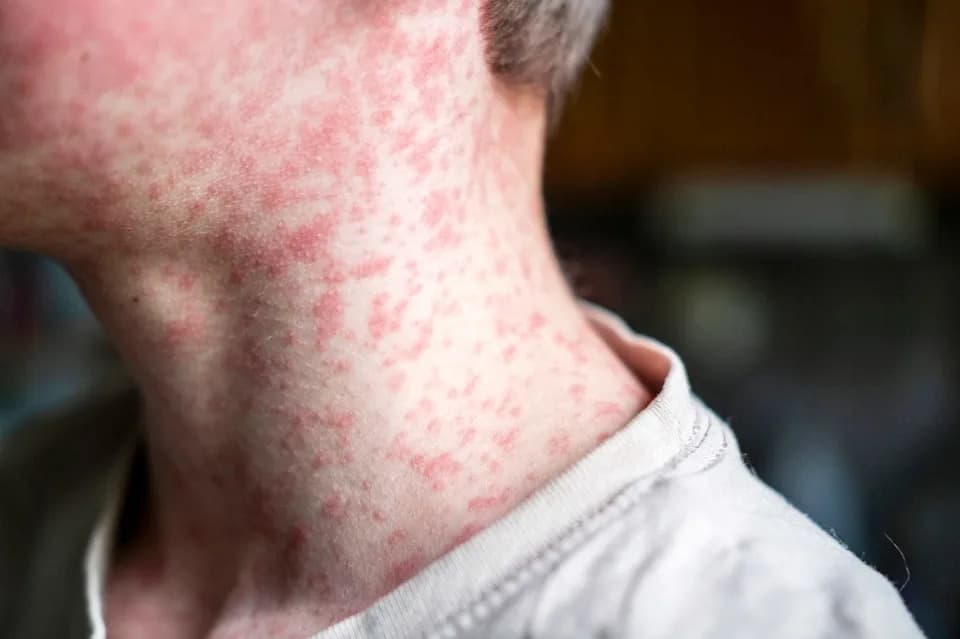
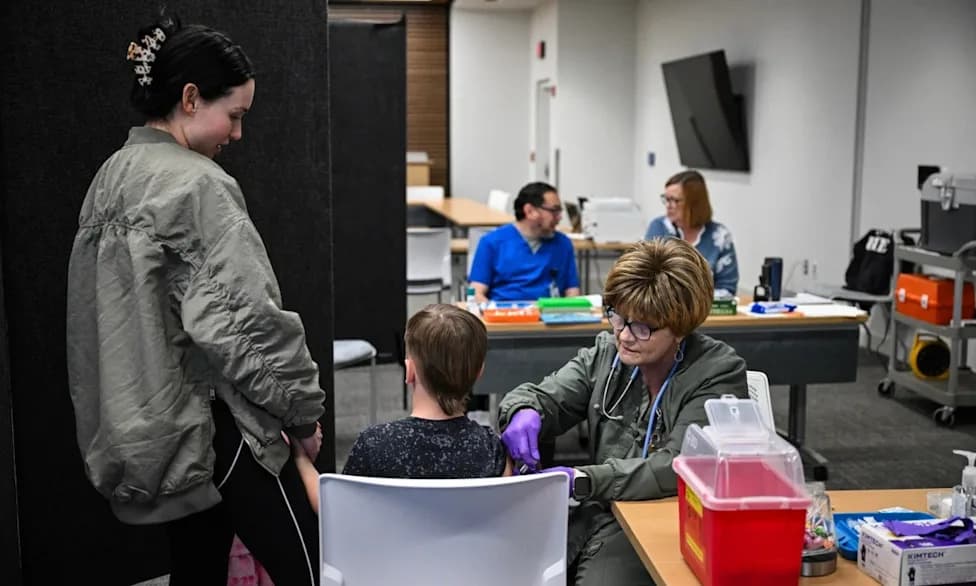
WASHINGTON — A Reuters/Ipsos poll conducted over four days and released on Monday finds declining confidence among Americans in vaccines that prevent deadly childhood illnesses, including measles — a worrying trend as the United States confronts its most serious measles outbreaks in decades.
About 76% of respondents said they believe the measles, mumps and rubella (MMR) vaccine is safe for children, down from 84% in a May 2020 Reuters/Ipsos poll. The drop in trust was most pronounced among Republicans, where some members have been more skeptical about vaccines.
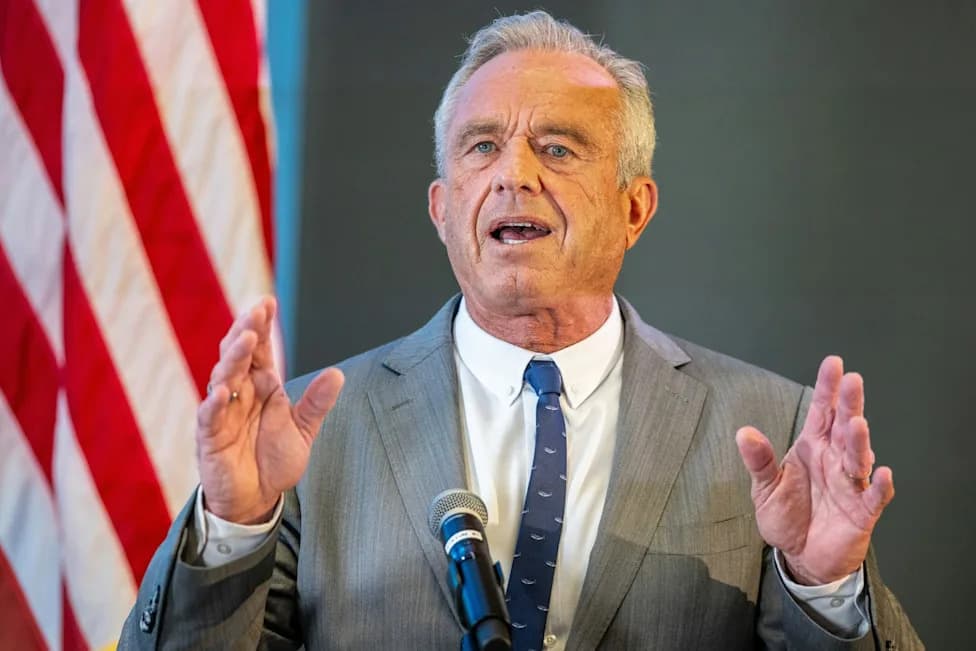
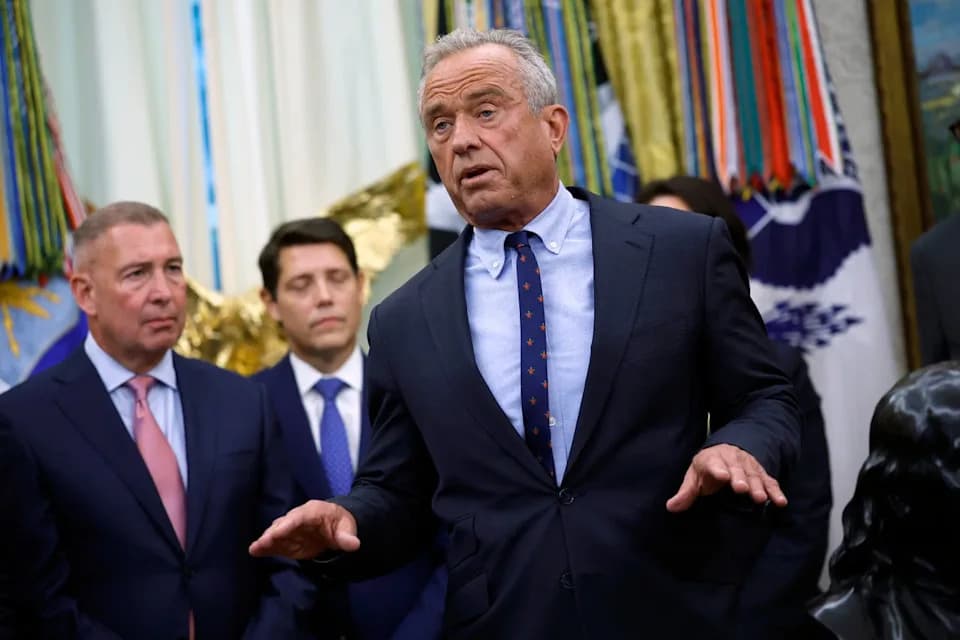
President Donald Trump in August signed an executive order directing that the federal childhood immunization schedule be reduced from 17 shots to 11. His top health official, Robert F. Kennedy Jr., who had been a longstanding vaccine critic prior to becoming health secretary, has advocated for reshaping U.S. vaccine policy and for fewer childhood vaccinations.
Worst Outbreak In 35 Years
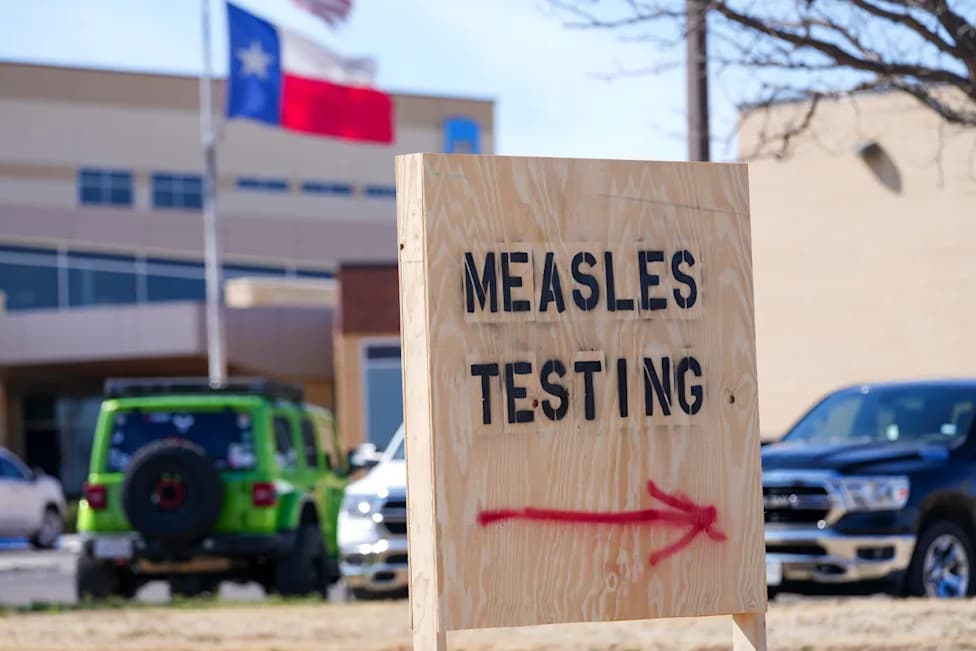
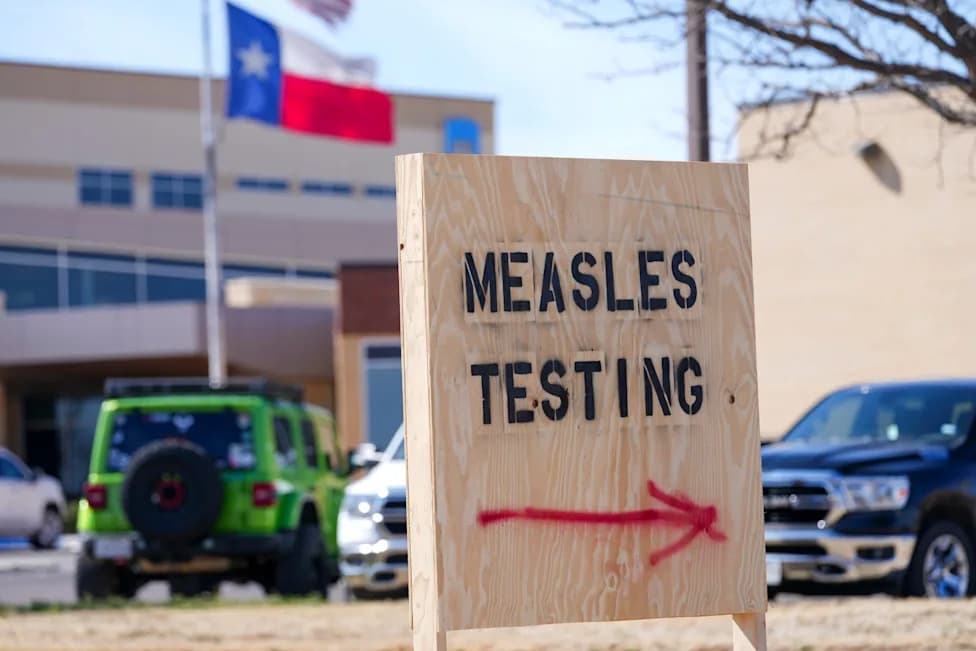
Pennsylvania, Utah and South Carolina have been among states grappling with measles outbreaks this year. Pennsylvania has reported three measles-related deaths, and the country has recorded more than 3,000 confirmed infections so far — the highest total in 35 years.
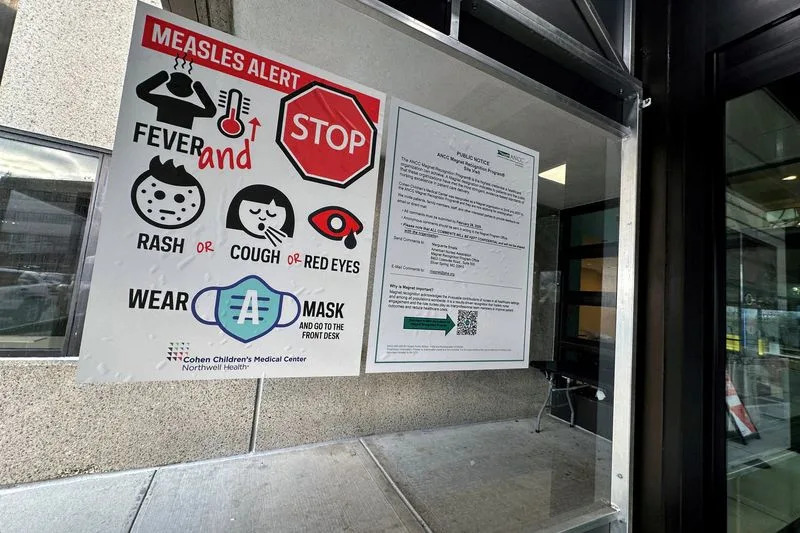
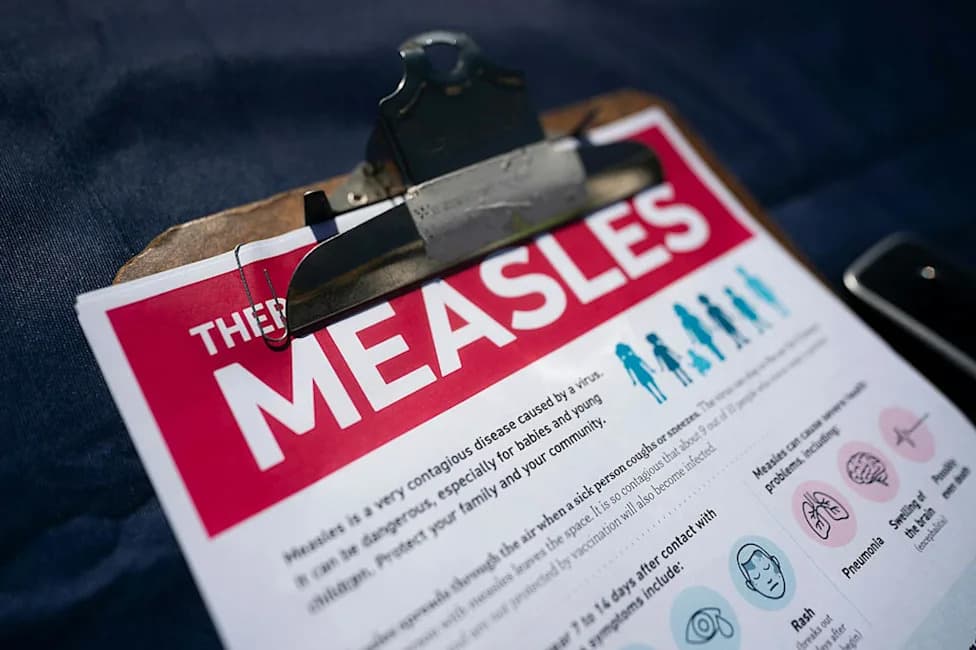
FILE PHOTO: A measles alert sign hangs outside the entrance to the Cohen Children's Medical Center in New Hyde Park, New York, U.S., March 14, 2025. REUTERS/Shannon Stapleton/File Photo
Why Vaccination Matters
Measles is highly contagious and can cause fever, rash and respiratory complications. It is preventable: the combined measles-mumps-rubella (MMR) vaccine is part of the routine childhood schedule and is about 97% effective at preventing infection after two doses. The MMR shot is typically given at 12–15 months and again between 4 and 6 years.
Last year, average vaccination coverage among U.S. kindergarteners fell to 92.5%, according to CDC data — below the 95% threshold experts say is needed to maintain so-called herd immunity and protect people who cannot be vaccinated.
Political Response And Public Opinion
The Reuters/Ipsos poll found just 19% of Americans approve of the administration's handling of the measles resurgence, while 52% disapprove; the remainder offered no view or did not answer. Registered voters favored Democrats over Republicans by 45% to 25% when asked which party has the better approach to preventing infectious diseases such as measles.
Public concern about measles remains lower than some other issues: 31% of voters said they were very worried about measles outbreaks, compared with 58% who said they were very worried about the cost of living.
After Pennsylvania announced two measles-related deaths last month, Health Secretary Robert F. Kennedy Jr. repeated a claim about MMR vaccine ingredients that public-health experts say is false and questioned whether measles caused the deaths. Pennsylvania later reported a third measles-related death this week.
The online Reuters/Ipsos poll collected responses from 1,143 U.S. adults and has a margin of error of plus or minus three percentage points.
Help us improve.