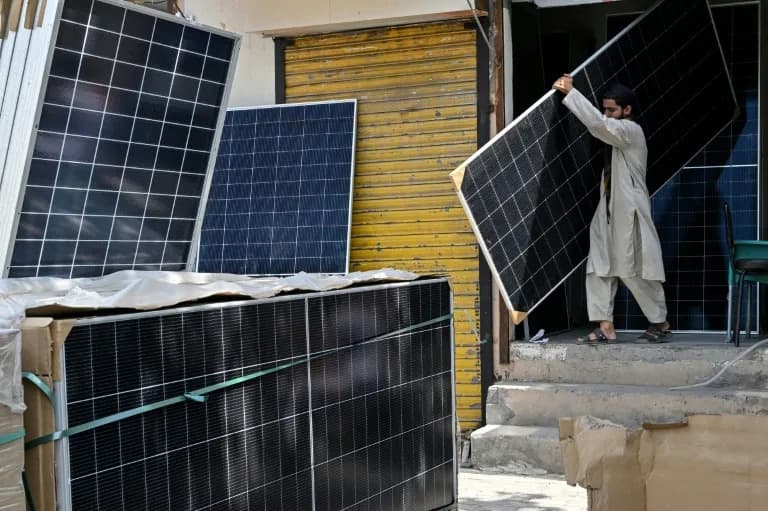
India’s renewable capacity has surged from about 4 GW a decade ago to roughly 300 GW today, now representing 54% of total installed capacity. However, rapid generation growth has outpaced transmission and storage build‑outs, causing substantial curtailment — about 300 GWh in Q1 2026 alone. Experts warn that addressing transmission bottlenecks, scaling battery storage and unlocking cheaper finance is essential for India to reach its 500 GW non‑fossil target by 2030 and to influence global emissions trends.
India’s Renewable Boom Stumbles on Grid Gaps — Much Clean Power Is Going to Waste
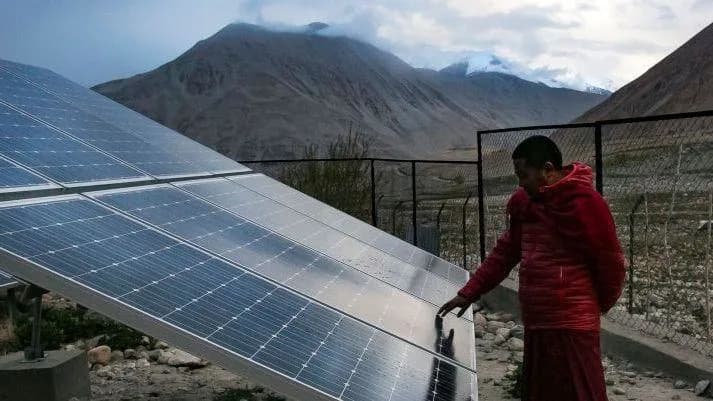
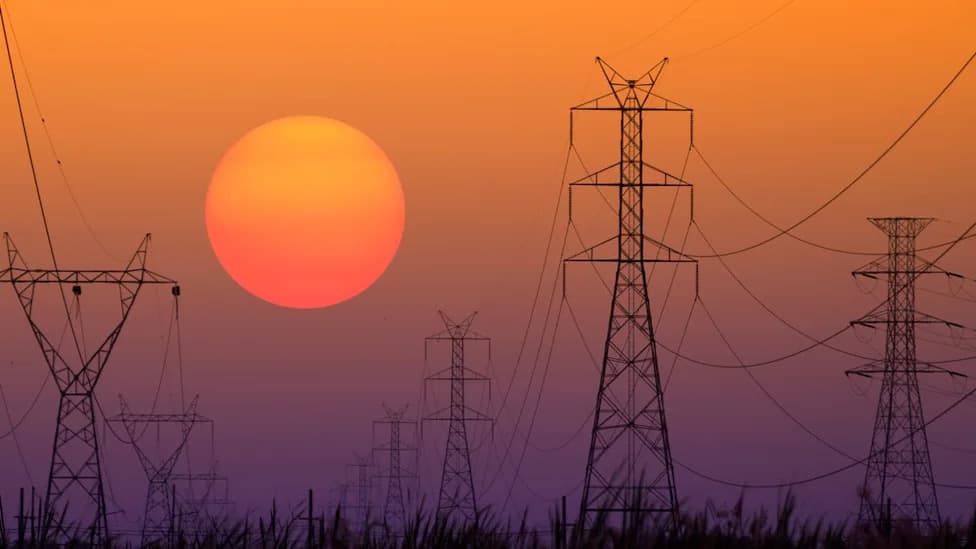
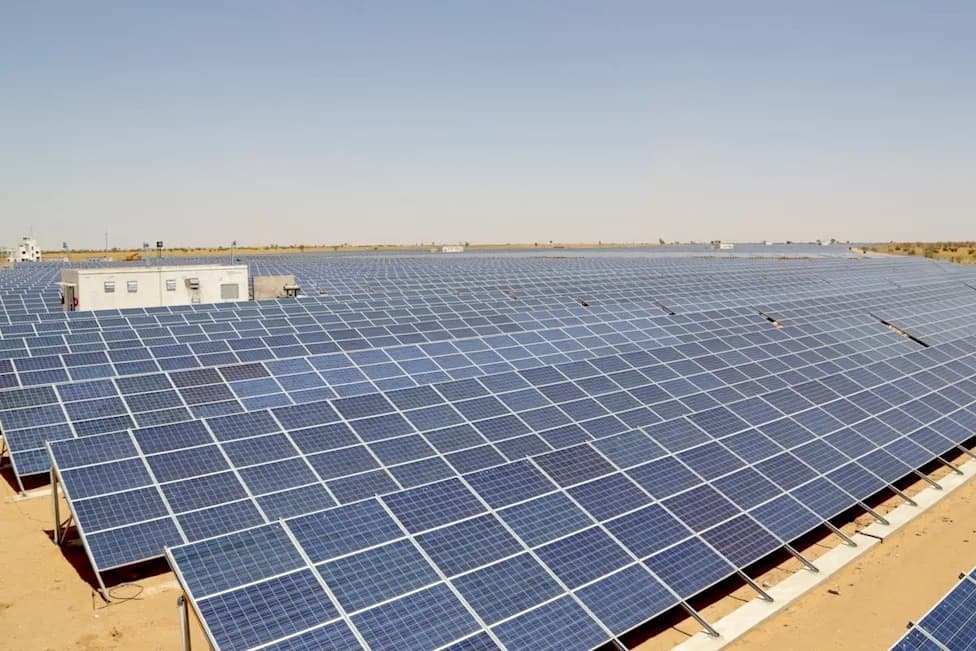
Renewables make up for 54% of India's total 552GW installed power capacity [Getty Images]
On a hot July afternoon this year, electricity from non‑fossil sources briefly met more than half of India’s peak power demand — the second time this milestone has been reached in two years. The short-lived moment highlighted a decade of extraordinary growth in solar, wind, hydro and nuclear capacity, but it also exposed a persistent problem: a growing share of that clean energy cannot reach consumers.
Rapid Growth and a Major Milestone
A decade ago India had roughly 4 GW of installed renewable capacity. Today that number stands at about 300 GW — roughly 54% of the country’s total installed capacity of 552 GW — a target achieved five years ahead of schedule. For a nation long associated with coal, this is a major stride toward decarbonising the power system.
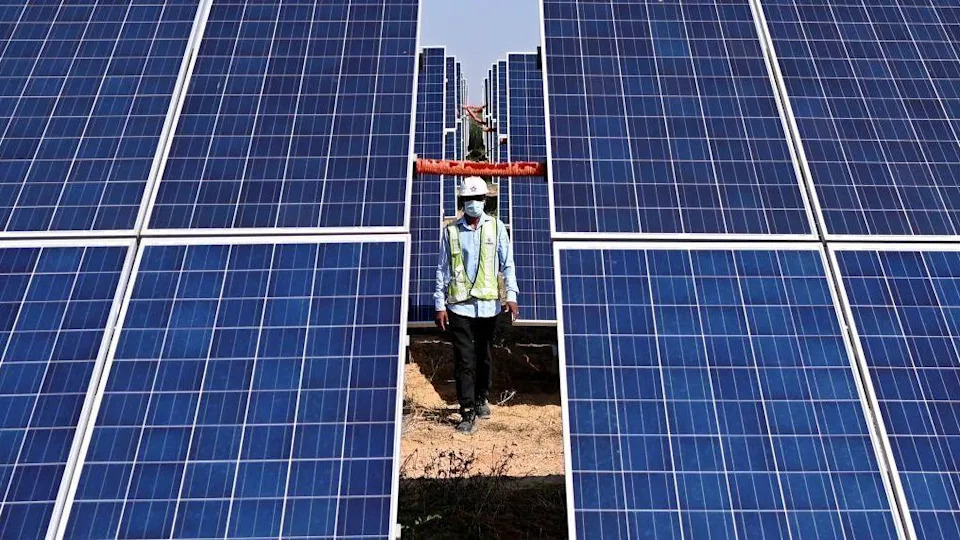
Electricity generated from renewable energy briefly met over half of India's peak power demand in July [AFP via Getty Images]
Why So Much Clean Power Is Being Wasted
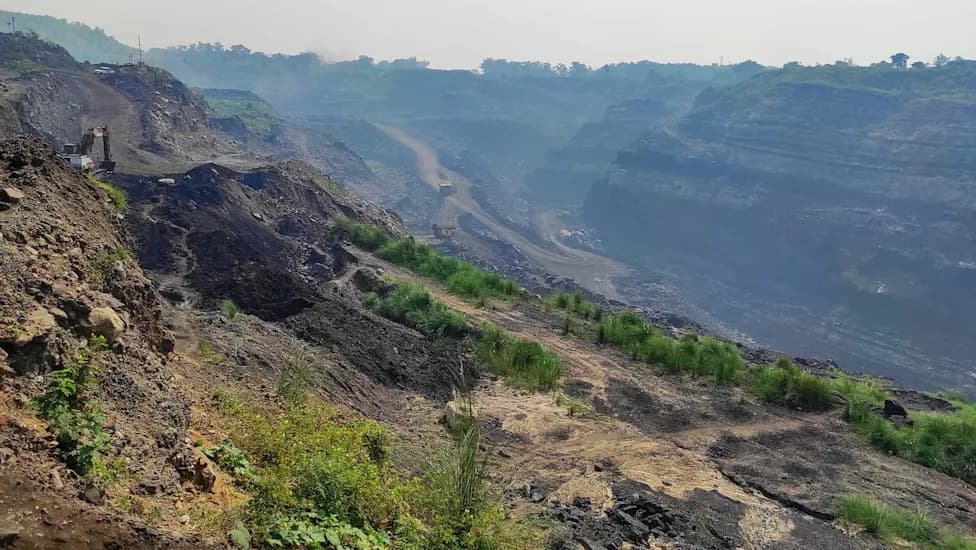
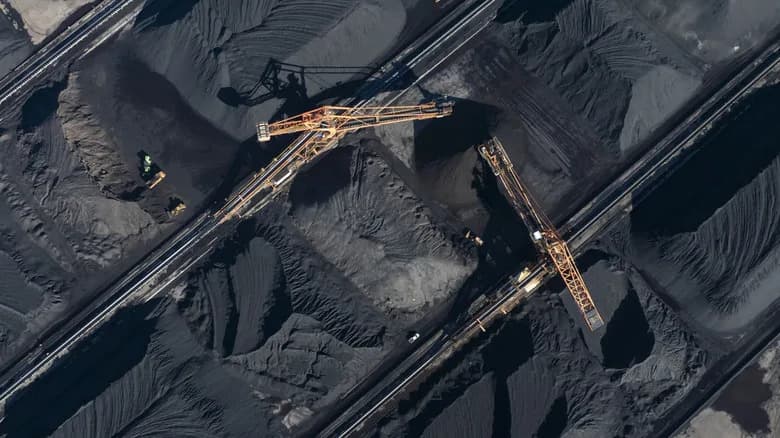
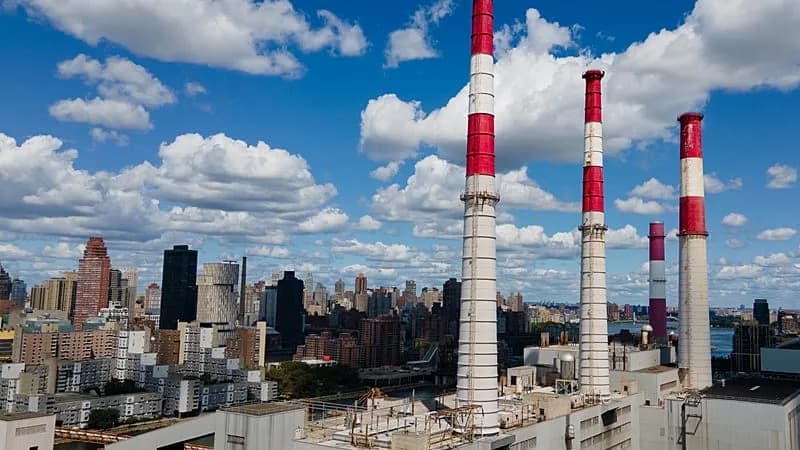
Despite the expansion, coal-fired plants still produce roughly 70% of India’s electricity on average because they operate at higher load factors. More critically, the rollout of transmission infrastructure has lagged behind generation. Ember, a global energy think-tank, reports that transmission constraints caused nearly two-thirds of renewable curtailment in Q1 2026 — about 300 GWh of clean electricity effectively wasted.
Delays are widespread: one in four interstate transmission projects has been held up by more than a year. Experts including Sumant Sinha, CEO of ReNew Power, point to the mismatch in timelines — generation projects can be built in 18–24 months, whereas transmission lines require complex land acquisition, right-of-way approvals and coordination across agencies.
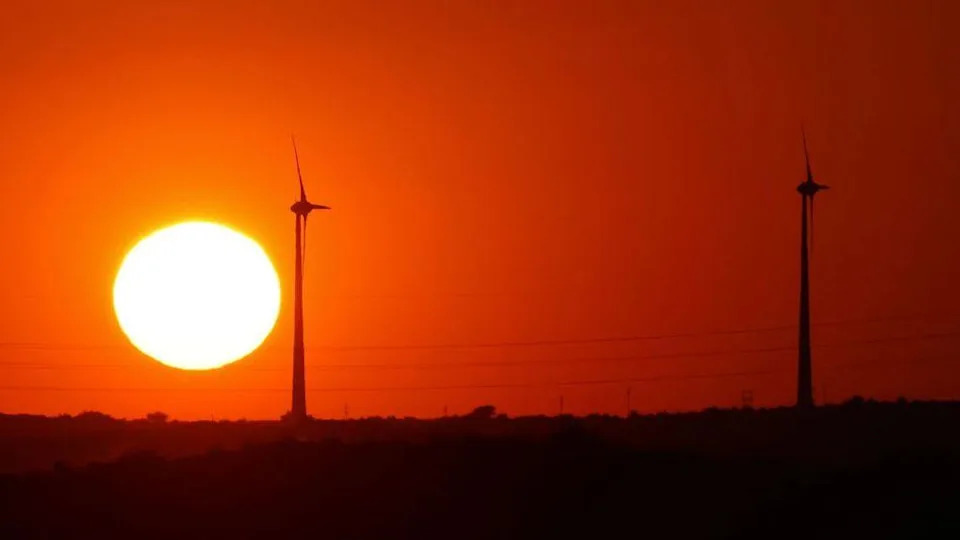
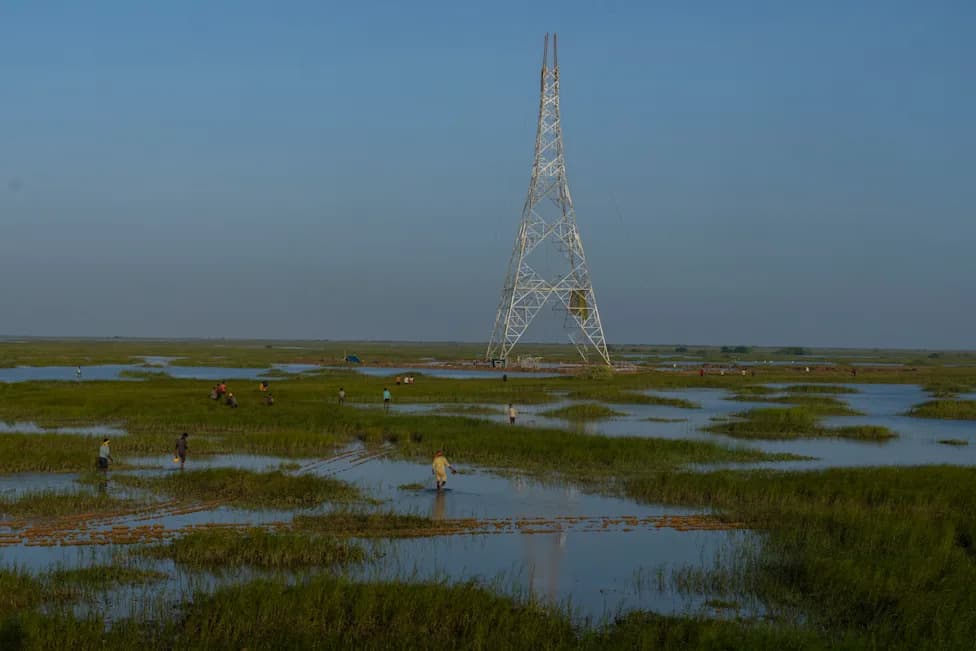
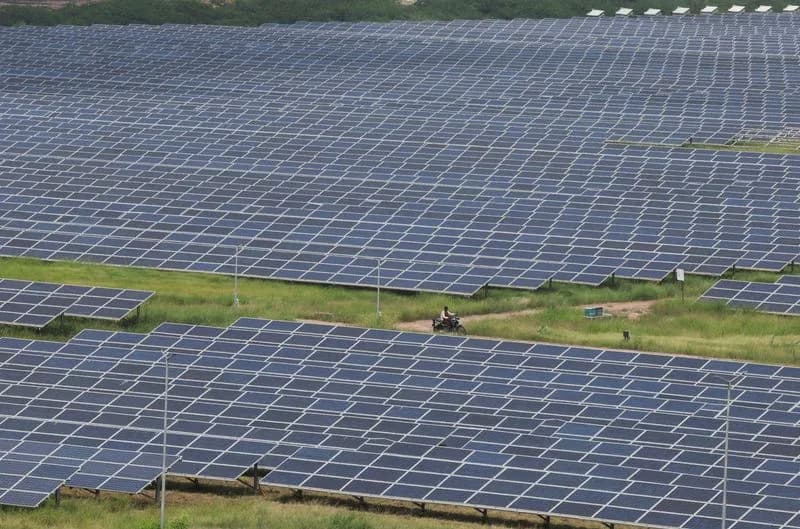
Indian renewables projects are concentrated in the north-western states of Gujarat and Rajasthan [AFP via Getty Images]
Geography, Storage And The Missing Buffer
Many renewables projects are concentrated in north‑western states such as Gujarat and Rajasthan, intensifying the challenge of evacuating power to demand centers. Widespread battery storage at pooling stations could have shifted excess daytime solar into evening demand peaks, but storage deployment has fallen short.
Several factors contributed: a sharp rise in battery costs, global raw‑material supply pressures partly linked to geopolitical tensions, and a depreciating rupee that raised financing costs for Indian developers. As Vibhuti Garg of the Institute for Energy Economics and Financial Analysis notes, many planned storage projects were shelved as financing became harder and more expensive.
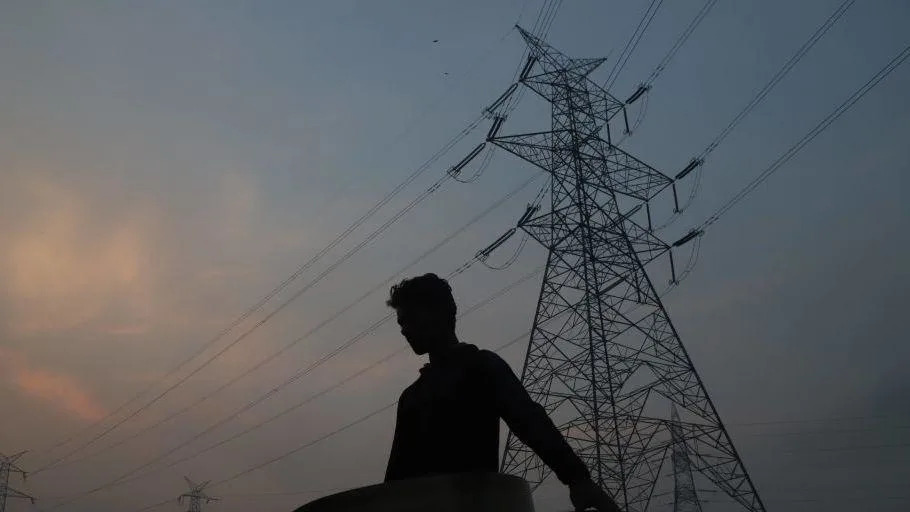
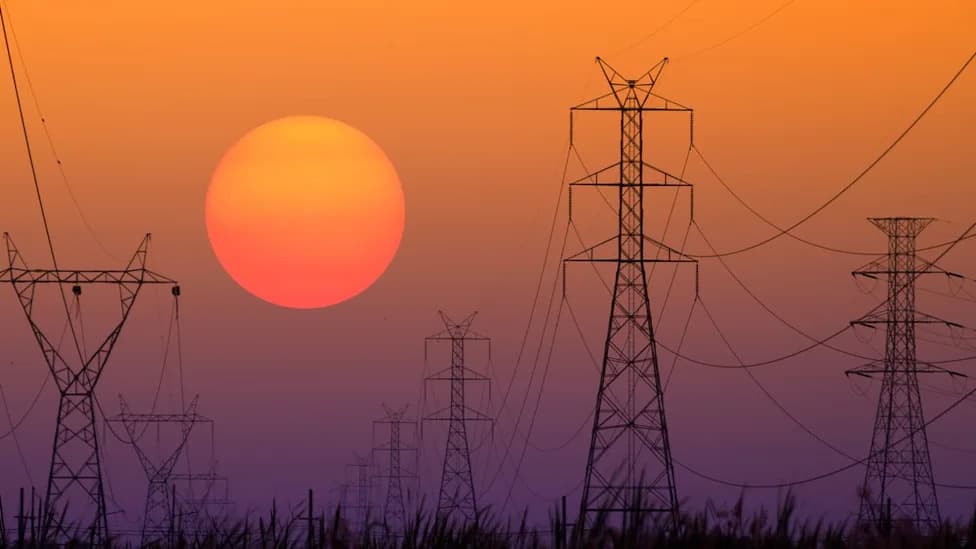
Transmission shortages are said to be the most critical operational risk to India's renewables build-up [NurPhoto via Getty Images]
Finance: A Key Constraint
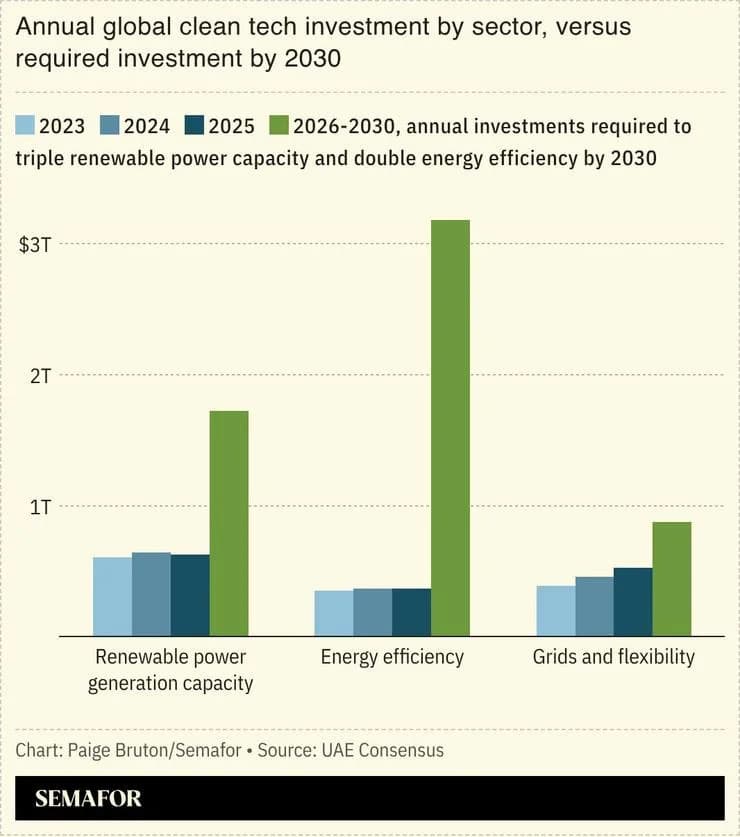
India is estimated to need between $400 billion and $500 billion to reach 500 GW of non‑fossil capacity by 2030. Yet about 83% of current climate mitigation finance in India is sourced domestically, making access to cheaper international loans, guarantees and currency risk protection a priority. Sumant Sinha observes that emerging economies outside China receive only around 15% of global clean‑energy investment despite representing two‑thirds of the world’s population.
Why This Matters Globally
India is the world’s third‑largest greenhouse‑gas emitter and its electricity demand has been growing at a compounded rate of more than 7% per year. The International Energy Agency projects electricity demand could rise by about 80% by 2035 — the steepest increase among emerging economies. How quickly India closes gaps in transmission, storage and financing will shape both its domestic emissions trajectory and the global effort to meet climate goals.
Bottom line: The renewable build-out is real and rapid, but without faster transmission, more storage and better access to affordable finance, a significant portion of India’s clean power will continue to go unused.
Help us improve.