Summary: Middle powers used the UN stage to call for renewed multilateral cooperation, but differing national priorities and limited coercive power constrain their influence. They can succeed most when they focus on narrow, practical goals and form durable regional or issue-based coalitions. Long-term impact depends on whether these states can translate diplomacy into coordinated action that persuades — or safely complements — the U.S. and China.
Can Middle Powers Turn UN Rhetoric Into Real Influence?
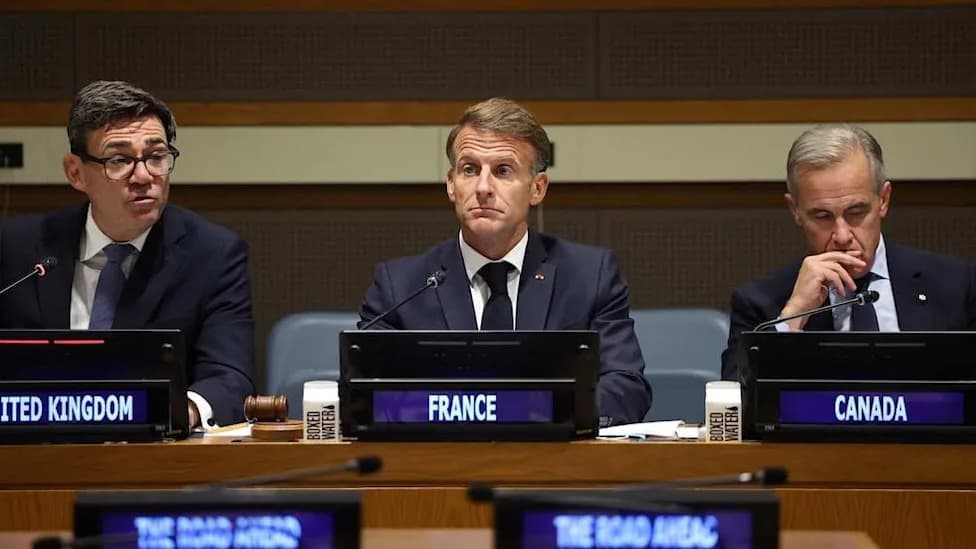
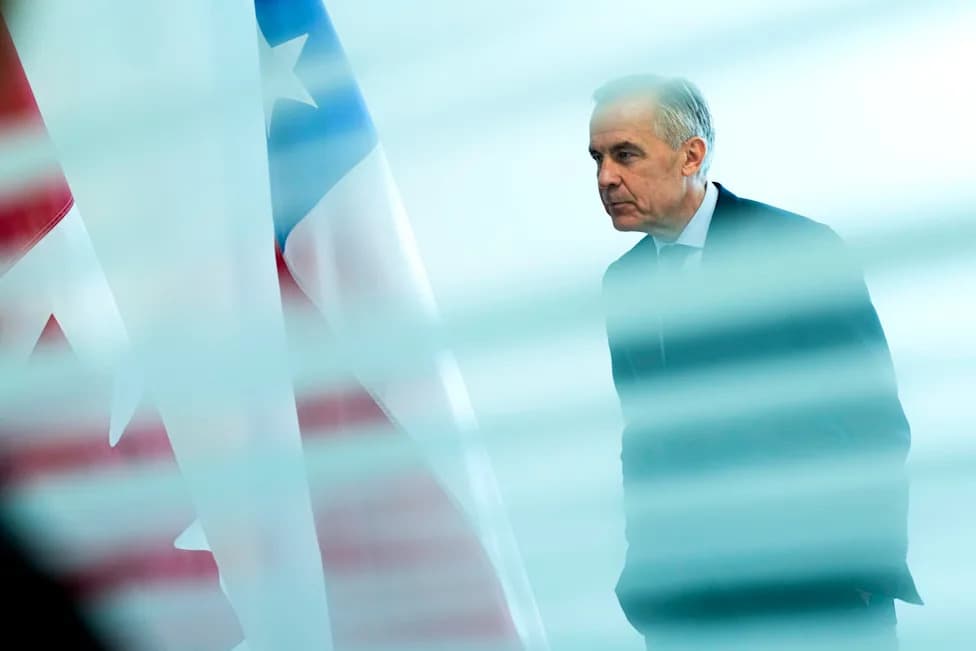
British Prime Minister Andy Burnham attends the Middle East peace event "The Road Ahead: One Year After the New York Declaration and the Comprehensive 20-point Peace Plan" with French President Emmanuel Macron and Canadian Prime Minister Mark Carney.
The world’s so-called middle powers used their UN appearances this week to press for renewed cooperation — but their calls for collective action face real limits.
Leaders Speak Up
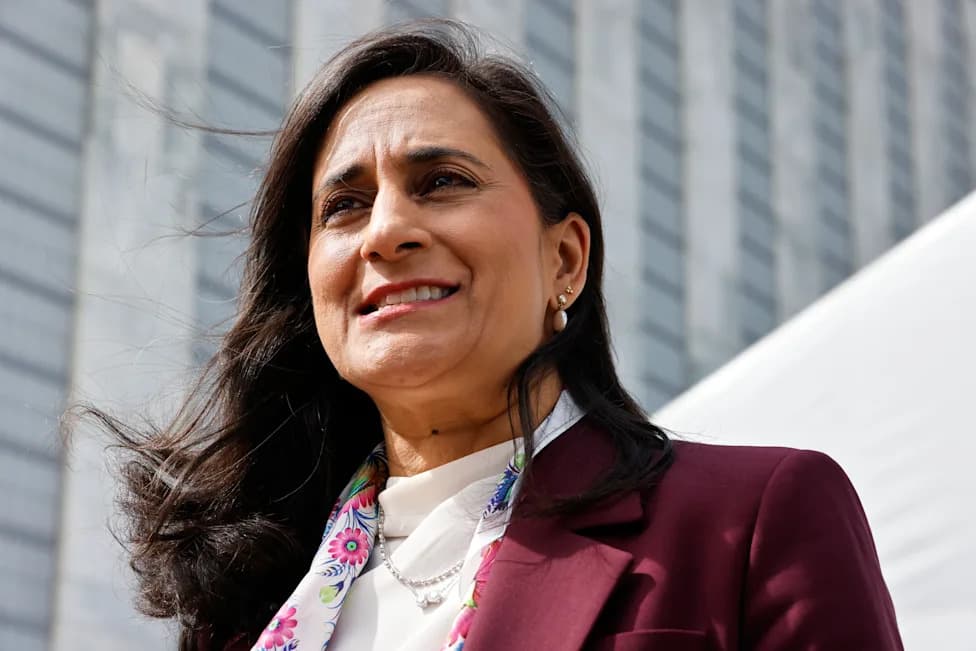
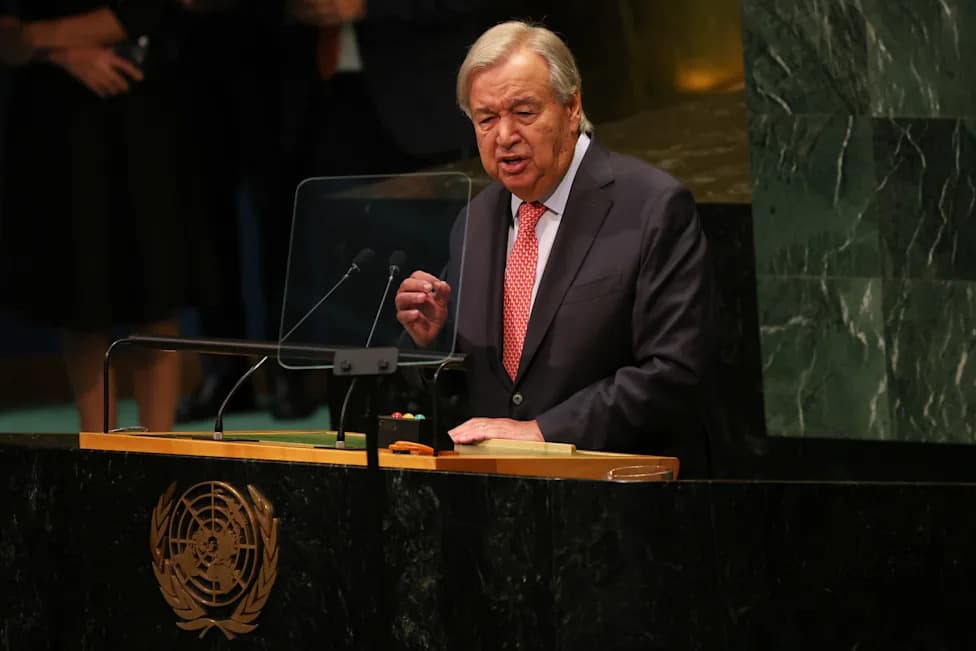
French President Emmanuel Macron urged a revival of multilateralism; South Korean President Lee Jae Myung praised the "cherished value of multilateral cooperation"; British Prime Minister Andy Burnham called on nations to "work together to solve shared problems"; and Japanese Prime Minister Sanae Takaichi asked member states to "mobilize collective strength" and "build a framework for cooperation."
A Stark Contrast
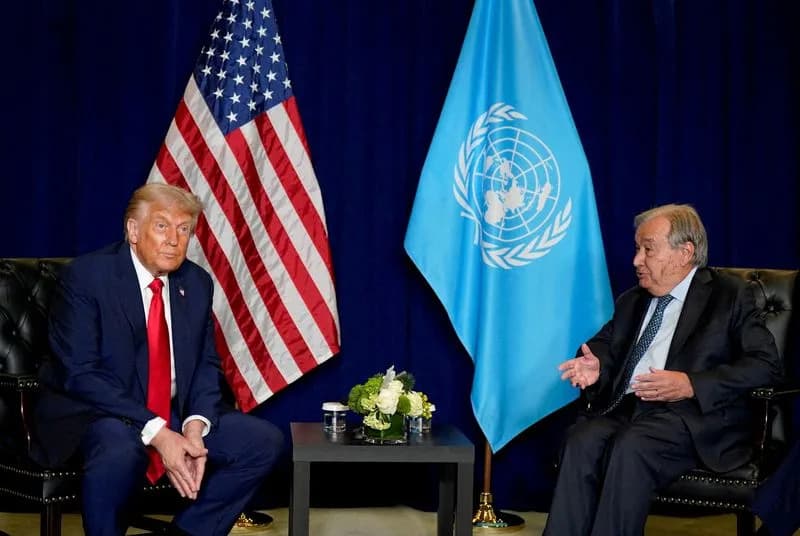
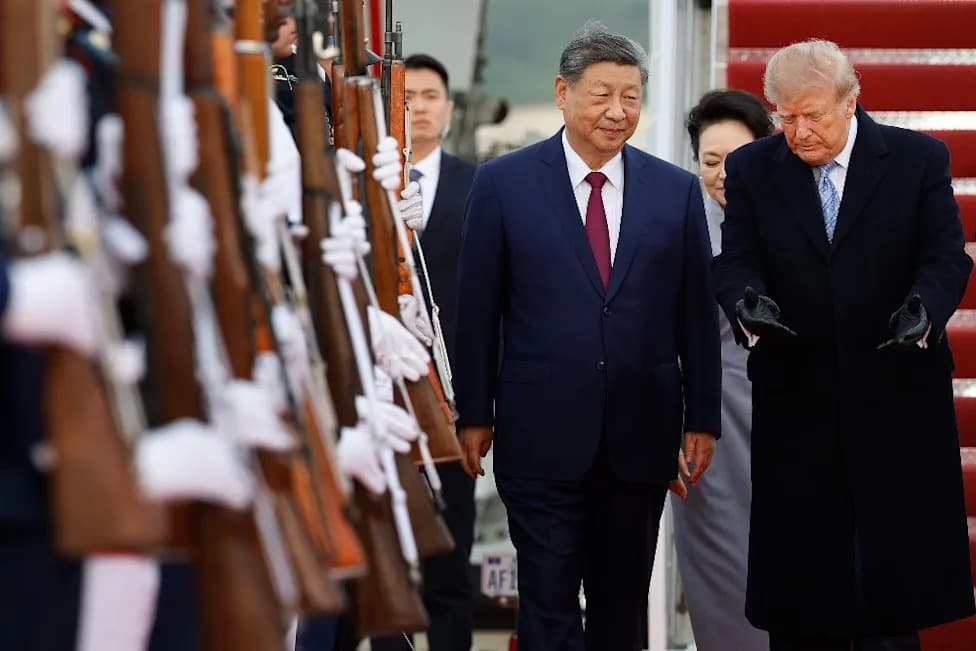
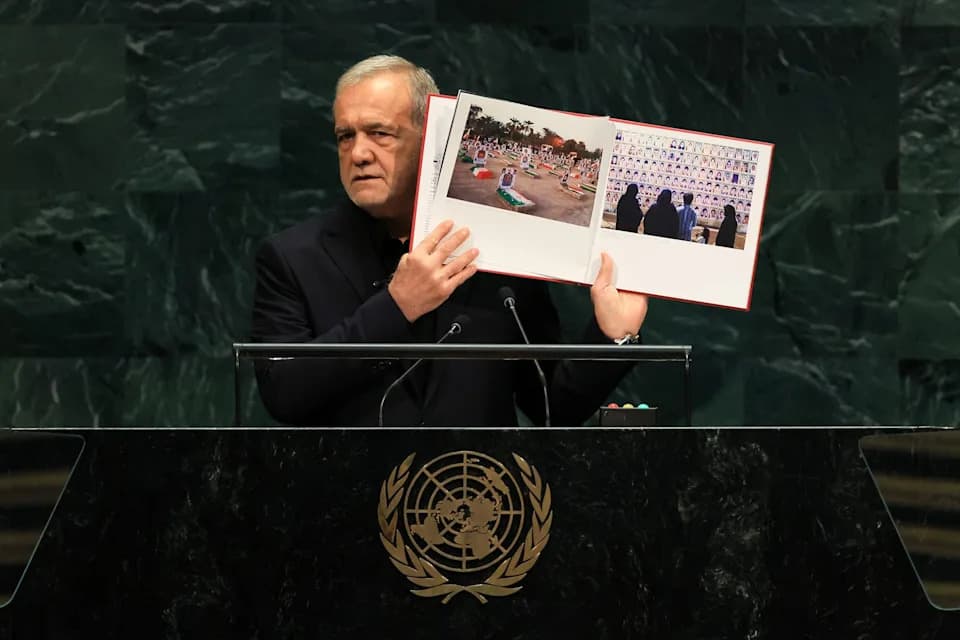
Those appeals contrasted sharply with the U.S. representative’s declaration at the podium that "there is no global government," underscoring divergent views about the scope and authority of international institutions.
What Are Middle Powers?
The label "middle powers" — applied to countries such as Canada, France, Japan, Brazil and others — remains loosely defined. Without a shared strategy or a sustained coalition, it is unclear whether these states can drive outcomes on big-ticket issues like artificial intelligence, defense, or complex international conflicts.
Limits: Disagreement and Lack of Coercion
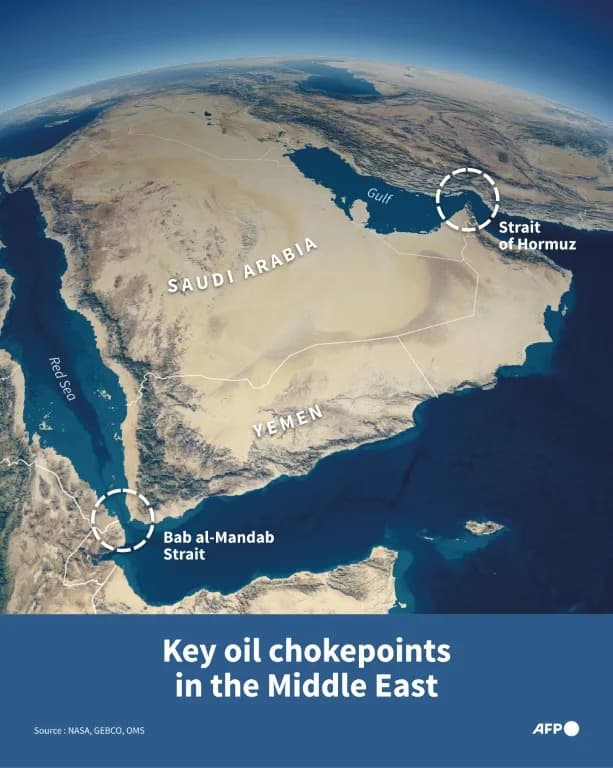
Coalition-building is often hampered by internal disagreement. For example, the EU recently agreed to lift sanctions on two Russian-linked figures after competing national interests produced a compromise that left many members dissatisfied. Middle powers also lack the economic and military leverage of the U.S. and China, which constrains their ability to shape outcomes in crises such as the wars in Ukraine and tensions in the Middle East.
Where They Can Move the Needle
Middle powers can be effective when they focus narrowly and avoid direct confrontation with superpowers. Regional and issue-specific initiatives have yielded results: in July, ten European countries launched a joint anti-ballistic missile initiative, reflecting growing concern about Russian threats and uneven confidence in long-standing security guarantees. ASEAN remains a model of practical cooperation on trade and regional stability by concentrating on concrete, mutual priorities.
Limits on Global Issues Like AI
Even united middle powers struggle to influence domains dominated by the largest states. France convened a UN Security Council session on the risks posed by advanced AI, with executives from major AI firms warning of potential existential threats. Yet the two leading AI powers remain reluctant to impose binding constraints, and some prominent U.S. voices have rejected global controls on AI development.
The Long View
Analysts argue the best path for middle powers is to combine complementary strengths, target narrow priorities, and build durable coalitions that can persuade — rather than coerce — larger powers. Multipolarity will likely make these countries more consequential economically and politically, but it also raises the risk of fragmentation and more frequent localized conflicts unless middle powers translate rhetoric into coordinated, practical action.
"Just calling yourself a middle power doesn't work," says James Lewis of the Center on European Policy Analysis. The test will be what these countries accomplish together, not what they declare from podiums.
Help us improve.