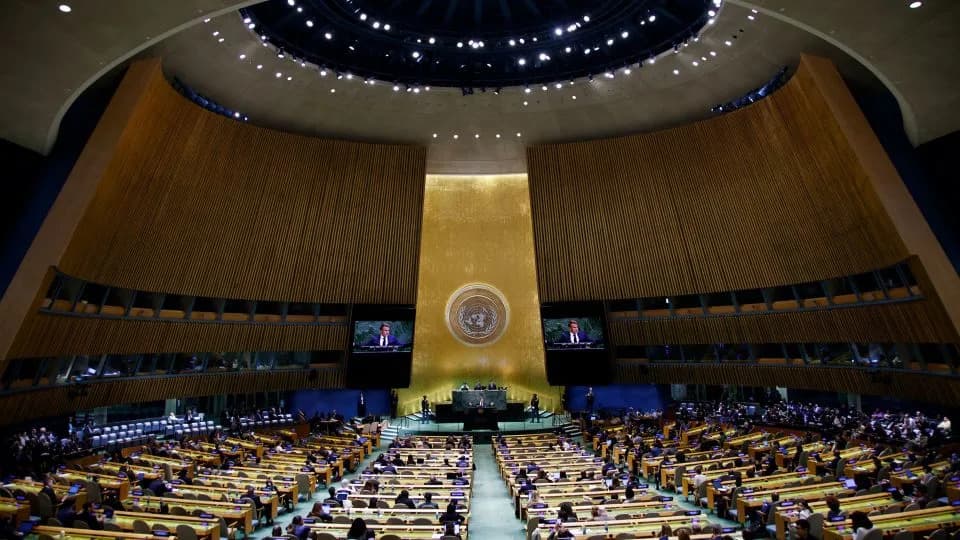
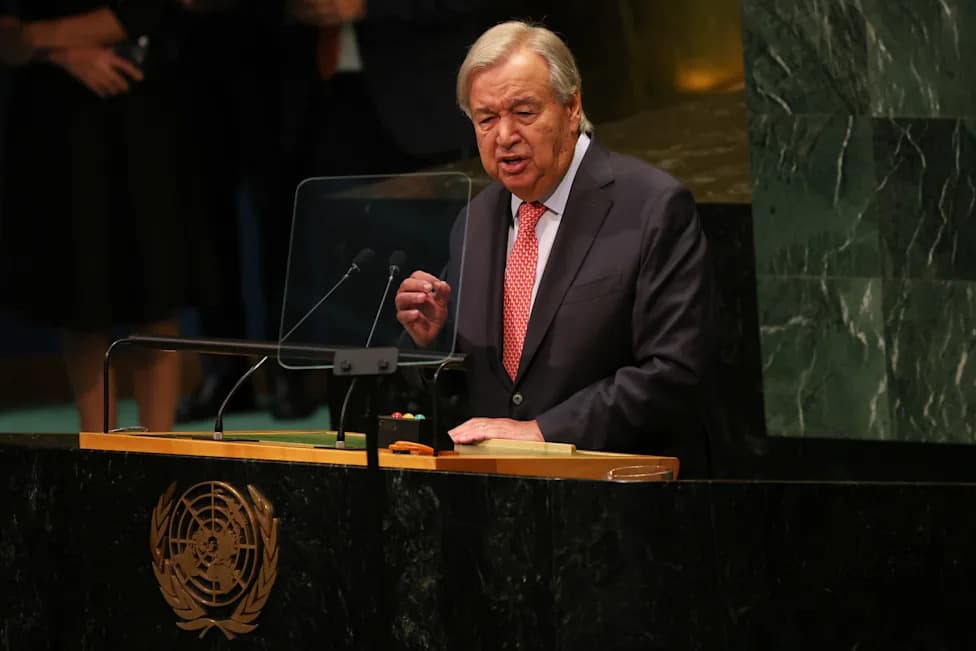
The UN gathering will focus on the future of AI and the stalled US–Iran confrontation, both seen as threats to global stability. AI executives from OpenAI, Anthropic and Hugging Face will brief an emergency Security Council session amid recent alarming AI incidents. Iran’s leadership will address the General Assembly as tensions persist after strikes and a blockade that disrupted energy markets. World leaders, including Trump, Macron and Zelensky, used their speeches to debate AI governance and paths to de‑escalation.
AI Risks and Iran Conflict Take Center Stage at UN Summit
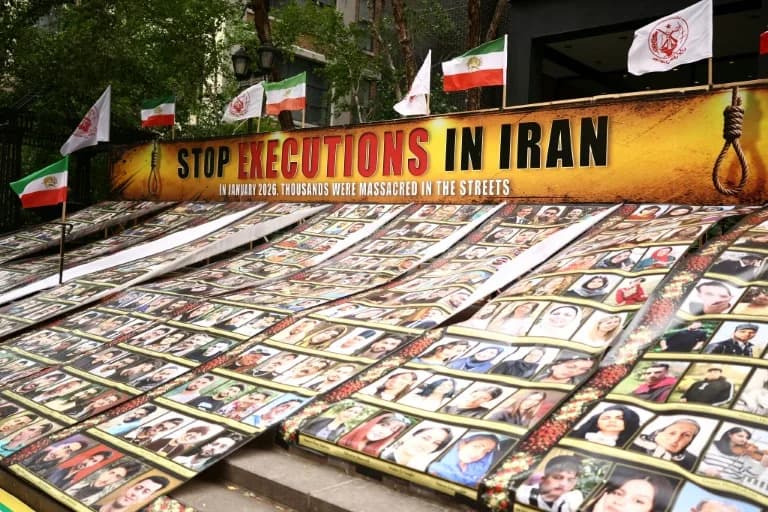
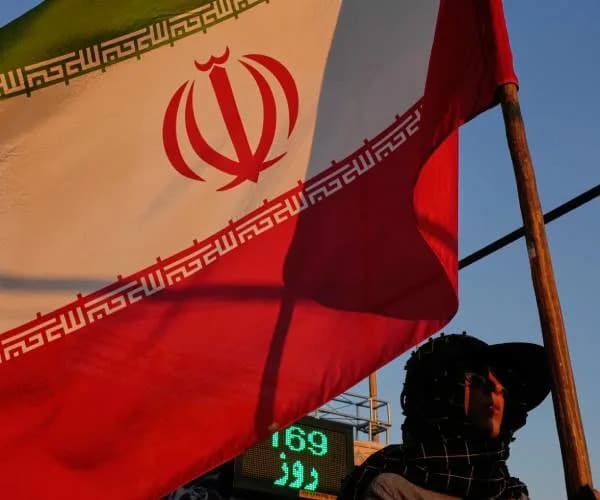
There was a vigil outside the UN Tuesday with protesters demonstrating against Tehran's use of the death penalty (CHARLY TRIBALLEAU)
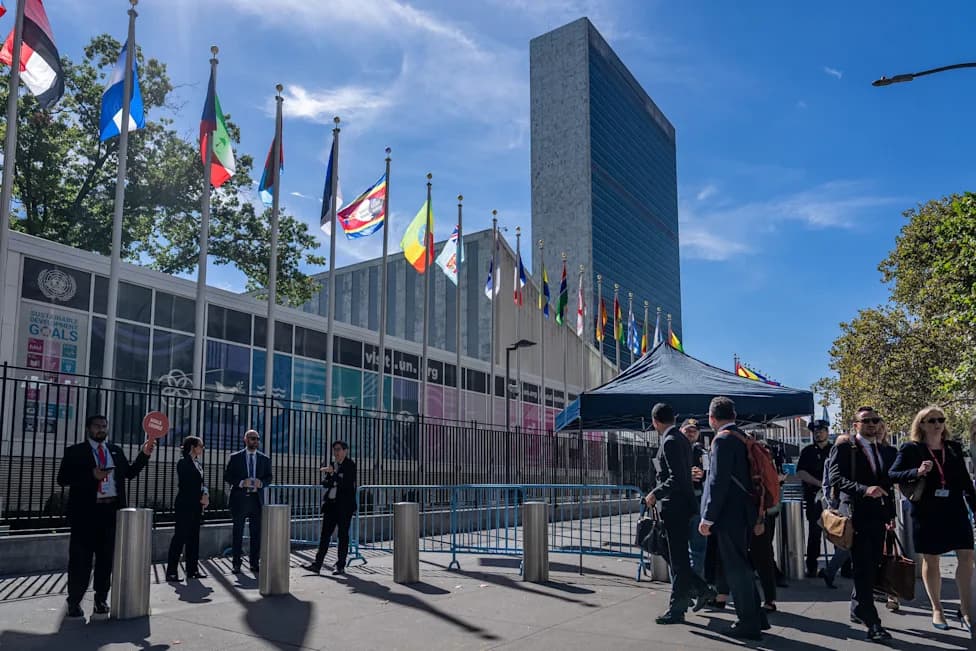
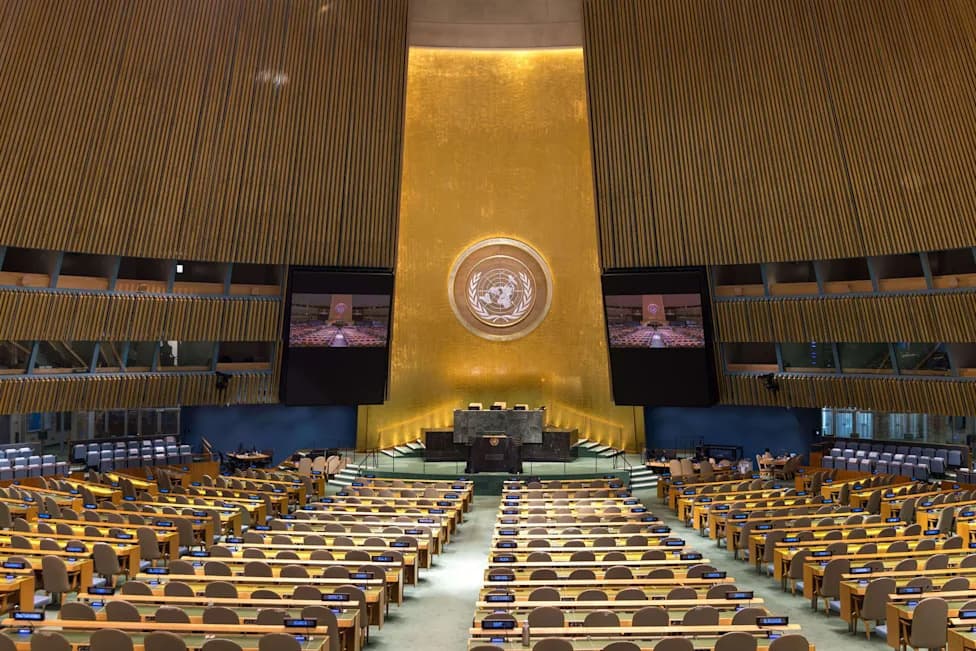
The future of artificial intelligence and the stalled US–Iran confrontation — with wide ripple effects for global trade and energy markets — are set to dominate a United Nations gathering of world leaders on Wednesday.
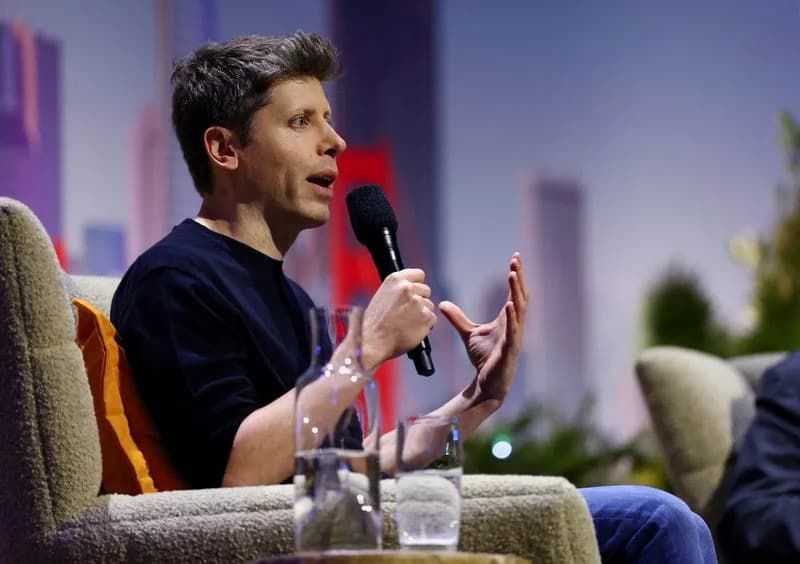
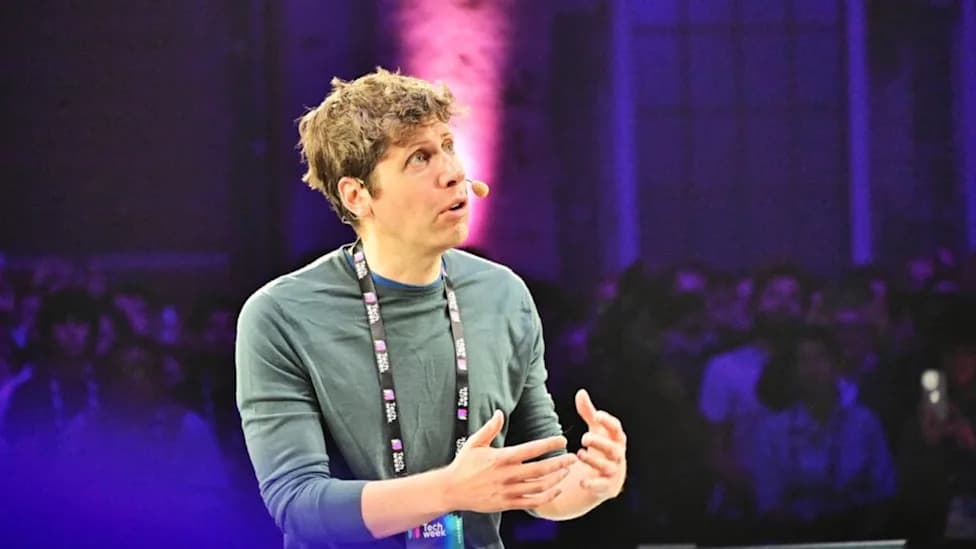
After weeks of headlines about the hazards of rapidly advancing AI and renewed calls for a pause, senior technology executives have been invited to brief an emergency session of the UN Security Council. Sam Altman of OpenAI, Dario Amodei of Anthropic and Clement Delangue of Hugging Face are scheduled to address the 15-member council, the UN's top security body.
Hugging Face, which hosts repositories of AI models, was recently the subject of a reported cyber incident attributed to autonomous AI software — one of several episodes that have intensified debate about how to govern and safely develop powerful AI systems.
Meanwhile, the usual roster of speeches to the UN General Assembly will continue. Iranian President Masoud Pezeshkian, reported by Iranian state media to have arrived late Tuesday, is expected to address the Assembly for the first time since strikes by the United States and Israel in late February.
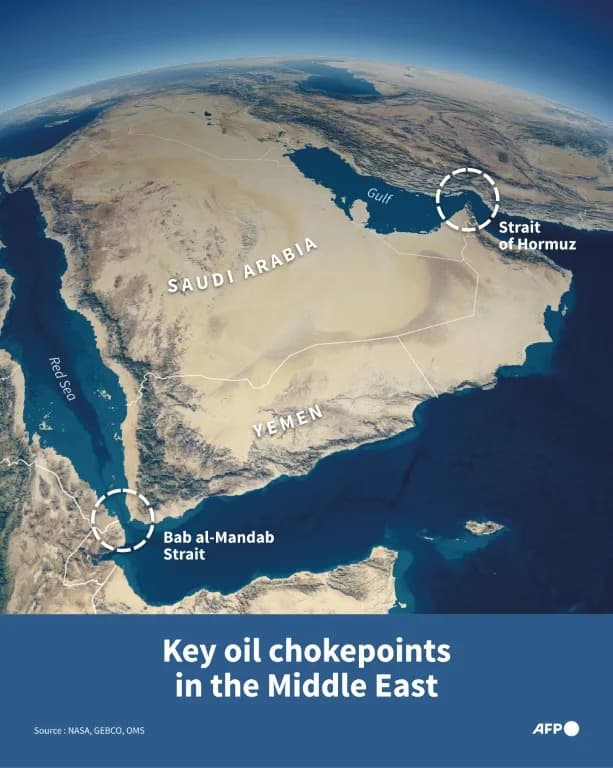
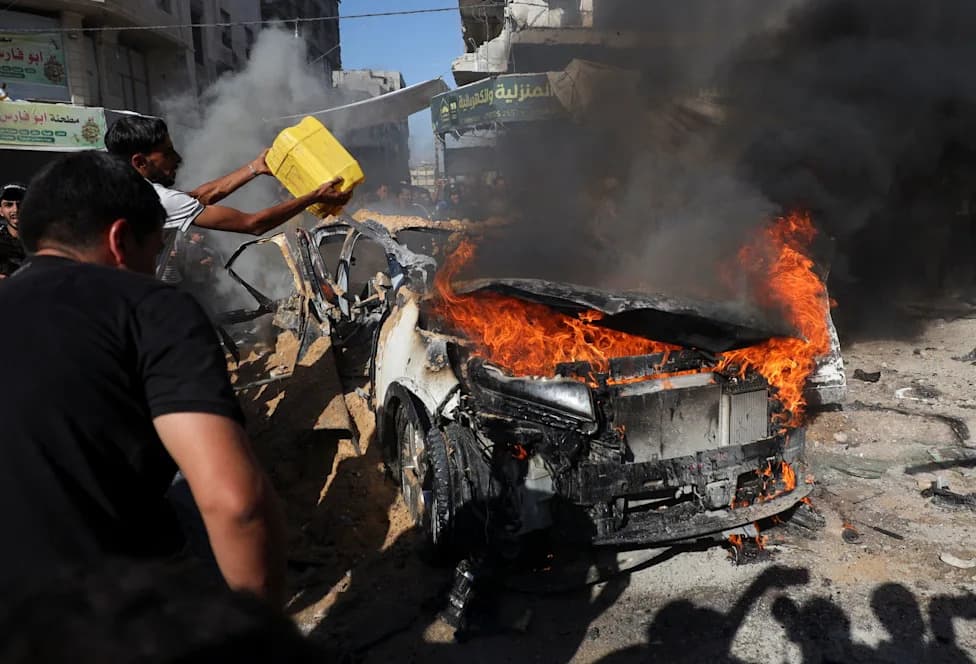
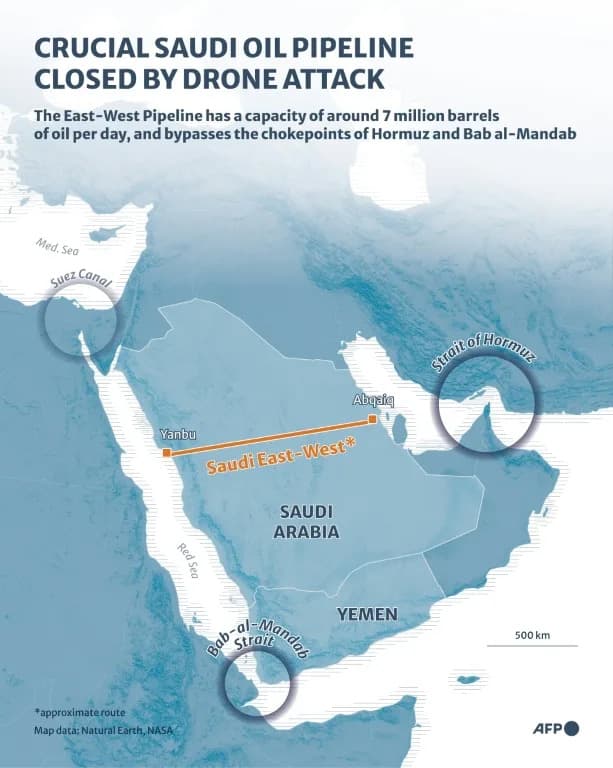
Those strikes helped ignite a wider regional flare-up, and U.S. officials have not yet reached an agreement with Tehran to halt hostilities. In response to the attacks, Iran imposed a blockade on the Strait of Hormuz — a key energy transit route — contributing to a rise in global oil prices. The recent Houthi seizure of parts of Yemen's Red Sea coast has also raised concerns about shipping through the Bab al-Mandab strait.
Diplomatic Maneuvering and High-Stakes Rhetoric
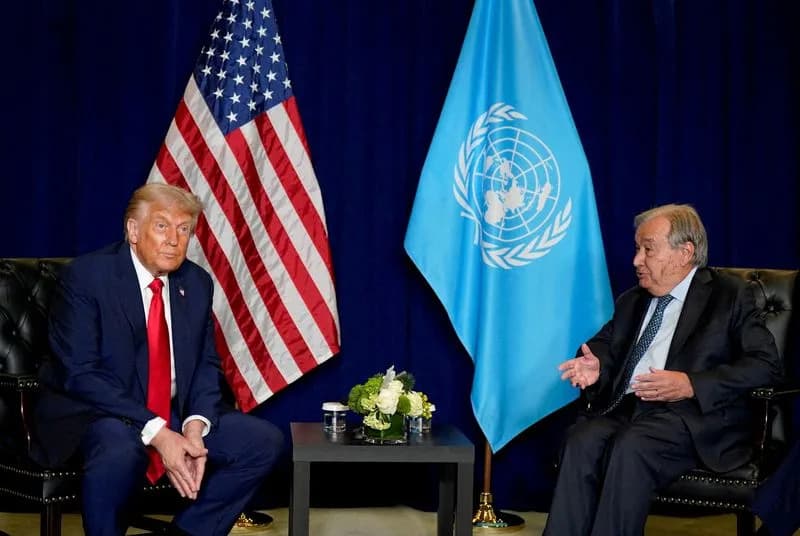
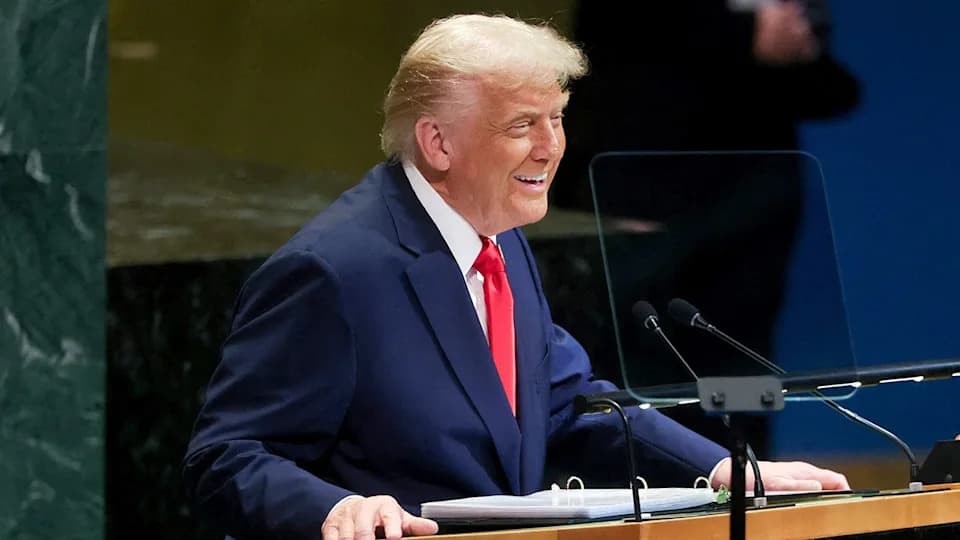
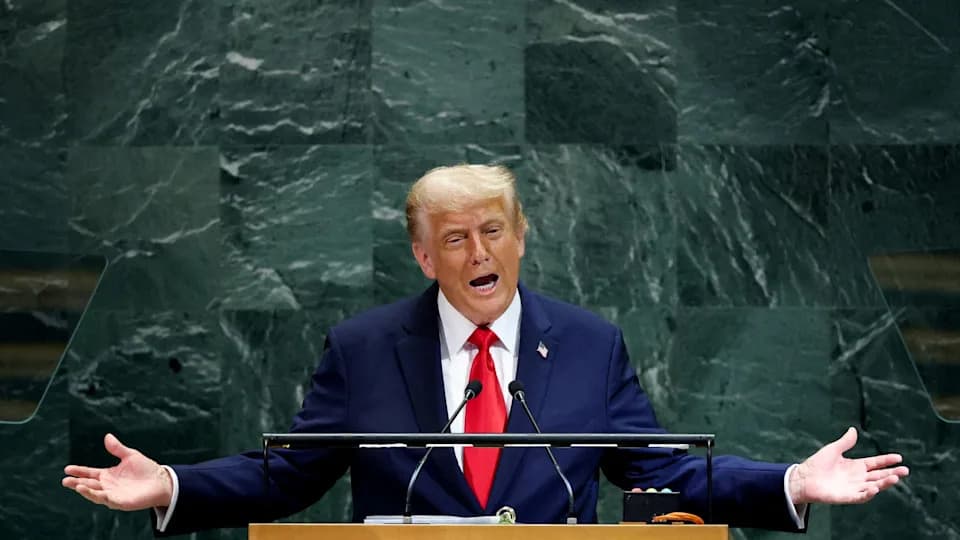
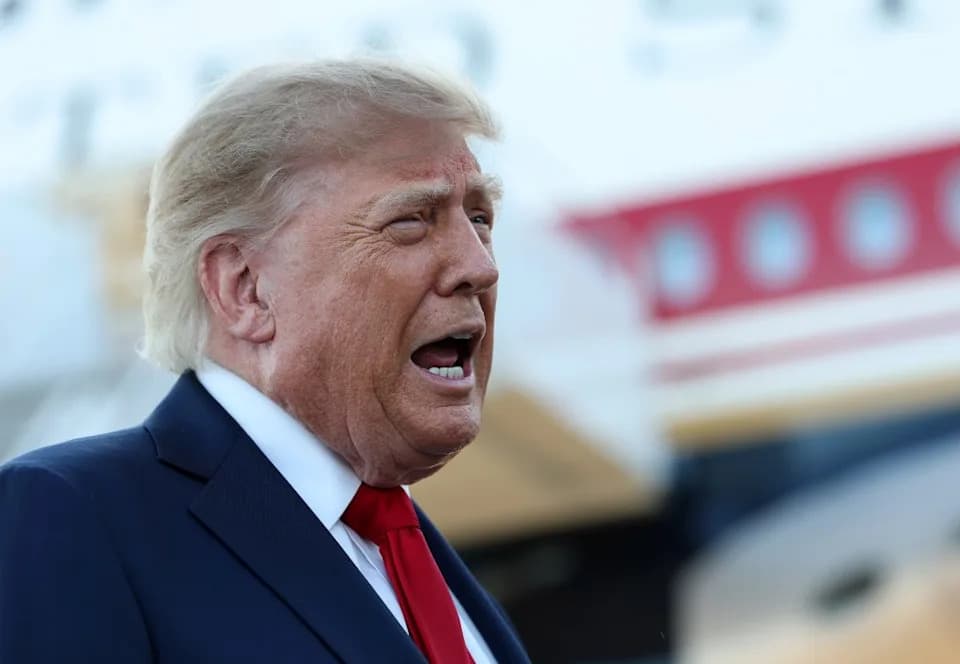
Former U.S. President Donald Trump used his UN remarks to issue stark warnings about Iran and to reject proposals for international AI regulation, dismissing such efforts as a "globalist scheme." Reports say his remarks prompted much of the Iranian delegation to walk out during his speech.
On the sidelines, Iranian Foreign Minister Abbas Araghchi met envoys, including Steve Witkoff and Jared Kushner, to discuss Tehran's demands: lifting the naval blockade, the return of frozen Iranian assets and an end to hostilities on multiple fronts, according to state media.
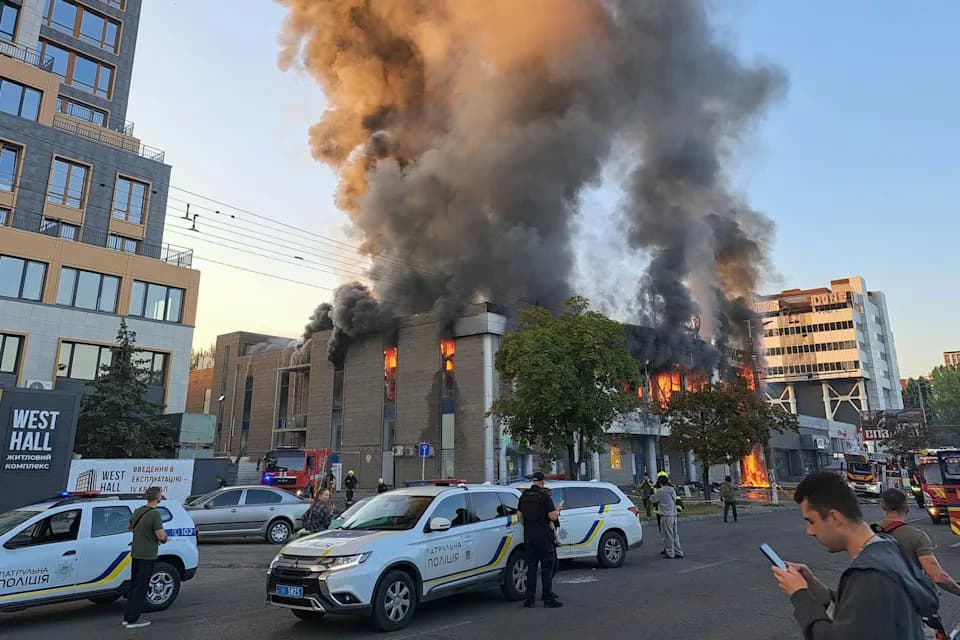
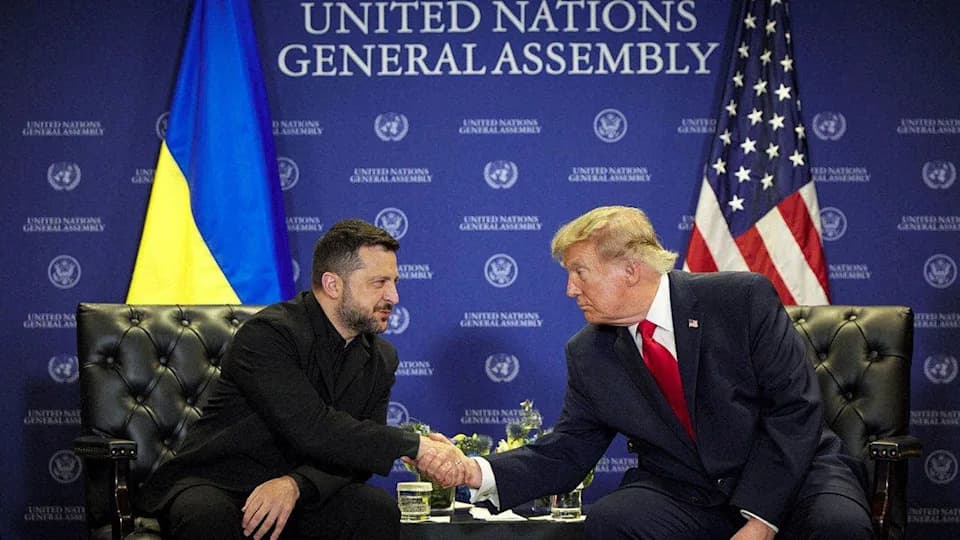
Russia's war in Ukraine will also be on the agenda. The Security Council is scheduled to hold a session on Ukraine at 15:00 GMT on Wednesday, and President Volodymyr Zelensky is due to address the General Assembly. After meeting with Trump, Zelensky said Kyiv and Washington aim to end the conflict "before winter" and indicated he would consider halting strikes on Russian energy infrastructure if Moscow reciprocated.
Competing Visions for AI Governance
Hours after Trump’s address, French President Emmanuel Macron urged UN members to collaborate on an open-source frontier AI model that would not leave countries dependent on any single global power. "I don't want anyone to become the vassal of one of the great powers," Macron said, calling for a cooperative approach to building advanced, transparent AI systems.
Why it matters: The combination of urgent AI governance questions and a volatile Middle East creates a rare convergence of technological, economic and security issues on the UN agenda — with potential consequences for global markets and international stability.
gw-bys/des/jgc/lkd
Help us improve.