Anthony Scaramucci argues three broad failures created fertile ground for Donald Trump: the long decline of U.S. manufacturing and stagnant wages for non-college workers; prolonged, costly wars that strained the budget and eroded trust; and a 2008 financial rescue seen as favoring elites. These trends deepened public frustration and helped fuel populism. Scaramucci proposes reforms—limiting gerrymandering, reinstating pay-as-you-go budgeting, and considering means-testing for Social Security—but warns that civic disengagement makes implementation difficult.
Three Policy Mistakes That Helped Propel Donald Trump — And What Might Fix Them
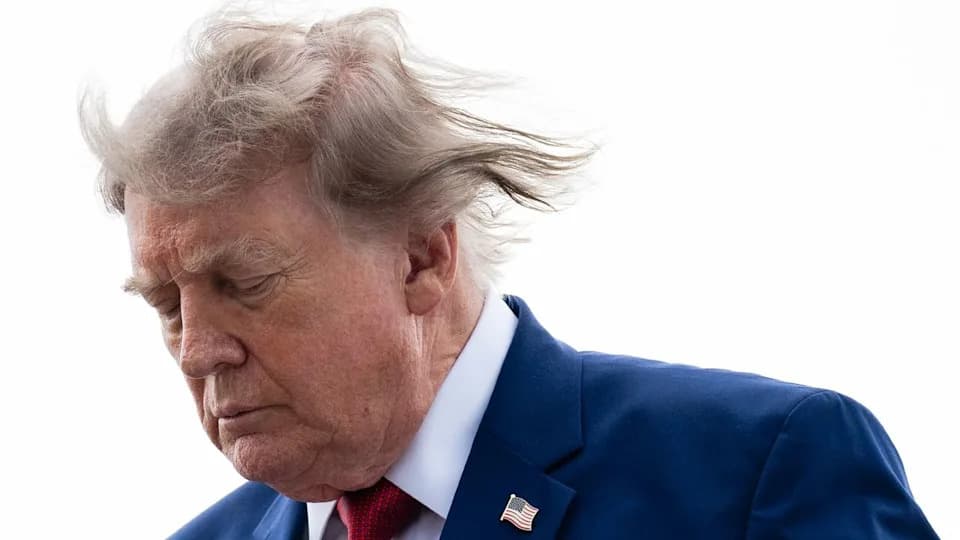
David Pashaee/MEI/SIPA/Newscom/Joe Sohm/Dreamstime
President Donald Trump rose to prominence by speaking directly to Americans who felt economically abandoned, politically distrustful, and deeply frustrated. In an interview with Reason magazine, financier and former White House Communications Director Anthony Scaramucci identifies three major policy and political failures that, he argues, created the conditions for Trump’s rise.
1. The Hollowing Out Of American Industry
Scaramucci points to long-term industrial decline as a central driver of populist anger. He describes a cohort of "once-aspirational white blue-collar workers" whose economic prospects stagnated as manufacturing jobs disappeared. While U.S. manufacturing employment peaked in 1979 and fell for decades thereafter, policy choices and globalization — including expanded trade with China around 2000 — accelerated job losses in some regions even as cheaper imports lowered consumer prices.
Crucially, median incomes and wealth have not risen evenly: workers without college degrees have seen wage stagnation while college-educated households captured much of the gains. That unevenness helps explain how economic frustration transformed into political resentment.
2. Costly Wars And Eroded Trust
The period after 9/11 saw sustained U.S. military engagement in the Middle East and large tax cuts in 2001 and 2003. Scaramucci argues this combination strained the federal budget and contributed to a long-term rise in public debt. By the end of President George W. Bush’s tenure the national debt stood near $10.7 trillion; subsequent years have added many more trillions.
Beyond fiscal effects, protracted wars and contested justifications for them also damaged public trust in government. Pew Research Center data show that trust in government to "do the right thing" fell sharply after the Iraq War era and has remained low since, feeding broader disillusionment with the political system.
3. The 2008 Financial Crisis And Its Aftermath
The 2008 financial rescue—which included authorized support on the order of $700 billion—stabilized the financial system but left many Americans feeling the response favored institutions over ordinary people. Scaramucci highlights that a large share of disbursed funds flowed to the finance, insurance, and automotive sectors; lower-income and non-college-educated households suffered disproportionate losses in net worth during the recession that followed.
The perception that elites were protected while everyday citizens were left behind helped energize populist movements across the spectrum (e.g., the Tea Party and Occupy Wall Street) and created political momentum that a candidate like Trump could harness.
Where That Leaves Us — And Possible Fixes
Scaramucci contends these three trends—industrial decline, costly and credibility-damaging wars, and an elite-focused financial rescue—combined to produce the political terrain Trump exploited. He warns that anger alone will not solve structural problems: public debt continues to grow, broad optimism about the future has fallen, and civic disengagement remains a barrier to reform.
Proposed Reforms: Scaramucci recommends a range of measures including limiting or ending gerrymandering, restoring pay-as-you-go budget rules, and considering means-testing for Social Security benefits. He emphasizes that fixing the system will require renewed civic engagement, not just electoral anger.
Whether or not one agrees with every causal claim, the interview highlights how economic dislocation, fiscal pressures, and perceived elite favoritism can combine to reshape political life. Even large electoral wins can reflect narrow turnout: in recent contests, many victories have come with support from a minority of eligible voters, underscoring the limits of anger-driven mandates.
Help us improve.