Russia's wartime parliamentary election delivered a record result for the Kremlin: United Russia is projected to hold more than three-quarters of Duma seats after three days of voting. Turnout exceeded 59% of about 111 million eligible voters, and the ballot included territories annexed from Ukraine that Kyiv says were illegally occupied. The vote took place amid intensive Ukrainian drone strikes; Russian authorities reported more than 1,100 interceptions overnight. Analysts say tight media and electoral controls limited genuine opposition.
Putin Frames Wartime Duma Vote As Public Backing After United Russia Secures Record Majority

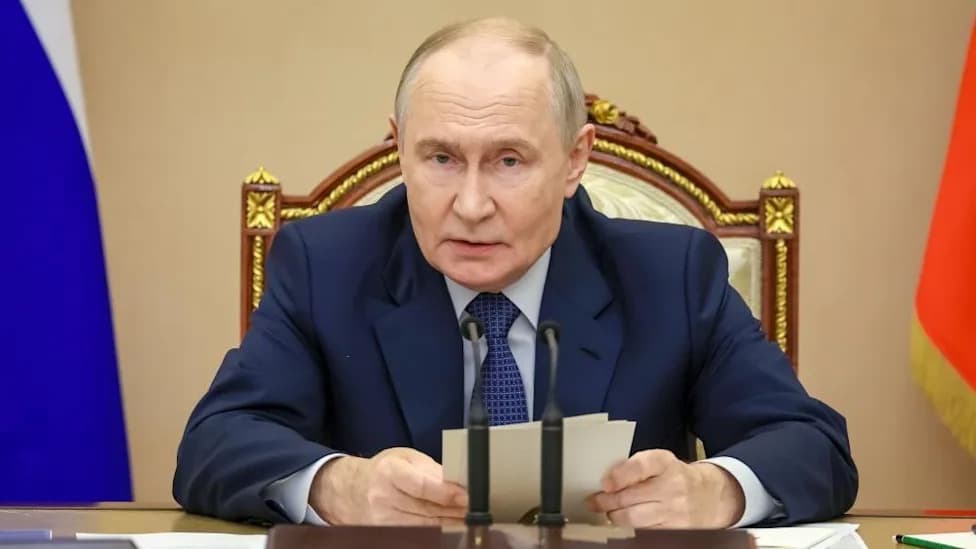
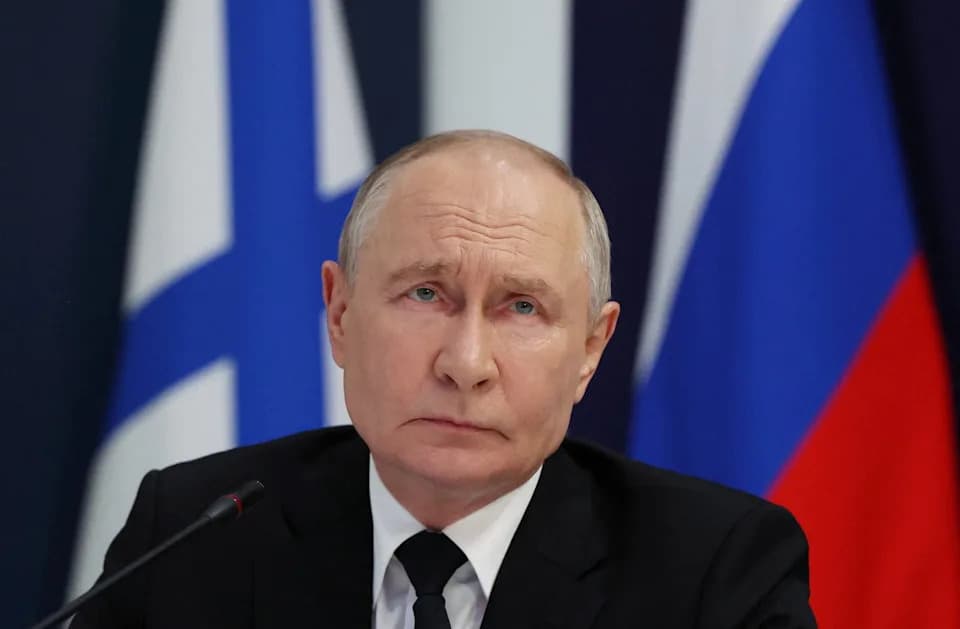
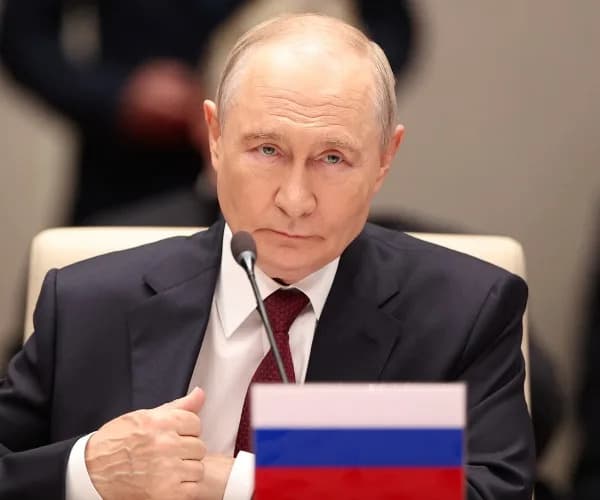
Russian President Vladimir Putin leads a cabinet meeting via videoconference at the Novo-Ogaryovo residence outside Moscow, Wednesday, Sept. 23, 2026. (Vyacheslav Prokofyev/Sputnik, Kremlin Pool Photo via AP)(Vyacheslav Prokofyev/Pool Sputnik Kremlin via AP)
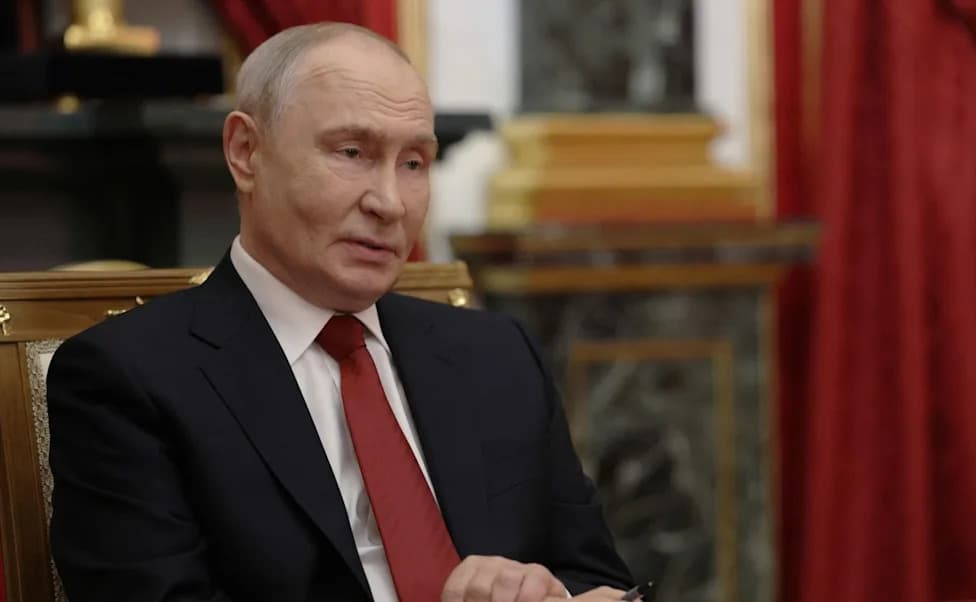
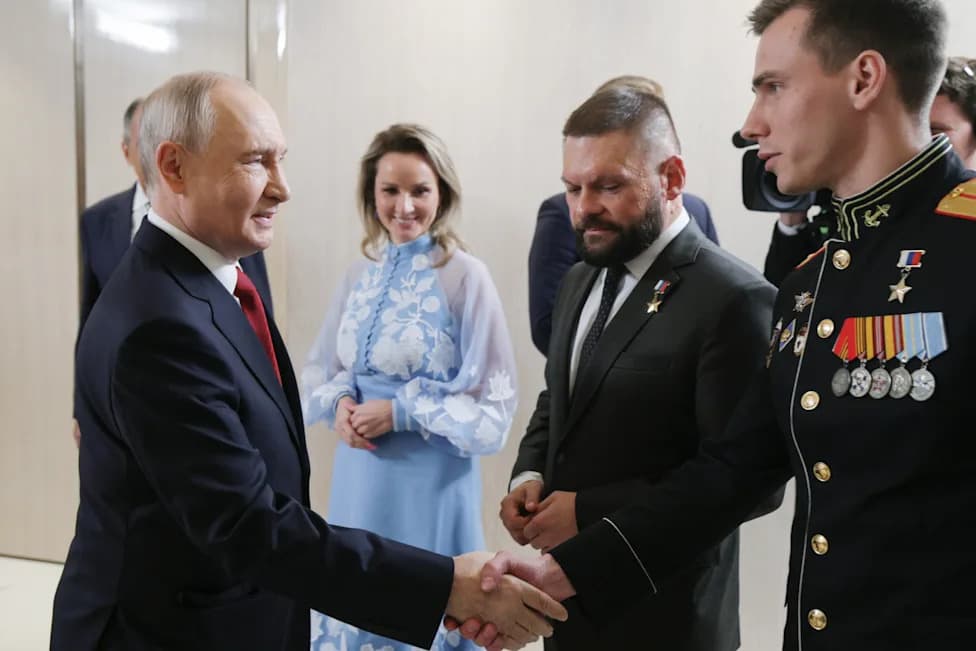
President Vladimir Putin on Wednesday described Russia's parliamentary election — the first held since the full-scale invasion of Ukraine began in 2022 — as clear evidence of public support for Kremlin policies after preliminary results further expanded the government's dominant position in the State Duma.
Election Outcome
With more than 97% of ballots tallied from three days of voting that concluded on Sunday, officials said the main Kremlin party, United Russia, will capture over three-quarters of the 450-seat lower house — a post-Soviet record. Preliminary results put United Russia between 347 and 355 seats overall, after it won just under 58% of the party-list vote for the 225 proportional seats and secured 208 single-member district races.
Turnout and Territory
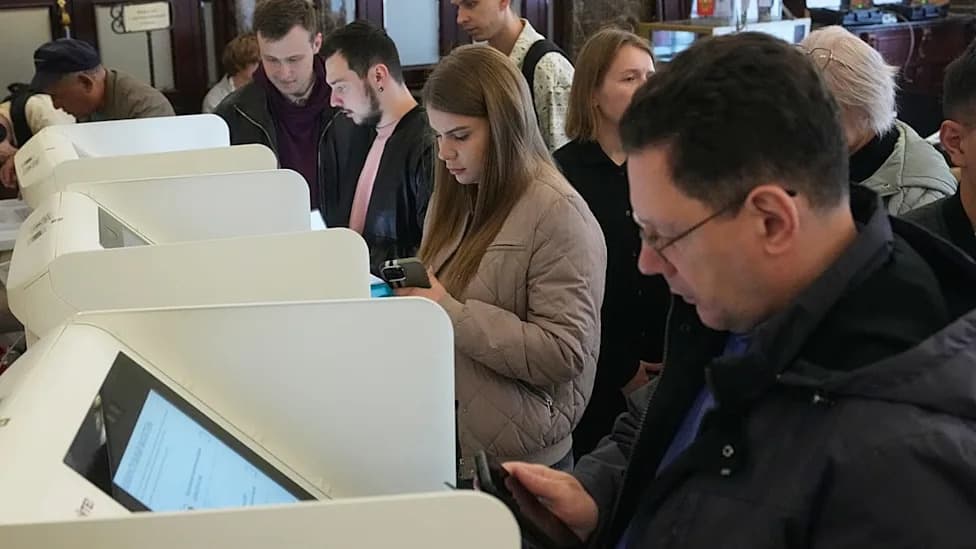
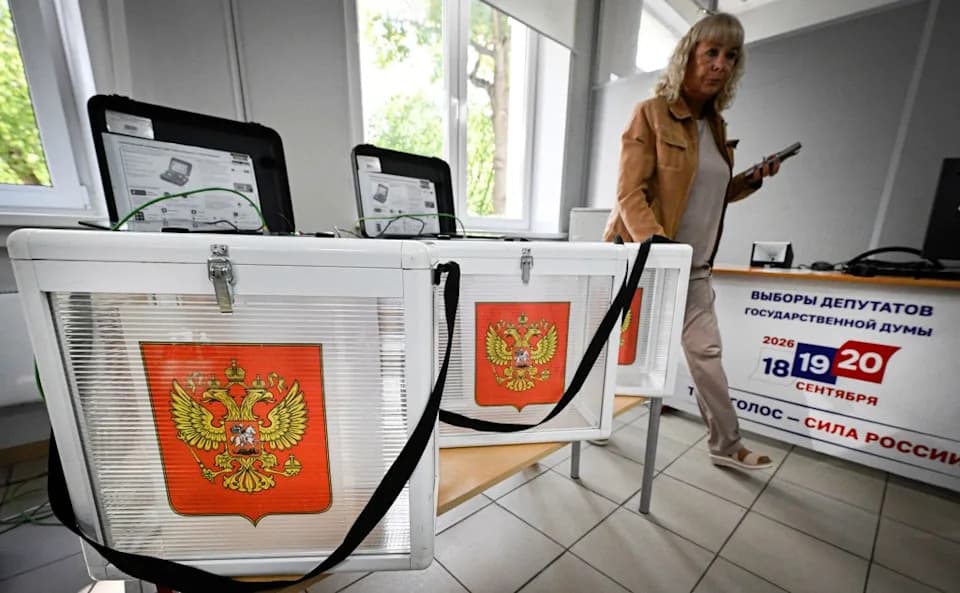
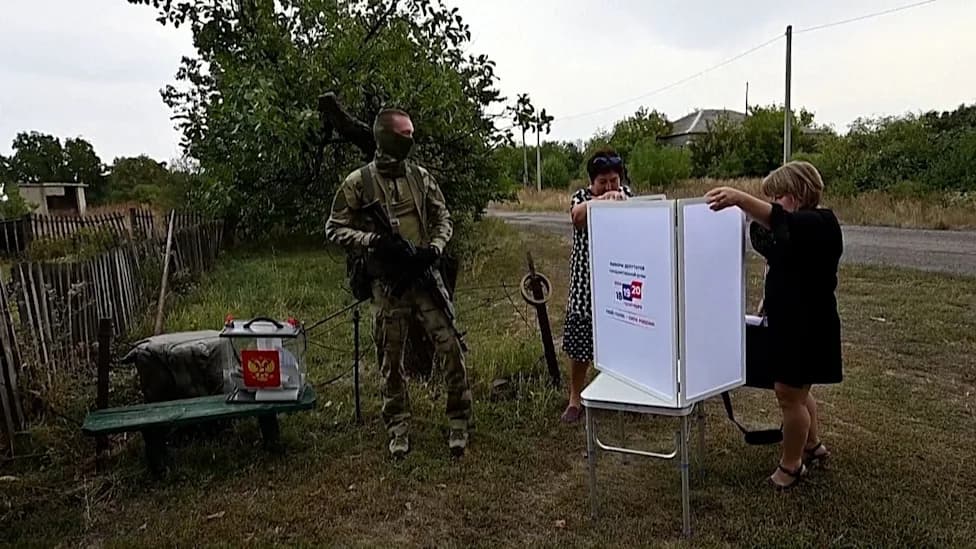
Authorities reported turnout topped 59% of roughly 111 million eligible voters — the highest for a parliamentary election in more than a decade. Voting was spread over three days and included regions of Ukraine that Russia seized and subsequently annexed; Kyiv denounced voting there as illegal. Online voting was also used in some regions.
Security Context
The vote took place amid repeated Ukrainian drone strikes. Russia's Defense Ministry reported it had intercepted 1,110 drones overnight on Sunday. Moscow Mayor Sergei Sobyanin said about 450 drones were downed while approaching the capital in what he called "the largest ever" attack on Moscow; officials said the strikes damaged an oil refinery and a residential building and killed three people and injured 38 across the wider Moscow region.
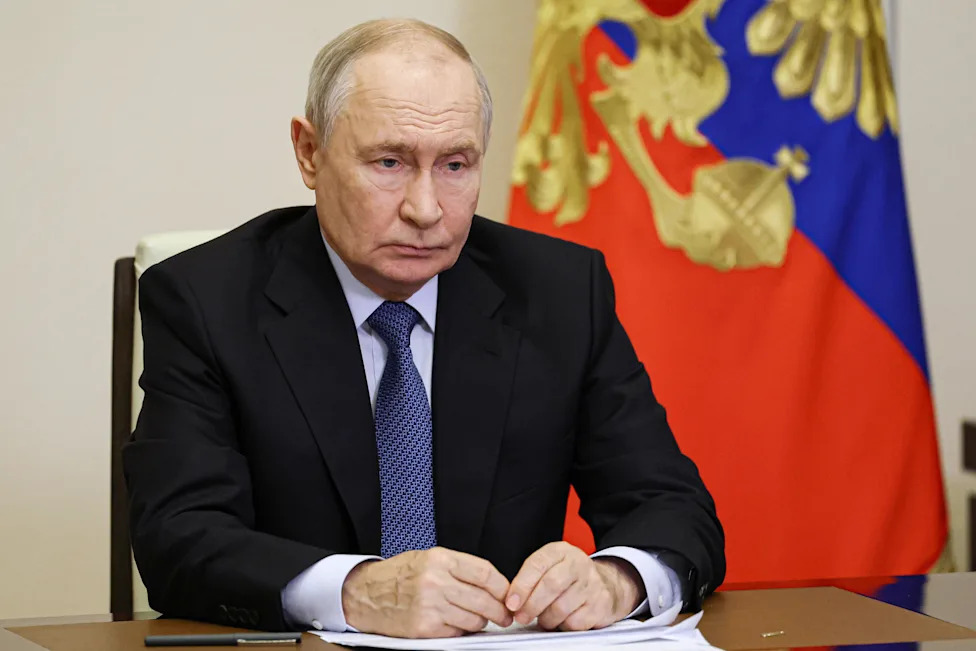
Russian President Vladimir Putin leads a cabinet meeting via videoconference at the Novo-Ogaryovo residence outside Moscow, Wednesday, Sept. 23, 2026. (Vyacheslav Prokofyev/Sputnik, Kremlin Pool Photo via AP)(Vyacheslav Prokofyev/Pool Sputnik Kremlin via AP)
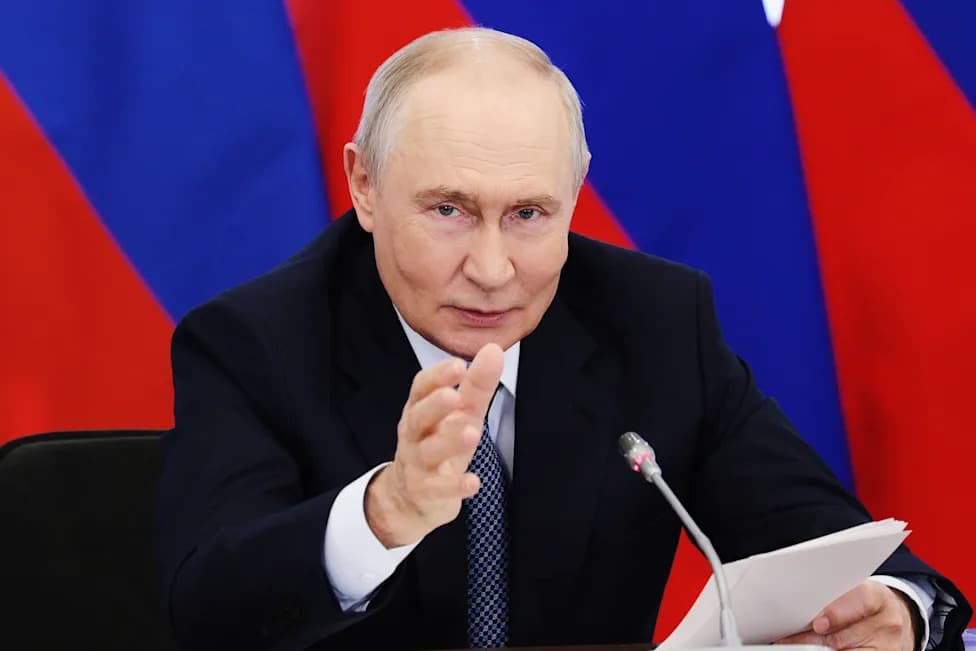
"Such a record number of people who come to cast ballots shows that the people of Russia support our efforts aimed at strengthening the country,"
Putin said in televised remarks at a meeting with senior officials — his first public comment on the outcome — adding that long lines at polling stations showed Russia "can't be intimidated." He also addressed troops in Ukraine, saying voters had cast ballots "for you" and expressing confidence that the goals of the Kremlin's "special military operation" will be achieved.
Political Context and Opposition
Analysts and critics say a massive state media campaign, legal restrictions and tight electoral controls limited genuine opposition and helped the Kremlin consolidate power despite economic strains and the security situation. Several smaller parties aligned with the Kremlin are set to occupy most remaining seats; only a handful of independents were reported to win seats.
The liberal Yabloko party — the only registered formation to publicly criticize the war — was removed from the ballot last month by Russia's Supreme Court and fielded only a few dozen single-seat candidates; preliminary tallies indicated no Yabloko victories.
What This Means
Observers say the vote expands United Russia's legislative dominance and strengthens the Kremlin's ability to pursue its policy priorities and wartime objectives without significant parliamentary resistance, while critics argue the process sidelined independent voices and included territories widely recognized as part of Ukraine.
Help us improve.