Professor Emmanuella Doussis calls climate change a "meta‑crisis" that now links economies, societies, energy systems and international security. She warns that melting Arctic routes and competition for critical minerals, water scarcity and the transition away from fossil fuels will reshape global power and create new dependencies. Doussis urges practical, cooperative diplomacy focused on research, clean technology and electricity interconnections, alongside stronger planning and infrastructure to manage food, water and migration risks.
Climate Change Is a 'Meta‑Crisis': How Food, Energy and Geopolitics Are Becoming Inseparable
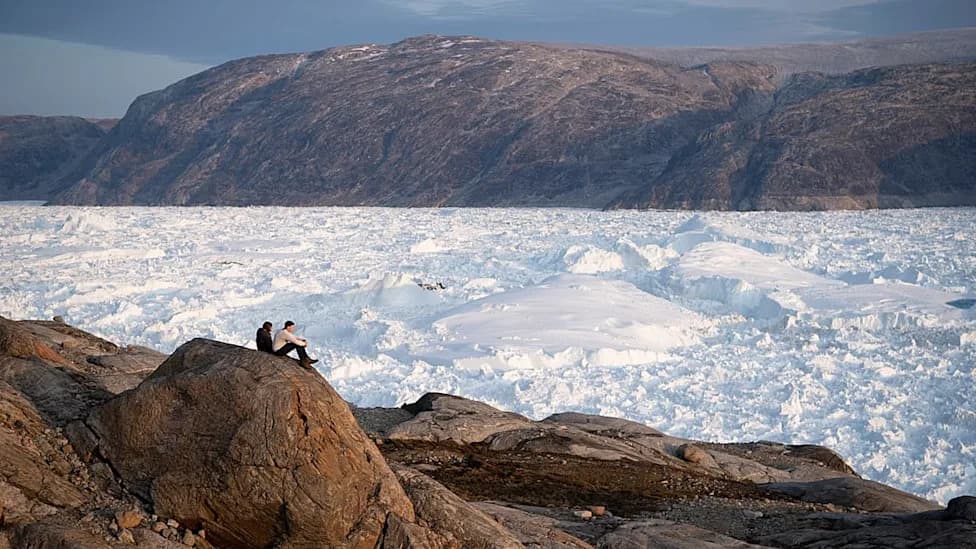
Climate change has created a meta-crisis in food security, energy and the economy, says Greek expert
Climate change has moved far beyond an environmental issue: it now reshapes economies, societies, energy systems and international security, intensifying competition for vital resources such as water, critical minerals and new shipping routes.
A Multi‑Dimensional Crisis
"Climate change is an economic problem, because it directly concerns states' national economies. It is a social problem, because it affects societies. It is a political problem and it is also a geopolitical problem," says Professor Emmanuella Doussis, Professor of International Institutions and holder of the UNESCO Chair on Climate Diplomacy.
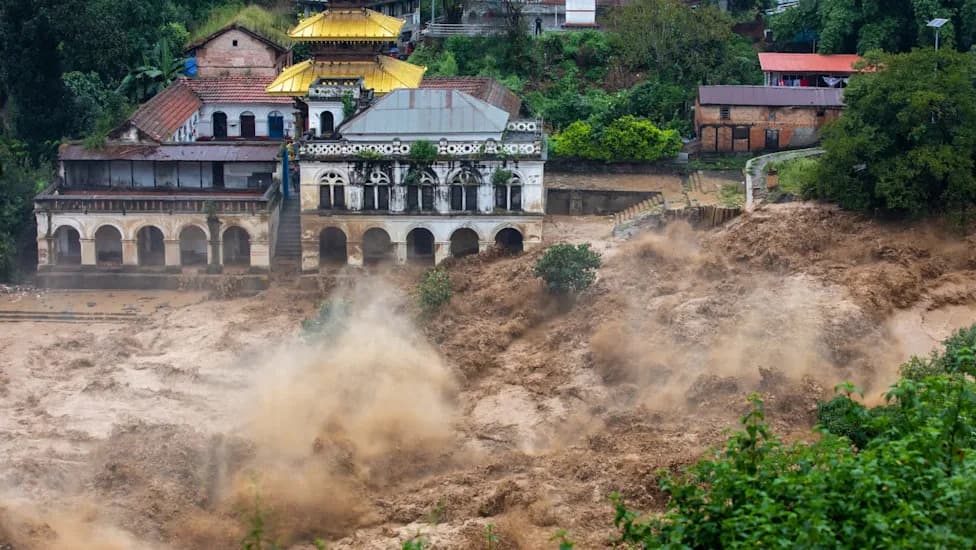
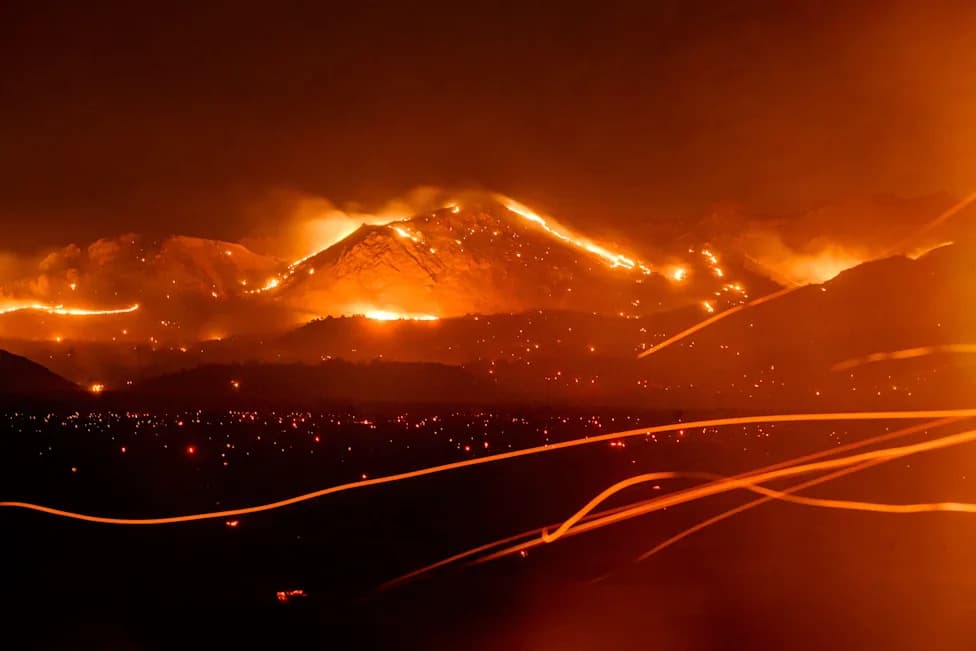
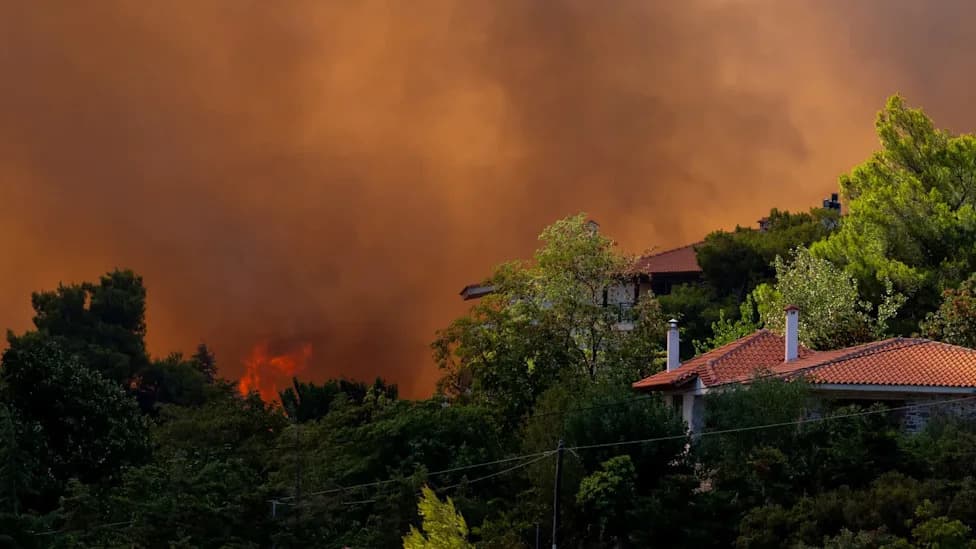
Extreme heat, changing precipitation patterns and melting ice are already linked to international rivalry over strategic regions and essential inputs for modern technologies. These shifts create cascading risks across energy, food, water and migration.
Geopolitics: Routes, Minerals and Water
Melting Arctic ice is opening new shipping routes and access to previously unreachable deposits, while accelerating global competition for minerals such as lithium, cobalt and rare earth elements—materials critical for batteries, electronics and low‑carbon technologies.
Access to freshwater is gaining geopolitical significance. Transboundary rivers and basins can become flashpoints as demand rises and flows change—an issue already visible in tensions around the Nile between Egypt and Ethiopia.
The Energy Transition and New Power Relations
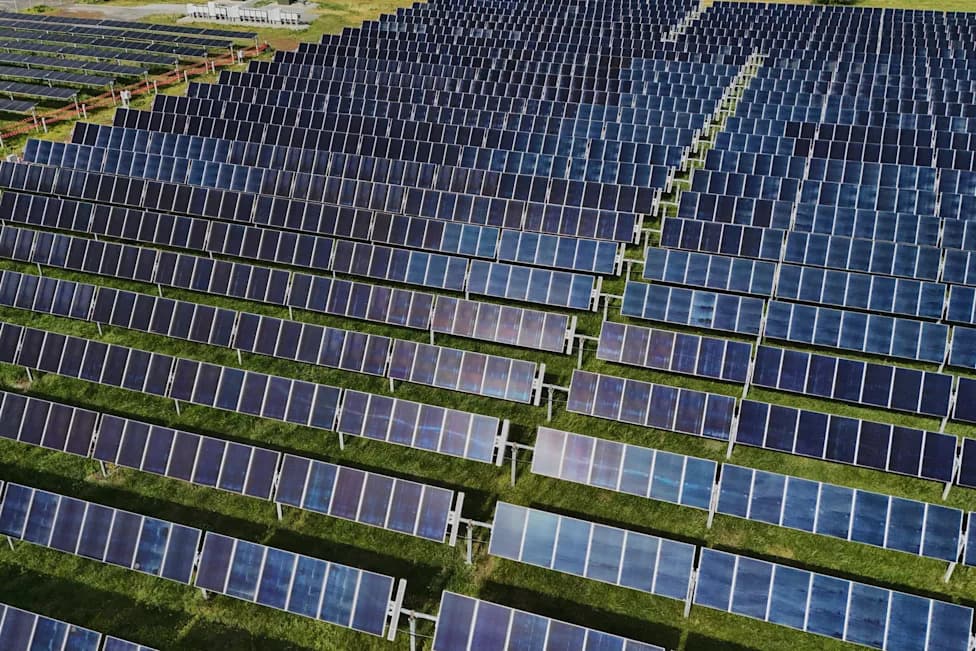
The shift away from fossil fuels will not affect all countries equally. States that depend on fossil‑fuel exports face major economic restructuring, while countries with abundant renewable potential or key raw materials stand to gain influence.
"Consequently, new dependencies and power relations will emerge," Doussis warns, noting that winners and losers will be determined by resource endowments, industrial strategy and policy choices.
Limits of Current Global Governance
International cooperation—institutionalised under the UN Framework Convention on Climate Change and reinforced by the Paris Agreement—remains essential. But the current system relies on nationally determined plans reviewed every five years and lacks effective sanctions for non‑implementation.
Doussis argues diplomacy should shift from repeated target setting toward practical cooperation on research, clean technology, and physical infrastructure like electricity interconnections that accelerate renewable deployment.
Implications for Greece and the Mediterranean
The Mediterranean is widely recognised as especially vulnerable to climate impacts. Greece has taken steps such as phasing out lignite and designing just transition plans, but Doussis cautions that some recent policy choices have re‑emphasised fossil fuels. She stresses that climate policy must be mainstreamed across economic and public policy rather than treated as isolated "green" measures.
Food Security, Water, Migration and Security Risks
Doussis highlights the most worrying consequences: threats to access basic goods. "We will face a very large, serious problem with food security. We will face problems with water," she says. Reduced crop yields, stressed freshwater supplies and more frequent extreme weather will increase displacement and complicate migration management and international security.
"Climate change is not always to blame," she adds, warning against using climate impacts as an excuse for chronic weaknesses in planning, infrastructure and governance.
What Diplomacy Should Focus On
Doussis calls for action‑oriented diplomacy that prioritises:
- Targeted cooperation on research and clean technology;
- Investment in regional electricity interconnections to speed up renewable integration;
- Policies that support economic diversification in fossil‑fuel‑dependent states;
- Strengthening resilience, planning and infrastructure to reduce vulnerability to extreme events.
As the climate crisis evolves into a web of interconnected risks—energy, water, food, raw materials and migration—climate diplomacy becomes central to international relations and security strategy.
Help us improve.