Ed Miliband told Climate Week NYC that the climate emergency is a national security issue that must be addressed by generals, foreign ministers and prime ministers. He pointed to energy shocks from the Russia-Ukraine war and regional tensions involving Iran, record heat, wildfires and glacial collapse as evidence of fast-moving risks. Turkey and COP31 leaders warned about AI's growing energy use and called for greater transparency, while IRENA reported a record 693 GW of renewables added in 2025 — progress, but still far short of the pace needed to meet 2030 targets.
Climate Crisis Must Be Treated As A Security Threat, UK Foreign Minister Says
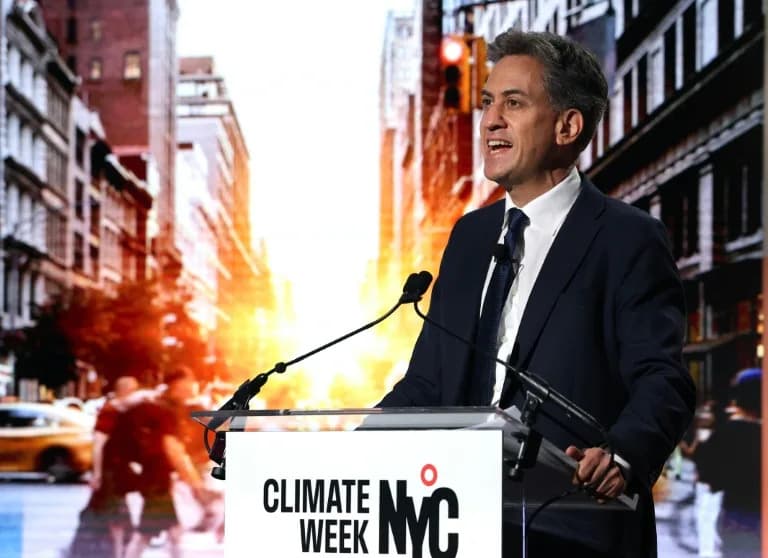
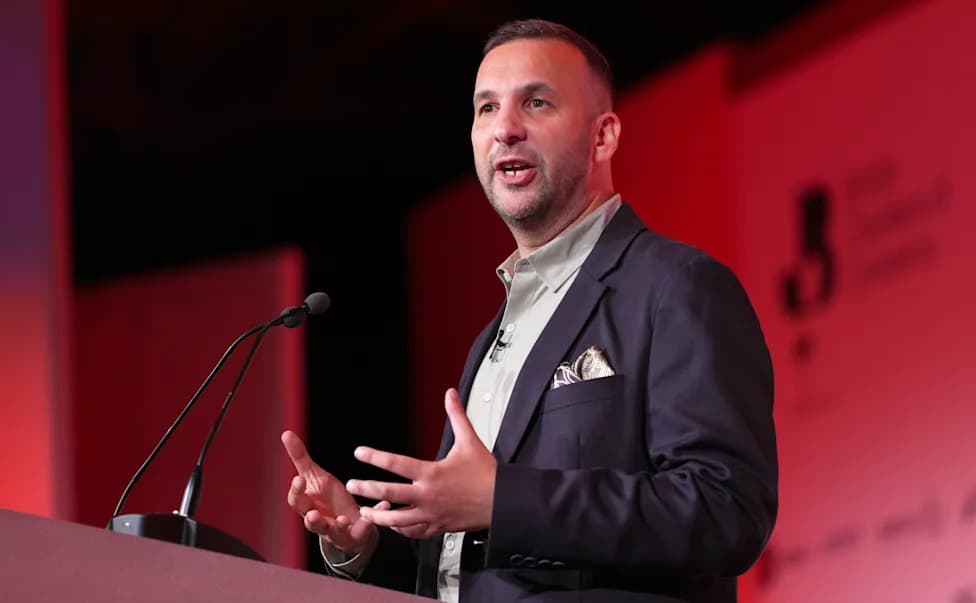
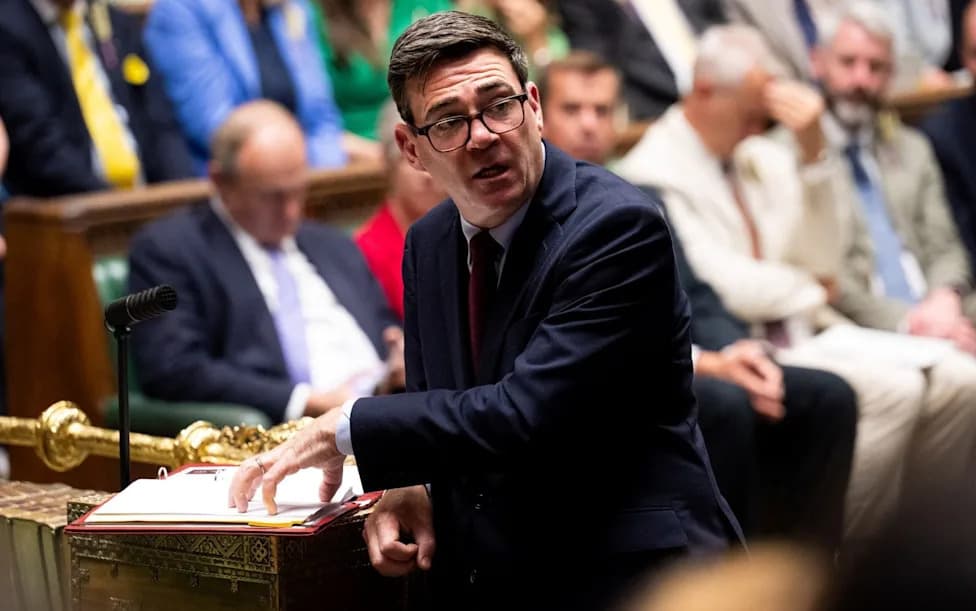
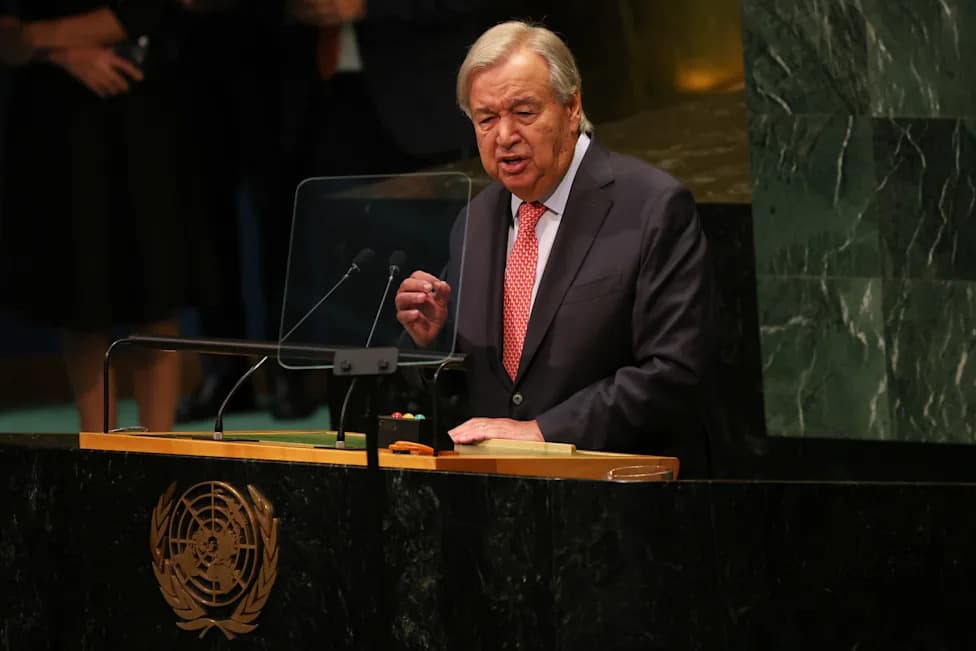
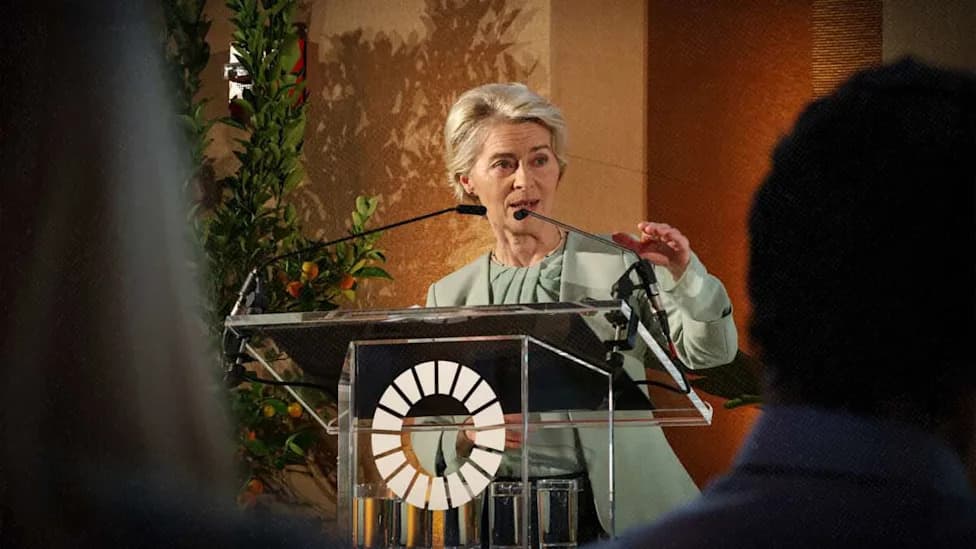
Speaking at the opening ceremony of Climate Week NYC, Ed Miliband argued that the "fossil fuel roller coaster" underlined "the energy independence imperative of clean energy" (TIMOTHY A. CLARY)
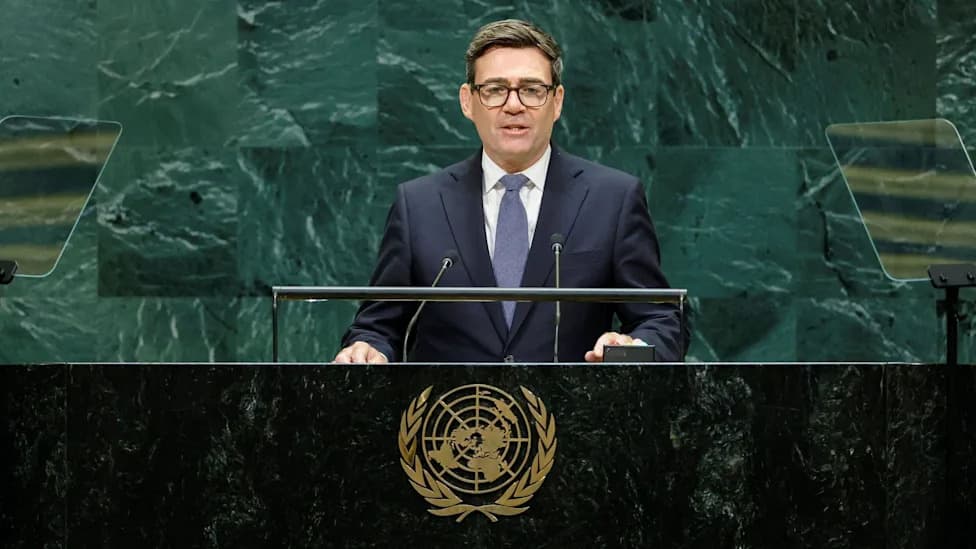
Britain's Foreign Minister Ed Miliband told delegates at Climate Week NYC that the climate emergency is a security challenge that belongs on the desks of generals, foreign ministers and prime ministers — not only with environmental campaigners. Speaking as world leaders gather for the UN General Assembly's high-level week, Miliband argued that energy shocks and extreme weather underline the need to make clean energy a core national-security priority.
Climate as a Security Priority
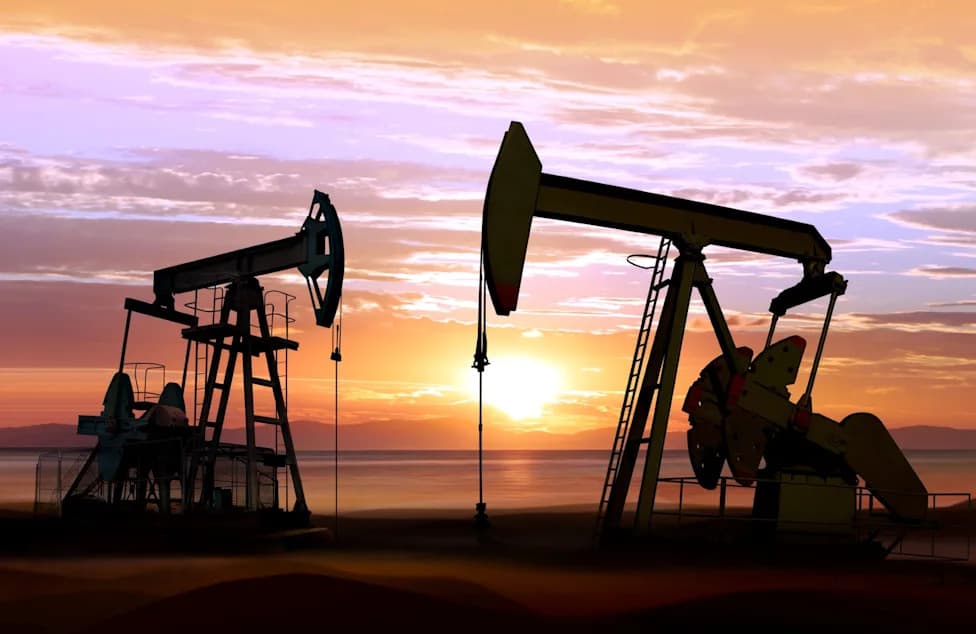
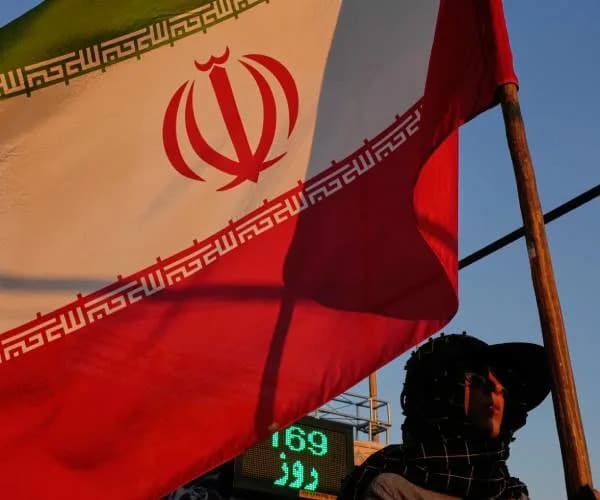
At the opening of Climate Week NYC, Miliband described what he called the "fossil fuel roller coaster" — supply disruptions caused by the Russia-Ukraine war and heightened tensions involving Iran — as evidence that energy independence requires rapid clean-energy deployment.
"Climate breakdown, in my view, must be an issue for foreign ministers and prime ministers, as well as energy and climate ministers — the security community, not just the activist community — the generals, not just the green campaigners."
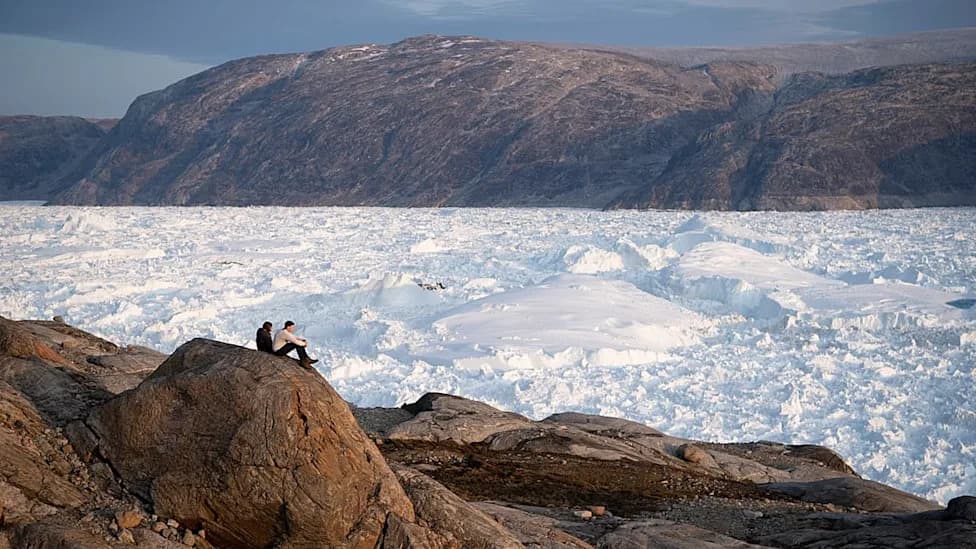
Miliband, who was appointed foreign minister in Prime Minister Andy Burnham’s new administration after serving as energy security and net zero minister, noted that climate moved from a peripheral concern in 2008 to an urgent national-security priority today. He cited record northern hemisphere heat and wildfires, Nepal’s devastating floods from glacial collapse, and a record-breaking El Niño as signs that climate shocks can rapidly cascade through supply chains, financial markets and migration routes.
AI’s Energy Footprint and COP31
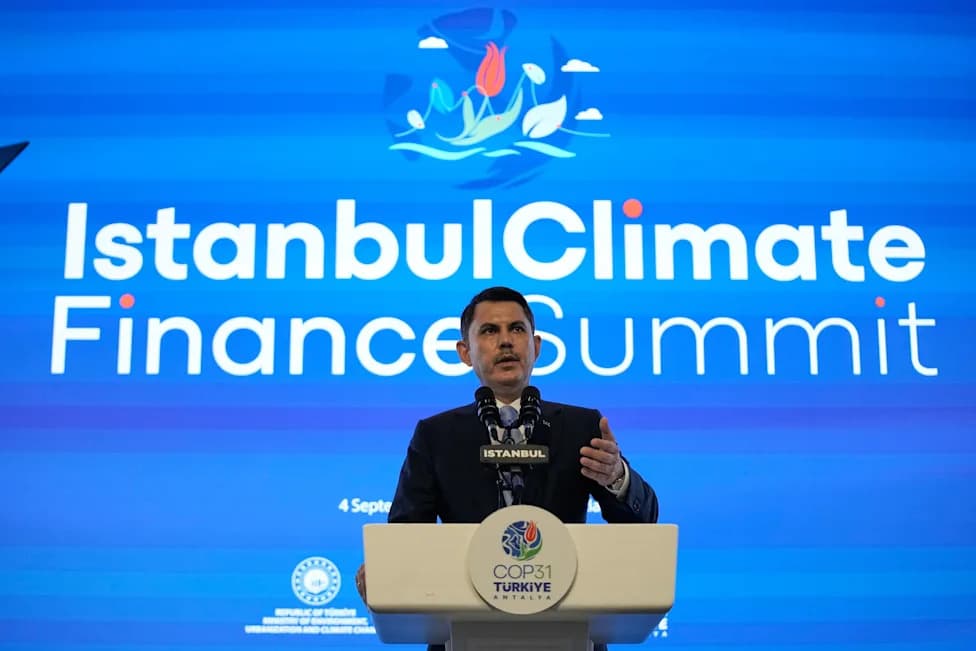
Climate discussions at the UN summit will also probe the rising energy demands of artificial intelligence. Turkey — host of COP31 this November — said it will press tech firms to adopt "climate-responsible AI" and to power data centres with clean energy. Murat Kurum, COP31 President and Turkey’s Climate Minister, called for greater transparency from companies about their energy use.
"We must openly discuss AI's growing energy consumption and it is time for governments to start setting the terms," Kurum said. "We expect companies to be transparent about their energy use and to power their operations with clean energy."
Renewables: Rapid Growth, But Big Gap Remains
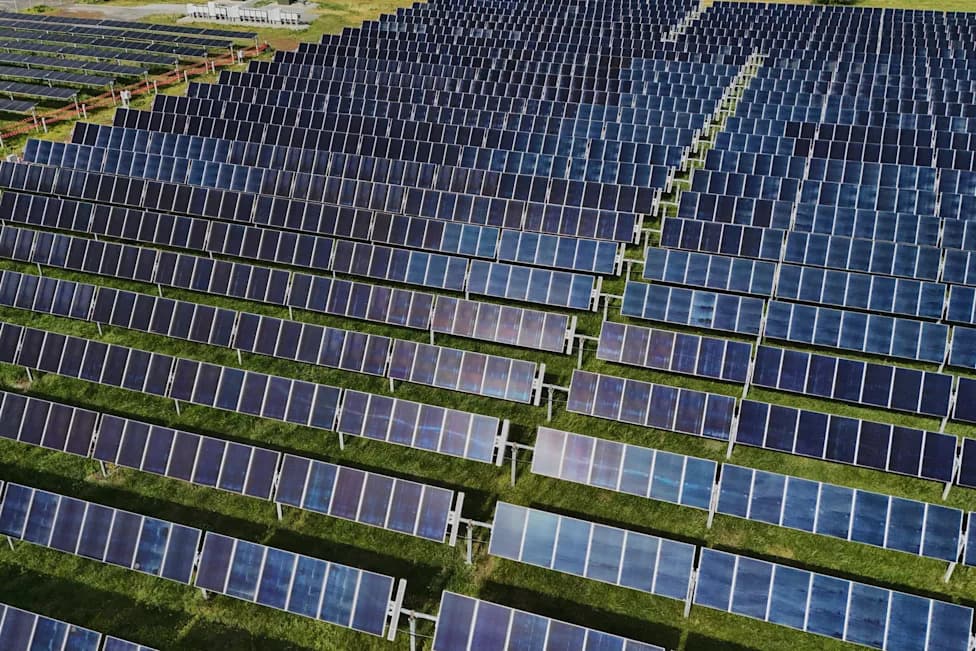
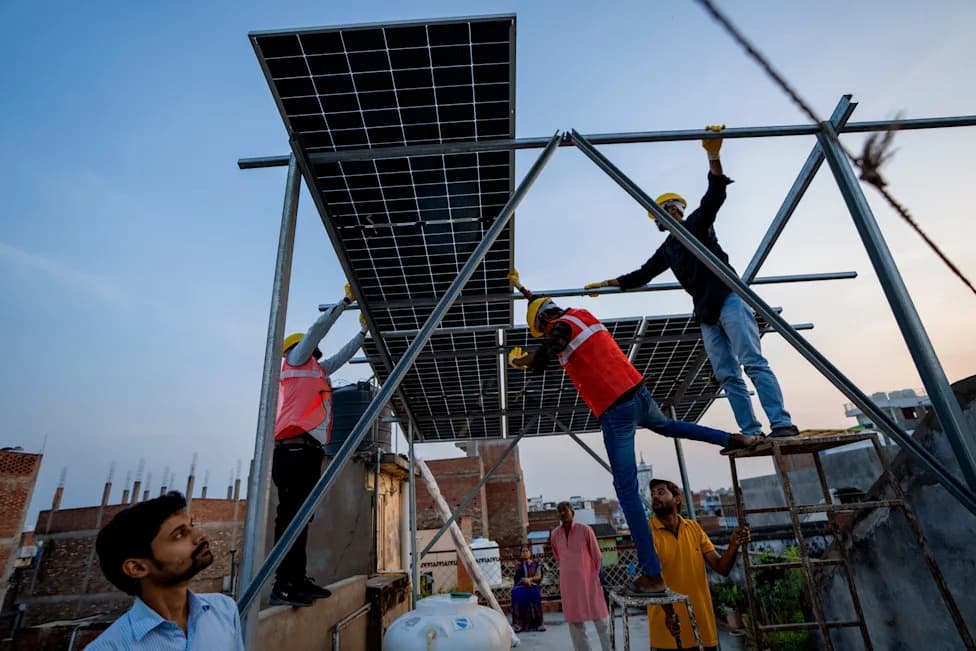
There are encouraging signs: the world added a record 693 gigawatts of renewable power in 2025, according to the International Renewable Energy Agency (IRENA) — an amount equivalent to more than half the installed capacity of the United States. UN climate chief Simon Stiell said this surge shows the "brute power of market forces" is accelerating the transition to clean energy.
However, Stiell and other analysts warn that meeting the COP28 goal to triple global renewable capacity by 2030 will require more than doubling current levels — a substantial acceleration from present growth rates.
What Leaders Should Do
Miliband urged governments to embed climate and nature into national security frameworks and threat assessments and to share information internationally so that shocks in one country do not ripple unchecked around the world. The message at Climate Week NYC: climate action must be elevated to the highest levels of policymaking and paired with rapid clean-energy deployment, accountability from tech and industry, and international cooperation.
Help us improve.