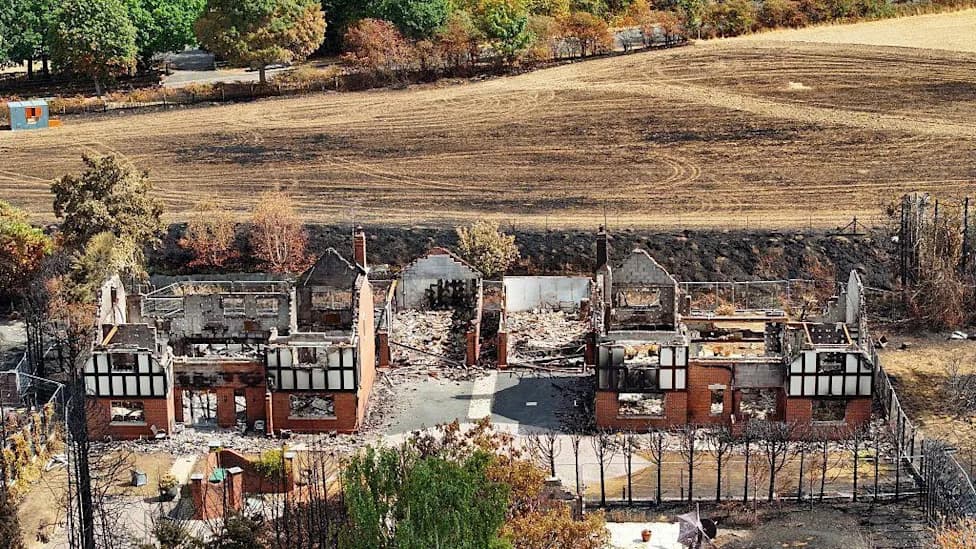
Researchers warn that the Fens — a low-lying region that supplies about one-third of Britain’s vegetables — faces linked climate threats that its historic water-control systems cannot sustain without major investment. At around 2°C of warming the region is expected to see more frequent flooding, extreme heat and ecological decline; under a 4°C scenario by 2100, annual flood damage could jump from £16 million to £250 million. The report urges early, large-scale adaptation planning because infrastructure and land-management changes take decades to implement.
England’s Fens Face Mounting, Interconnected Climate Risks — Major Investment Urged
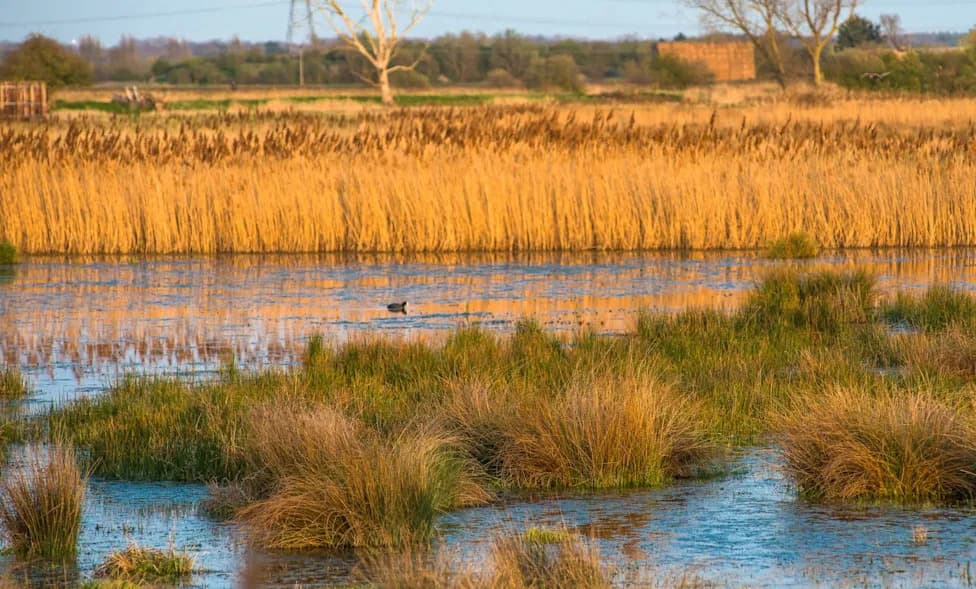
Photo Credit: iStock
The Fens — a low-lying agricultural landscape in eastern England that supplies roughly one-third of the country’s vegetables and supports tens of thousands of jobs — is confronting a set of overlapping climate threats that its historic water-management systems were never designed to handle.
Why the Fens Are Vulnerable
Approximately 33% of the region lies below mean sea level, and about 87% is lower than the highest spring tides. For centuries, pumps, embankments and drainage channels have kept the land productive and habitable. That engineered system is now under strain as multiple climate hazards intensify and interact.
Compounding Climate Pressures
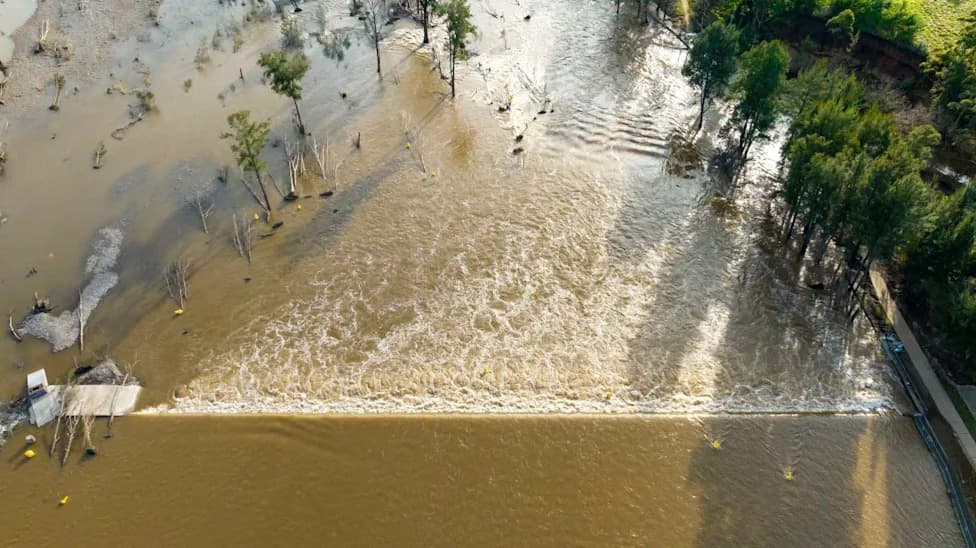
Researchers identify a linked suite of threats: rising seas, heavier rainfall events, hotter summers, longer droughts, increasing water scarcity and biodiversity loss. These risks do not act in isolation — they amplify one another in a landscape organized around precise water control. Rivers can breach banks, surface drainage can be overwhelmed, the sea can push further inland, and hotter, drier summers can stress both crops and water supplies.
Projected Impacts by Warming Level
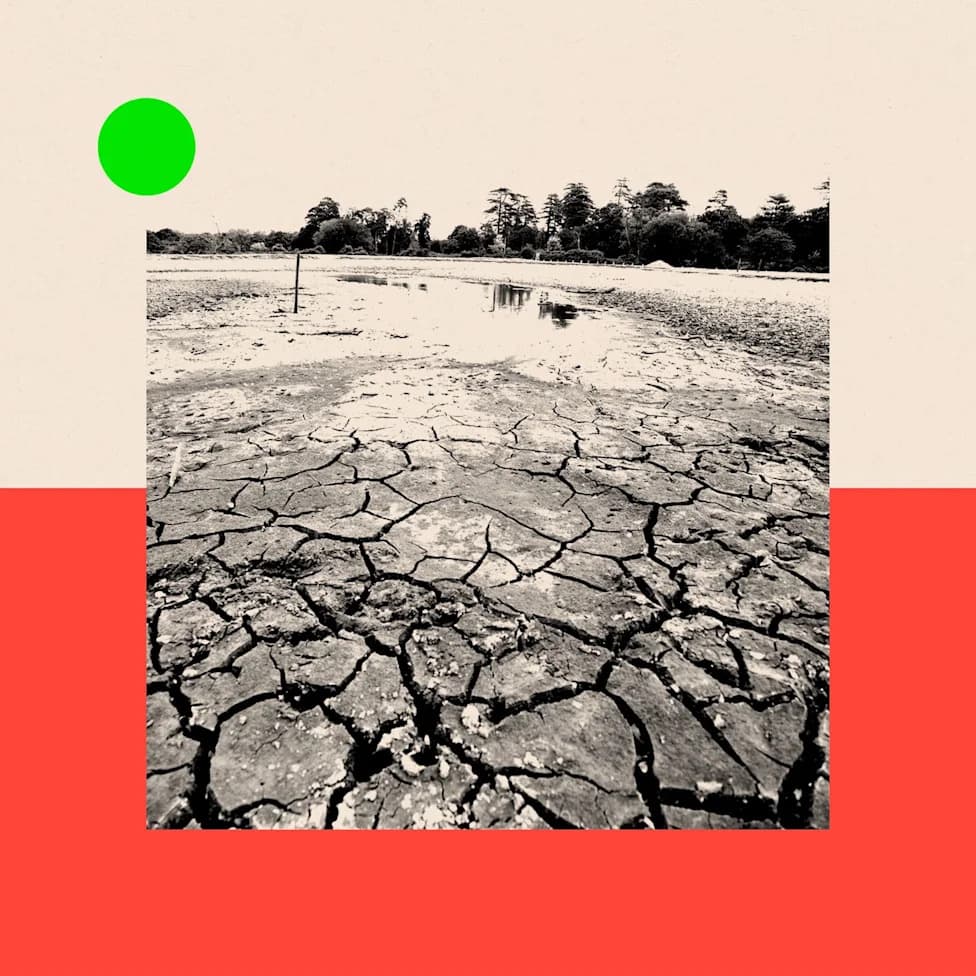
At about 2°C of global warming, the research team projects more frequent inundation, stronger heat extremes, lower summer river flows and accelerated ecological decline across the Fens. Under a 4°C warming scenario by 2100, annual flood damages to homes and businesses could rise from roughly £16 million (~$21 million) today to around £250 million (~$334 million). The researchers also warn that ecosystems could collapse and some areas may become effectively uninhabitable without major upgrades.
Sea-level rise is highlighted as a particularly persistent threat: even if global temperatures stabilise, ocean levels are expected to continue rising for centuries, locking in long-term pressure on coastal and low-lying systems.
What Needs To Happen
The team emphasizes that adaptation planning must start well before the most severe impacts arrive. Large infrastructure and landscape changes — redesigning drainage networks, building or strengthening flood defences, rethinking land use and water allocation — can take decades to finance and implement. Early decisions about where to invest, where to allow managed retreat, and where to pursue nature-based solutions will determine the Fens’ future resilience.
Possible responses range from substantial investment in engineered defences and updated pumping and drainage systems to more transformational approaches such as managed realignment, wetland restoration, and changes in agricultural practices to cope with new water regimes. Protecting biodiversity and ensuring sustainable water supply will be key to maintaining both food production and local livelihoods.
Broader Lesson
Broad national assessments can understate the severity of risk in places with unusual geography and tightly coupled systems. The Fens illustrate how warming can trigger clusters of interconnected problems rather than isolated impacts, making coordinated, forward-looking planning essential.
Bottom line: Without major, timely investment and strategic adaptation, one of England’s most important agricultural landscapes faces a far tougher, costlier and less certain future.
Related notes:
- Off England and Ireland, unprecedented marine heat events are becoming frequent and could threaten marine life.
- Across the U.K., gardens cover more land than many nature reserves and could contribute to rewilding efforts.
- Aspen forests are showing reduced resilience as warming undermines regeneration.
Help us improve.