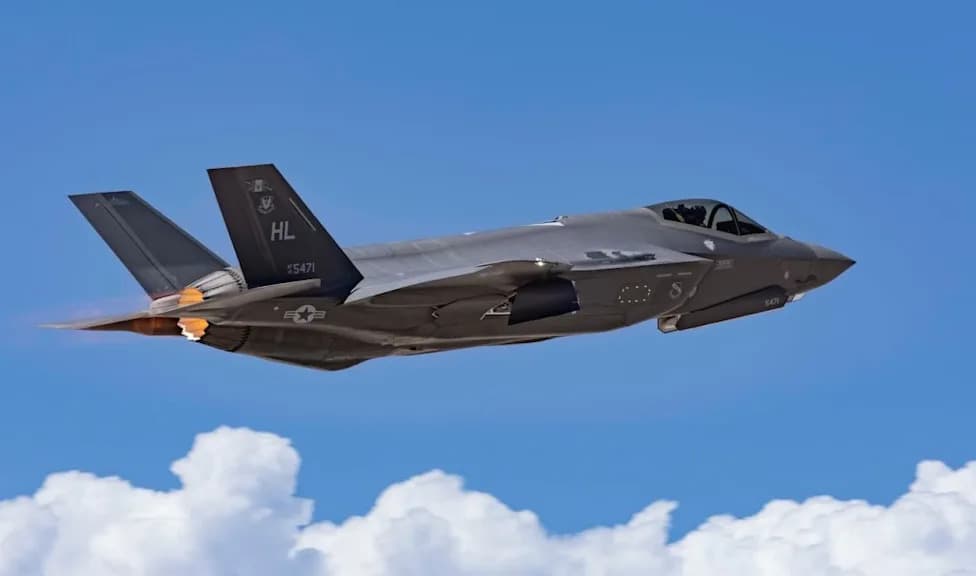
The F-35 family emphasizes stealth and short, decisive combat rather than long unrefueled flights. While internal fuel gives the A and C variants optimistic ranges near 1,200 nautical miles, practical combat radii are far smaller (roughly 450–600 nm across variants). Air-to-air refueling is essential for extended missions, and Block 4 drop/conformal tanks — as demonstrated by Israel’s F-35I — can add thousands of pounds of fuel and noticeably extend reach, though at the cost of complexity and temporary reductions in stealth.
How Far Can an F-35 Go Without Refueling? Range, Combat Radius, and the Tanker Problem
Douglas Cliff/Getty Images
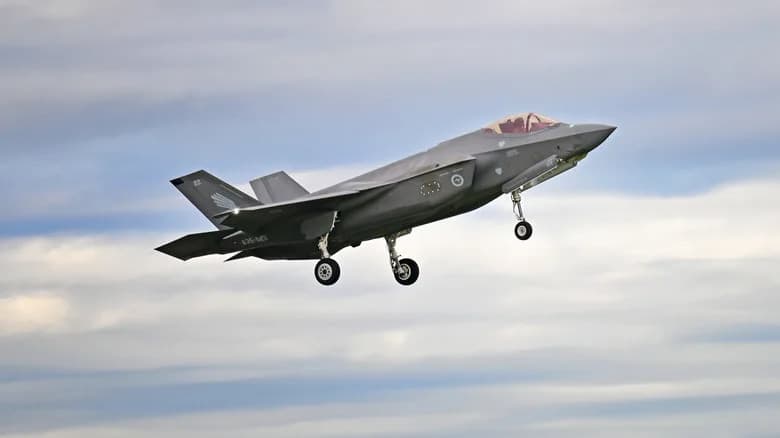
The F-35 is built for stealth, situational awareness, and short, decisive combat actions—not for transoceanic ferry flights. Each variant balances fuel capacity, mission fit and design trade-offs, so range and endurance vary by model and by how the jet is flown.
Variants and Their Range
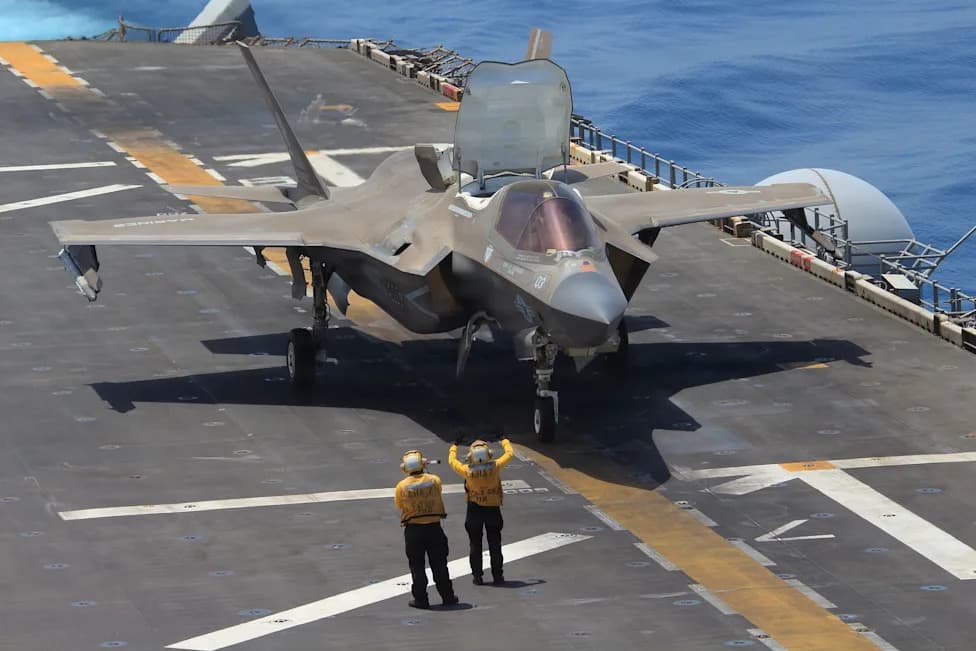
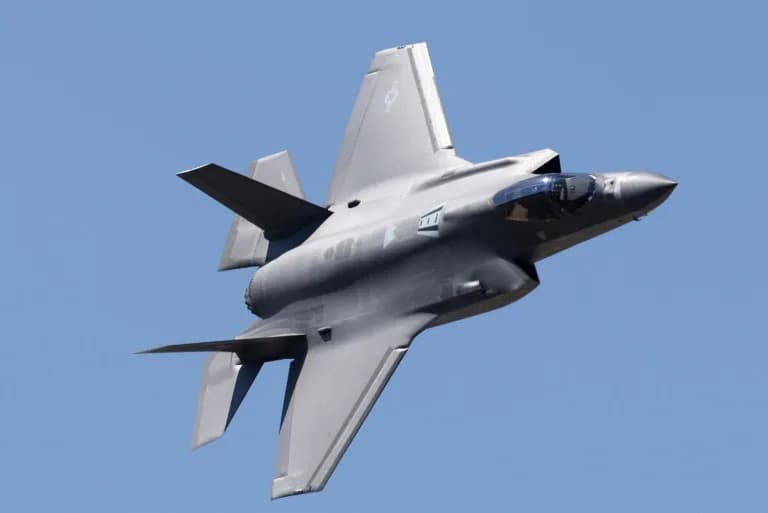
F-35A (Air Force): The A-model carries roughly 1,200 nautical miles of range on internal fuel under ideal flight profiles. Its combat radius — the distance it can fly outward, perform a mission and return with standard fuel reserves — is commonly quoted around 590 nautical miles. In non-combat transit it can stay airborne for just over an hour; combat profiles (high speed, maneuvering, weapons employment) reduce endurance substantially.
F-35B (STOVL): The short-takeoff/vertical-landing B sacrifices internal fuel for lift/vertical systems. Typical combat-radius figures are near 450 nautical miles, and endurance in a combat profile is shorter than the A-model.
Audio und werbung/Shutterstock
F-35C (Carrier): With larger wings and greater internal fuel volume, the carrier-capable C offers the best internal reach of the family. Total range on internal fuel is similar to the A in broad terms (around 1,200 nautical miles in optimistic estimates), while combat radius is often cited near 600 nautical miles. All numbers assume ideal conditions and do not capture mission load, weapons fit, supersonic flight or extensive maneuvering.
Why Air-to-Air Refueling Is Critical
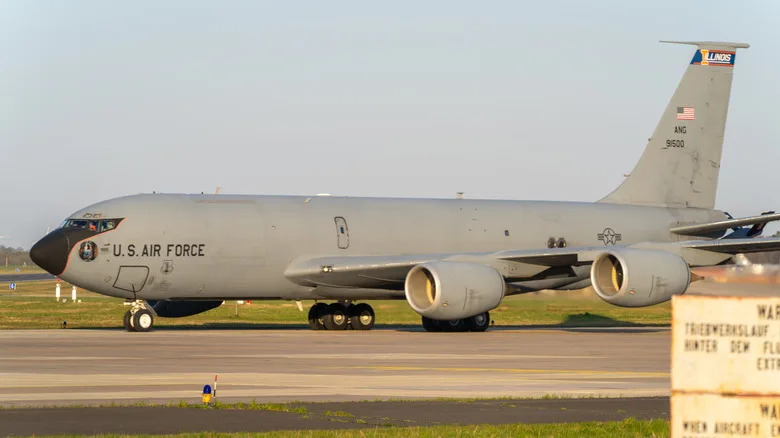
Without tanker support, F-35 operations beyond local areas become tightly constrained. Pilots must carry fuel not only for transit but also for loitering, dogfighting, and the option to divert to alternate airfields. In contested theaters where friendly landing sites are distant or risky, air-to-air refueling is essential for meaningful range and persistence.
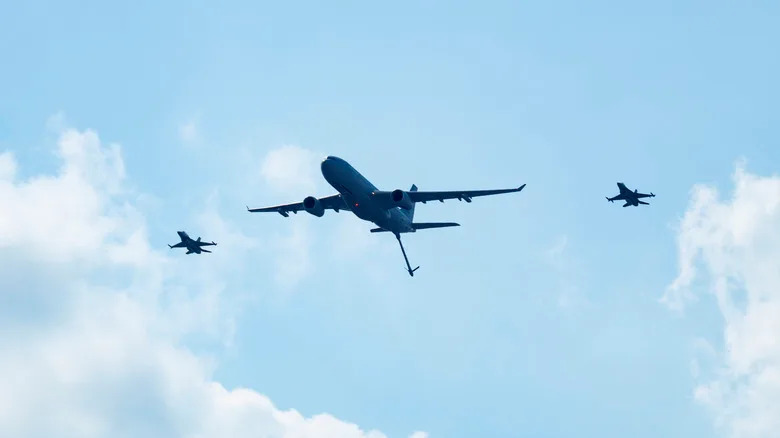
To illustrate: an F-35A can reach roughly 1,000 kilometers (about 540 nautical miles) on internal fuel once, but to perform a mission at that distance and return safely usually requires mid-air refueling. Real-world deployments often need layered support — for example, a two-ship patrol operating 1,500 km out may demand a relay of multiple combat aircraft rotating through the patrol area and tankers positioned to refuel them. Sustaining such operations over time multiplies the logistics and personnel required.
Thierry Monasse/Getty Images
Block 4 Tanks And The Israeli Precedent
To reduce reliance on tankers, the F-35 Block 4 modernization effort includes external fuel solutions. Drop tanks and conformal fuel tanks (CFTs) add several thousand pounds of fuel and can materially extend range. Program and reporting estimates have suggested external tanks on the F-35A could add on the order of 8,000 pounds of fuel and substantially increase combat radius — some cited figures translate to combat-radius improvements into the roughly 1,000–1,200 mile (statute) range, though exact gains depend on configuration and mission profile.
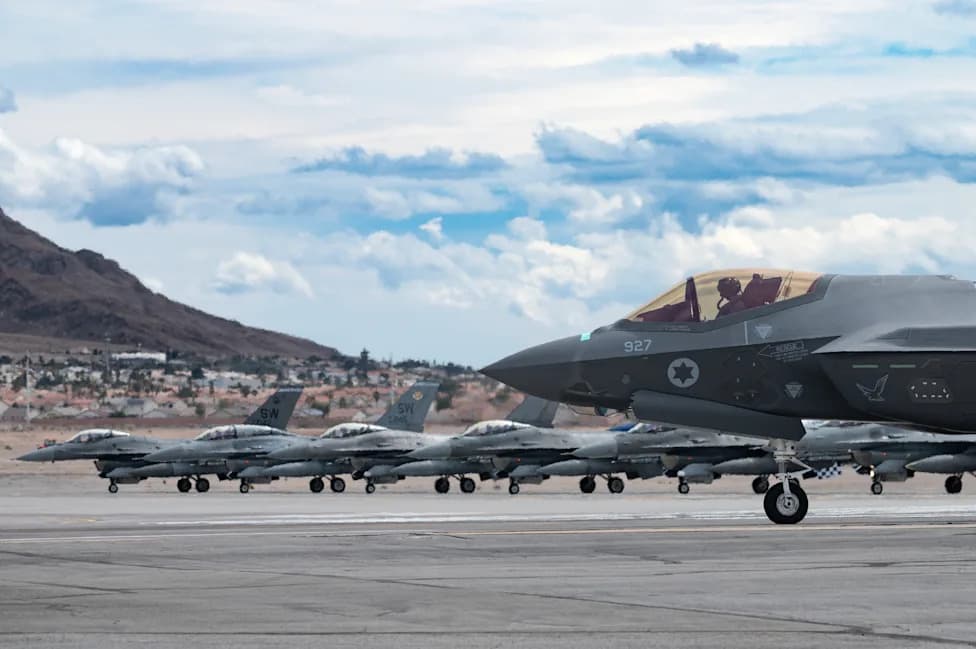
Israel’s modified F-35I "Adir" provides a practical example. For reported long-range strike missions, crews combined conformal and drop tanks to reach distant targets without tankers, then jettisoned the external tanks before penetrating dense enemy air defenses to regain as much stealth as possible. That approach minimizes the stealth penalty during ingress but adds complexity and potential failure points.
Trade-Offs And Operational Reality
External tanks and tanking networks expand reach, but each option has costs: tanks add weight, drag and mechanical complexity and can reduce low-observable performance until jettisoned; tankers and refueling points create logistical and tactical vulnerabilities. The F-35 shines at short, high-intensity missions; for sustained, long-range operations it depends on a support ecosystem or mission-specific modifications.
Bottom line: The F-35 family can fly about 1,200 nautical miles on internal fuel in optimistic profiles, but combat radii are much smaller (roughly 450–600 nm depending on the variant). Air-to-air refueling or external fuel tanks are typically required for meaningful long-range persistence, and each approach involves trade-offs in stealth, complexity and logistics.
Help us improve.