The Lockheed F-117 Nighthawk—developed in secrecy as the world’s first operational stealth jet—was officially retired in 2008 but remains active in test and training roles. Dozens of airframes are still flyable or restorable under an Air Force contract with Lockheed Martin extending through at least 2034. The F-117 flew 1,271 sorties during Operation Desert Storm with an estimated 80% mission‑success rate, later served in Kosovo and Iraq, and suffered a single combat loss over Serbia in 1999. Its stealth innovations shaped later fighters such as the F-22 and F-35.
The F-117’s Second Act: Retired in 2008 but Flying on Through at Least 2034
Historical / Getty Images
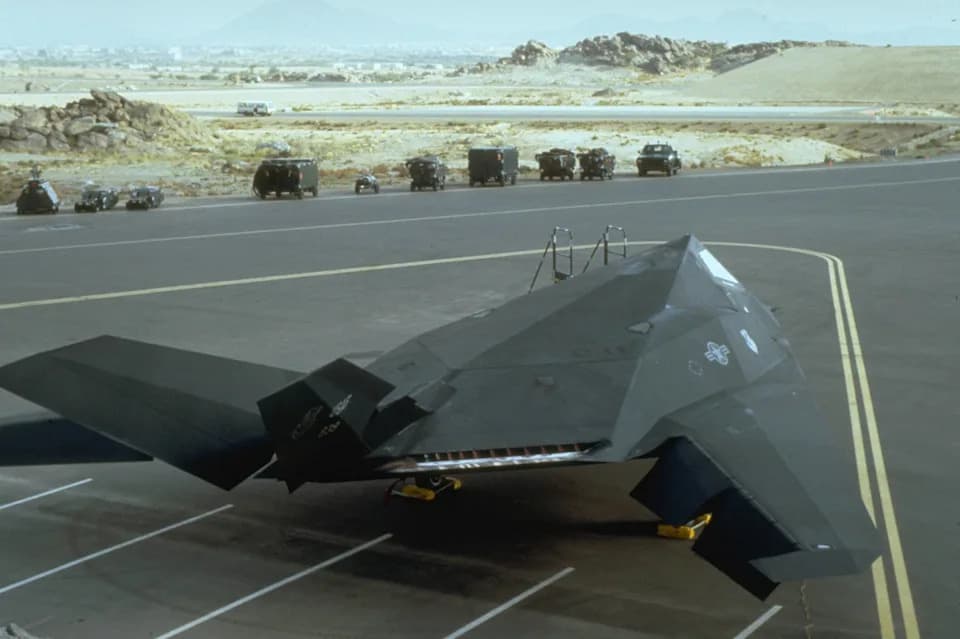
The Lockheed F-117 Nighthawk remains one of modern aviation’s most iconic and influential combat jets. Conceived in strict secrecy in the late 1970s as the world’s first operational stealth aircraft, its sharply faceted surfaces and radar‑absorbent materials were engineered not for aesthetics but to control and scatter radar returns, allowing deep strikes against heavily defended targets.
Every exterior panel on the Nighthawk served that singular purpose: reduce radar signature so the aircraft could approach and strike high-value targets with lower detection risk than conventional fighters. Internally the F-117 carried up to 5,000 pounds of ordnance—paired with precision targeting systems and laser‑guided munitions. Two General Electric F404 engines propelled the jet to roughly Mach 0.9 and gave it a mission radius of about 656 miles when armed to capacity.
Combat Record and Legacy
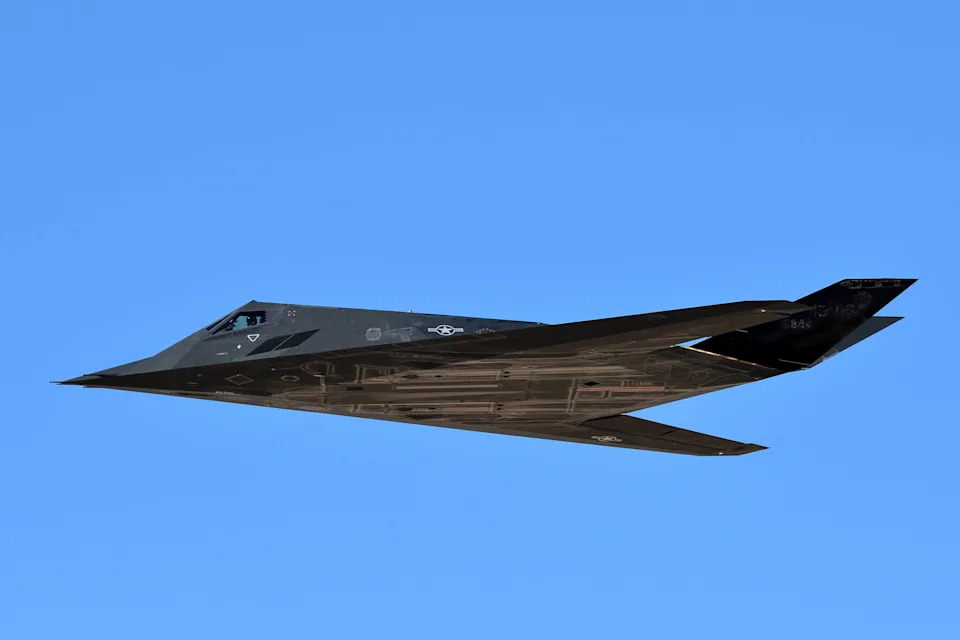
The Nighthawk’s most celebrated performance came during Operation Desert Storm (1991). F-117s flew 1,271 sorties and achieved an estimated ~80% mission‑success rate without suffering battle damage or loss during that campaign. Remarkably, while making up roughly 2% of coalition combat sorties, F-117s struck about 40% of the campaign’s strategic targets—demonstrating how stealth combined with precision munitions redefined strike options for modern air forces.
Jerod Harris / Getty Images
Iconic images from the war—such as a GBU‑27 penetrating an Iraqi communications facility via an elevator shaft—underline how low observability plus laser guidance changed outcomes. The Nighthawk also saw operations over Panama, Kosovo, and during operations in Iraq. Its only acknowledged combat loss occurred over Serbia in 1999 when an F-117 was shot down by Serbian air defenses.
Retirement—and an Extended Afterlife
The type was officially retired from U.S. Air Force frontline service in 2008. However, the story did not end there: dozens of airframes have been preserved, with many remaining flyable or potentially restorable. The Air Force has contracted Lockheed Martin to support F-117 test and training operations through at least 2034, and several jets continue to operate out of locations such as the Tonopah Test Range.
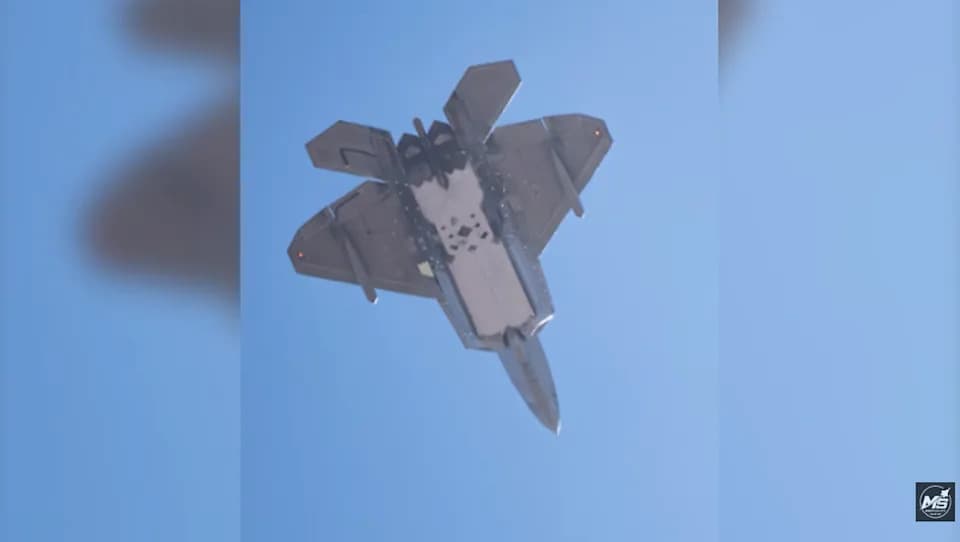
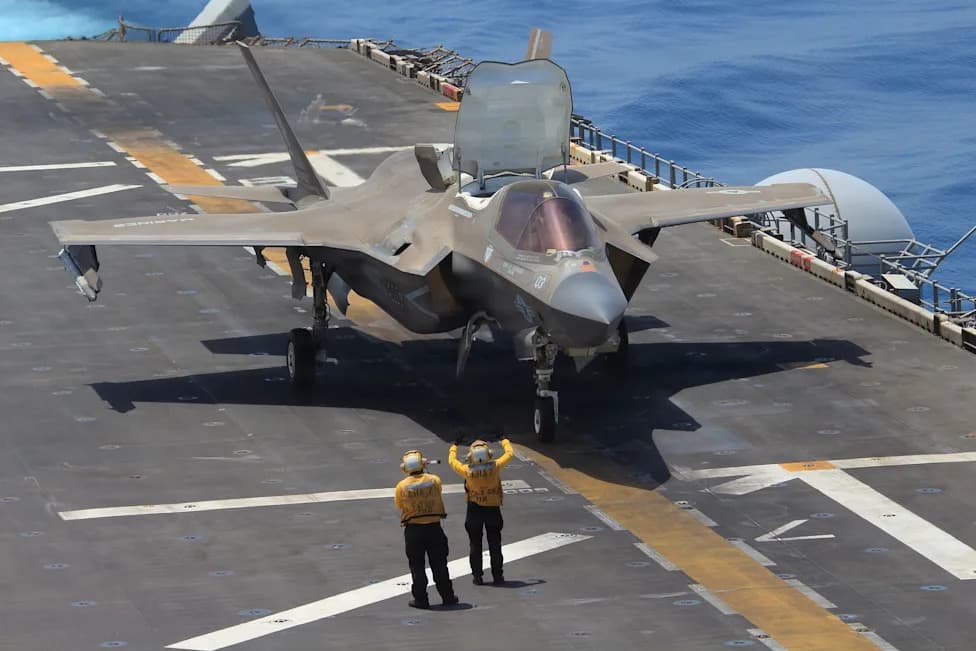
That extended post‑retirement life highlights the Nighthawk’s ongoing relevance. The aircraft’s stealth principles and operational lessons directly influenced the design and tactics of later U.S. fighters, notably the F-22 and F-35, and continue to inform low‑observable research and training.
Source: Story originally published by Men’s Journal on Sep 13, 2026.
Help us improve.