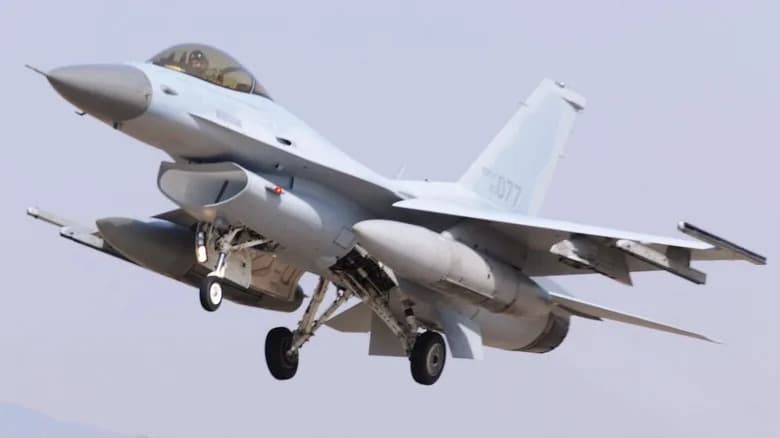
Lockheed Martin has proposed an F-16G variant based on the Block 70 that adds conformal fuel tanks, 600‑gallon external tanks, an IRST, and a Sniper targeting pod. The Block 70 airframe carries the AN/APG-83 AESA radar and is rated for 12,000 flight hours. The upgrade package is intended to extend range and sensor capabilities, ease pressure on aerial refueling, and free F-35s for high‑threat missions. Reports say the idea is in early budget analysis for the next Future Years Defense Program.
Lockheed Proposes F-16G Block 70 Evolution With 600‑Gallon Tanks and 12,000‑Hour Airframe to Shore Up USAF Fighter Shortfall
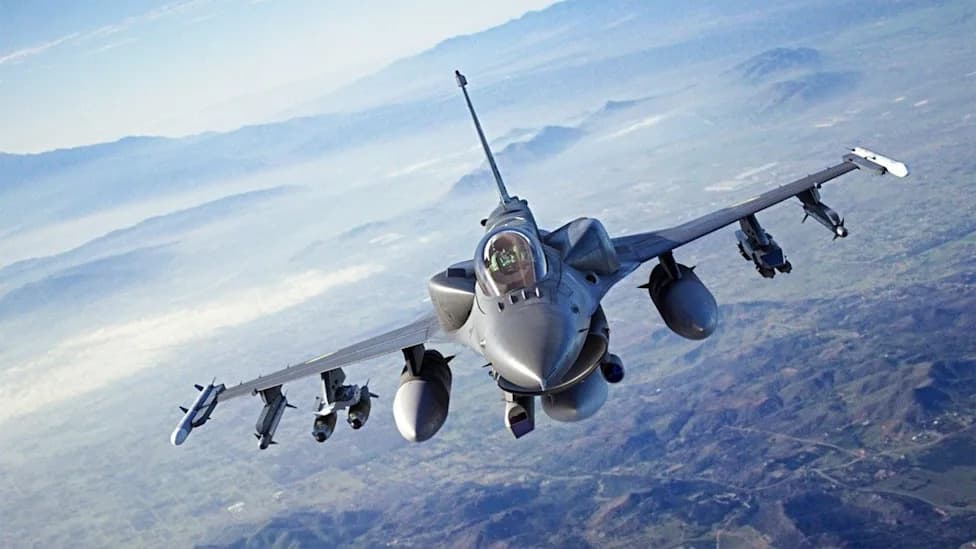
Lockheed pitches F-16G with 600-gallon tanks, 12,000-hour life to replace aging US squadron
Lockheed Martin has pitched a new F-16G variant based on the Block 70 to the U.S. Air Force, aiming to replace aging Fighting Falcons and help sustain fighter capacity as the service's inventory declines.
The proposed F-16G is intended for units already flying the Fighting Falcon, offering a near-term, lower-cost way to refresh fleet numbers while the Air Force continues its transition to newer platforms. Reports from Aviation Week and Air & Space Forces Magazine indicate the idea is in early analysis for the next Future Years Defense Program.
Key Features and Upgrades
- Conformal Fuel Tanks (CFTs) mounted along the fuselage to increase internal fuel without using underwing stores.
- 600‑gallon External Tanks to further extend range and time on station for persistent missions.
- Infrared Search and Track (IRST) for passive long-range detection of heat sources and complementary target tracking.
- Sniper Targeting Pod for electro-optical/infrared detection, identification, and laser designation.
- AN/APG-83 AESA Radar (Block 70 baseline) for improved multi-target tracking and modern radar performance.
- 12,000 Flight-Hour Airframe rating for extended structural life and sustainment planning.
Operational Rationale
The combination of added fuel and sensors would make the F-16G well suited to missions that do not always require stealth: air defense, interception, combat air patrol, advanced training, and stand-off strike. Increased endurance can reduce reliance on aerial refueling for some taskings, while the IRST and Sniper pod give a complementary passive and EO/IR sensor suite to the AESA radar.
By delegating lower-threat or less sensor-fusion-intensive missions to upgraded F-16s, the proposal could free more F-35As to concentrate on high-threat environments that demand low observability and advanced sensor fusion.
Industrial and Global Implications
Lockheed’s Greenville facility already produces Block 70 and Block 72 F-16s for international customers. A U.S. procurement would add domestic demand to an existing production line, supporting suppliers of radars, avionics, airframe structures, and mission systems. Renewed U.S. new-build purchases could also strengthen logistical continuity, interoperability, and upgrade pathways across the global F-16 fleet in Europe, the Middle East, and Asia.
Context: Secretary of the Air Force Troy Meink reported to Congress on May 5 that the service’s Primary Mission Aircraft inventory stood at 1,098 fighters—below the statutory minimum of 1,145. The Congressional Research Service puts the fleet average age at 27.4 years, and the Air Force’s long-term goal is 1,558 crewed, combat-coded fighters by 2035.
While attractive as a capacity gap-filler, the F-16G proposal remains in early stages of consideration and would need formal budgeting and acquisition decisions before moving forward.
Help us improve.