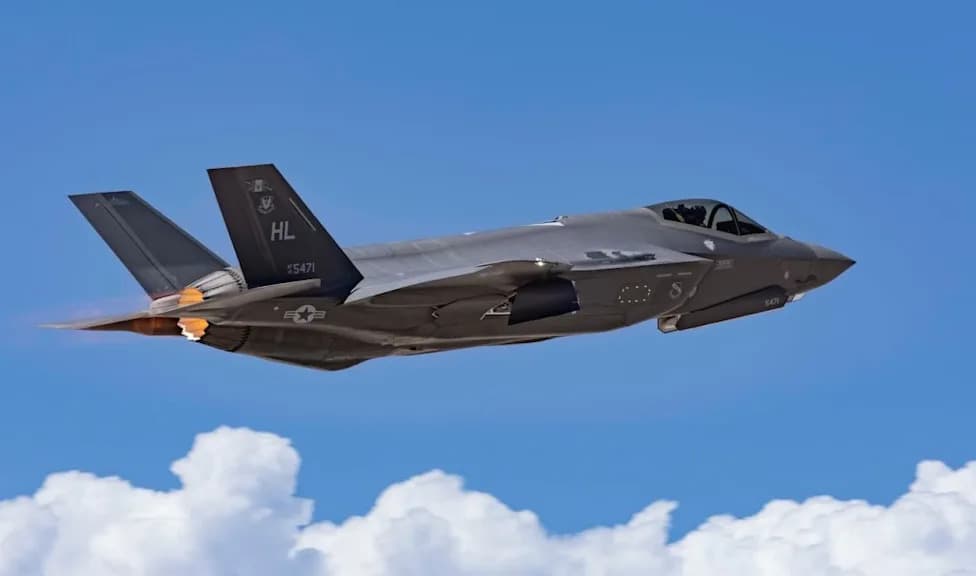
Senior Air Force leaders told the 2026 Air, Space & Cyber Conference that F-35s sustained high-tempo combat operations during Middle East deployments such as Operation Epic Fury and Operation Midnight Hammer. They highlighted the jet's high mission-capable rates, reduced maintenance footprint and faster turnarounds—sometimes around 45 minutes—plus rapid weapon integration under wartime conditions. Officials said the experience shows the platform's survivability and versatility but noted readiness challenges remain, citing a June GAO report that placed fleet readiness near 25%.
F-35s Proved Combat-Ready During Middle East Deployments, Officials Say
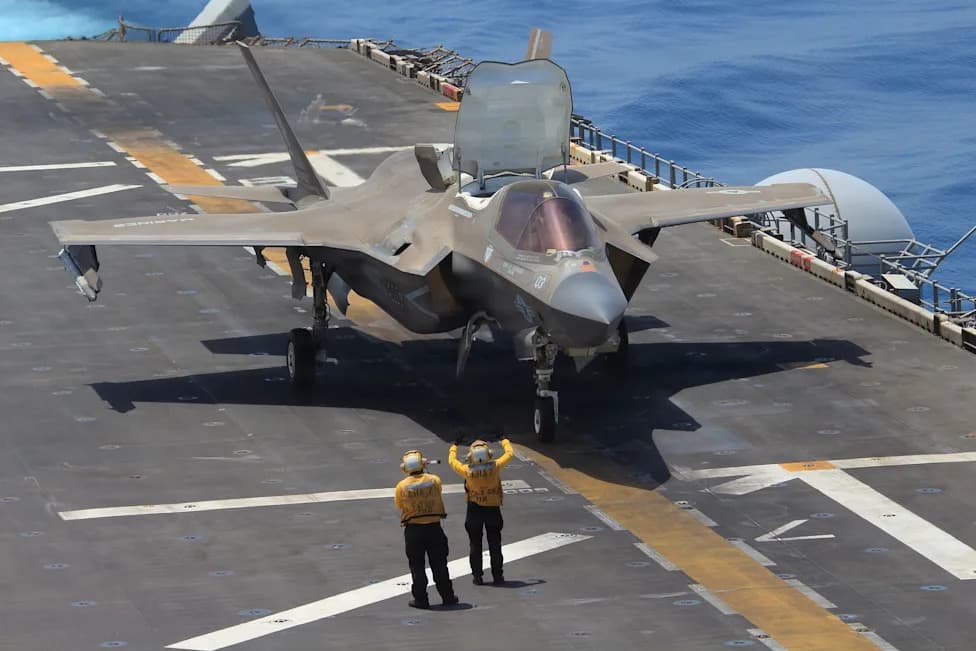
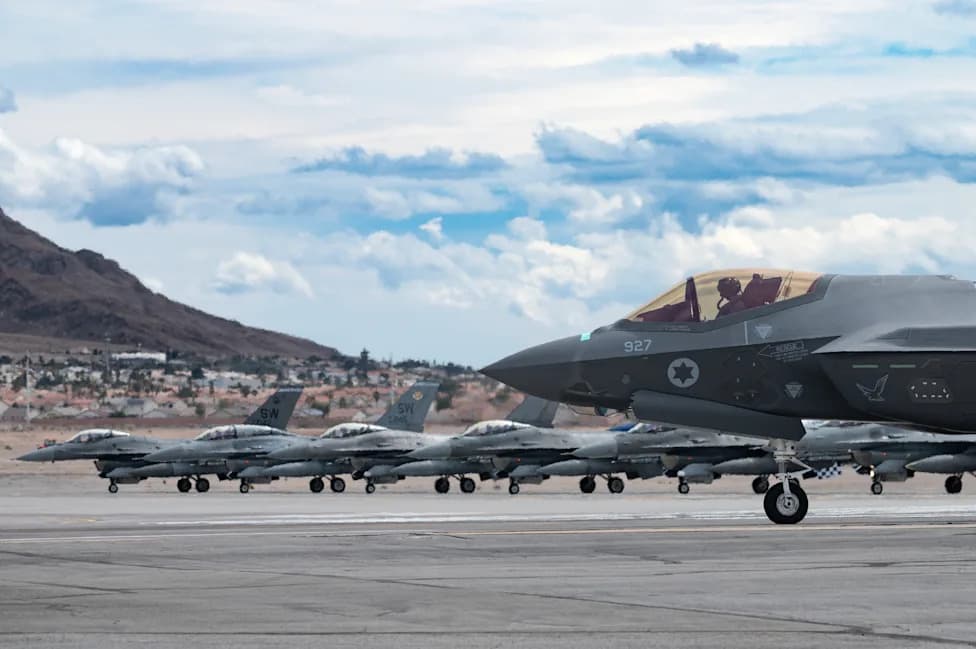
An F-35B Lighting II prepares to take off from the flight deck of America-class amphibious assault ship USS Tripoli in the Middle East on April 17, 2026. (U.S. Navy)
At the Air & Space Forces Association's 2026 Air, Space & Cyber Conference, Maj. Gen. Brian Laidlaw and Col. Charles A. Fallon described how the F-35 Lightning II fleet sustained high-tempo combat operations during recent Middle East campaigns, including Operation Epic Fury and Operation Midnight Hammer.
Operational Performance
Laidlaw said the F-35s preserved high mission-capable rates across extended, intense operations even when operating in contested environments that stress logistics and spare-parts supply chains. He stressed that careful resourcing matters: "When properly resourced, we showed without a doubt how well this airplane can perform in combat."
Maintenance Footprint and Turnarounds
Fallon highlighted the jet's reduced maintenance footprint compared with many fourth-generation aircraft. Instead of constant, hands-on repairs, many F-35 sorties required only fuel and weapon loading for rapid turnarounds. In some cases, crews achieved sortie cycles on the order of 45 minutes, shortening downtime from hours to minutes.
"You go out there on an F-35 flight line in between goes -- people are smoking a Lucky. There's nothing going on," Fallon said. "When we can start cutting down from hours to minutes, that really matters and that equals people's lives."
Versatility and Rapid Weapon Integration
Officials said the jet proved both survivable and versatile, conducting multiple mission types during the deployments. That operational demand accelerated the need to field new munitions and to certify them quickly; processes that typically take months or years in peacetime moved at "lightning speed" in theater. Laidlaw hopes the experience becomes a template for faster collaboration among services, allies, industry and weapons manufacturers.
Demand and Readiness Context
Fallon warned demand for the aircraft will remain high: "More than half the wing has been gone at any time for the past two and a half years, and that's not going to change anytime soon." Their praise comes amid broader readiness concerns: a June Government Accountability Office report found readiness across the full F-35 fleet had declined to about 25%.
The GAO cited factors the Air Force also identified, including software delays, limited parts availability and corrosion-related issues. Officials framed the recent deployments as evidence that, when adequately resourced and supported, the F-35 fleet can sustain combat operations, but they acknowledge logistics and modernization challenges remain.
Help us improve.