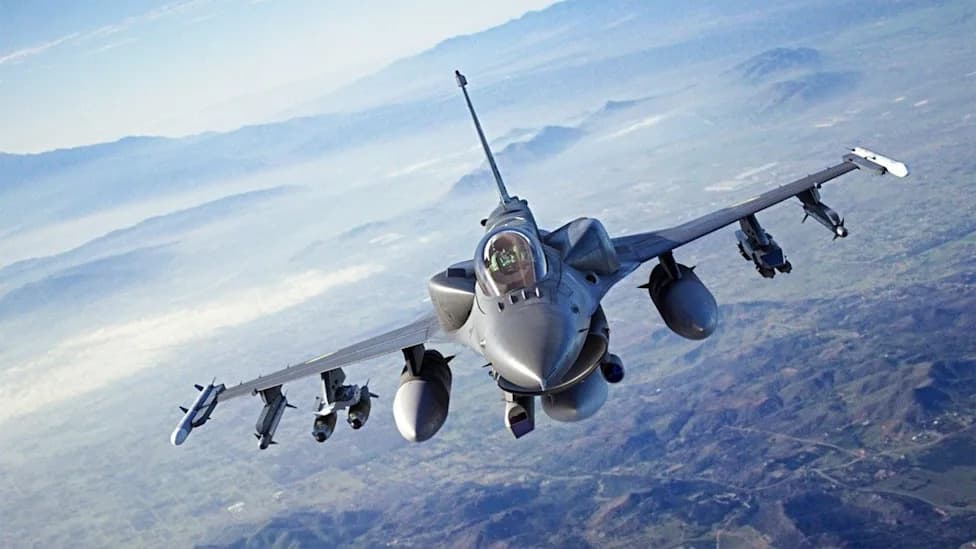
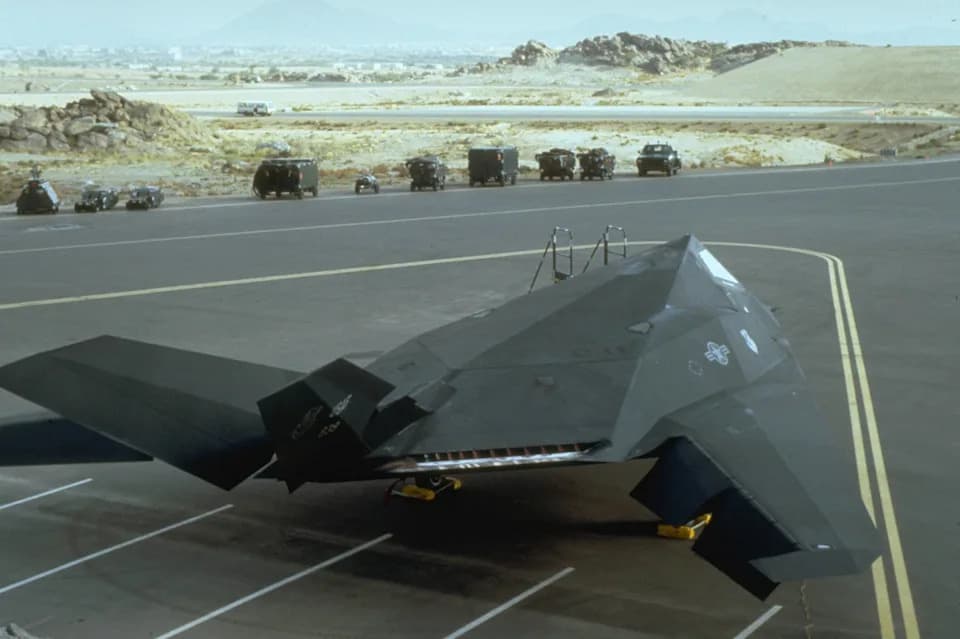
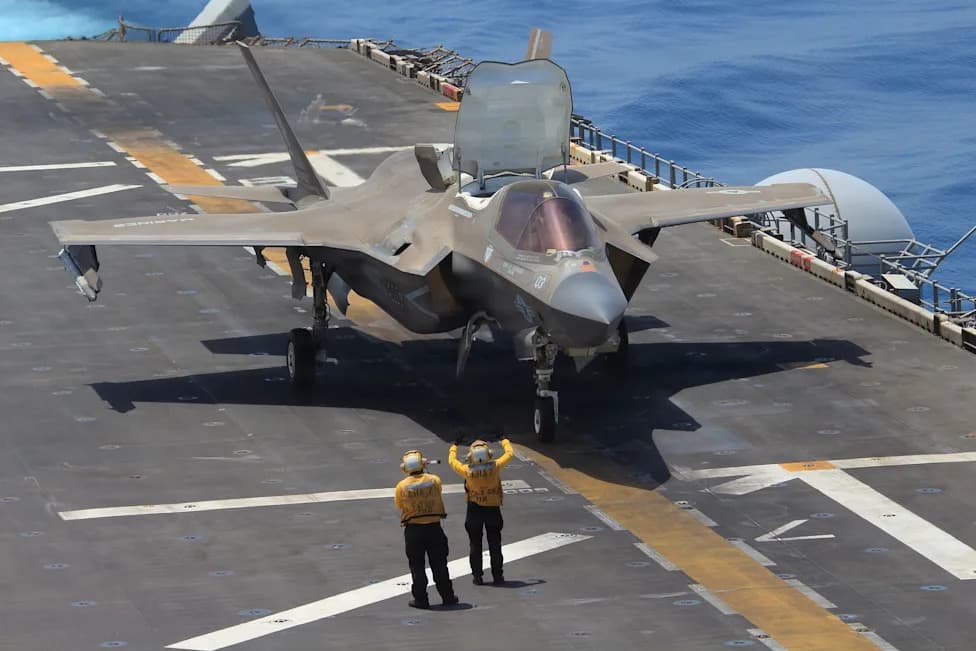
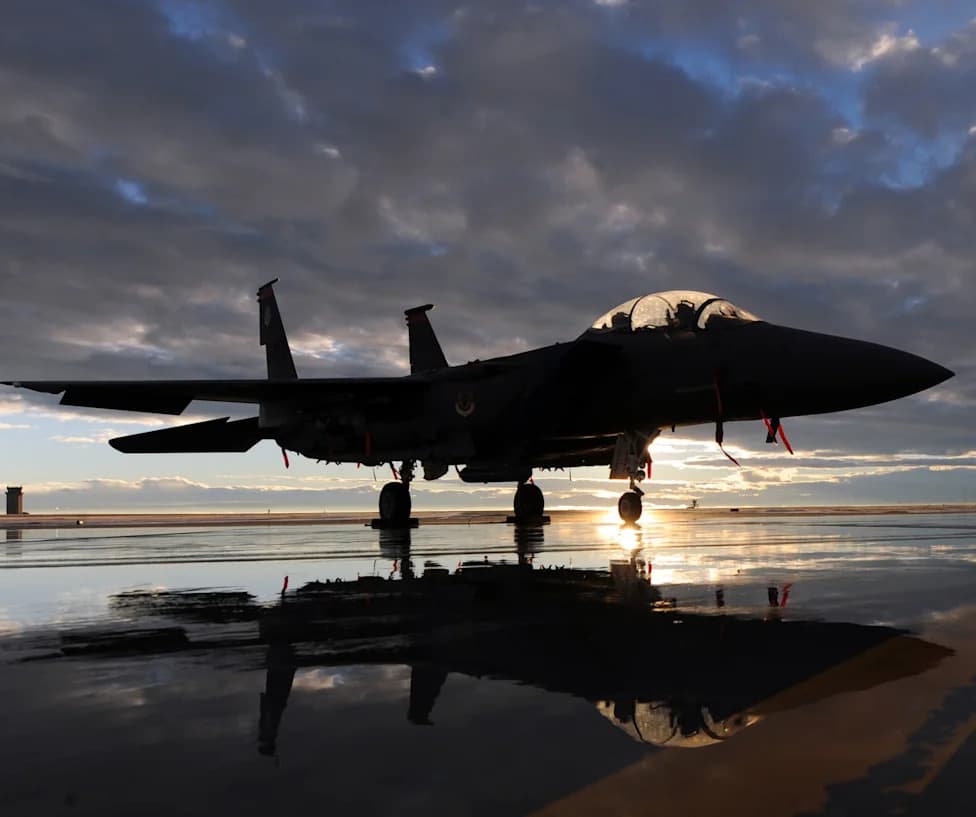
A production F-22 was photographed near Edwards AFB with two external wing pods and a paler underside. The pods likely house podded IRST sensors — FY2026 budget documents and prior sightings support this, and 30 pods are reportedly ordered in two lots of 15. External mounting avoids invasive airframe changes but reduces stealth; pods could later host EW or networking gear as part of the Super Raptor modernization, which also includes new coatings and defensive upgrades aimed at keeping the fleet flying into the 2050s.
F-22 Raptor Tests New Wing Pods — Podded IRST and 'Super Raptor' Upgrades Take Shape
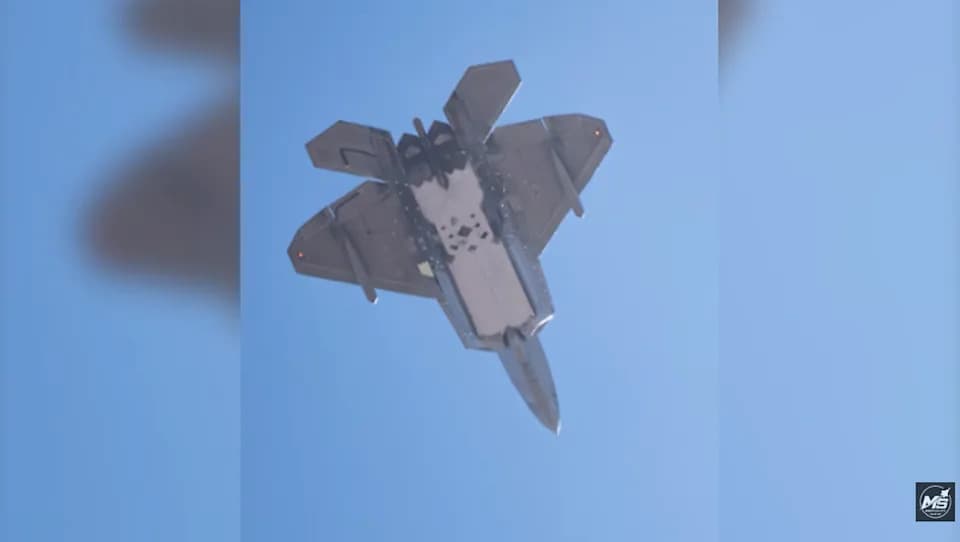
A production F-22 Raptor was photographed near Edwards Air Force Base carrying external hardware not previously documented in detail. The jet, flying with the callsign FEVER21, showed two pods mounted on its outer wing stations and an underside that appeared noticeably paler than the typical gunmetal finish.
What Was Seen
Photographer StinkJet captured the aircraft over California's Aerospace Valley. The pods match a configuration spotted earlier in March 2026 and align with descriptions in U.S. Air Force FY2026 budget documents. Because the F-22 normally avoids external stores to preserve stealth, these pods represent a notable departure from standard practice.
What The Pods Likely Are
The leading hypothesis is that the pods house an Infrared Search And Track (IRST) system. IRST sensors passively detect heat signatures rather than reflecting radar, allowing a fighter to locate and track other aircraft without emitting radar energy that could reveal its position. That capability is especially useful against modern stealth platforms.
Why Podded?
Installing IRST internally would require significant airframe modifications — new cooling lines, wiring and power routing — in an aircraft that left production in 2012 and is complex to service. A podded approach delivers the capability with less invasive changes, at the cost of some low-observable performance. FY2026 budget materials indicate production orders for 30 pods, split into two lots of 15.
Broader Modernization: The "Super Raptor"
The sighting also showed localized discoloration around the weapons bay doors and under the engine nacelles, suggesting testing of updated coatings or maintenance processes. The broader modernization effort, often called the Super Raptor program, reportedly includes improved coatings, an Infrared Defensive System, and upgrades to the electronic warfare suite and radar.
Operational Context
The Air Force currently operates about 185 F-22s, roughly 143 of which are combat-coded for front-line duty, and plans call for keeping the fleet operational into the 2050s and 2060s. Reported combat deployments in 2025–2026 and the growth of foreign stealth fleets help explain the urgency behind these upgrades. Given parallel efforts to field collaborative drone wingmen, the same pod architecture could later carry electronic warfare or networking hardware to support manned-unmanned teaming.
Bottom Line
The jet seen over Edwards is likely not an isolated experiment but an early glimpse of how the F-22 will be adapted to remain relevant for the next two decades: modular pods for new sensors and mission systems, improved coatings and defensive systems, and pragmatic upgrades that extend a proven platform rather than replace it.
Help us improve.