The Pentagon and U.S. lawmakers are investigating how unserviceable F-35 components sent from Australia to the United States for repair were rerouted to Hong Kong, with an F-35 canopy reportedly among the items. The diversion raises concerns about potential exposure of stealth-related technology, though there is no public evidence that Chinese authorities have obtained the parts. Officials are coordinating recovery efforts and briefed Congress in June, while the incident renews scrutiny of F-35 supply-chain controls after a GAO report found widespread inventory record problems.
Federal Probe Launched After F-35 Parts Bound For U.S. Were Diverted To Hong Kong — Canopy Reportedly Included
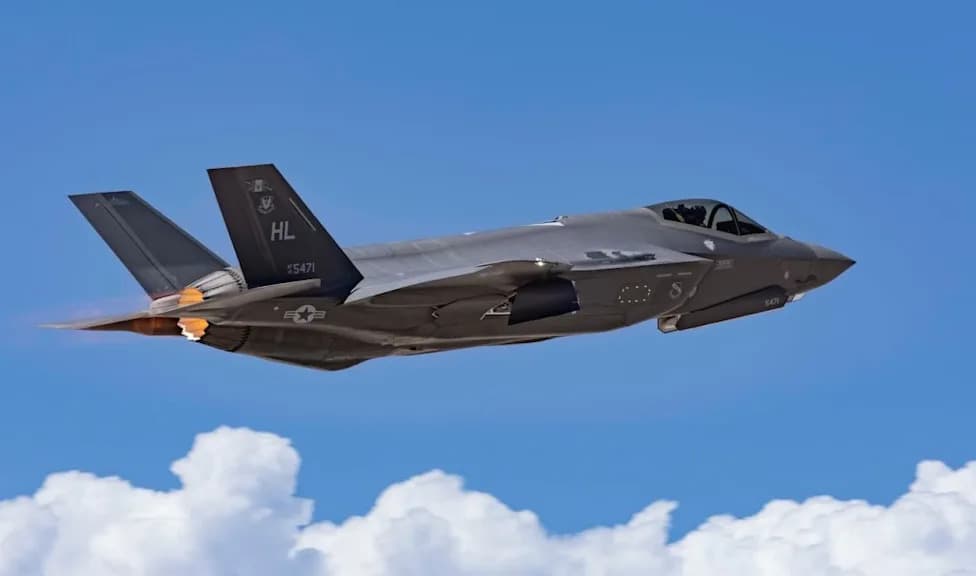
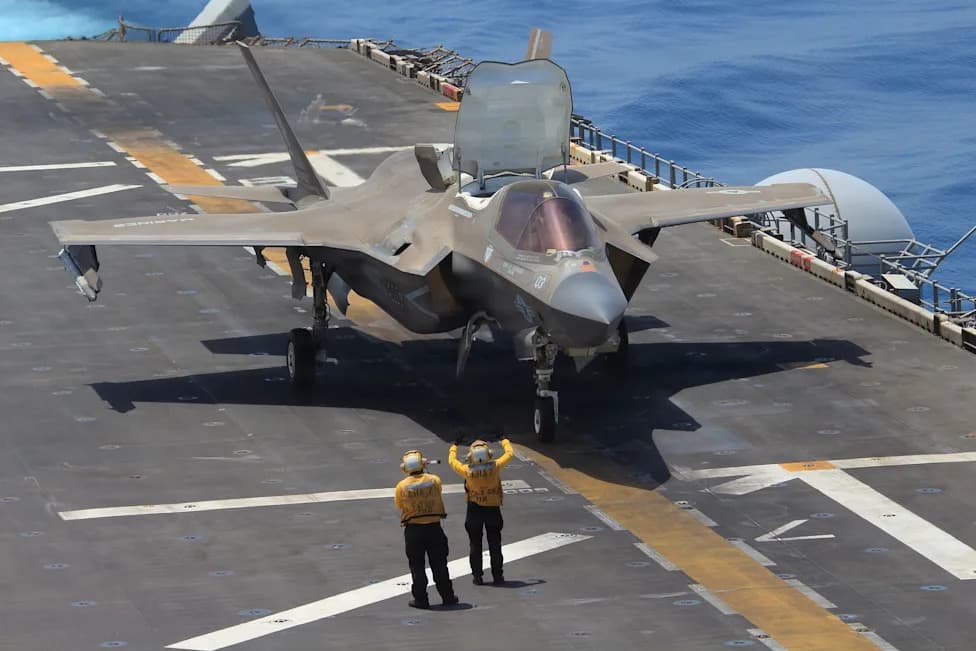
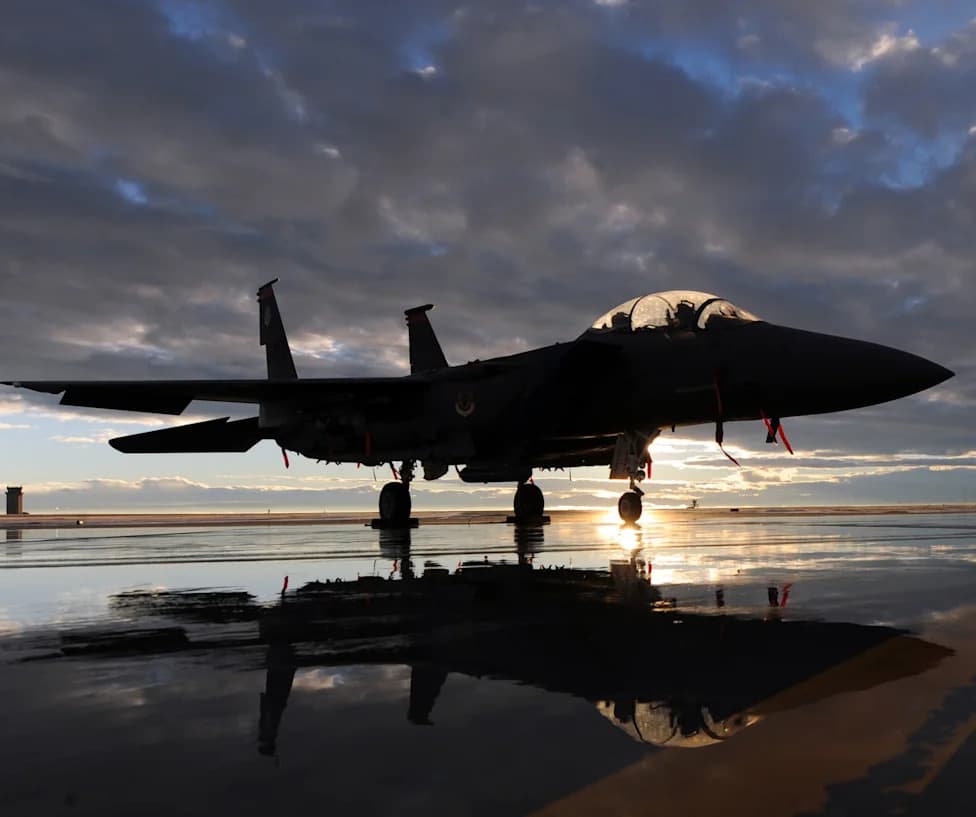
F-35 Lightning II. (Photo: Defense Logistics Agency)
U.S. lawmakers and Pentagon officials are investigating how a consignment of unserviceable F-35 Lightning II components that was en route from Australia to the United States for repair was diverted to Hong Kong, raising concerns about the potential exposure of sensitive stealth-aircraft technology.
According to a Politico report citing people familiar with the matter, the shipment was being handled by an intermediary contracted by Lockheed Martin. It remains unclear whether the reroute was accidental, unauthorized, or deliberate, and authorities have not publicly identified who currently has custody of the parts.
The exact mode of transport has not been disclosed. Fighter components are typically moved as controlled aerospace cargo: urgent items may travel by military or contracted commercial airlift, while less time-sensitive spares are often shipped by truck, sea freight or multimodal arrangements. The Defense Logistics Agency notes that F-35 supply movements have used both military airlift and commercial carriers under U.S. Transportation Command arrangements.
Canopy Raises Stakes
Among the diverted items was reportedly an F-35 canopy — the cockpit enclosure that incorporates materials and treatments tied to the aircraft's low-observable design. That detail elevates the security implications because physical examination of such components could yield clues about stealth characteristics and manufacturing techniques.
Hong Kong's status as a Chinese Special Administrative Region has intensified congressional concern that Beijing could gain access. There is no public indication that Chinese authorities or the Chinese military have obtained the parts, and as of the latest reporting the shipment's current location and custody remain unknown.
Investigation and Briefings
The Pentagon's F-35 Joint Program Office confirmed it is aware of "a shipment issue of unserviceable F-35 Lightning II components" and said it is coordinating with U.S. authorities and industry partners to recover the items, investigate what happened and strengthen safeguards to prevent recurrence. State Department and Pentagon officials began briefing congressional staff on the matter in June, with additional briefings expected.
Supply-Chain Controls Under Scrutiny
The incident is likely to renew scrutiny of the F-35 program's global sustainment and repair network. The jet is operated by the U.S. and many allied nations, and cross-border movement of repairable components is routine. But reliance on outside logistics providers and multinational maintenance flows creates a complex chain-of-custody challenge for hardware tied to highly classified aircraft capabilities.
Context: A 2023 Government Accountability Office review found that the Department of Defense had not established adequate accountable-property records to track real-time changes in F-35 spare-parts inventory, and reported more than 1 million parts missing over five years. The GAO also said the department could not review losses worth tens of millions of dollars because Lockheed Martin controlled relevant data.
The disclosure comes as Washington weighs additional international F-35 business: the State Department recently approved a potential $24.3 billion sale of 48 F-35 aircraft, engines, spare parts and support equipment to Saudi Arabia, subject to congressional approval.
What remains unknown: who ordered or authorized the reroute (if anyone), the precise transit route and carrier used, and the current custody and location of the diverted components. Officials are pursuing recovery and a full investigation.
Help us improve.