As Los Angeles suburbs push into foothill wildlands, black bears are increasingly drawn to backyard pools, fruit trees and unsecured trash. Experts link the rise in encounters to development since the 1990s, climate change and major wildfires (including the 2025 Eaton and Palisades fires). September and early fall—when bears enter hyperphagia—are peak months, and 2026 may set a record for reported encounters. Officials urge securing attractants to prevent conflict and avoid outcomes like the controversial euthanization of a Monrovia sow nicknamed "Blondie."
Bear-y Good Neighbors: How Expanding Los Angeles Is Learning To Live With Black Bears
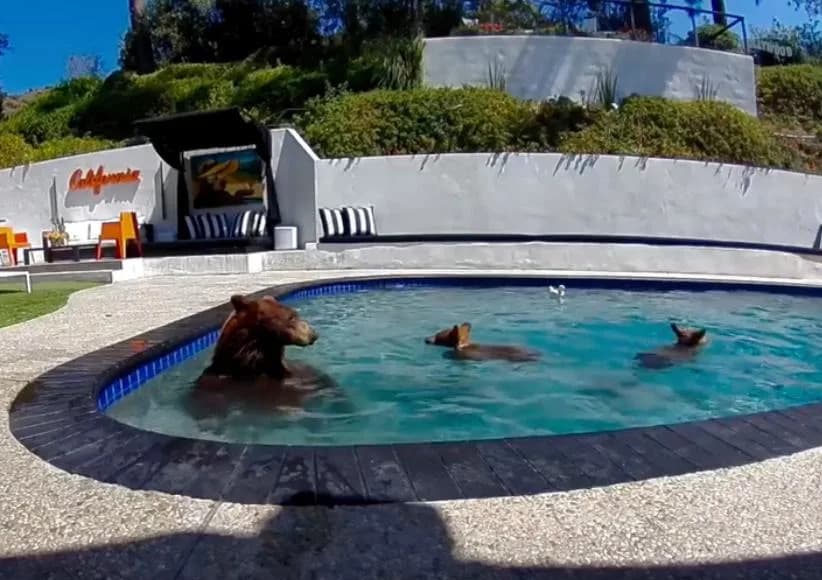
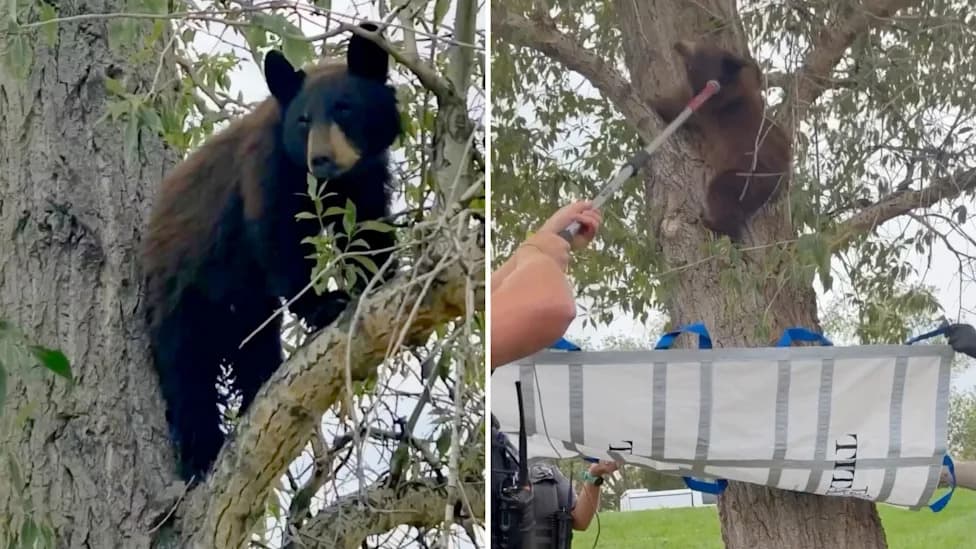
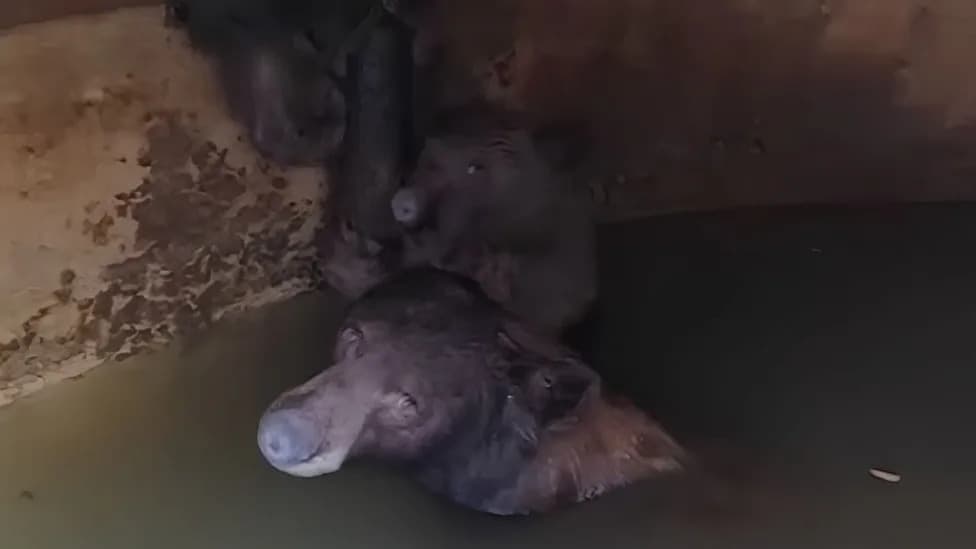
As communities on the outskirts of LA grow, bears are being drawn to residents' pools, chicken coops, fruit trees and trashcans.Photograph: Poolbearlife via Instagram
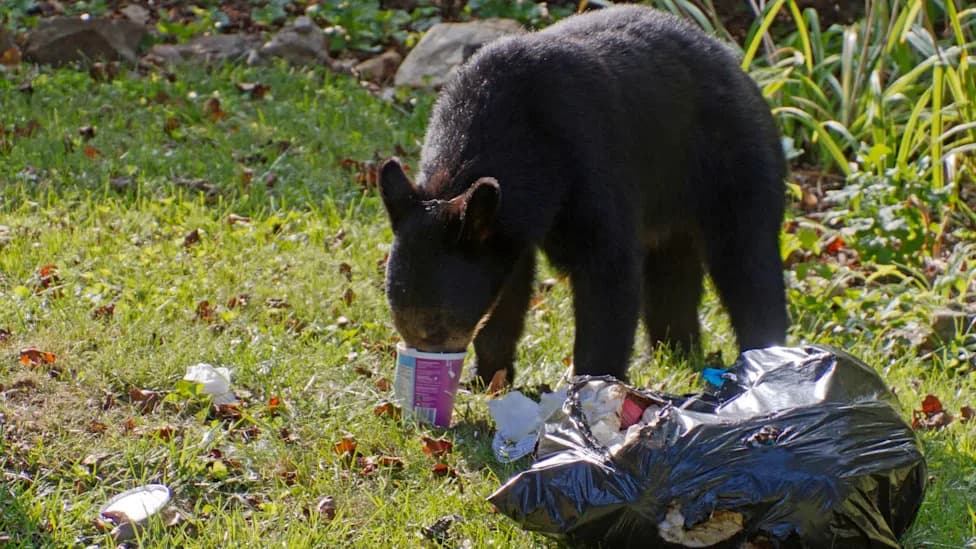
Each year as summer ends and autumn begins, California's black bears grow hungrier. Historically they foraged for acorns, ants and pine nuts to fatten for winter, but increasingly they are drawn to calorie-dense human foods and waste.
This shift is playing out along the outskirts of Los Angeles, where housing and communities are pushing into foothill wildlands. Bears are being attracted to backyard pools, fruit trees, chicken coops, pet food and unsecured trash—bringing people and wildlife into closer contact.
Why Encounters Are Rising
Population and development: Interactions have risen since the 1990s as suburbs expand into bear habitat. California is home to an estimated 50,000–70,000 black bears, and a few hundred reside in the Angeles National Forest just north of Los Angeles.
Food and calories: Human food is not inherently tastier to bears, but it is far more calorie-dense and easier to obtain. Bears that rely on human food sources often have higher reproductive rates because energy is more readily available than from acorns or insects.
Climate and wildfire: Warmer seasons can reduce or shift natural food supplies, and large wildfires—such as the 2025 Eaton and Palisades fires—destroy habitat and food sources, pushing bears to explore neighborhoods for calories.
People, Pools and Social Media
Monrovia residents Brian Gordon and his partner live at the edge of the Angeles National Forest. They post videos on Instagram (@PoolBearLife) showing bear cubs splashing in their pool and climbing trees. The couple says they secure trash, remove temptations and give animals space—though occasional mistakes, like an unsecured case of beer, still occur.
"Black bears are incredibly adaptable, versatile omnivores. They can eat everything we can eat," said Wilson Sherman, a PhD student at UCLA who studies human-wildlife interaction.
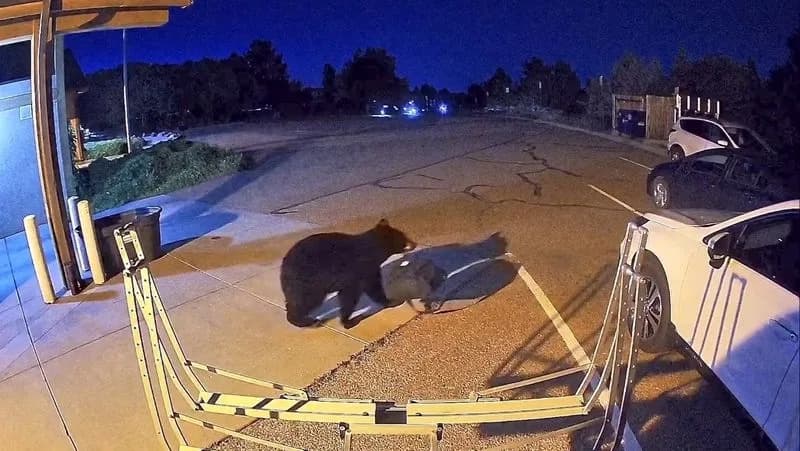
Doorbell cameras and social media have made bear encounters more visible. Viral clips can build empathy and motivate conservation, but they also risk "Disney-fying" wildlife—making animals seem harmless when they can still cause property damage or become dangerous if habituated to people.
When Conflict Escalates
Most interactions are nonviolent, but some incidents escalate and result in bears being relocated or euthanized. Earlier this year the euthanization of a sow nicknamed "Blondie" in Monrovia—after she swiped at residents on two occasions—sparked community outrage. Blondie's two cubs were taken into captivity and are being raised until they may be releasable. Local officials and residents continue to debate alternatives and stronger preventive measures.
How Communities Can Reduce Conflict
- Secure trash: Use bear-resistant bins or store garbage indoors until pickup.
- Remove attractants: Bring pet food and bird feeders inside, harvest ripe fruit promptly, and secure grills and coolers.
- Respect wildlife: Do not approach or feed bears; keep dogs leashed and supervise children near wildland edges.
- Report problems: Contact the California Department of Fish and Wildlife or local animal control if a bear is repeatedly visiting or behaving aggressively.
Experts note that many conflicts are preventable. As bears enter hyperphagia—the intense pre-hibernation feeding period—late summer and early fall typically see more encounters. Officials warned that 2026 is shaping up to be a record year for reported bear interactions around Los Angeles.
Living alongside wildlife requires adjustments, communication and infrastructure that reduce temptations. With care and simple precautions, neighborhoods can minimize harmful interactions while preserving the opportunity for people to coexist with wild neighbors.
Key takeaway: Secure attractants, give bears space, and support community measures to reduce conflict—both to protect people and to preserve wild bears for future generations.
Help us improve.