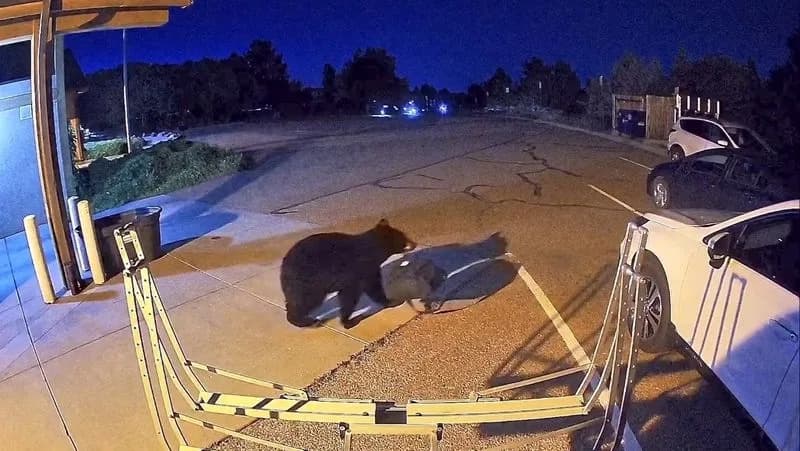
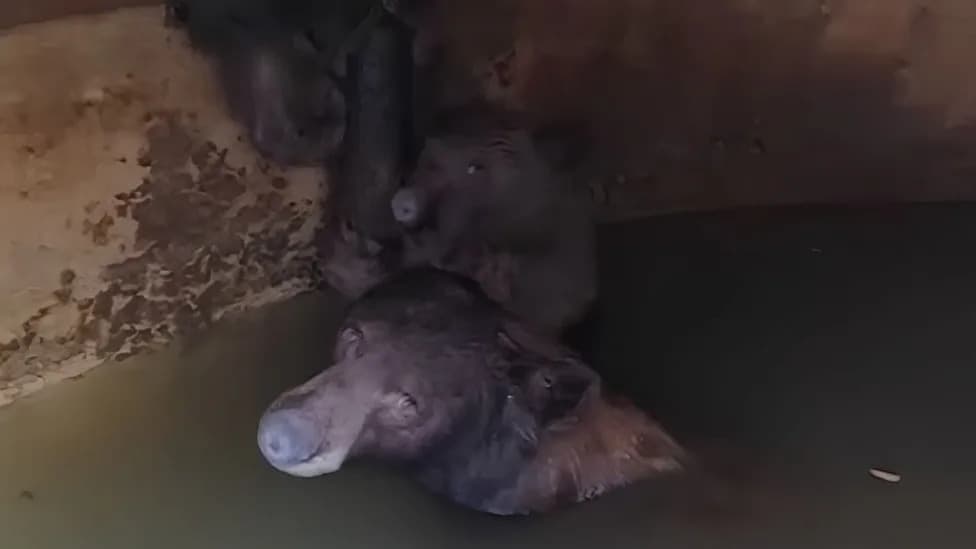
Colorado Parks and Wildlife tranquilized, tagged and relocated a bear cub in Boulder County after it was reported stuck in a tree. The incident comes amid a late‑summer surge in bear activity — sightings in some areas have risen by up to 219% and six people have been injured in recent attacks. Officials attribute the trend to drought‑driven food shortages and bears' pre‑hibernation feeding, and they urge residents to secure trash, lock vehicles and report sightings promptly.
Boulder County Cub Tranquilized, Tagged and Relocated as Colorado Sees Late‑Summer Bear Surge
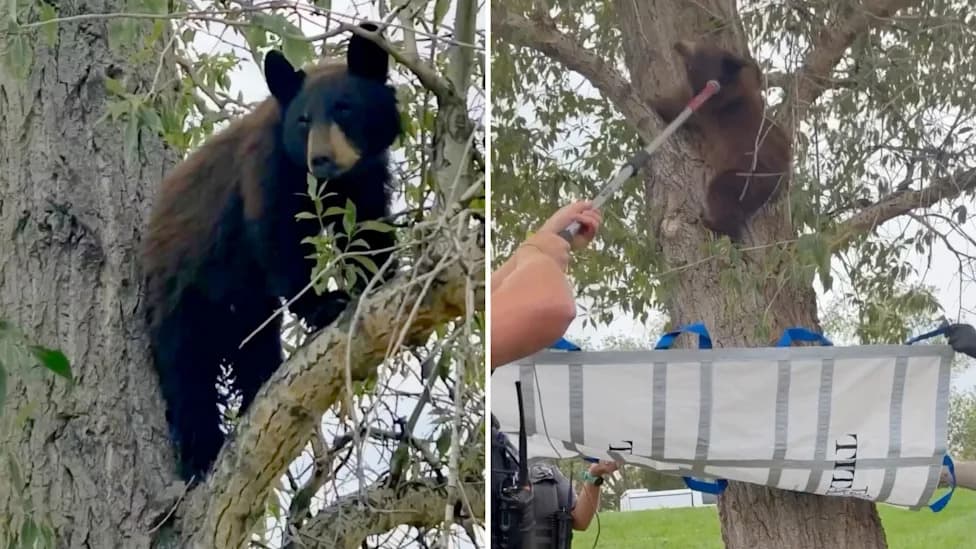
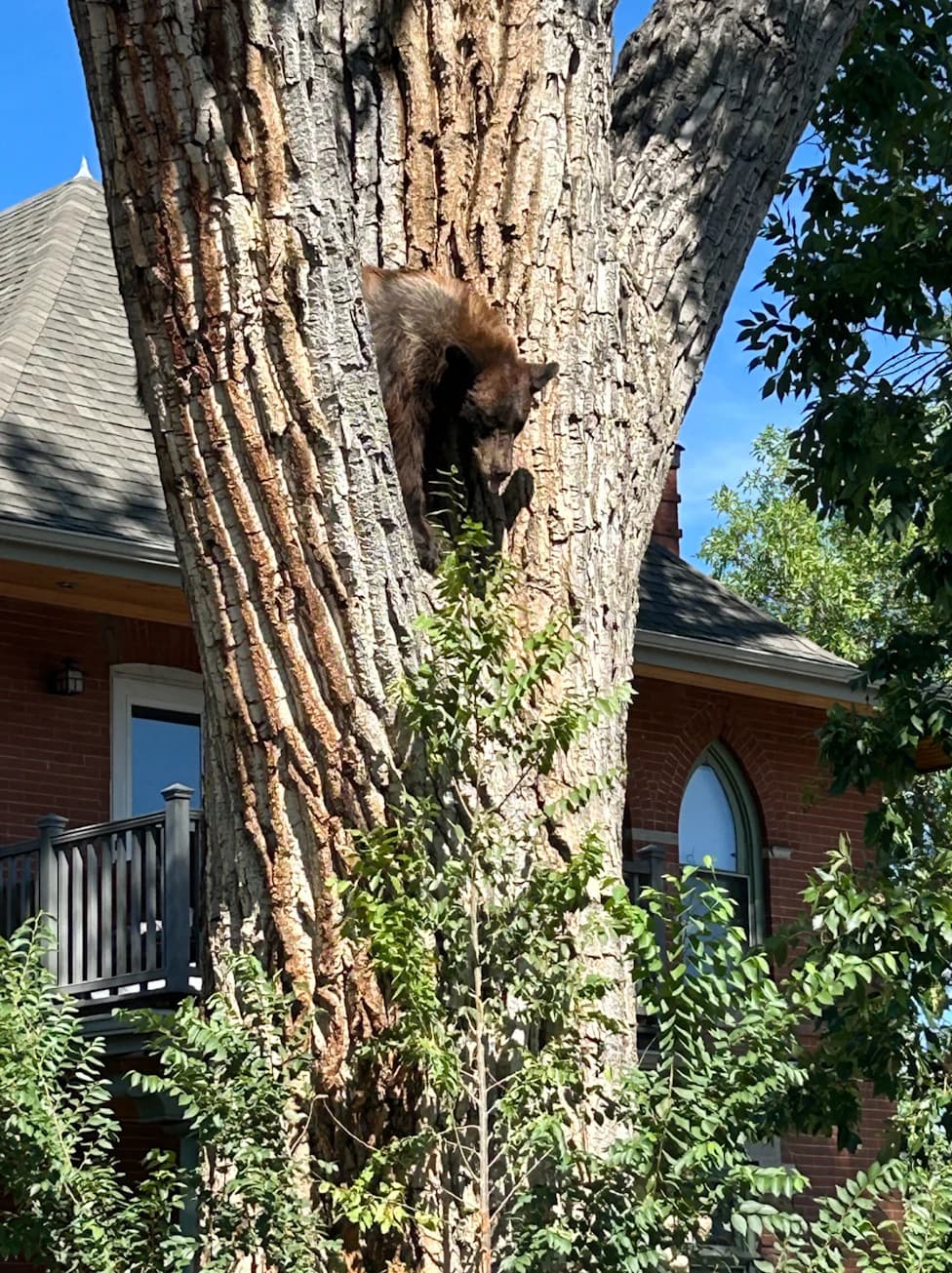
Photo Credit: Boulder County Sheriff's Office
A bear cub that climbed a tree in Boulder County was safely tranquilized, fitted with an identification tag and relocated to higher‑elevation habitat after wildlife officers responded to a report, officials said.
What Happened
Deputies from the Boulder County Sheriff's Office and officers from Boulder County Animal Protection responded to a call about a bear in a tree. Colorado Parks and Wildlife tranquilized the frightened cub, brought it down without injury, attached a tag for monitoring and moved it to mountain habitat, KUNC reported.
Why Encounters Are Rising
Statewide data show a sharp late‑summer rise in bear activity: sightings in some areas have increased by as much as 219%, and six people in Colorado have been injured in recent bear attacks. Wildlife officials point to two main drivers: drought has reduced natural food sources, and bears are in a critical pre‑hibernation feeding period when they must quickly build fat reserves. Those pressures push bears to expand their range and investigate easier calorie sources near people.
How Human Factors Contribute
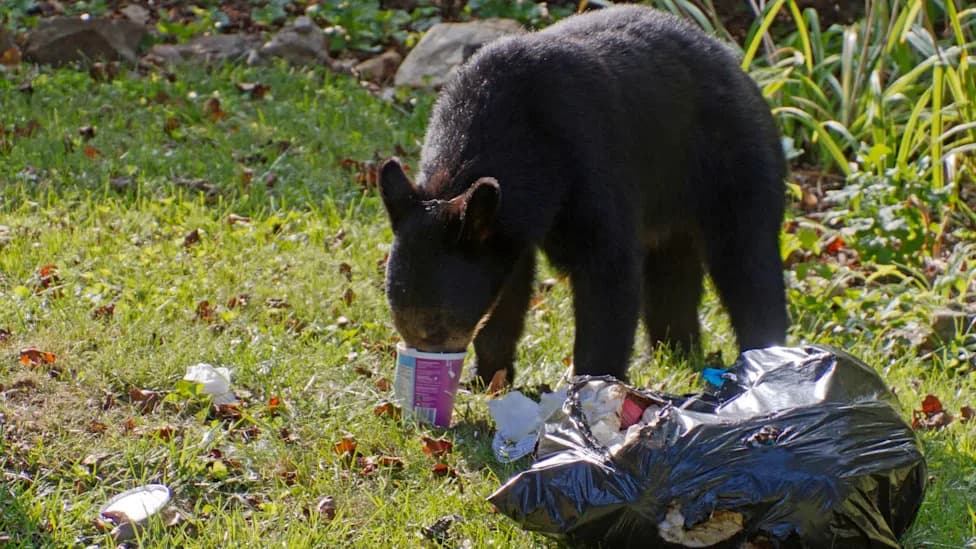
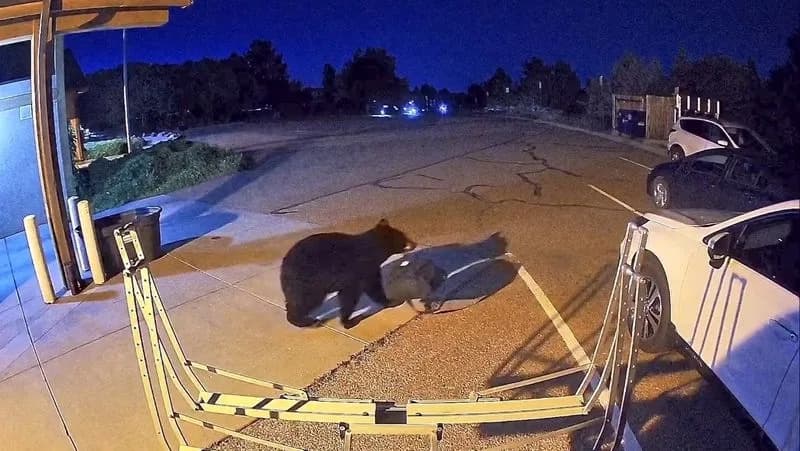
Expanding development and easily accessible human food — open trash cans, pet food left outdoors, fruit trees and unlocked vehicles — can attract bears into neighborhoods. Reporting by BBC Future and other outlets explains how habitat overlap and available human food raise the chances of dangerous interactions between people and wildlife.
Response And Prevention
Quick, coordinated responses helped avert harm in the Boulder County incident. Deputies, animal protection officers and Colorado Parks and Wildlife worked together to secure the animal and public safety. Officials stress that prevention remains the best tool to reduce future encounters.
- Secure Trash: Use bear‑resistant containers or keep trash in locked garages until pickup.
- Remove Outdoor Food Sources: Don’t leave pet food, bird seed or barbecue grills unattended outside.
- Lock Vehicles: Store food and scented items out of sight and lock car doors.
- Keep Distance: Give wildlife space and report concerning sightings to local authorities.
'Giving wildlife plenty of space, securing trash, locking vehicles, and properly storing food all help reduce encounters and keep both people and wildlife safe,' the Boulder County Sheriff's Office wrote on social media.
Wider Context
Similar incidents and policy responses elsewhere underscore the regional nature of the problem:
- Authorities in northern Spain formed a protective bear task force after human encounters rose.
- A hiker on a trail was lunged at by a mother bear protecting cubs.
- Across the Arctic, habitat disruption has led to more sightings near communities.
- On Mount Si, Washington, a black bear swiped at a teenager during an encounter.
- In Montana, hunters survived two separate grizzly encounters within days.
These events reinforce a single lesson: communities that reduce attractants and report sightings promptly lower the risk for both people and wildlife.
Help us improve.